


Ponad
20
Lata doświadczenia
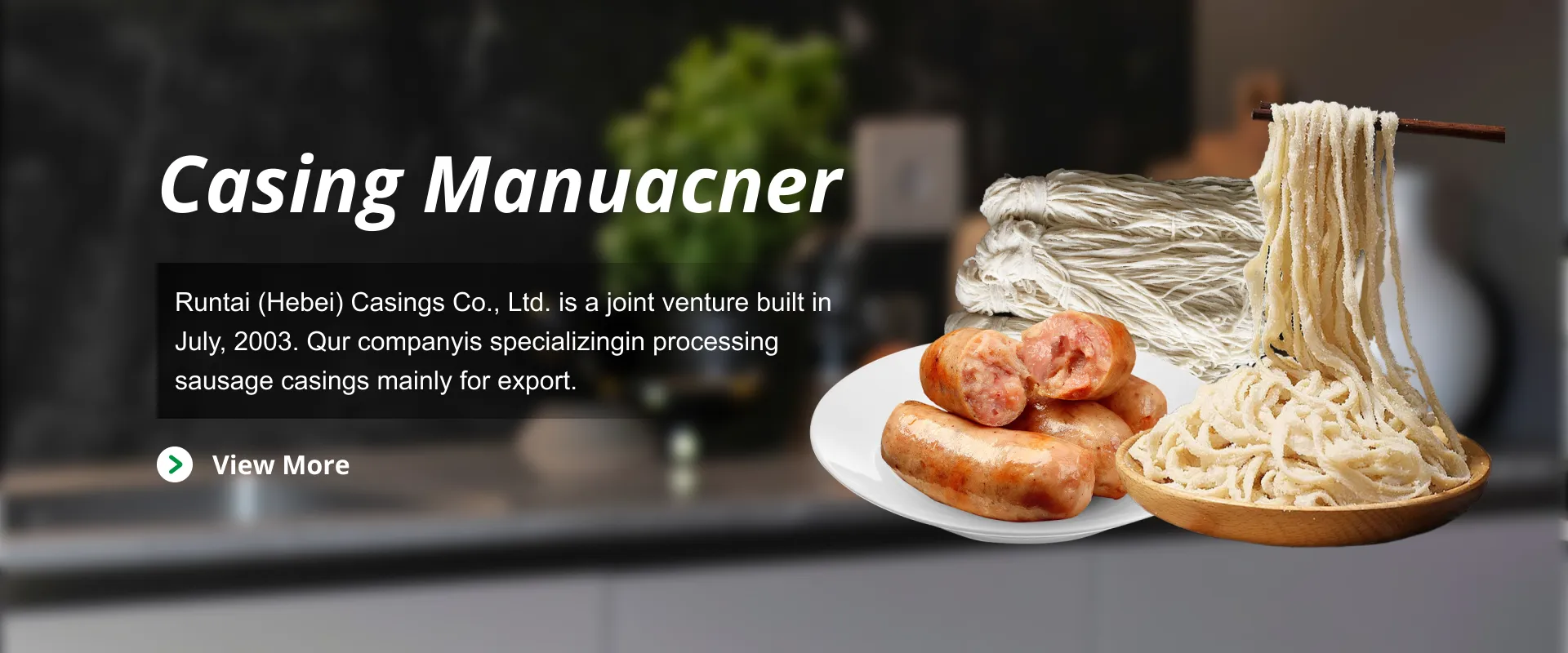
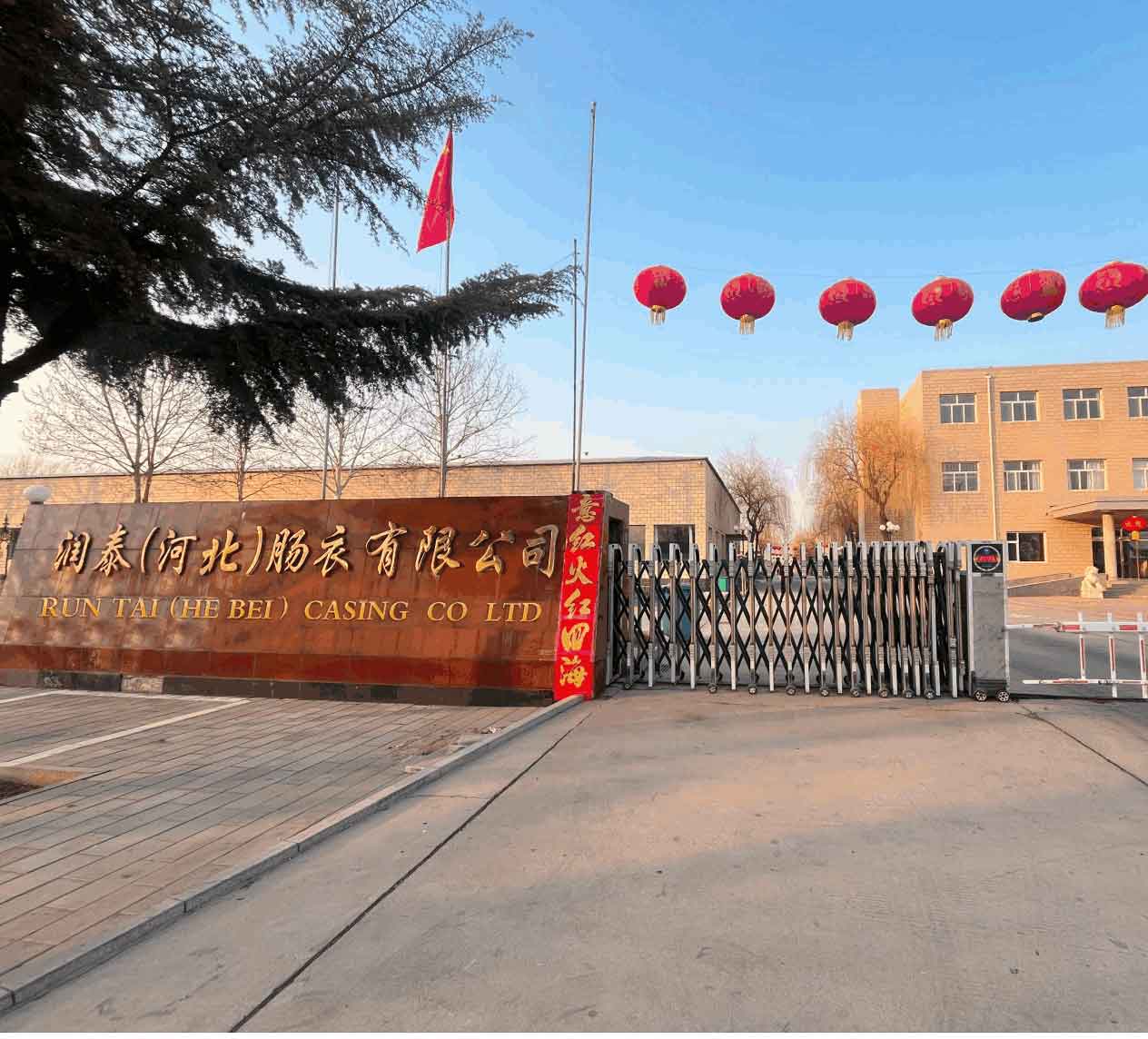
Która specjalizuje się w przetwarzaniu osłonek kiełbasianych głównie na eksport. Jesteśmy członkiem międzynarodowego stowarzyszenia naturalnych osłonek kiełbasianych. Jesteśmy wyznaczeni do importu i eksportu osłonek i uzyskaliśmy kwalifikacje do przetwarzania osłonek zagranicznych jako wyznaczona fabryka. Znajduje się na zachodzie powiatu Shunping, w pobliżu drogi Baofu na zachodzie. 210 km od Pekinu i 260 km od Tianjin. Transport jest bardzo wygodny, a otoczenie jest dość piękne.
Obiekt położony jest na zachodzie powiatu Shunping, w pobliżu drogi Baofu na zachód. Jest oddalony o 210 km od Pekinu i 260 km od Tianjinu. Transport jest bardzo wygodny, a otoczenie jest przepiękne.
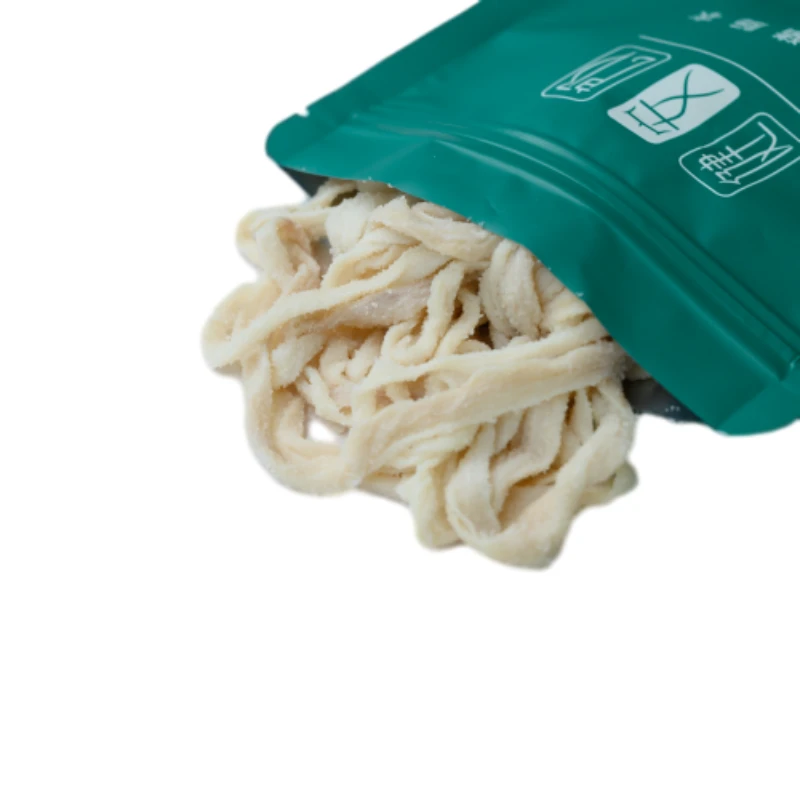
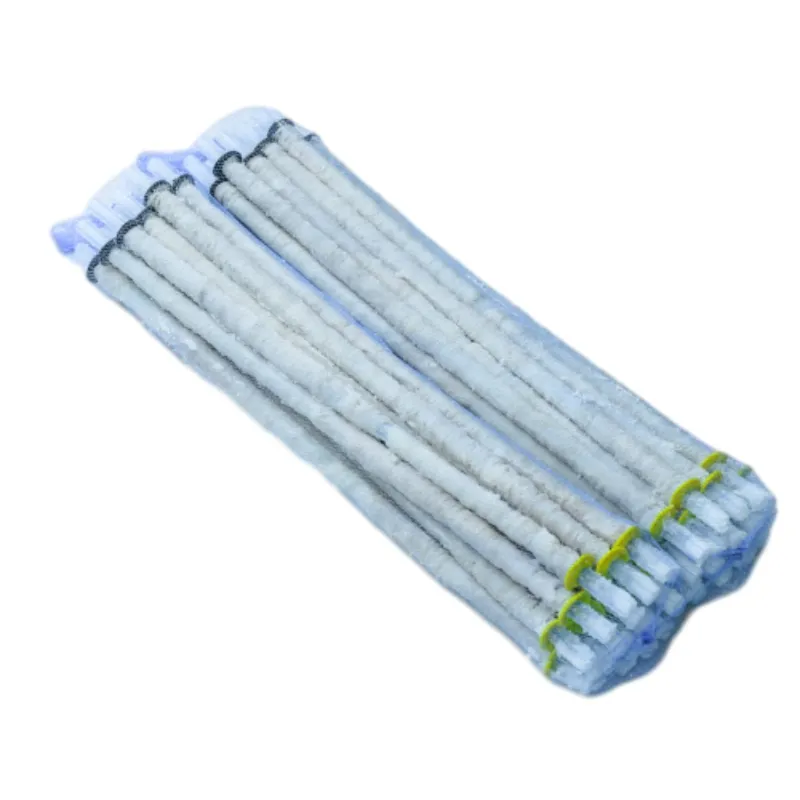
Głównymi produktami są solone jelita wieprzowe, solone jelita baranie i różnego rodzaju jelita suche.
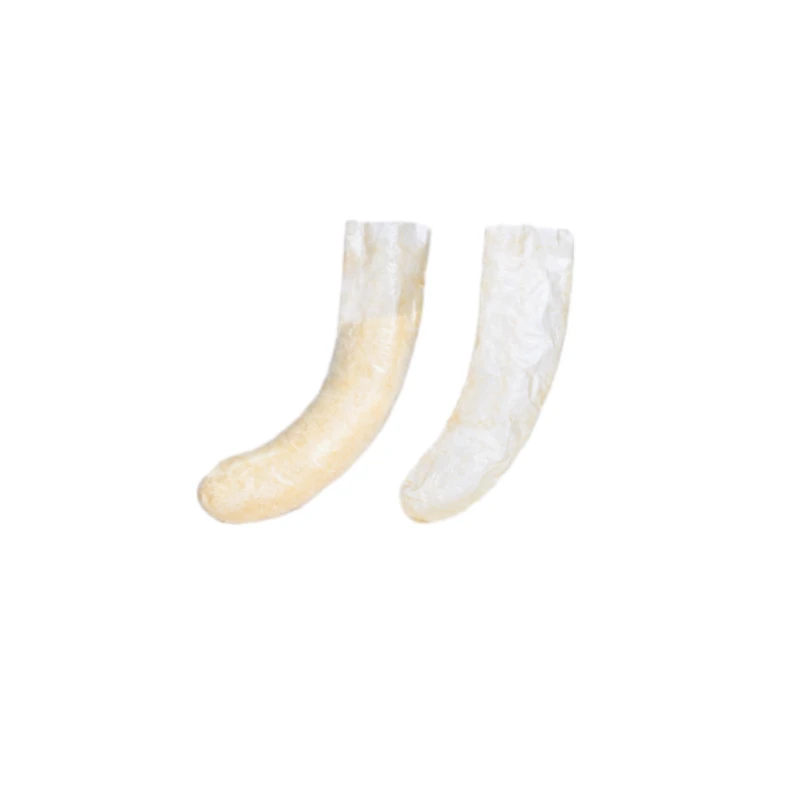
Firma Runtai(Hebei) Casings Co., Ltd, założona w 2003 roku, specjalizuje się w przetwarzaniu i eksporcie wysokiej jakości naturalnych osłonek kiełbasianych.
-
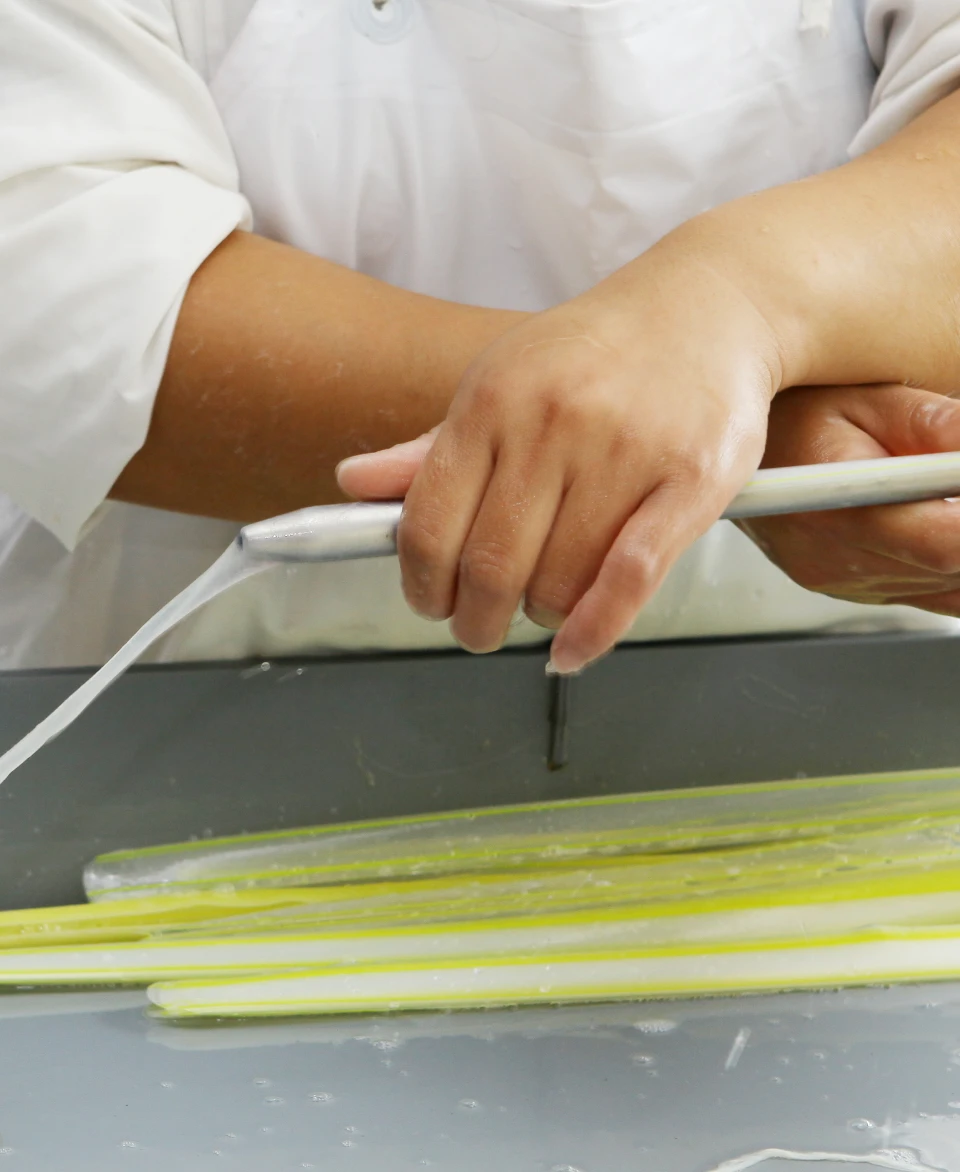

 Bogate doświadczenie produkcyjne
Firma Runtai(hebei) cases co., ltd została założona w lipcu 2003 roku. Ponad 20 lat doświadczenia w produkcji
-
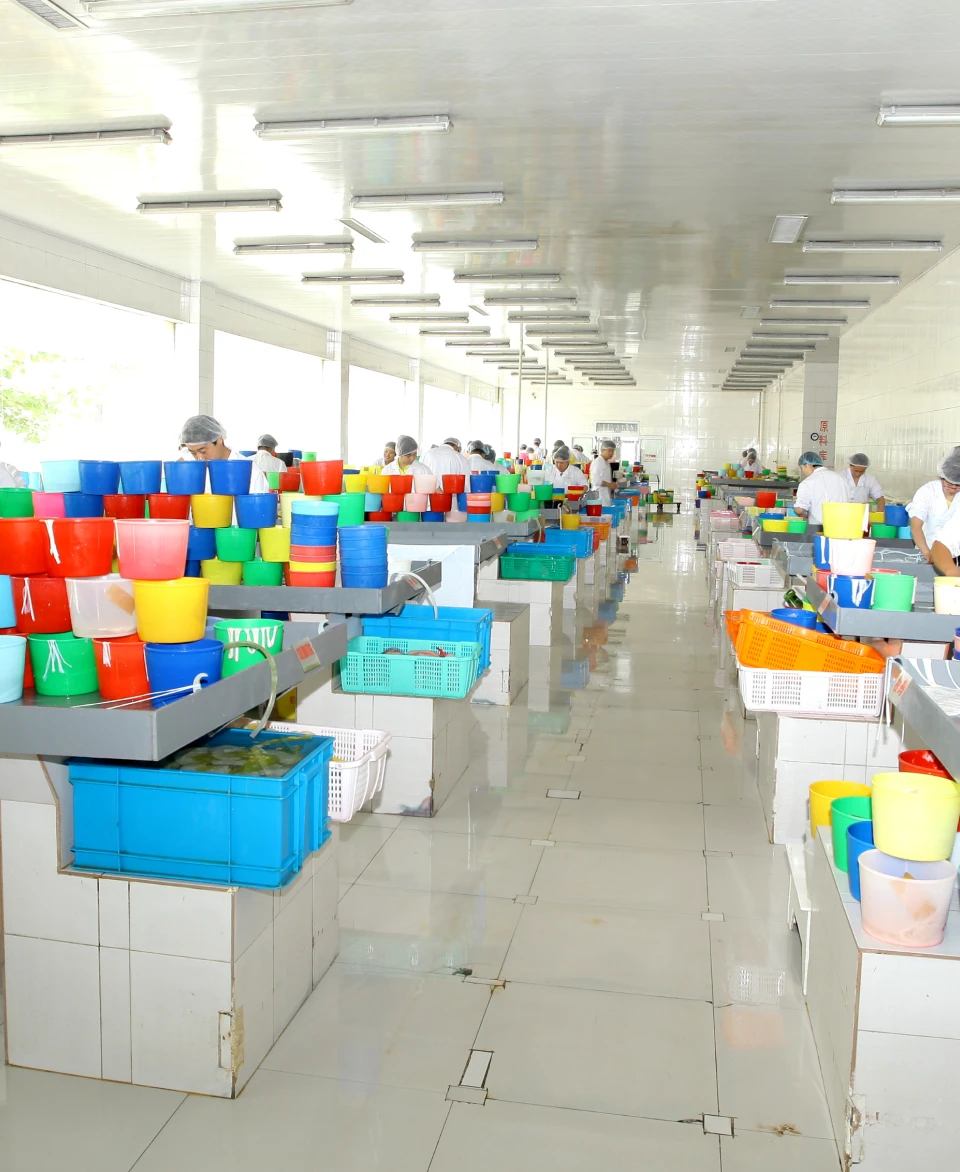

 Profesjonalni technicy
W Runtai(hebei) cases co., ltd zatrudnionych jest łącznie 200 pracowników, w tym 170 wykwalifikowanych pracowników i 30 członków kadry kierowniczej z dyplomami akademickimi.
-
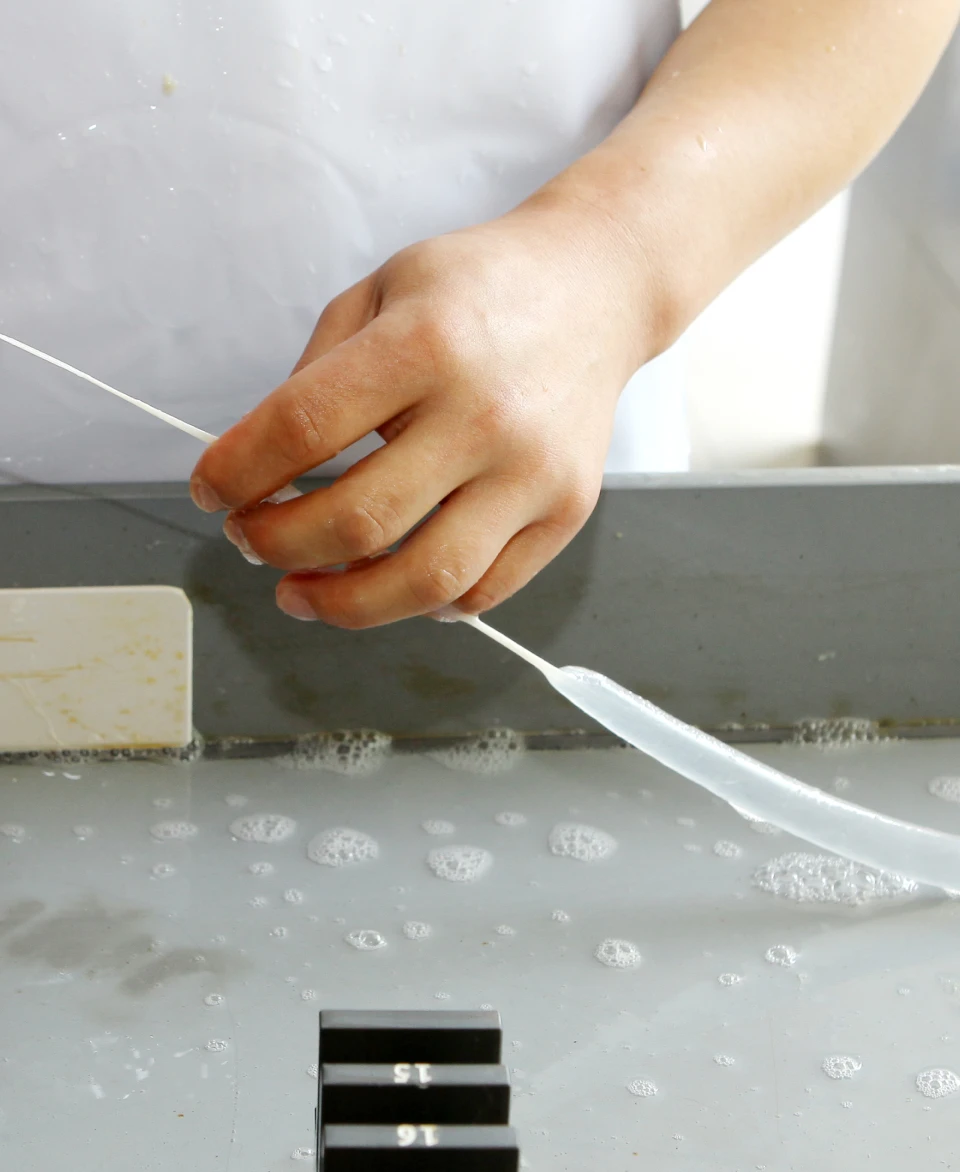

 Wysoka wydajność
Roczna produkcja wynosi 10 000 beczek solonych jelit wieprzowych, 2000 beczek solonych jelit baranich, 15 milionów sztuk suszonych jelit wieprzowych w tubach. Większość produktów przeznaczona jest na eksport.
-
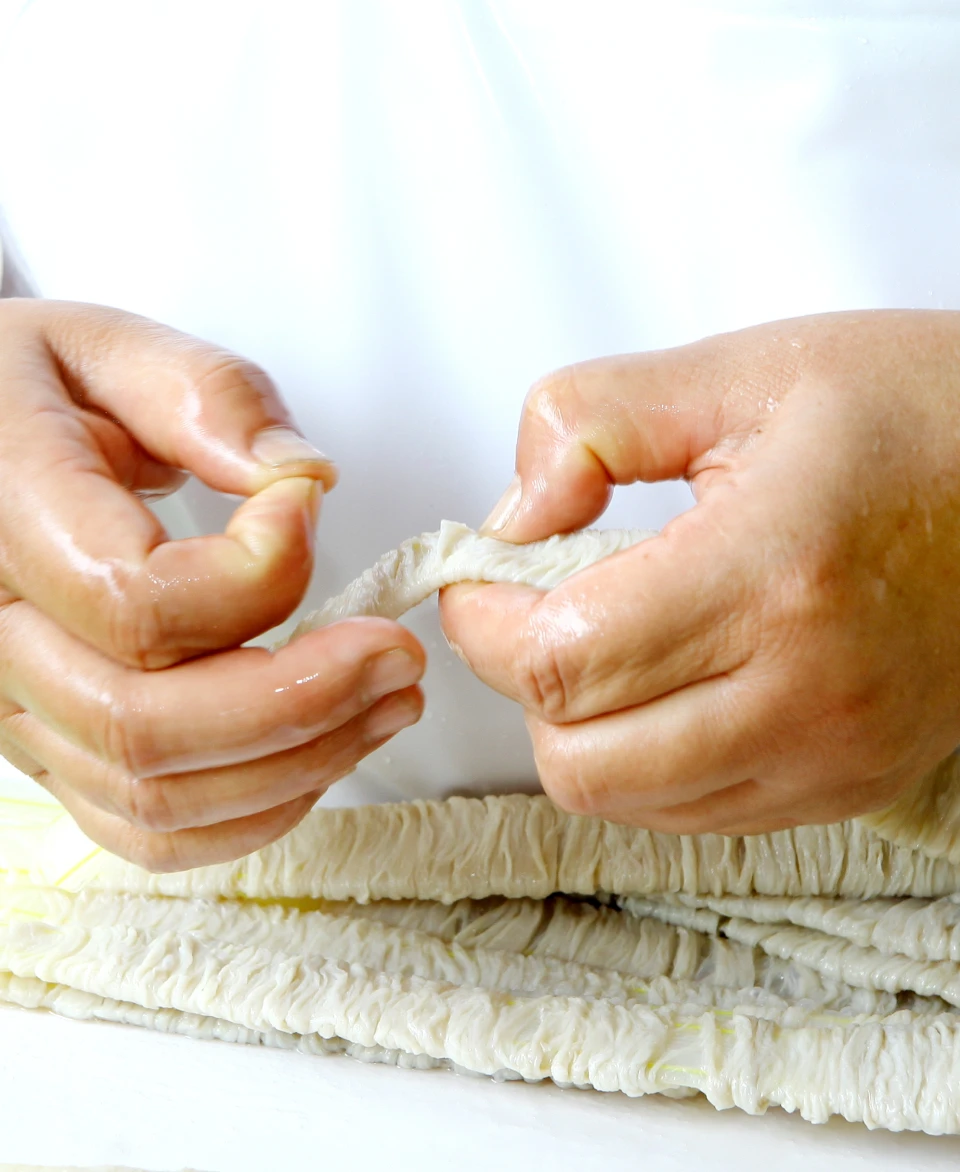

 Duża skala zakładu
Nasza firma zajmuje powierzchnię 13 000 metrów kwadratowych, posiada cztery zarejestrowane warsztaty zgodne z normami sanitarnymi UE, każdy warsztat wyposażony jest w chłodnię mogącą pomieścić 1200 ton towarów
Niezależnie od tego, czy chodzi o osłonki suszone czy solone, Runtai zapewnia trwałość, elastyczność i naturalny smak — idealne do rzemieślniczej i przemysłowej produkcji kiełbas.

-
 Apr . 16, 2026
In the world of industrial engineering and infrastructure, the process of making casing is a critical phase that ensures the structural integrity and longevity of wells, pipes, and protective housings. Whether it is for oil and gas exploration, water well drilling, or specialized mechanical shielding, high-quality casing prevents collapse and protects against external contaminants. This comprehensive guide will explore the technical nuances, material selections, and professional standards involved in the production of industrial casings to help you make informed procurement decisions for your next project.
-
 Apr . 09, 2026
In the world of artisanal and industrial charcuterie, the quality of the casing is just as critical as the quality of the meat filling. Selecting the right intestines for sausage casings can determine the texture, snap, and overall shelf-life of your final product. Whether you are producing traditional bratwurst, spicy chorizo, or delicate breakfast links, understanding the nuances of natural casings is essential for consistency and taste. In this comprehensive guide, we will explore the different types of natural intestines, their specific applications, and how to ensure you are sourcing the highest grade materials for your business.
-
 Apr . 07, 2026
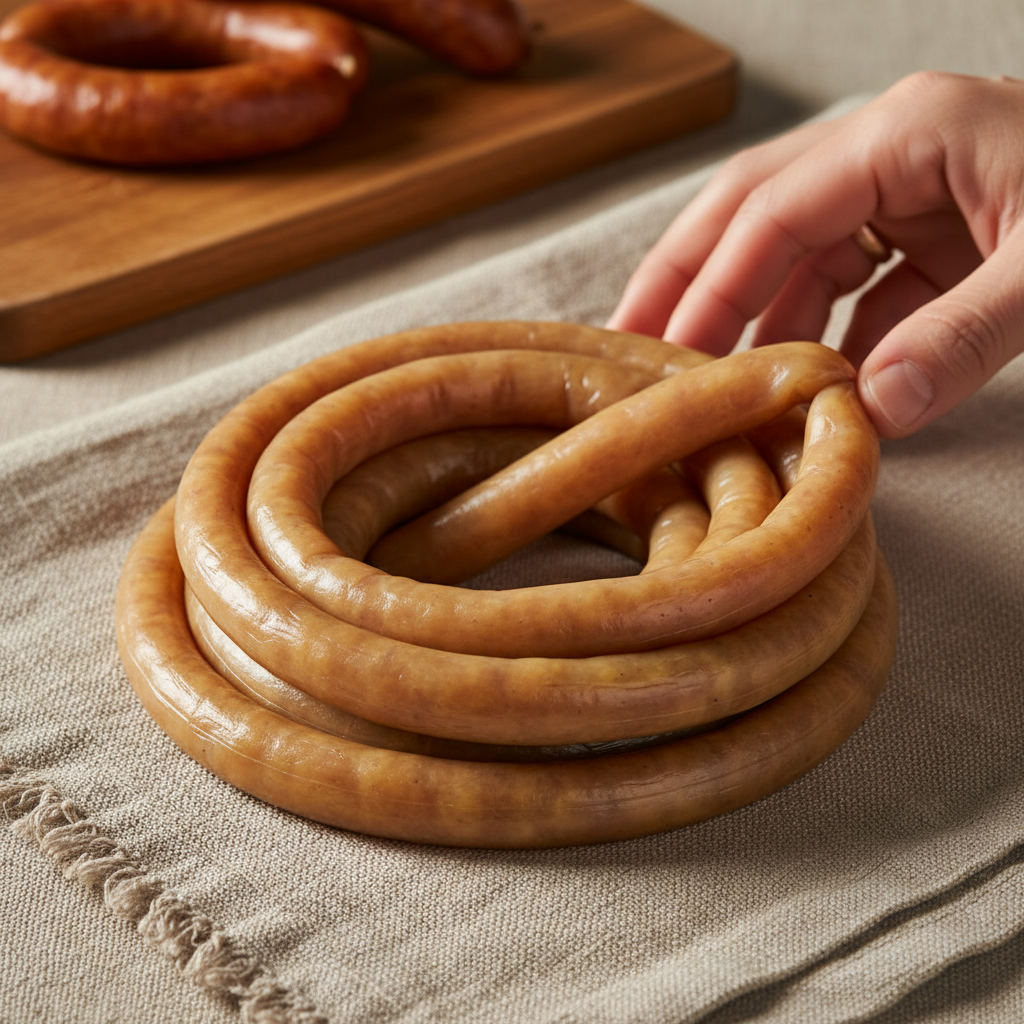
Intestine sausage casing is a vital component in sausage making, providing the necessary structure and texture for a wide variety of products. From traditional European sausages to modern American favorites, the casing plays a critical role in both the appearance and eating experience. This article delves into the different types of intestine sausage casing, their applications, advantages, and considerations for choosing the right casing for your specific needs.
In the world of industrial engineering and infrastructure, the process of making casing is a critical phase that ensures the structural integrity and longevity of wells, pipes, and protective housings. Whether it is for oil and gas exploration, water well drilling, or specialized mechanical shielding, high-quality casing prevents collapse and protects against external contaminants. This comprehensive guide will explore the technical nuances, material selections, and professional standards involved in the production of industrial casings to help you make informed procurement decisions for your next project.
In the world of artisanal and industrial charcuterie, the quality of the casing is just as critical as the quality of the meat filling. Selecting the right intestines for sausage casings can determine the texture, snap, and overall shelf-life of your final product. Whether you are producing traditional bratwurst, spicy chorizo, or delicate breakfast links, understanding the nuances of natural casings is essential for consistency and taste. In this comprehensive guide, we will explore the different types of natural intestines, their specific applications, and how to ensure you are sourcing the highest grade materials for your business.
Intestine sausage casing is a vital component in sausage making, providing the necessary structure and texture for a wide variety of products. From traditional European sausages to modern American favorites, the casing plays a critical role in both the appearance and eating experience. This article delves into the different types of intestine sausage casing, their applications, advantages, and considerations for choosing the right casing for your specific needs.

Intestinal casing, also known as sausage casing, is a vital component in meat processing, playing a crucial role in the creation of sausages and other processed meat products. It’s more than just a wrapper; it influences the texture, flavor, and overall quality of the final product. At RTCasing, we specialize in providing high-quality intestinal casings to meet the diverse needs of our global clientele. This article will explore the types, applications, benefits, and sourcing of intestinal casings, offering a detailed understanding for both industry professionals and those curious about this essential food ingredient.


