

Mere end
20
Årelang erfaring
Som specialiserer sig i forarbejdning af pølsetarmer, primært til eksport. Vi er medlem af International Natural Sausage Tarms Association. Vi er udpeget til at importere og eksportere tarme og har fået certificering til forarbejdning af oversøiske tarme som den udpegede fabrik. Det er beliggende i den vestlige del af Shunping County, tæt på Baofu-vejen mod vest. 210 km fra Beijing og 260 km fra Tianjin. Transporten er meget bekvem, og omgivelserne er ret smukke.
Det ligger i den vestlige del af Shunping County, tæt på Baofu-vejen mod vest. 210 km fra Beijing og 260 km fra Tianjin. Transportmulighederne er meget bekvemme, og omgivelserne er ret smukke.
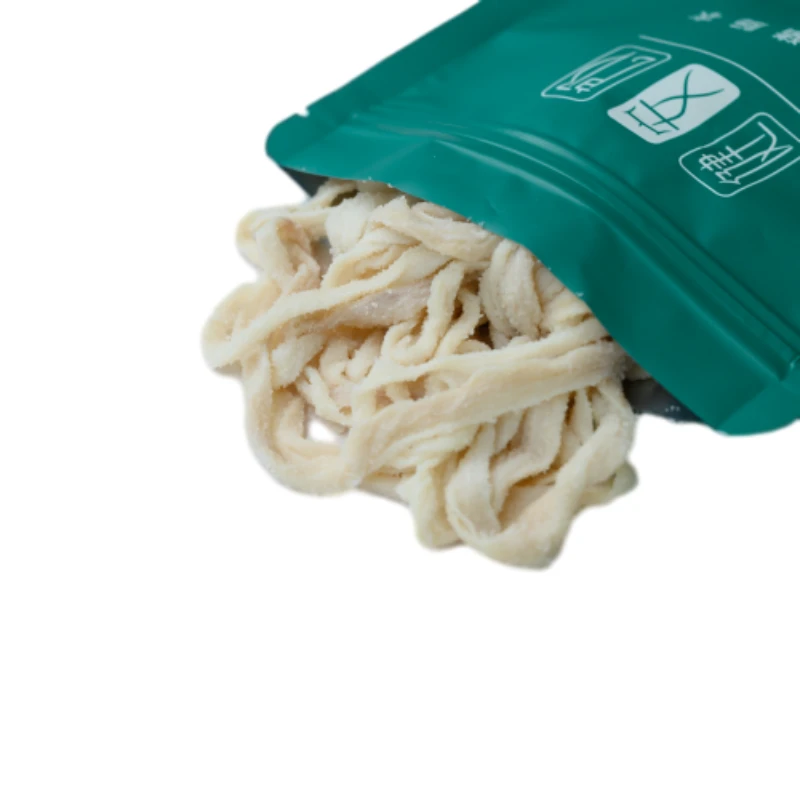
De vigtigste produkter omfatter saltede svinetarme, saltede fåretarme og forskellige tørre tarme.
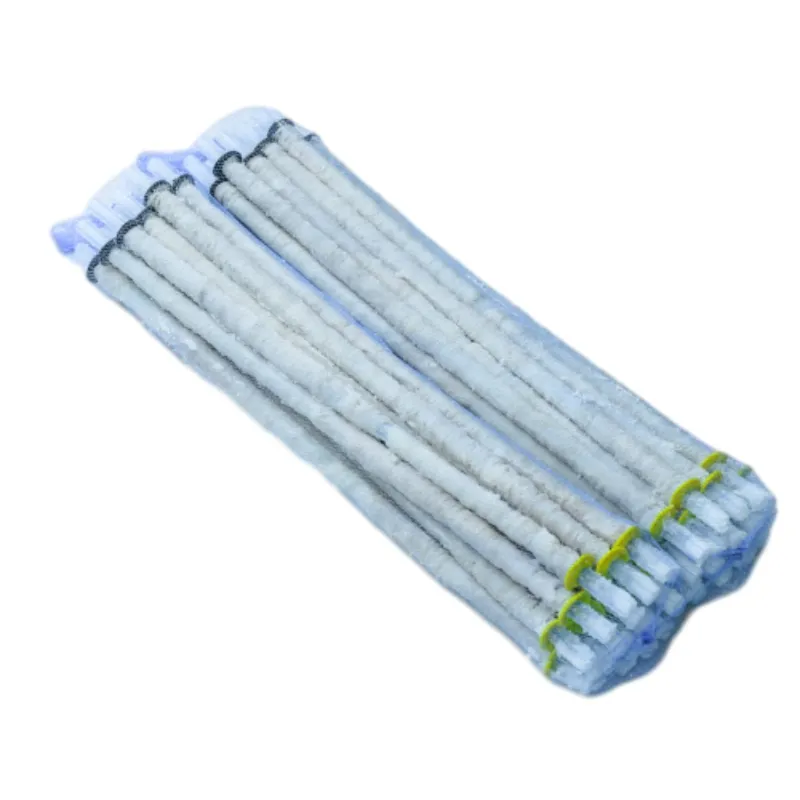
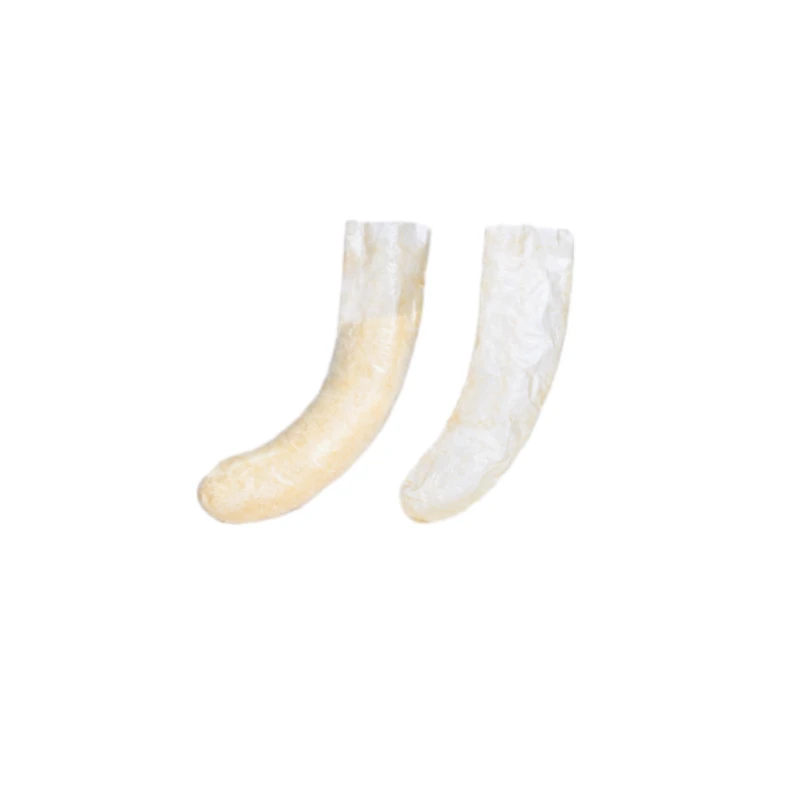
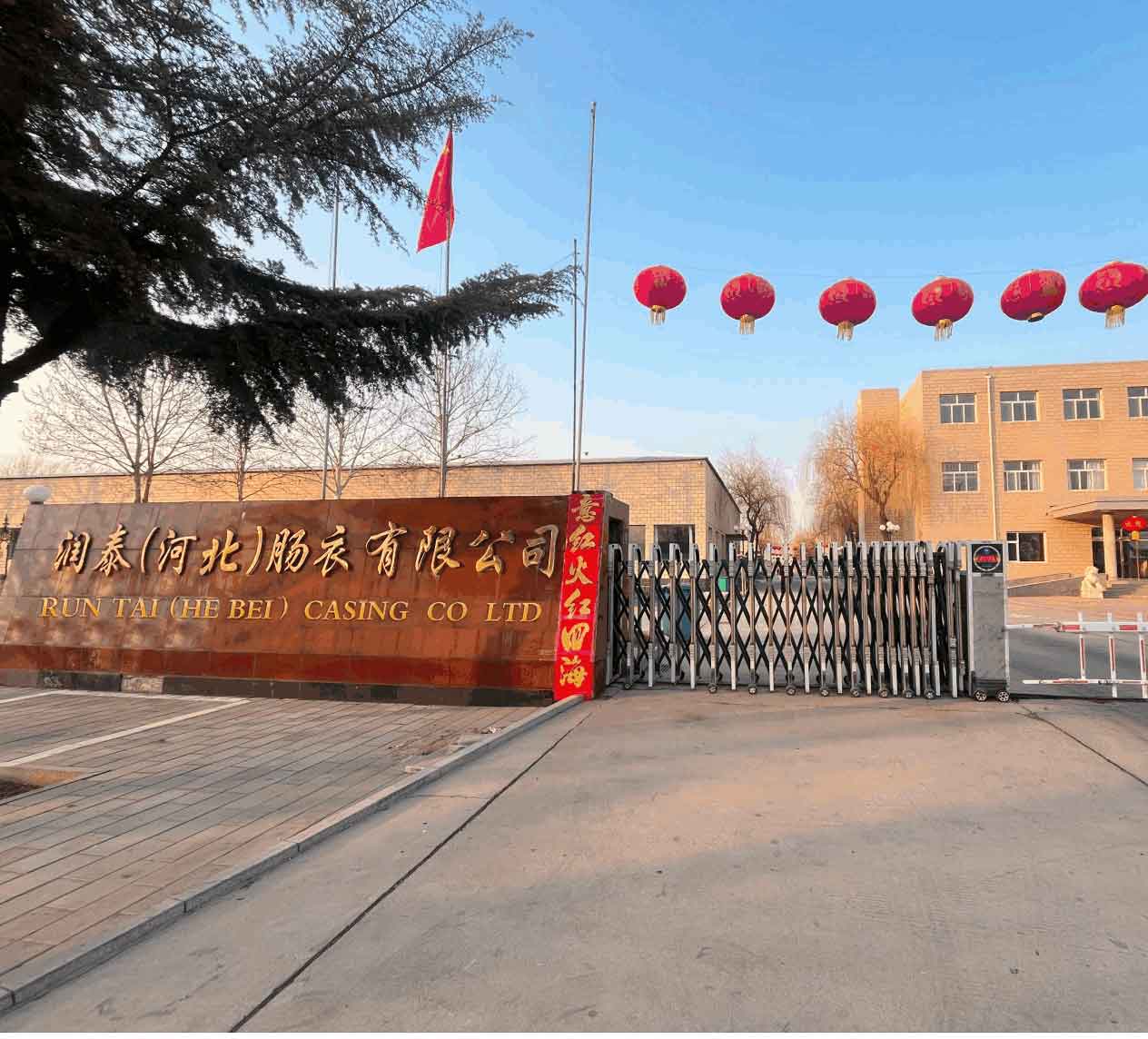
Runtai (Hebei) Casings Co., Ltd, etableret i 2003, har specialiseret sig i forarbejdning og eksport af naturlige pølsetarmer af høj kvalitet.
-
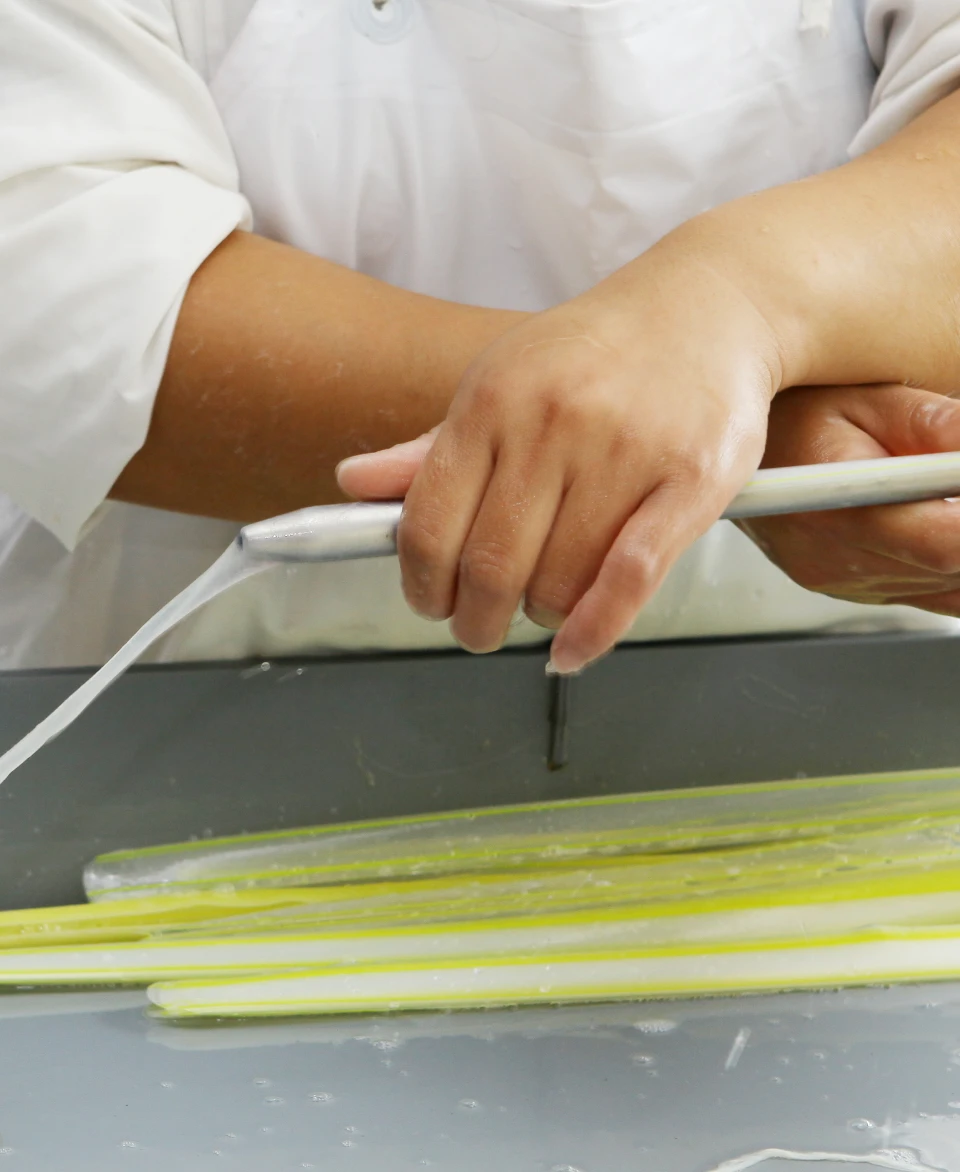

 Rig produktionserfaring
Runtai (Hebei) Casings Co., Ltd. blev etableret i juli 2003 og har mere end 20 års produktionserfaring.
-
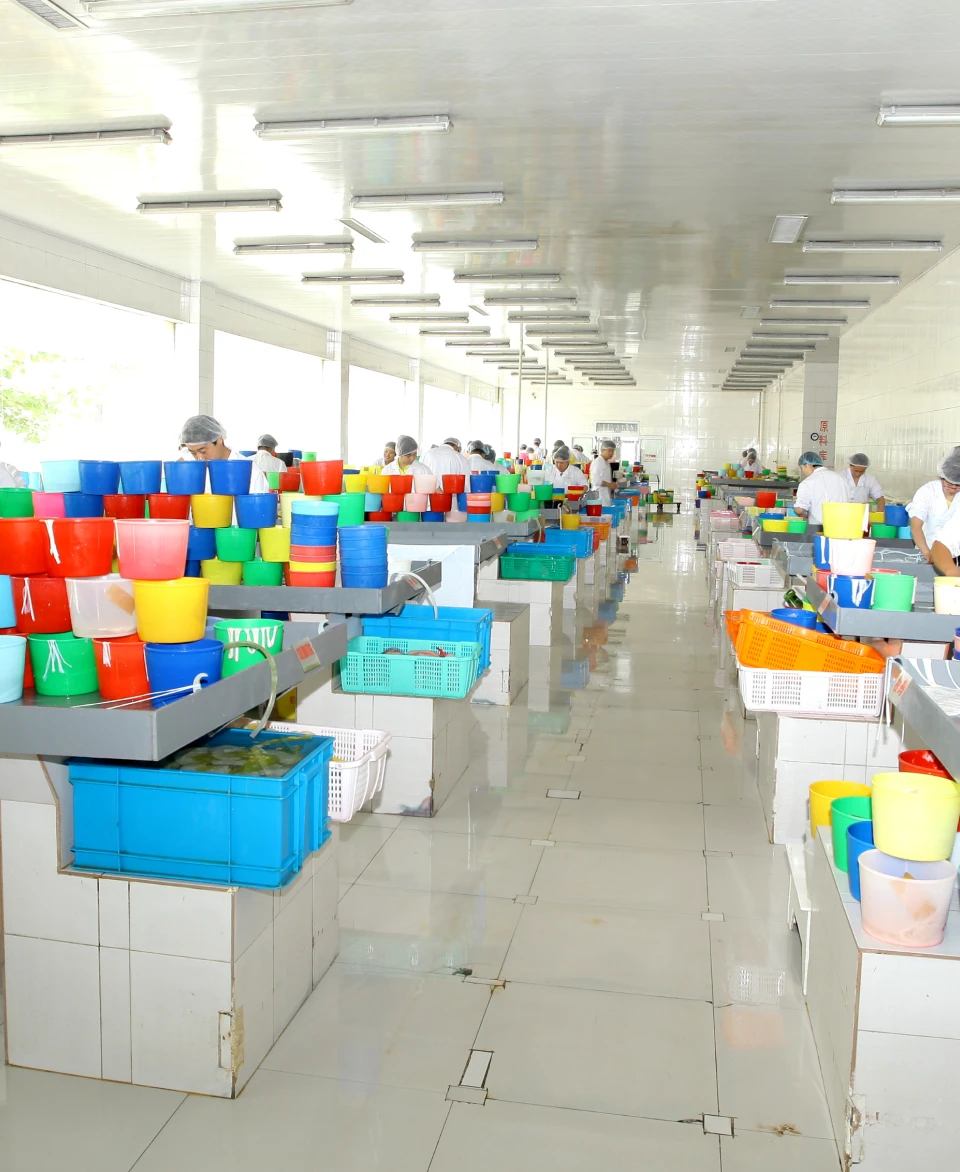

 Professionelle teknikere
Runtai (hebei) casings co., ltd har i alt 200 ansatte, herunder 170 faglærte medarbejdere og 30 ledende medarbejdere med akademiske eksamensbeviser.
-
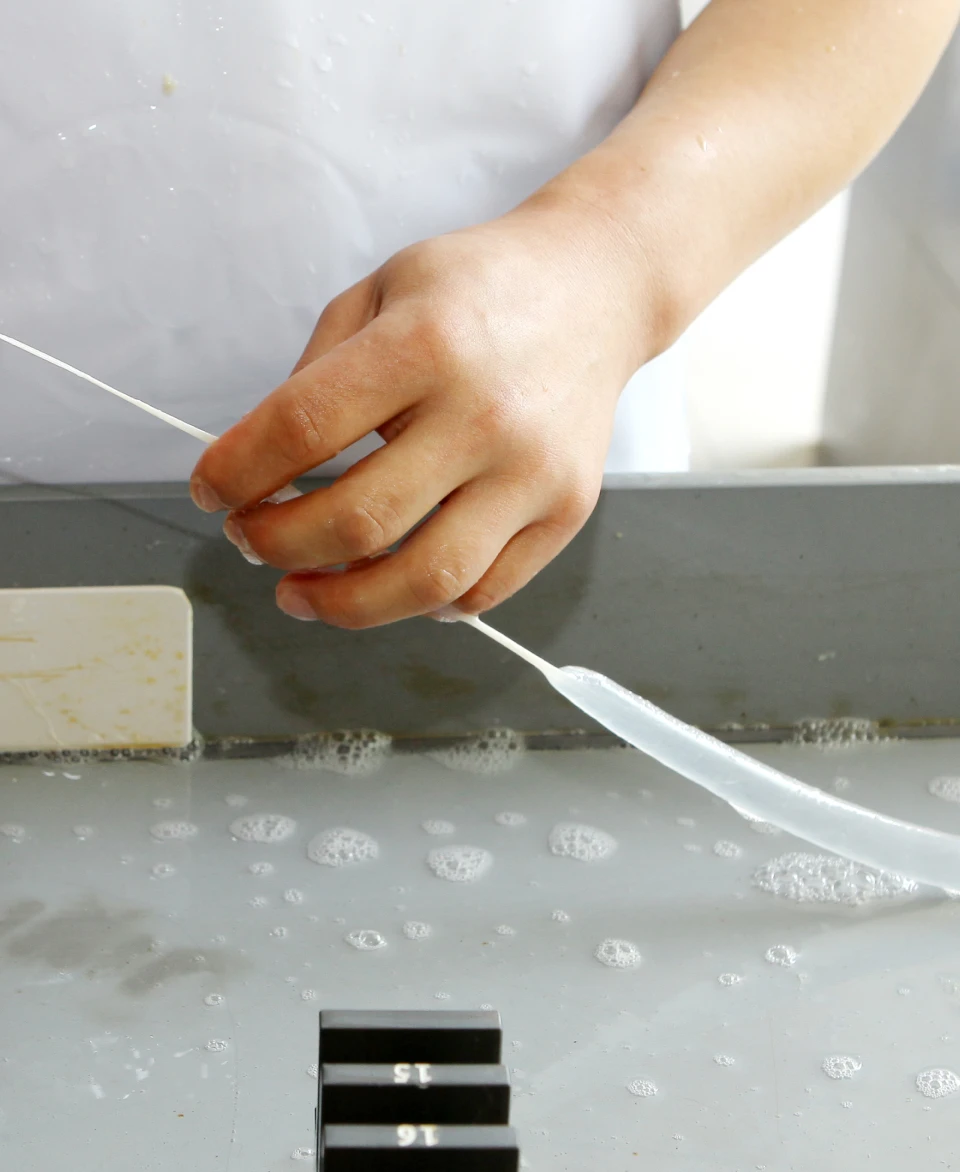

 Højt udbytte
Den årlige produktion beløber sig til 10.000 tønder saltede svinetarme, 2.000 tønder saltede fåretarme og 15 millioner stykker tørrede svinetarme i rør. Alle produkterne er hovedsageligt til eksport.
-
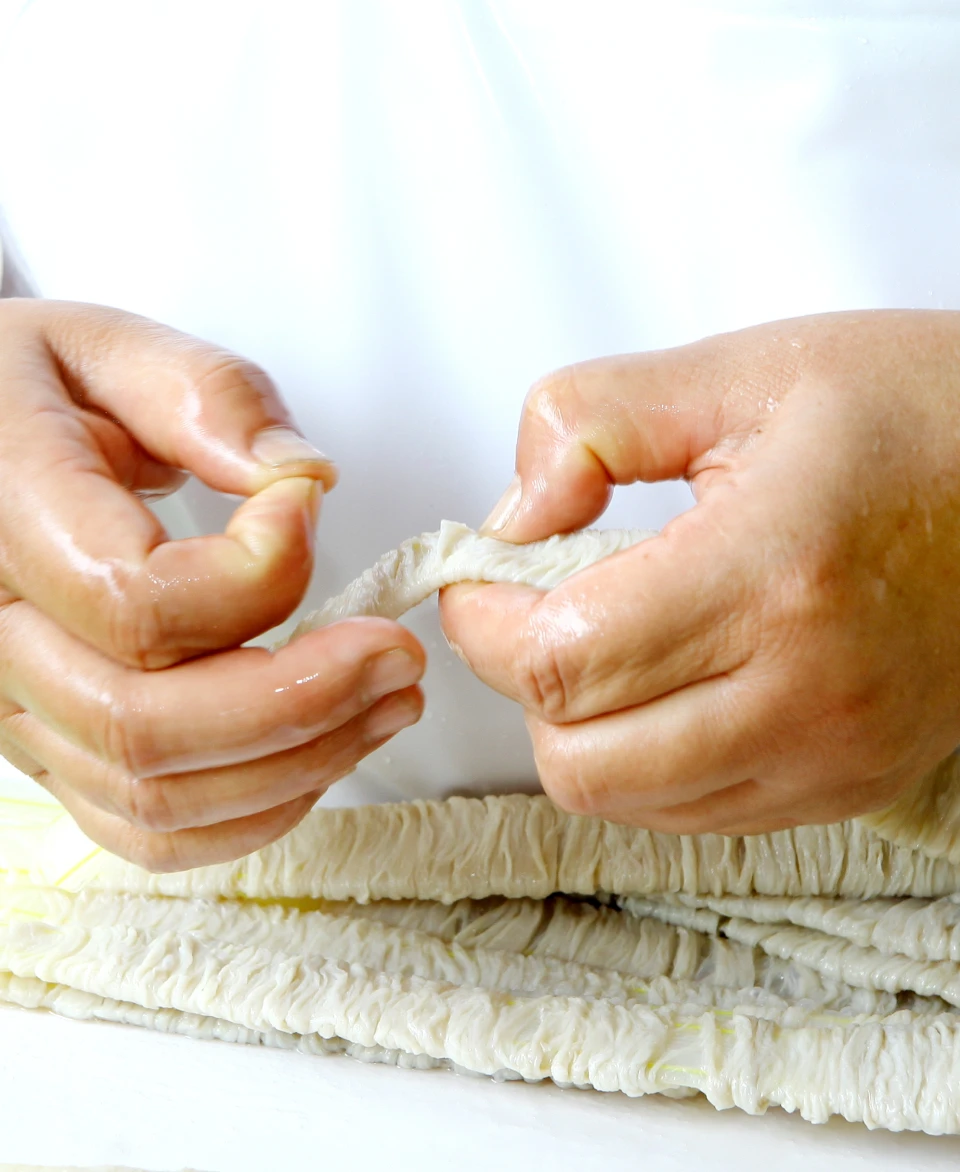

 Stor planteskala
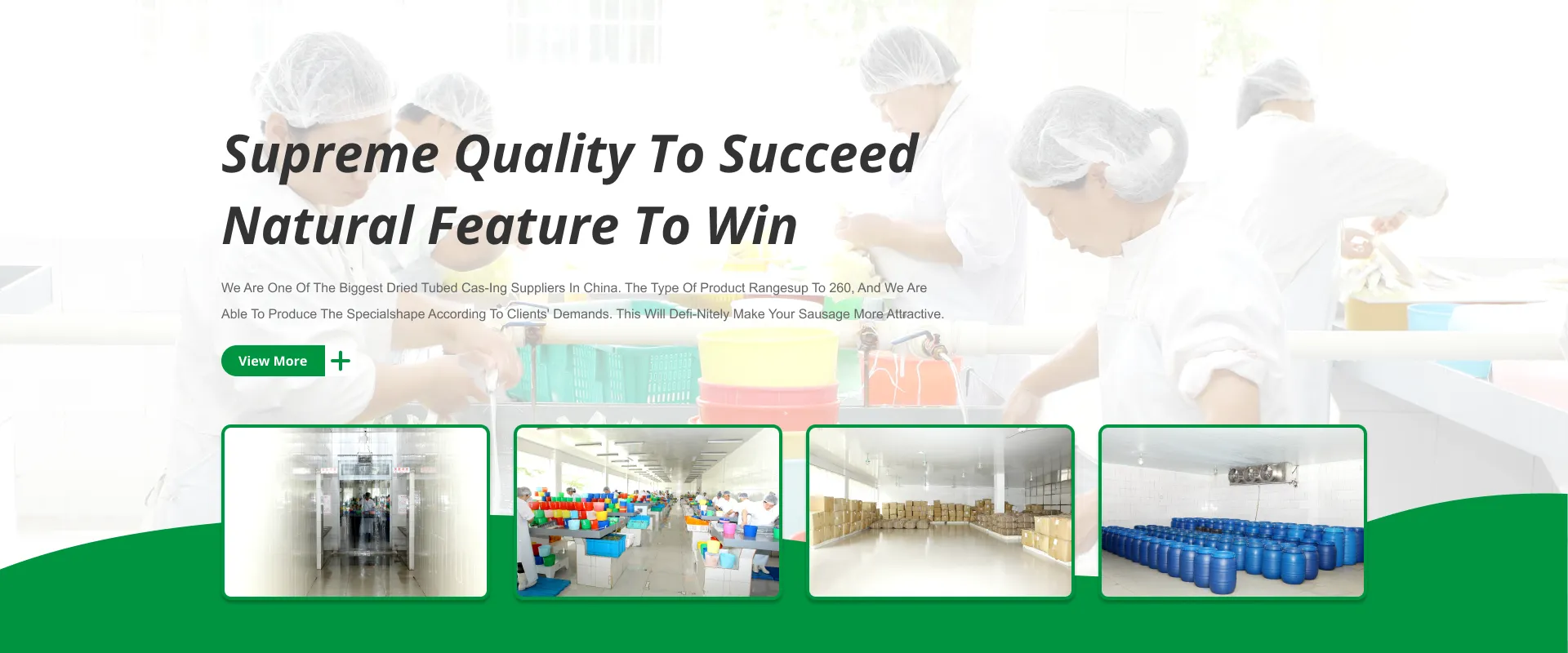
Vores virksomhed dækker et areal på 13.000 kvadratmeter med fire registrerede værksteder, der overholder EU's sundhedsstandarder. Hvert værksted er udstyret med et kølelager, der kan rumme 1200 tons varer.
Uanset om det drejer sig om tørrede eller saltede tarme, leverer Runtai holdbarhed, fleksibilitet og naturlig smag – perfekt til håndværksmæssig og industriel pølseproduktion.
-
 Apr . 16, 2026
In the world of industrial engineering and infrastructure, the process of making casing is a critical phase that ensures the structural integrity and longevity of wells, pipes, and protective housings. Whether it is for oil and gas exploration, water well drilling, or specialized mechanical shielding, high-quality casing prevents collapse and protects against external contaminants. This comprehensive guide will explore the technical nuances, material selections, and professional standards involved in the production of industrial casings to help you make informed procurement decisions for your next project.
-
 Apr . 09, 2026
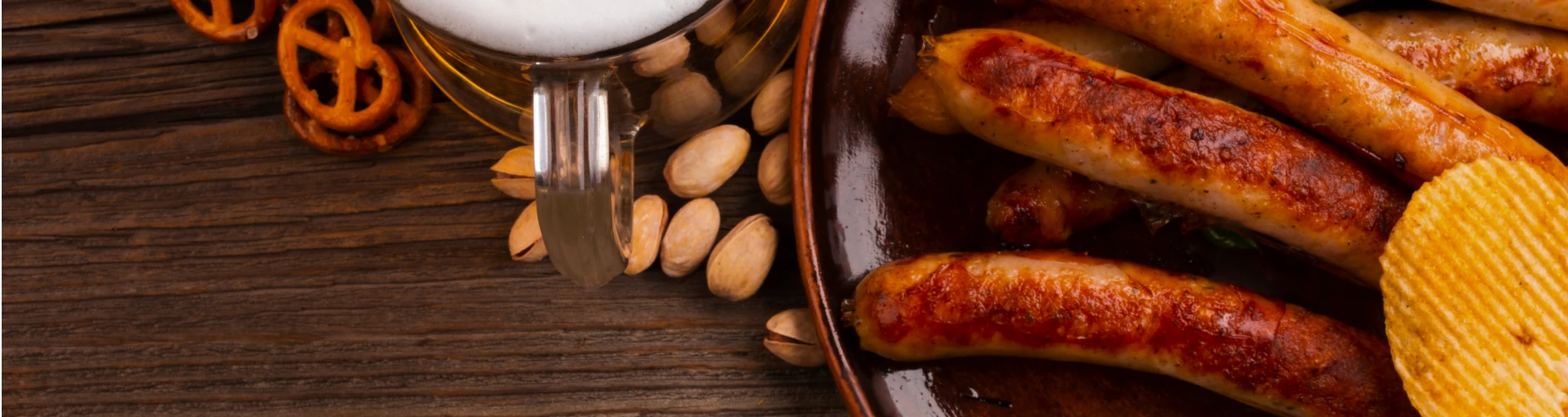
In the world of artisanal and industrial charcuterie, the quality of the casing is just as critical as the quality of the meat filling. Selecting the right intestines for sausage casings can determine the texture, snap, and overall shelf-life of your final product. Whether you are producing traditional bratwurst, spicy chorizo, or delicate breakfast links, understanding the nuances of natural casings is essential for consistency and taste. In this comprehensive guide, we will explore the different types of natural intestines, their specific applications, and how to ensure you are sourcing the highest grade materials for your business.
-
 Apr . 07, 2026
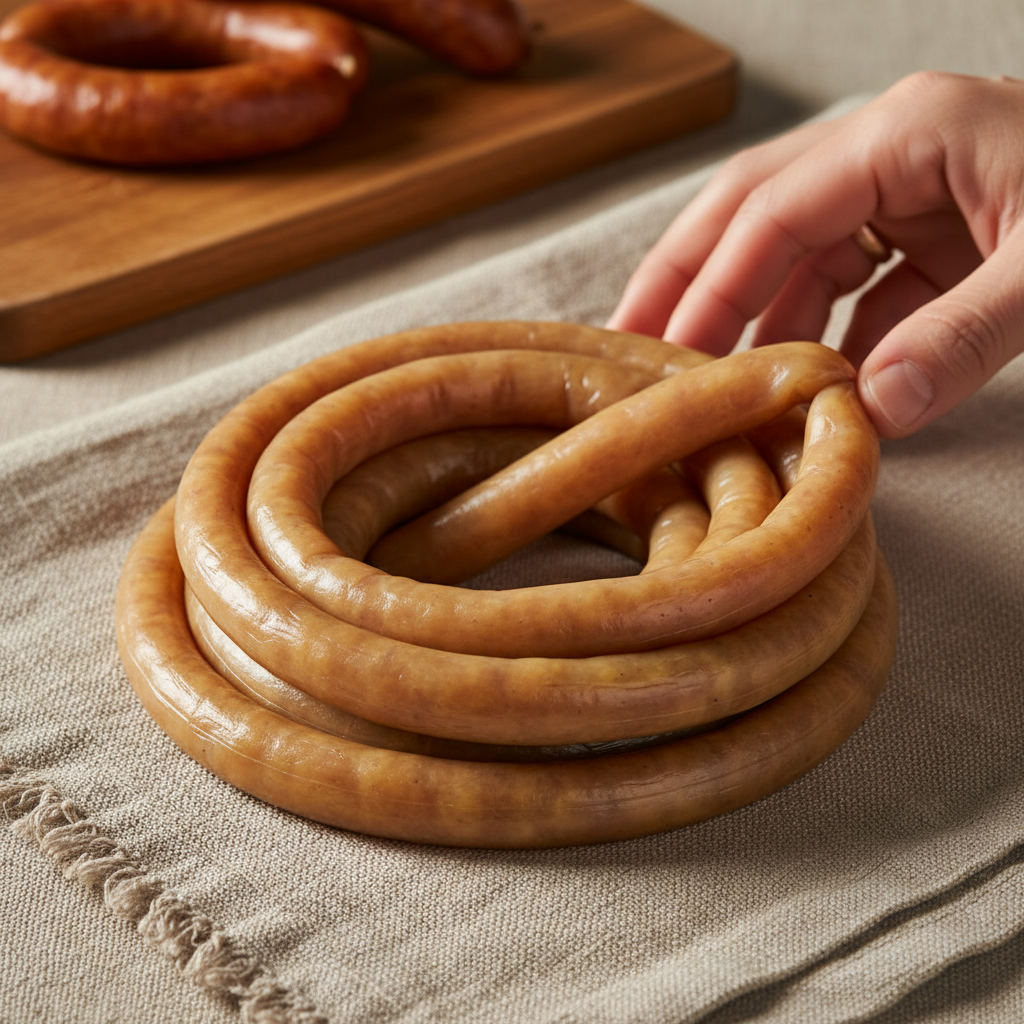
Intestine sausage casing is a vital component in sausage making, providing the necessary structure and texture for a wide variety of products. From traditional European sausages to modern American favorites, the casing plays a critical role in both the appearance and eating experience. This article delves into the different types of intestine sausage casing, their applications, advantages, and considerations for choosing the right casing for your specific needs.
In the world of industrial engineering and infrastructure, the process of making casing is a critical phase that ensures the structural integrity and longevity of wells, pipes, and protective housings. Whether it is for oil and gas exploration, water well drilling, or specialized mechanical shielding, high-quality casing prevents collapse and protects against external contaminants. This comprehensive guide will explore the technical nuances, material selections, and professional standards involved in the production of industrial casings to help you make informed procurement decisions for your next project.
In the world of artisanal and industrial charcuterie, the quality of the casing is just as critical as the quality of the meat filling. Selecting the right intestines for sausage casings can determine the texture, snap, and overall shelf-life of your final product. Whether you are producing traditional bratwurst, spicy chorizo, or delicate breakfast links, understanding the nuances of natural casings is essential for consistency and taste. In this comprehensive guide, we will explore the different types of natural intestines, their specific applications, and how to ensure you are sourcing the highest grade materials for your business.
Intestine sausage casing is a vital component in sausage making, providing the necessary structure and texture for a wide variety of products. From traditional European sausages to modern American favorites, the casing plays a critical role in both the appearance and eating experience. This article delves into the different types of intestine sausage casing, their applications, advantages, and considerations for choosing the right casing for your specific needs.

Intestinal casing, also known as sausage casing, is a vital component in meat processing, playing a crucial role in the creation of sausages and other processed meat products. It’s more than just a wrapper; it influences the texture, flavor, and overall quality of the final product. At RTCasing, we specialize in providing high-quality intestinal casings to meet the diverse needs of our global clientele. This article will explore the types, applications, benefits, and sourcing of intestinal casings, offering a detailed understanding for both industry professionals and those curious about this essential food ingredient.


