


Több mint
20
Évek tapasztalata
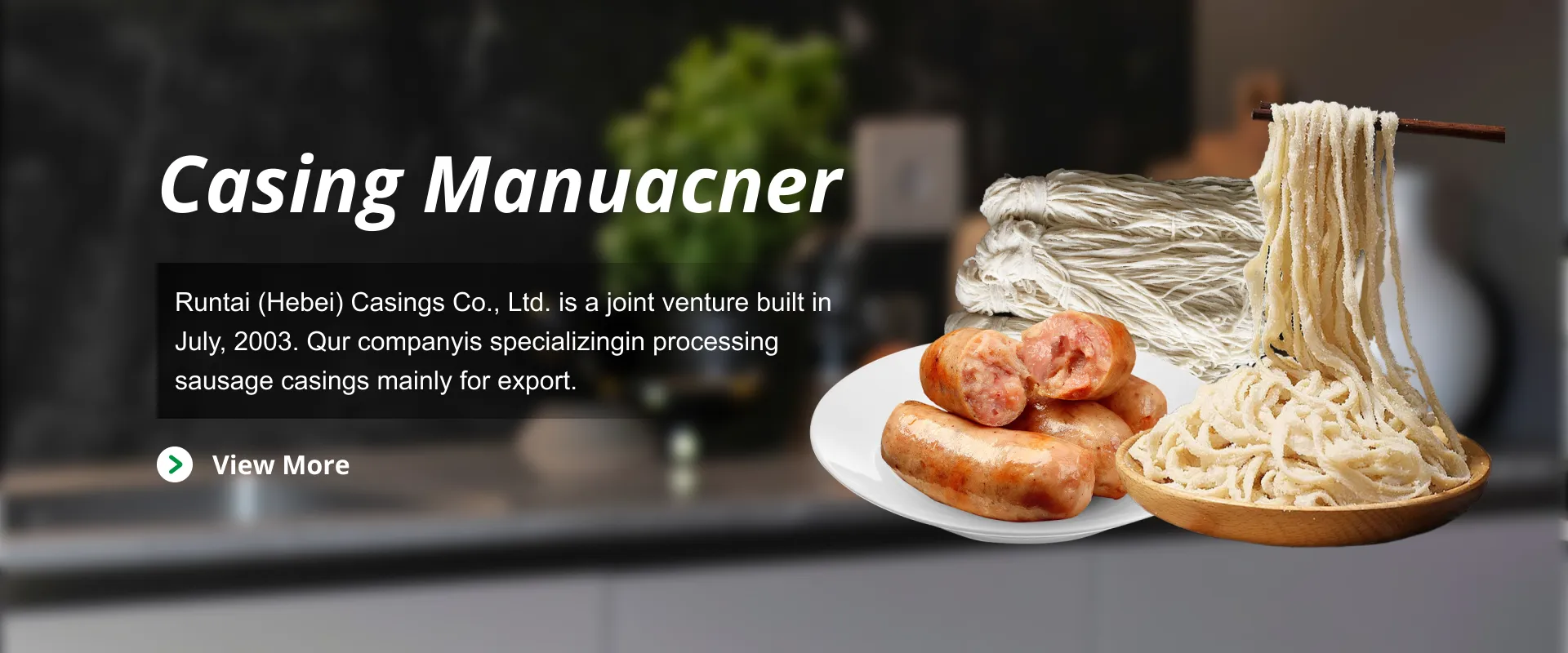
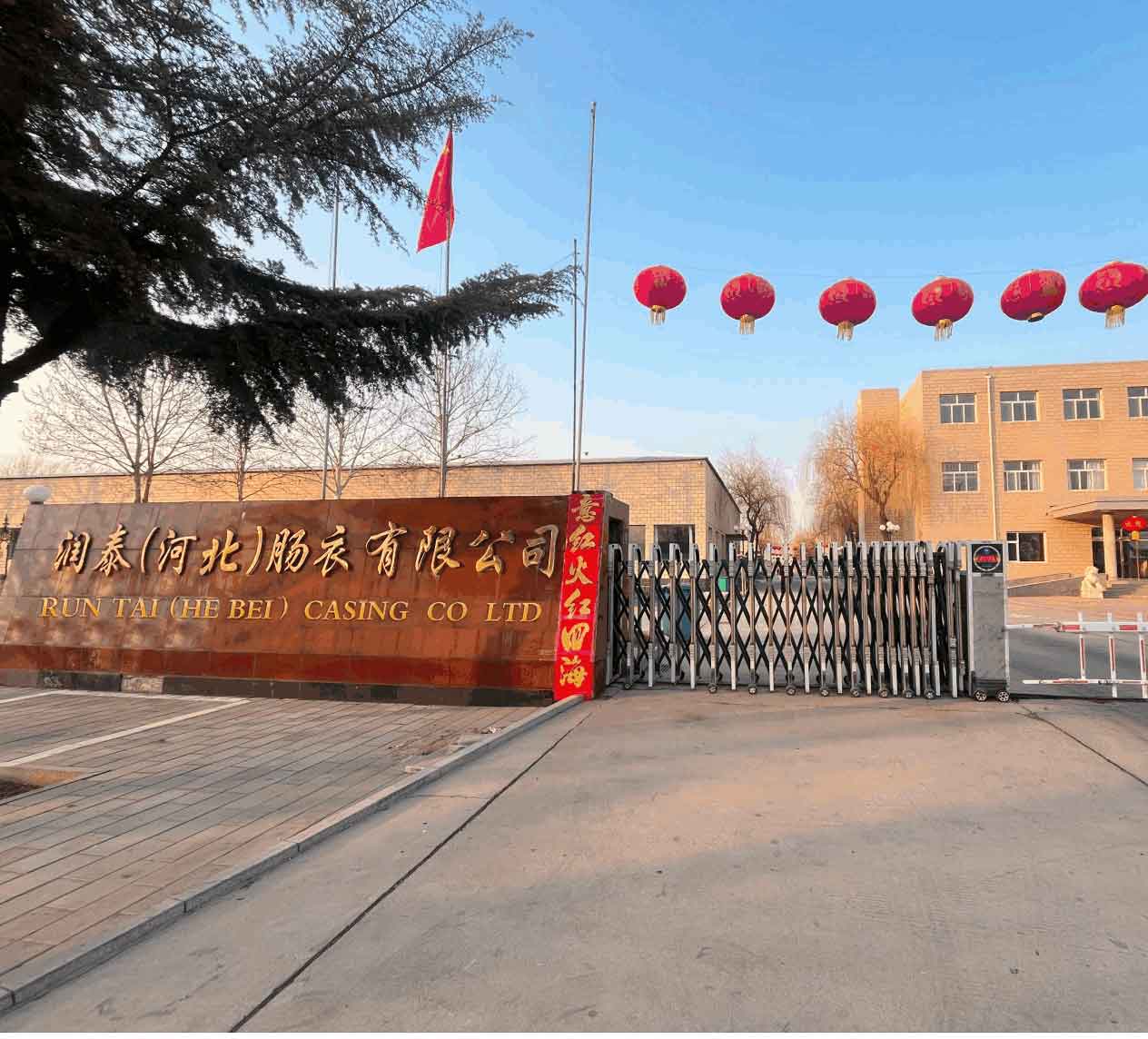
Amely főként exportra szánt kolbászbél feldolgozására specializálódott. Tagjai vagyunk a Nemzetközi Természetes Kolbászbél Szövetségnek. Beleimportra és exportra vagyunk jogosultak, és kijelölt gyárként külföldi bélfeldolgozási minősítéssel rendelkezünk. Shunping megye nyugati részén található, a nyugati Baofu út közelében, 210 km-re Pekingtől és 260 km-re Tiencsintől. A közlekedés nagyon kényelmes, a környezet pedig meglehetősen gyönyörű.
Shunping megye nyugati részén található, a nyugati irányban elhaladó Baofu út közelében, 210 km-re Pekingtől és 260 km-re Tiencsintől. A közlekedés nagyon kényelmes, és a környezet meglehetősen gyönyörű.
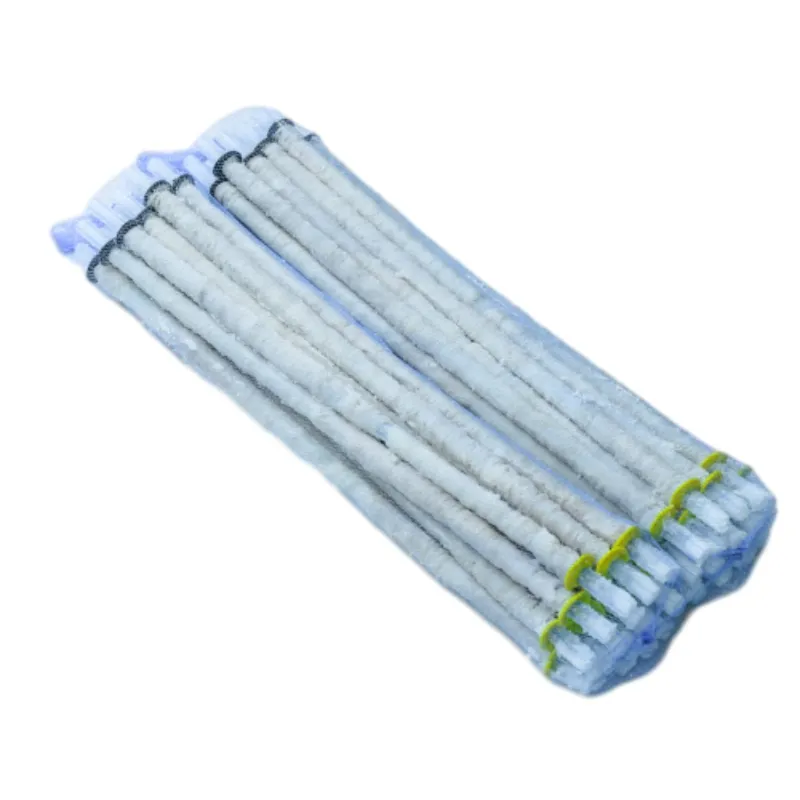
A fő termékek közé tartoznak a sózott sertésbél, a sózott juhbél és a különféle száraz bél.
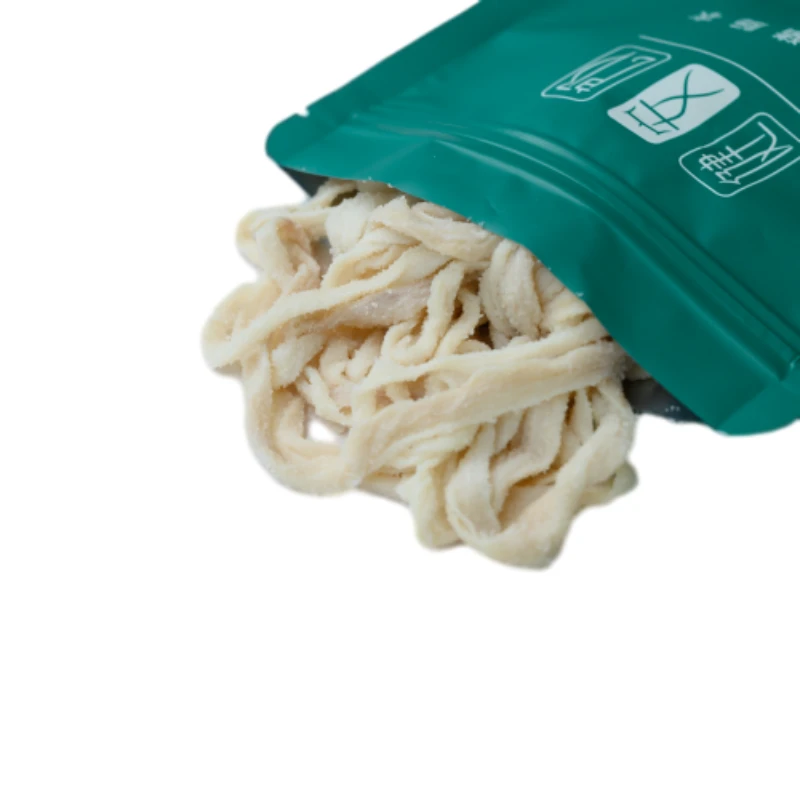
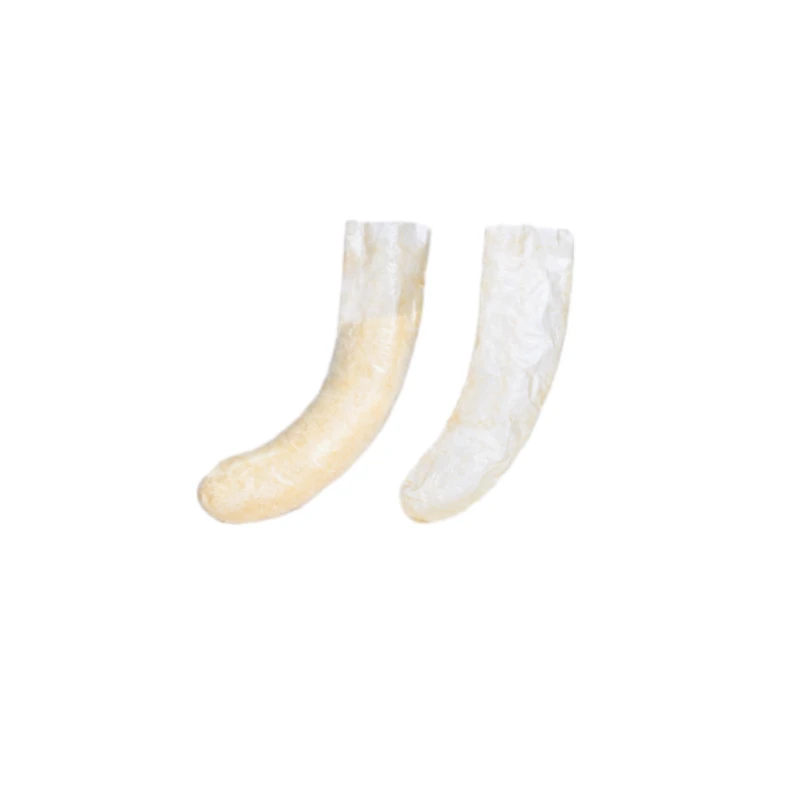
A 2003-ban alapított Runtai (Hebei) Casings Co., Ltd. kiváló minőségű természetes kolbászbél feldolgozására és exportjára specializálódott.
-
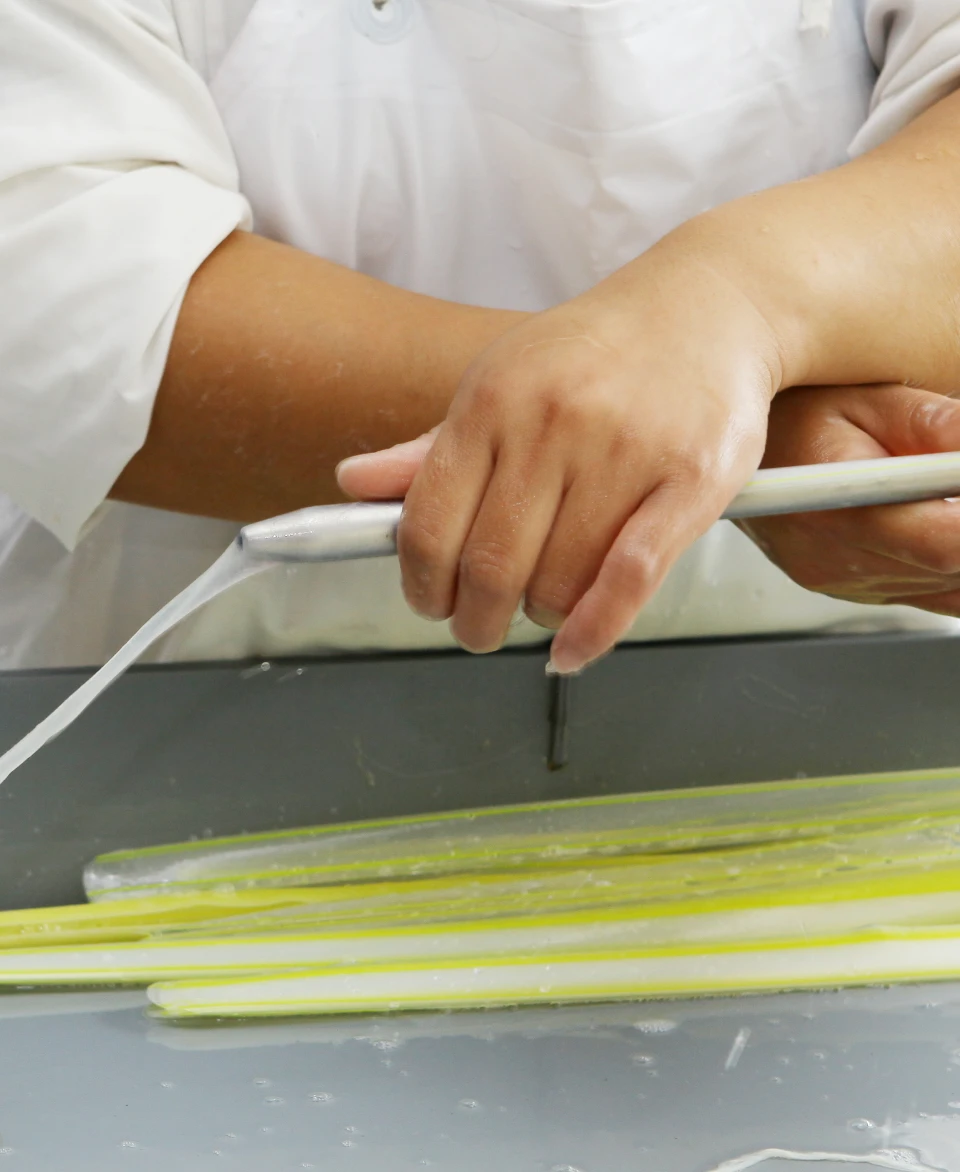

 Gazdag gyártási tapasztalat
A Runtai (Hebei) burkolatok Kft.-t 2003 júliusában alapították, több mint 20 éves gyártási tapasztalattal.
-
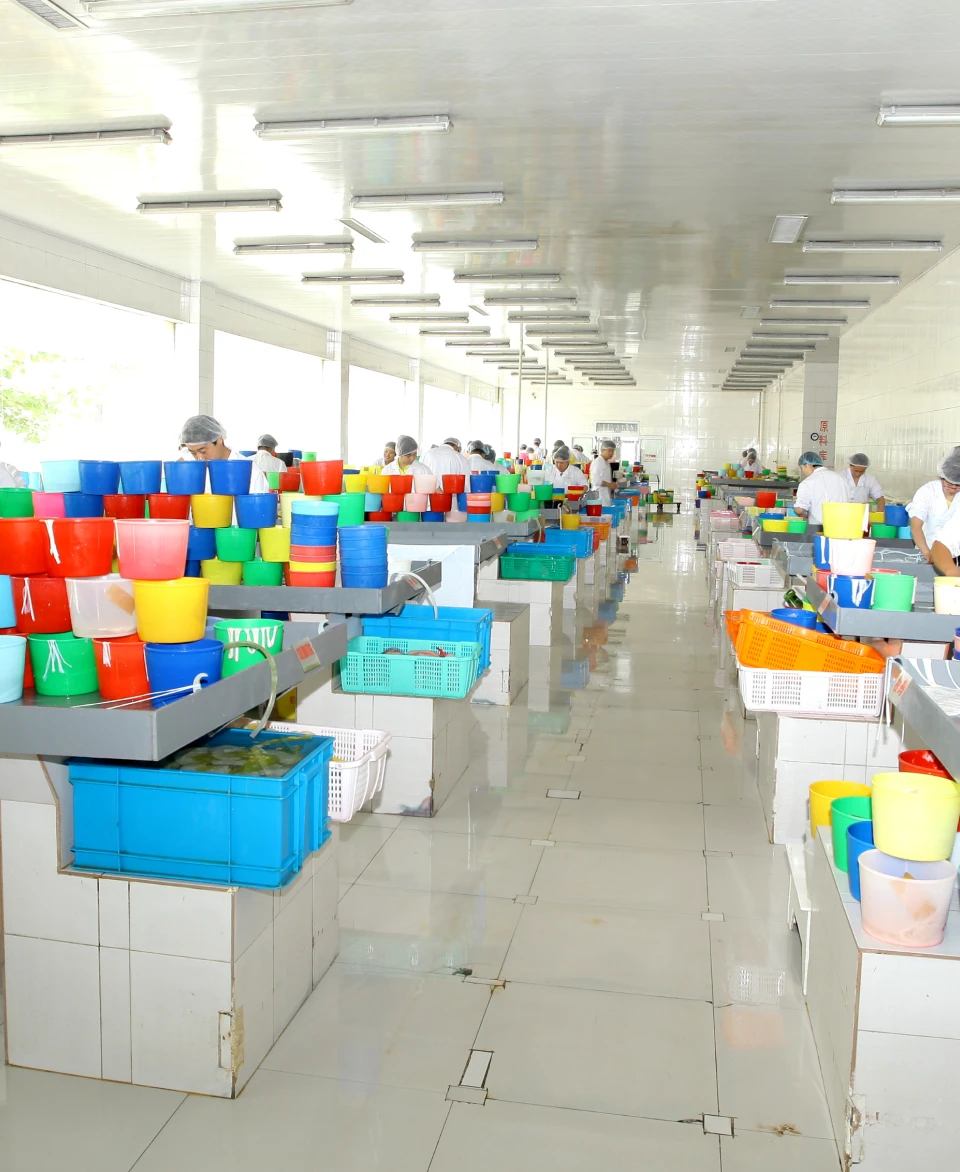

 Szakképzett technikusok
A Runtai (Hebei) Casings Co., Ltd. összesen 200 alkalmazottat foglalkoztat, beleértve 170 szakképzett munkást és 30 felsőfokú végzettséggel rendelkező vezetőt.
-
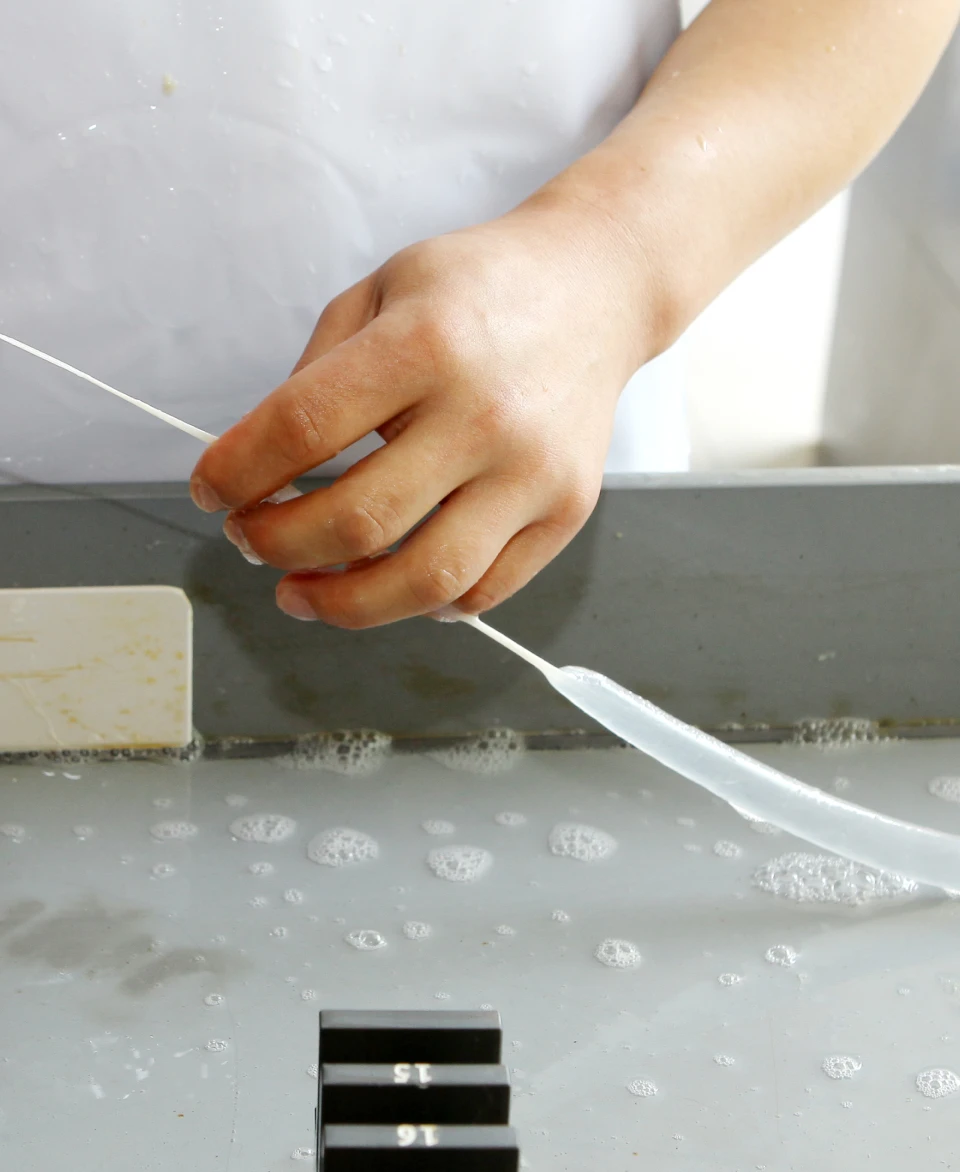

 Magas hozam
Az éves termelés 10 000 hordó sózott sertésbél, 2 000 hordó sózott birkabél és 15 millió darab szárított, csőben kitöltött sertésbél. Minden termék nagy részét exportra szánják.
-
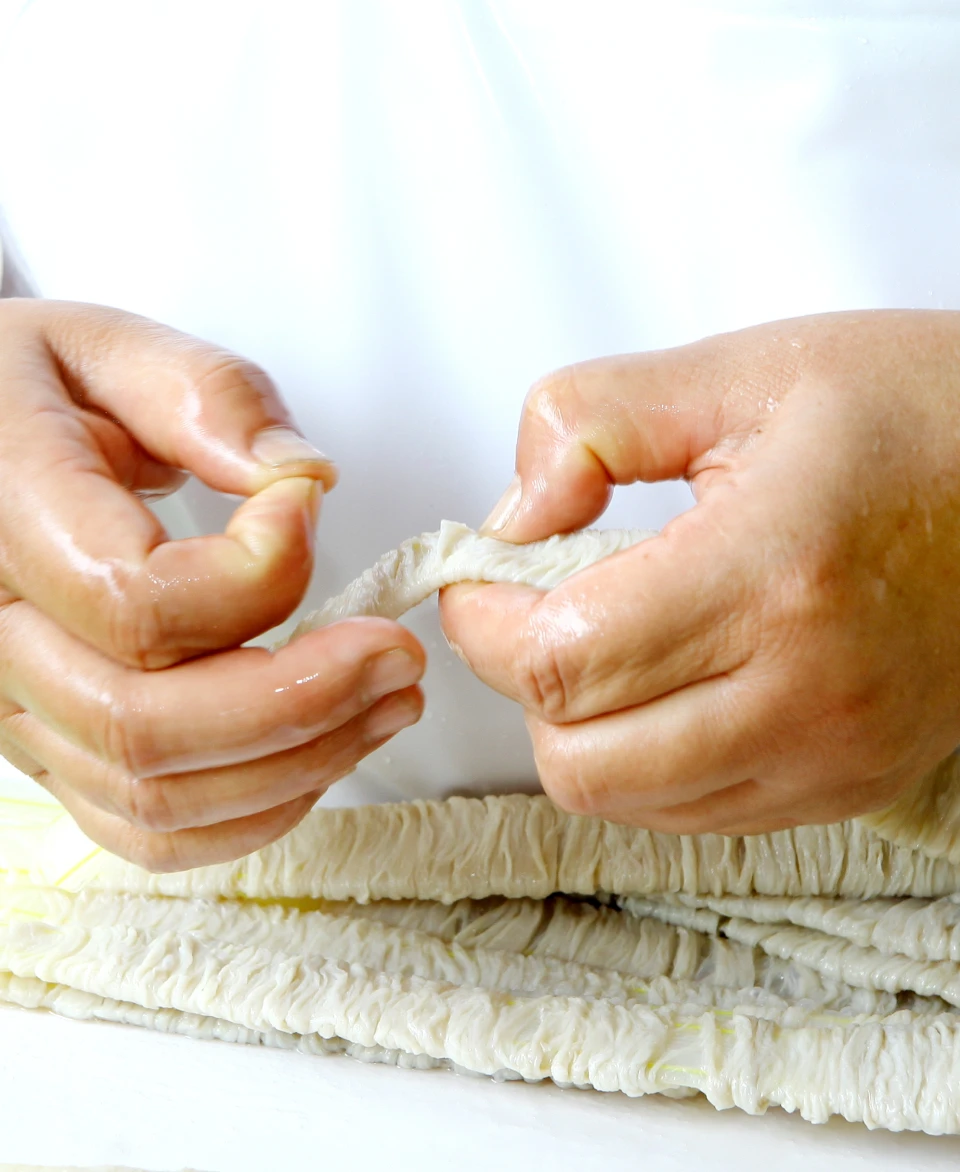

 Nagy üzemi lépték
Cégünk 13 000 négyzetméteres területen fekszik, négy regisztrált, az EU egészségügyi előírásainak megfelelő műhellyel rendelkezik, mindegyik műhely 1200 tonna áru befogadására alkalmas hűtőraktárral van felszerelve.
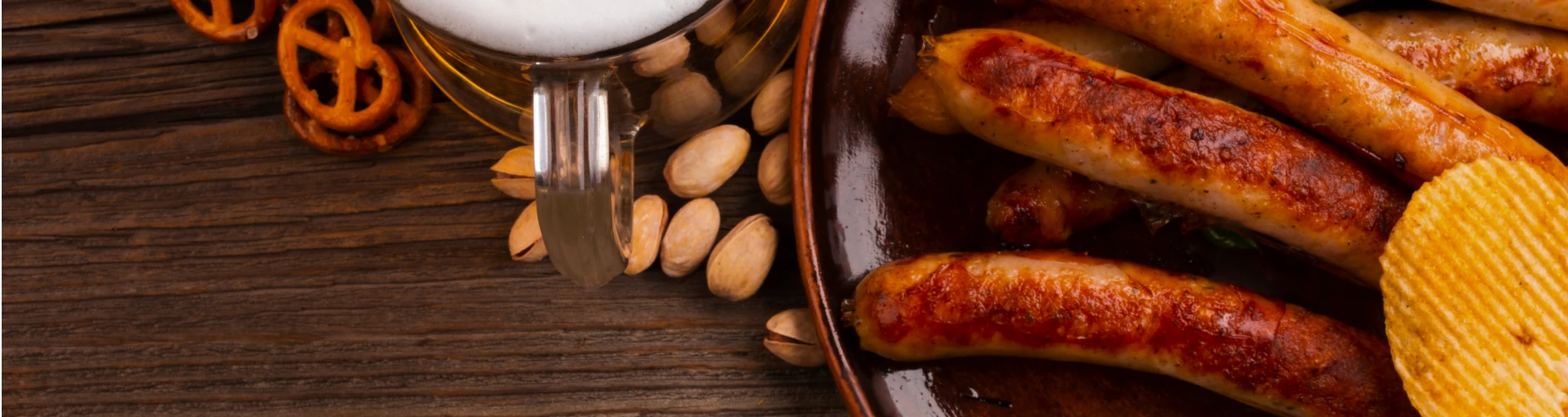
Akár szárított, akár sózott belekről van szó, a Runtai tartósságot, rugalmasságot és természetes ízt biztosít – tökéletes a kézműves és ipari kolbászgyártáshoz.
-
 Apr . 16, 2026
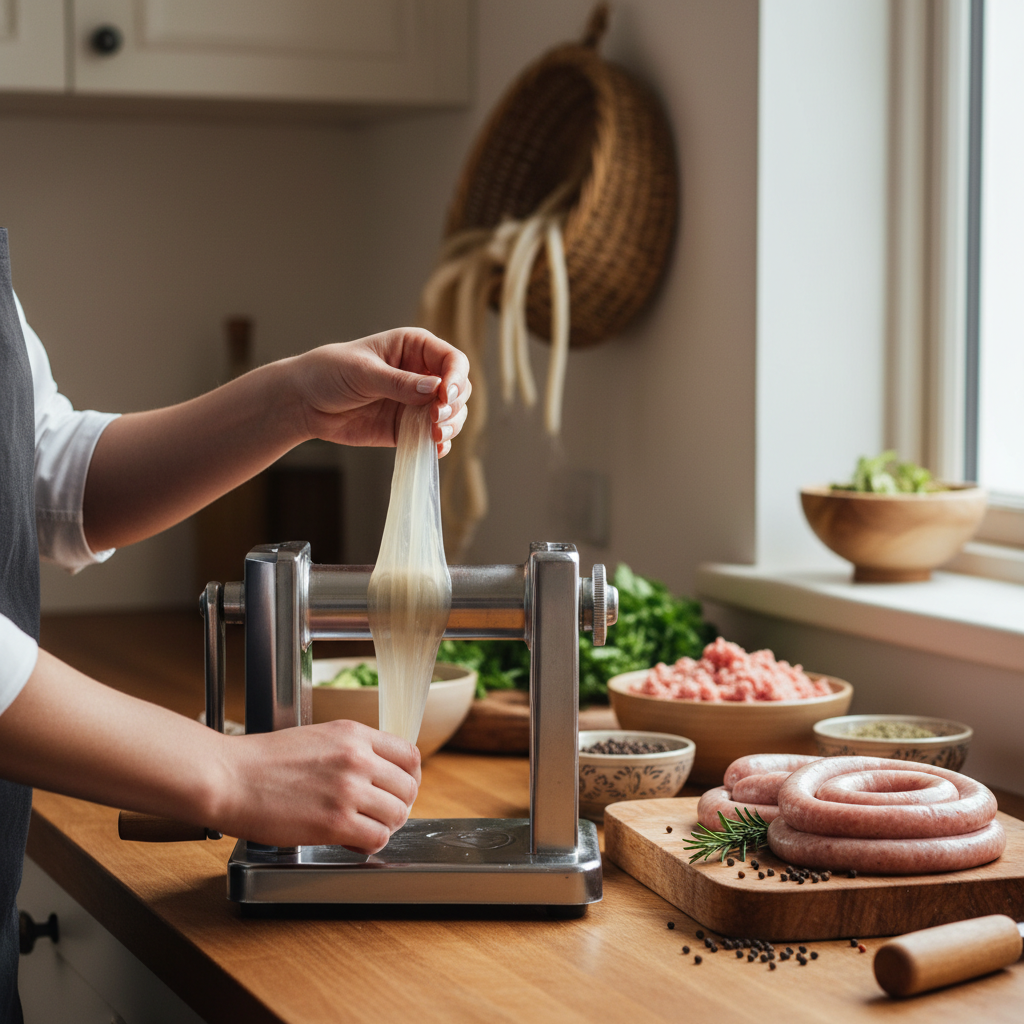
In the world of industrial engineering and infrastructure, the process of making casing is a critical phase that ensures the structural integrity and longevity of wells, pipes, and protective housings. Whether it is for oil and gas exploration, water well drilling, or specialized mechanical shielding, high-quality casing prevents collapse and protects against external contaminants. This comprehensive guide will explore the technical nuances, material selections, and professional standards involved in the production of industrial casings to help you make informed procurement decisions for your next project.
-
 Apr . 09, 2026
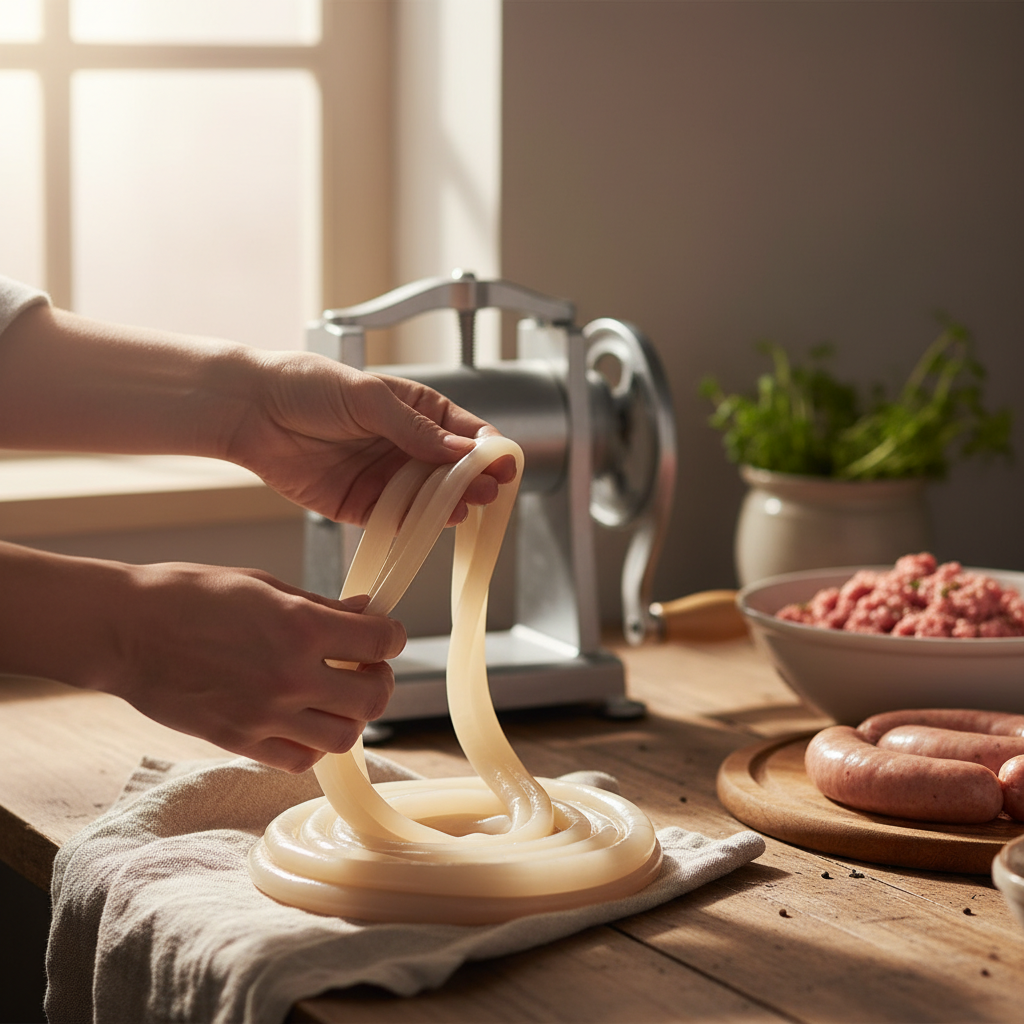
In the world of artisanal and industrial charcuterie, the quality of the casing is just as critical as the quality of the meat filling. Selecting the right intestines for sausage casings can determine the texture, snap, and overall shelf-life of your final product. Whether you are producing traditional bratwurst, spicy chorizo, or delicate breakfast links, understanding the nuances of natural casings is essential for consistency and taste. In this comprehensive guide, we will explore the different types of natural intestines, their specific applications, and how to ensure you are sourcing the highest grade materials for your business.
-
 Apr . 07, 2026
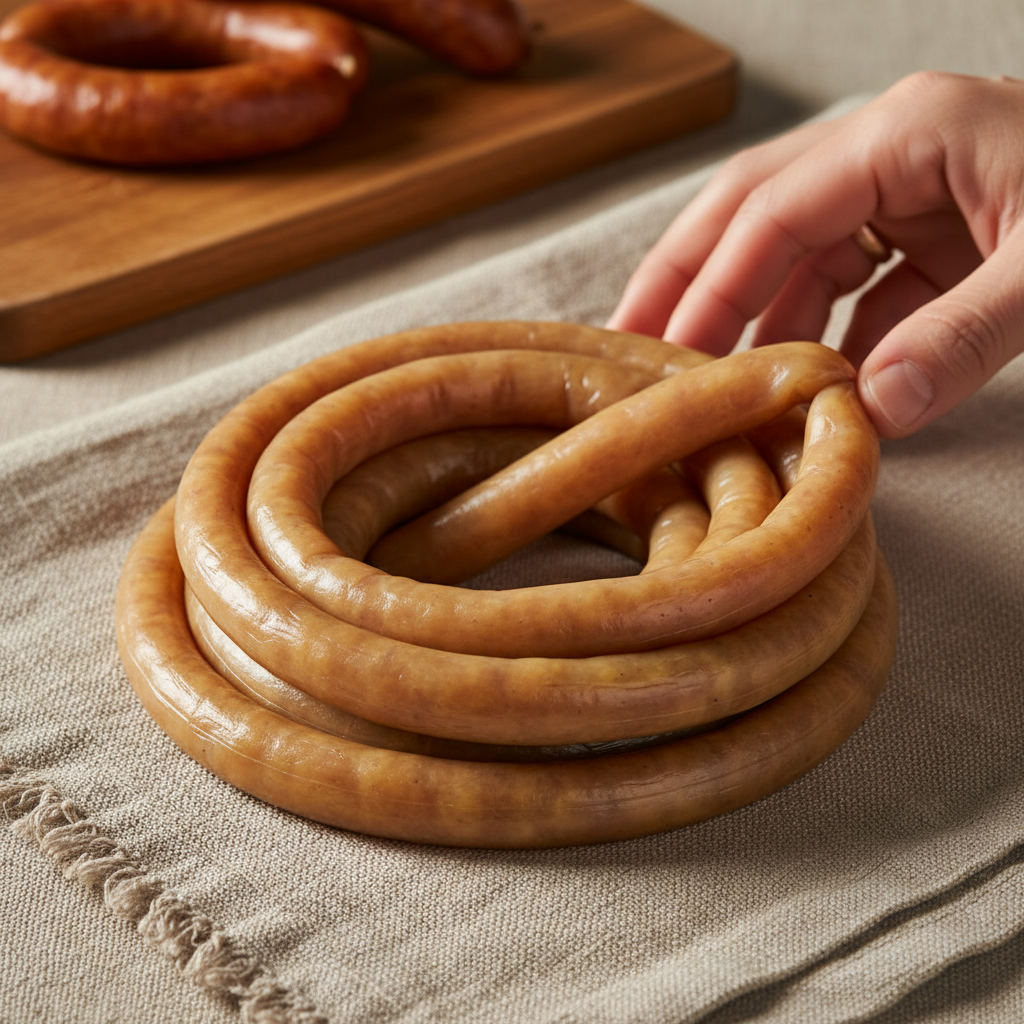
Intestine sausage casing is a vital component in sausage making, providing the necessary structure and texture for a wide variety of products. From traditional European sausages to modern American favorites, the casing plays a critical role in both the appearance and eating experience. This article delves into the different types of intestine sausage casing, their applications, advantages, and considerations for choosing the right casing for your specific needs.
In the world of industrial engineering and infrastructure, the process of making casing is a critical phase that ensures the structural integrity and longevity of wells, pipes, and protective housings. Whether it is for oil and gas exploration, water well drilling, or specialized mechanical shielding, high-quality casing prevents collapse and protects against external contaminants. This comprehensive guide will explore the technical nuances, material selections, and professional standards involved in the production of industrial casings to help you make informed procurement decisions for your next project.
In the world of artisanal and industrial charcuterie, the quality of the casing is just as critical as the quality of the meat filling. Selecting the right intestines for sausage casings can determine the texture, snap, and overall shelf-life of your final product. Whether you are producing traditional bratwurst, spicy chorizo, or delicate breakfast links, understanding the nuances of natural casings is essential for consistency and taste. In this comprehensive guide, we will explore the different types of natural intestines, their specific applications, and how to ensure you are sourcing the highest grade materials for your business.
Intestine sausage casing is a vital component in sausage making, providing the necessary structure and texture for a wide variety of products. From traditional European sausages to modern American favorites, the casing plays a critical role in both the appearance and eating experience. This article delves into the different types of intestine sausage casing, their applications, advantages, and considerations for choosing the right casing for your specific needs.

Intestinal casing, also known as sausage casing, is a vital component in meat processing, playing a crucial role in the creation of sausages and other processed meat products. It’s more than just a wrapper; it influences the texture, flavor, and overall quality of the final product. At RTCasing, we specialize in providing high-quality intestinal casings to meet the diverse needs of our global clientele. This article will explore the types, applications, benefits, and sourcing of intestinal casings, offering a detailed understanding for both industry professionals and those curious about this essential food ingredient.


