

Rohkem kui
20
Aastatepikkune kogemus
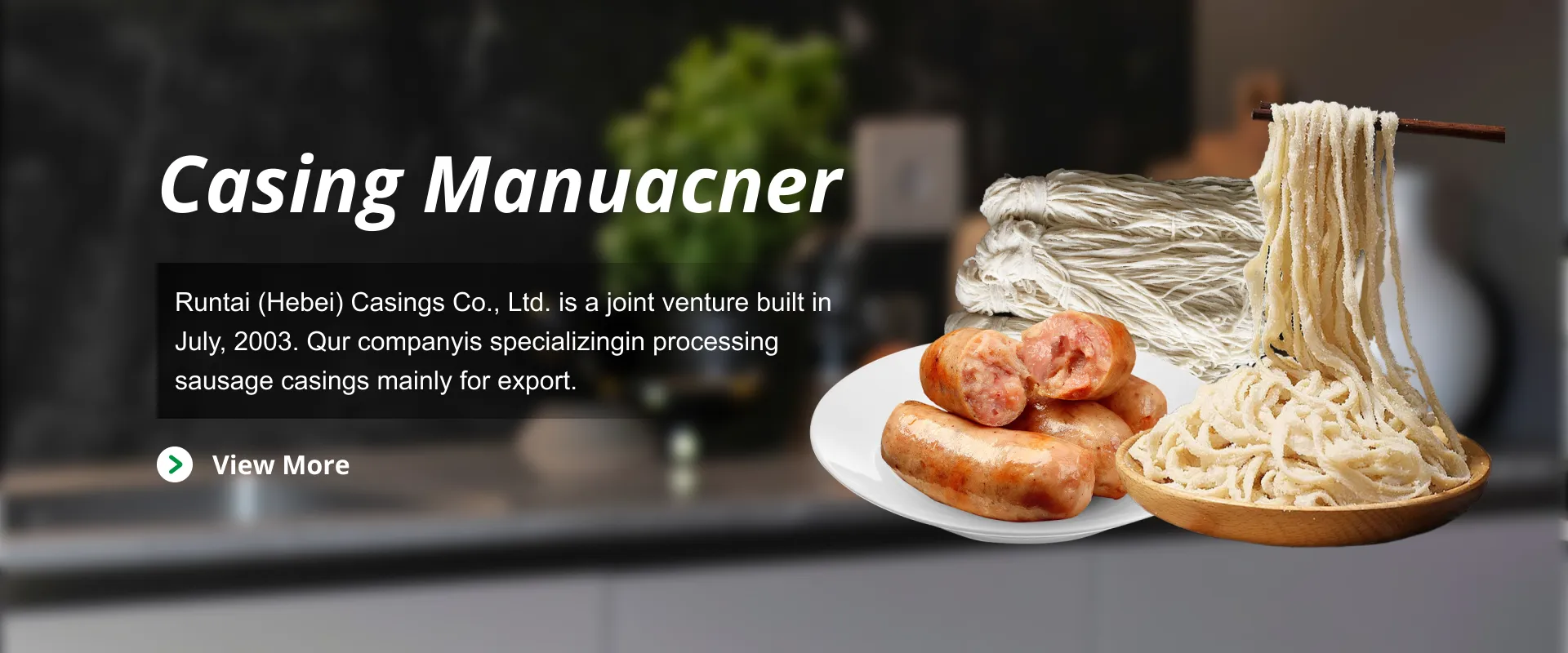
Mis on spetsialiseerunud vorstikestade töötlemisele peamiselt ekspordiks. Oleme rahvusvahelise naturaalsete vorstikestade ühenduse liige. Meil on õigus importida ja eksportida vorstikestasid ning meil on volitatud töötlema välismaiseid vorstikestasid. See asub Shunpingi maakonna lääneosas, Baofu tee lähedal, 210 km kaugusel Pekingist ja 260 km kaugusel Tianjinist. Transport on väga mugav ja ümbruskond on üsna ilus.
See asub Shunpingi maakonna lääneosas, läänes kulgeva Baofu tee lähedal. Pekingist 210 km ja Tianjinist 260 km kaugusel. Transport on väga mugav ja ümbruskond on üsna ilus.
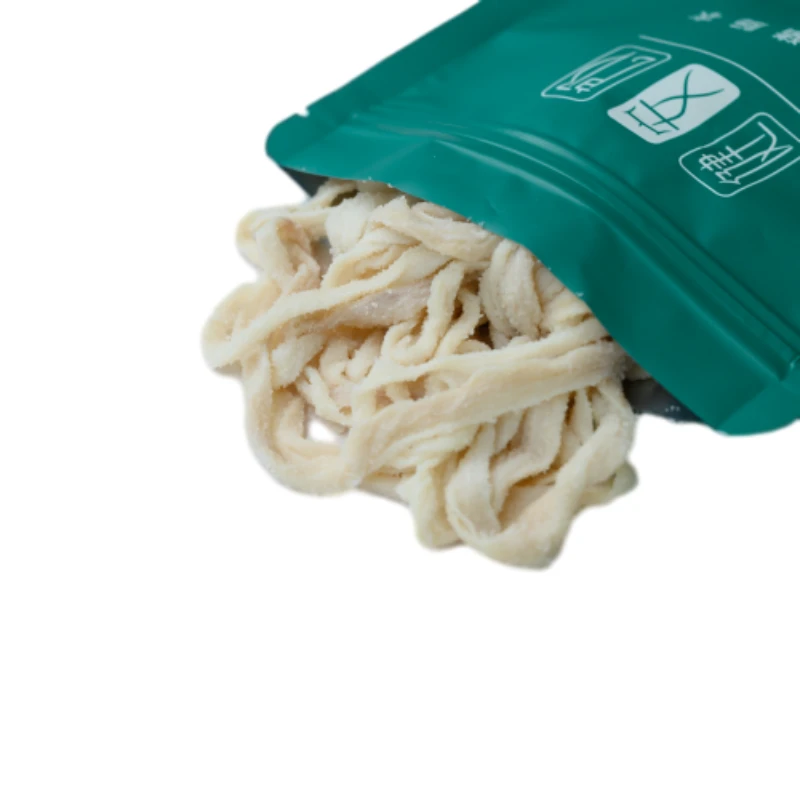
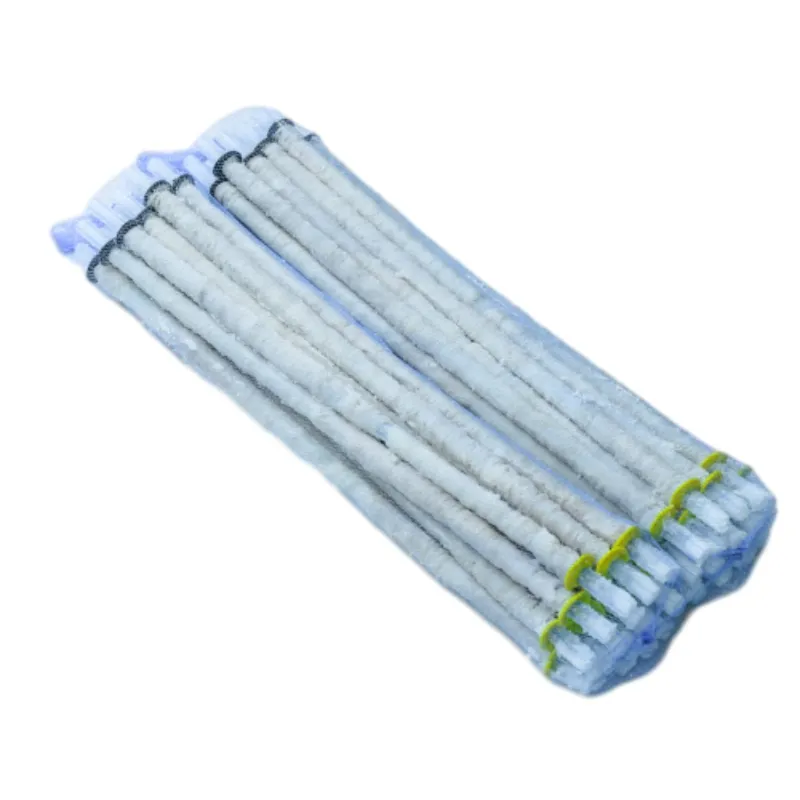
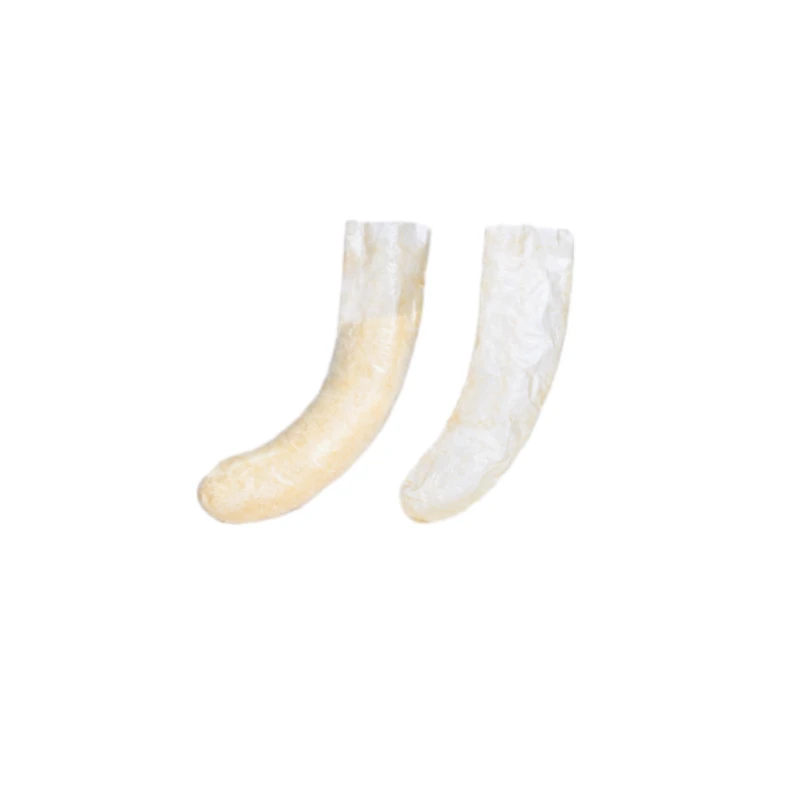
Peamised tooted on soolatud seasooled, soolatud lambasooled ja mitmesugused kuivsooled.
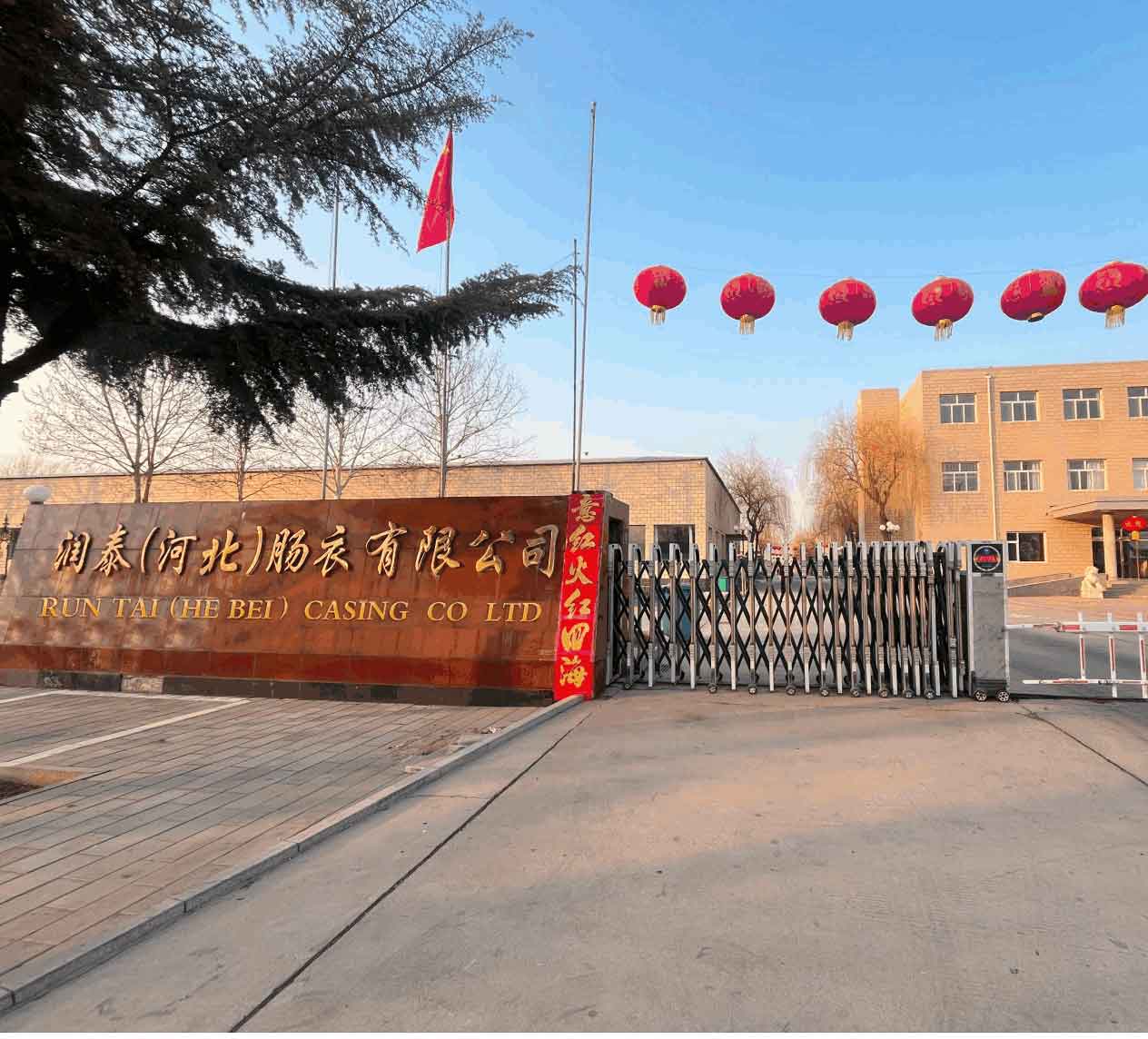
Runtai (Hebei) Casings Co., Ltd, mis asutati 2003. aastal, on spetsialiseerunud kvaliteetsete naturaalsete vorstikestade töötlemisele ja ekspordile.
-
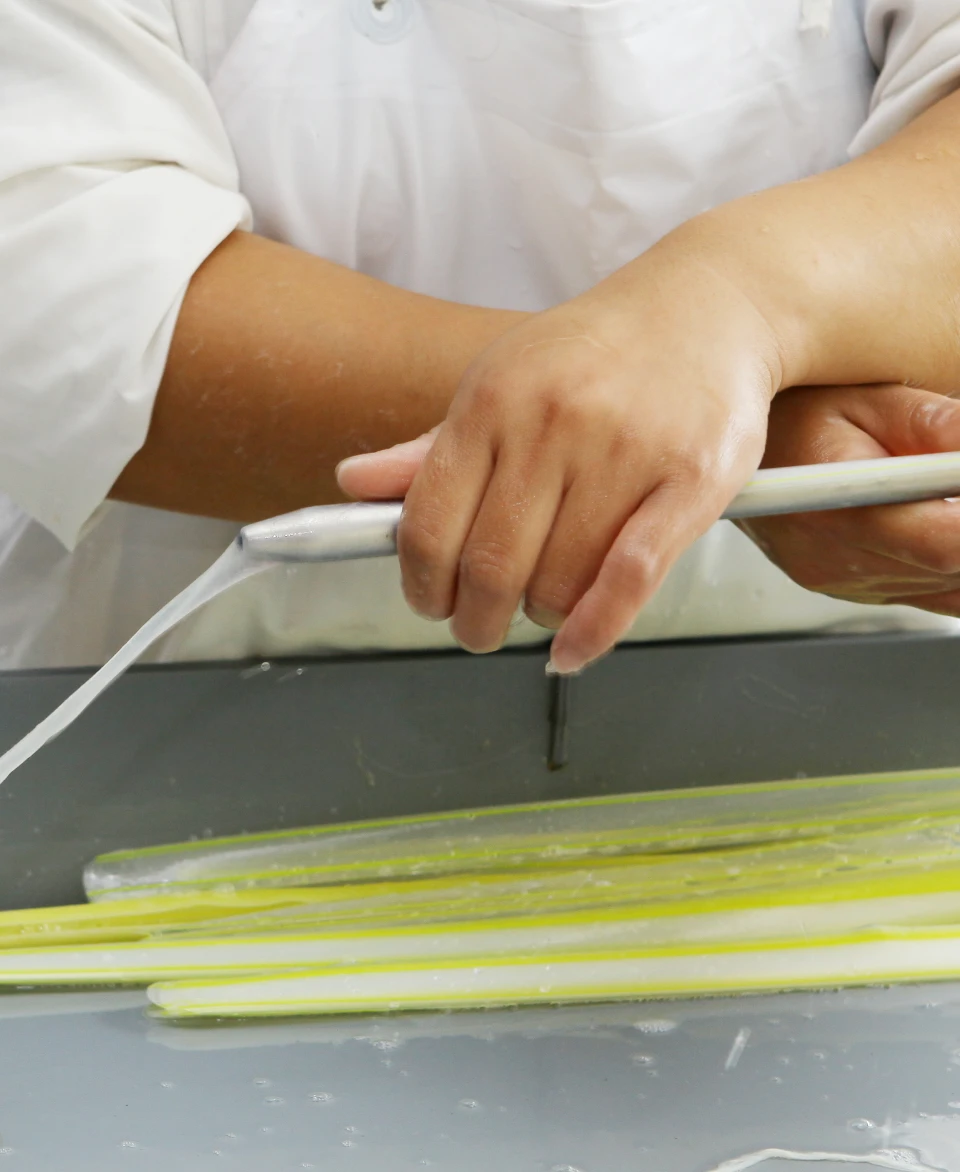

 Rikkalik tootmiskogemus
Runtai (Hebei) korpuste ettevõte asutati 2003. aasta juulis, meil on üle 20 aasta tootmiskogemust.
-
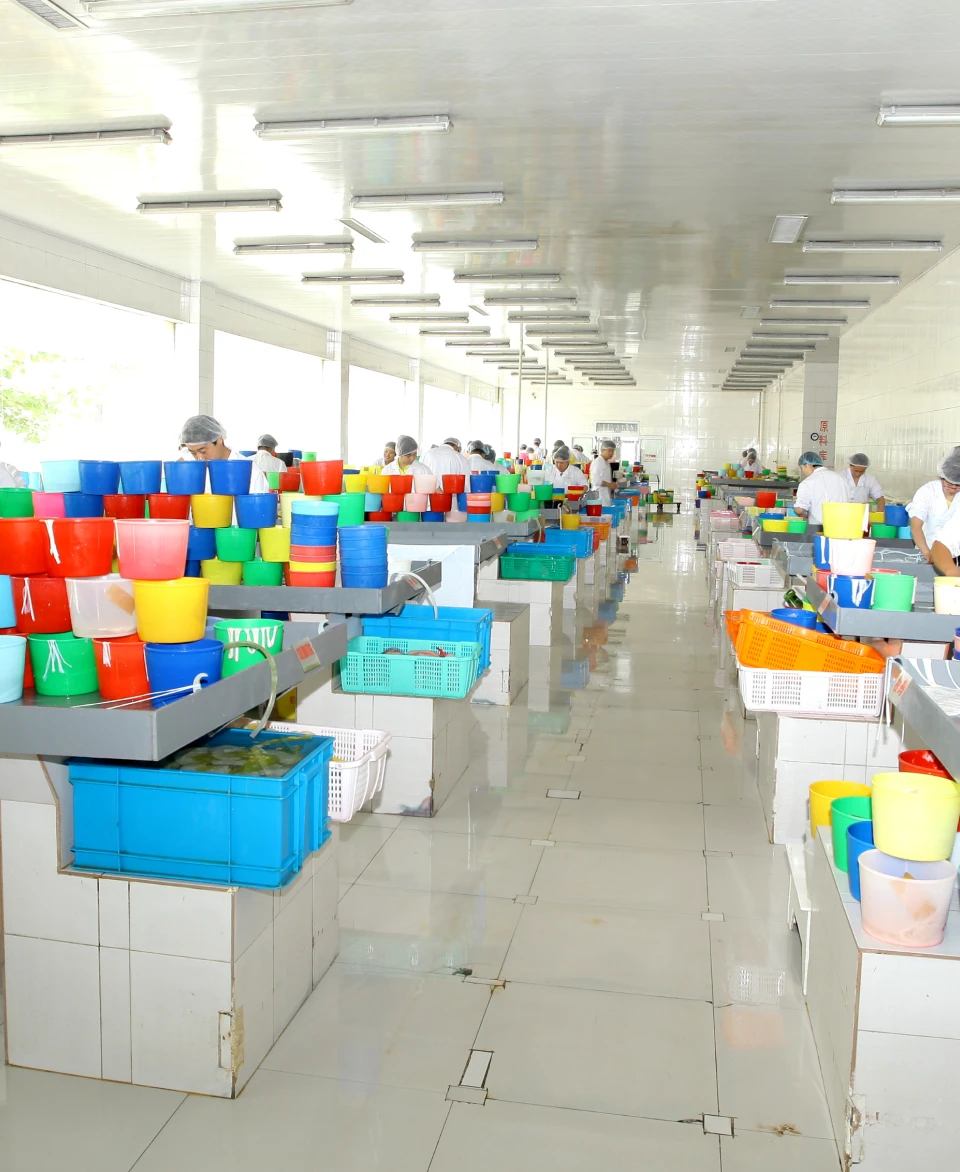

 Professionaalsed tehnikud
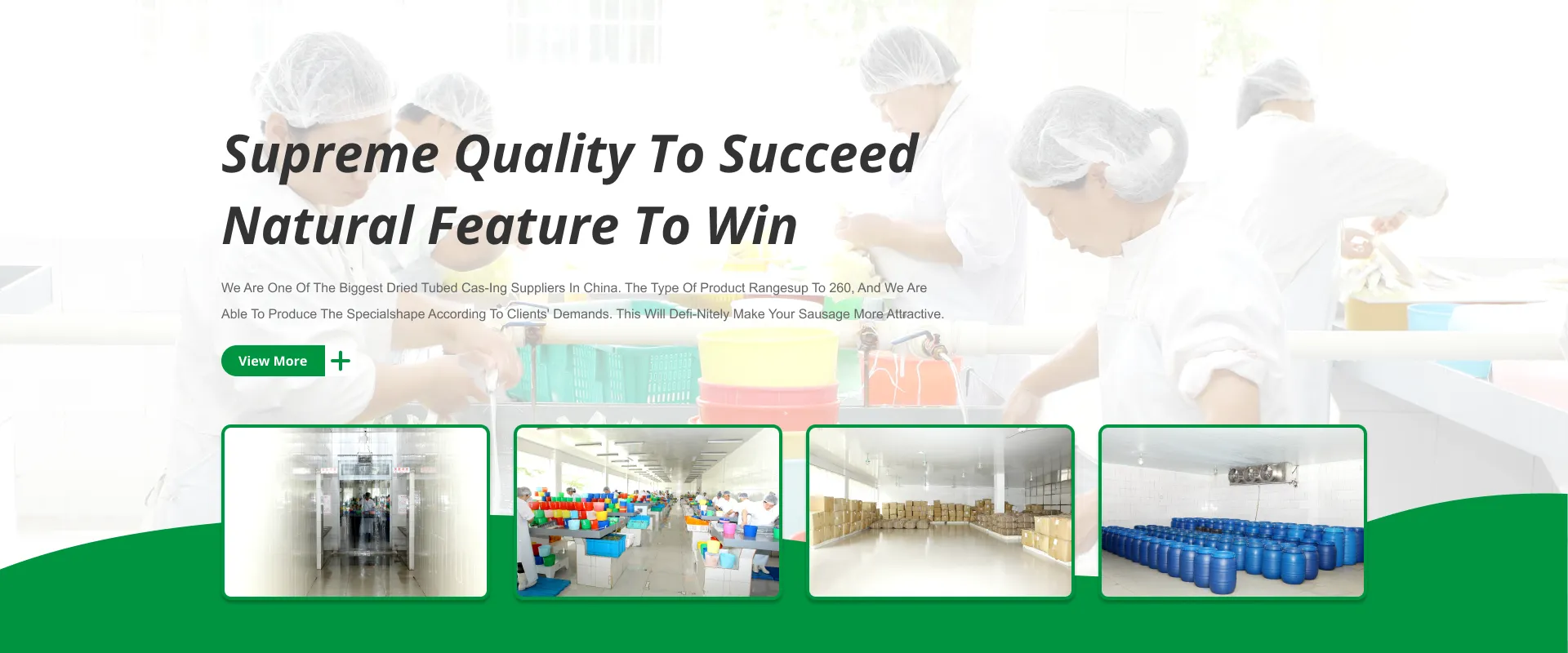
Runtai (Hebei) korpuste ettevõttel on kokku 200 töötajat, sealhulgas 170 oskustöölist ja 30 akadeemilise diplomiga juhtivtöötajat.
-
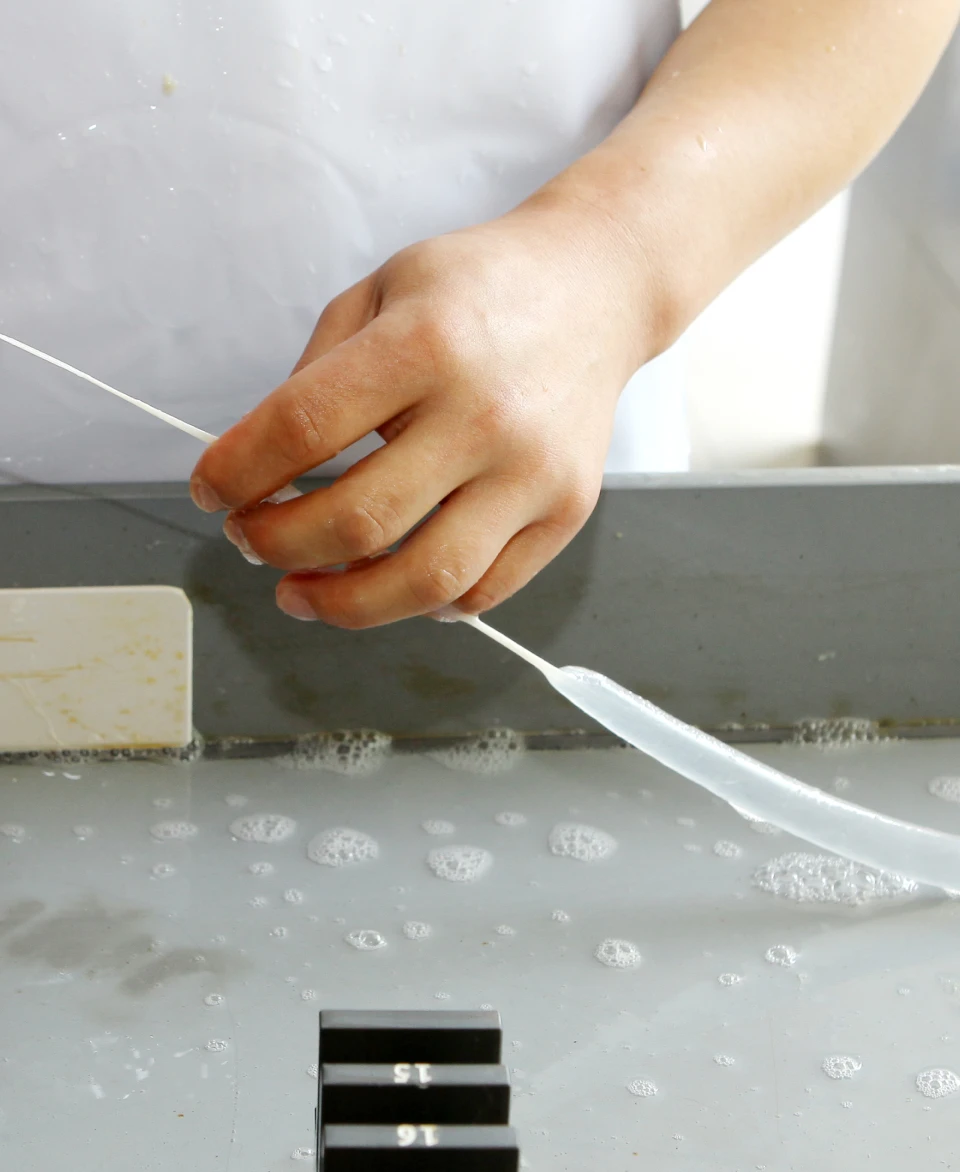

 Kõrge saagikus
Aastane toodang on 10 000 vaadi soolatud seasoolte, 2000 vaadi soolatud lambasoolte ja 15 miljonit tükki kuivatatud tuubitud seasoolte. Kõik tooted lähevad enamasti ekspordiks.
-
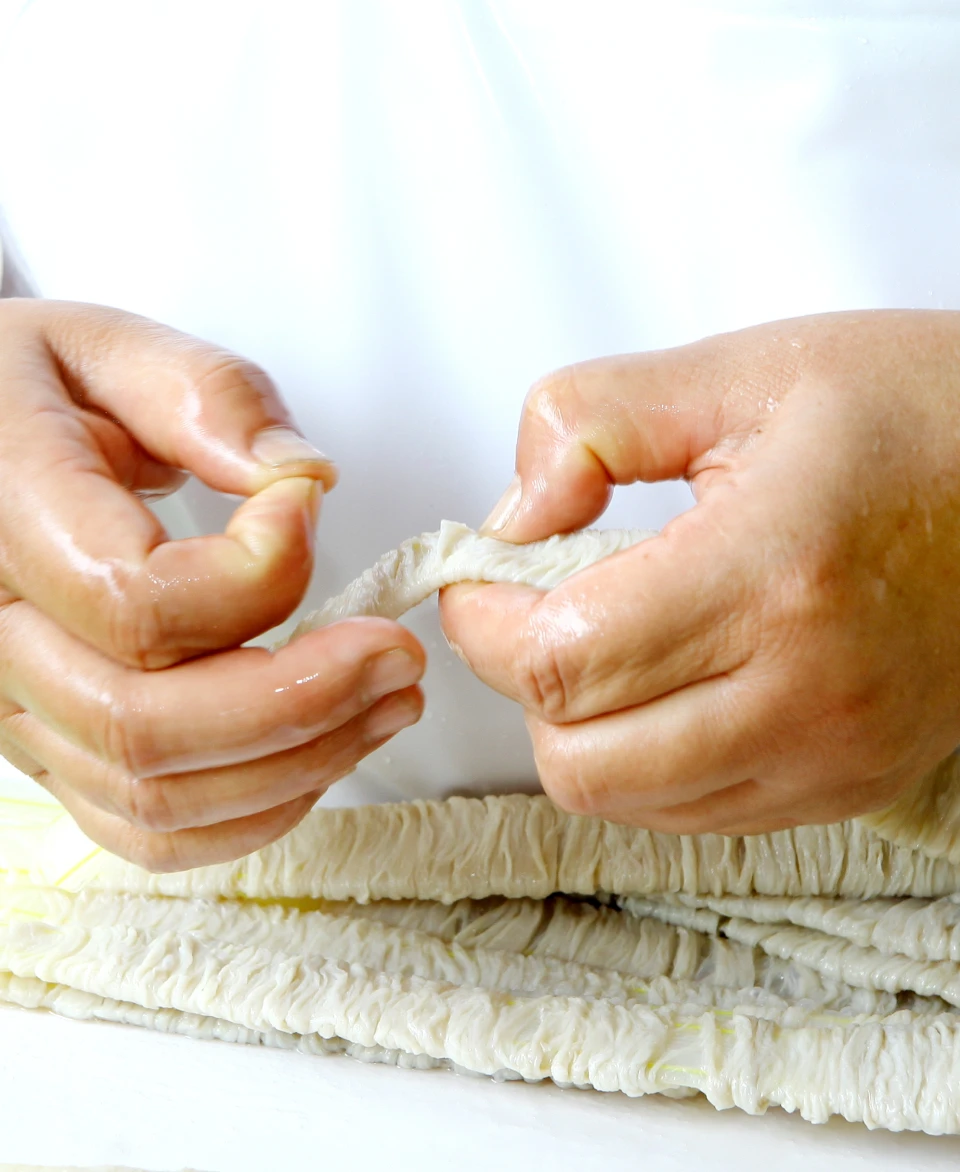

 Suur tehase skaala
Meie ettevõtte pindala on 13 000 ruutmeetrit, nelja registreeritud töökojaga, mis vastavad EL-i tervishoiustandarditele, igas töökojas on külmhoone, mis mahutab 1200 tonni kaupa.
Olenemata sellest, kas tegemist on kuivatatud või soolatud ümbristega, Runtai pakub vastupidavust, paindlikkust ja loomulikku maitset – ideaalne nii käsitöönduslikuks kui ka tööstuslikuks vorstide tootmiseks.
-
 Apr . 16, 2026
In the world of industrial engineering and infrastructure, the process of making casing is a critical phase that ensures the structural integrity and longevity of wells, pipes, and protective housings. Whether it is for oil and gas exploration, water well drilling, or specialized mechanical shielding, high-quality casing prevents collapse and protects against external contaminants. This comprehensive guide will explore the technical nuances, material selections, and professional standards involved in the production of industrial casings to help you make informed procurement decisions for your next project.
-
 Apr . 09, 2026
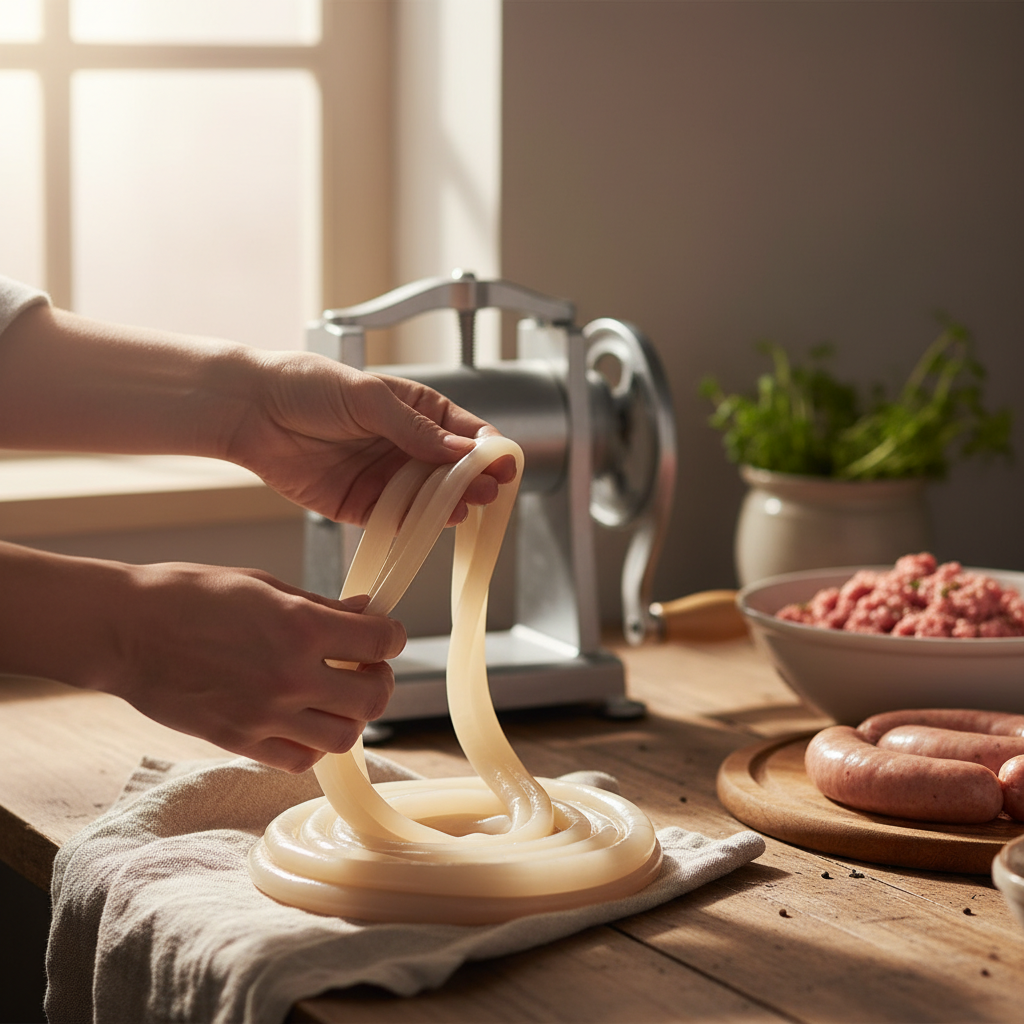
In the world of artisanal and industrial charcuterie, the quality of the casing is just as critical as the quality of the meat filling. Selecting the right intestines for sausage casings can determine the texture, snap, and overall shelf-life of your final product. Whether you are producing traditional bratwurst, spicy chorizo, or delicate breakfast links, understanding the nuances of natural casings is essential for consistency and taste. In this comprehensive guide, we will explore the different types of natural intestines, their specific applications, and how to ensure you are sourcing the highest grade materials for your business.
-
 Apr . 07, 2026
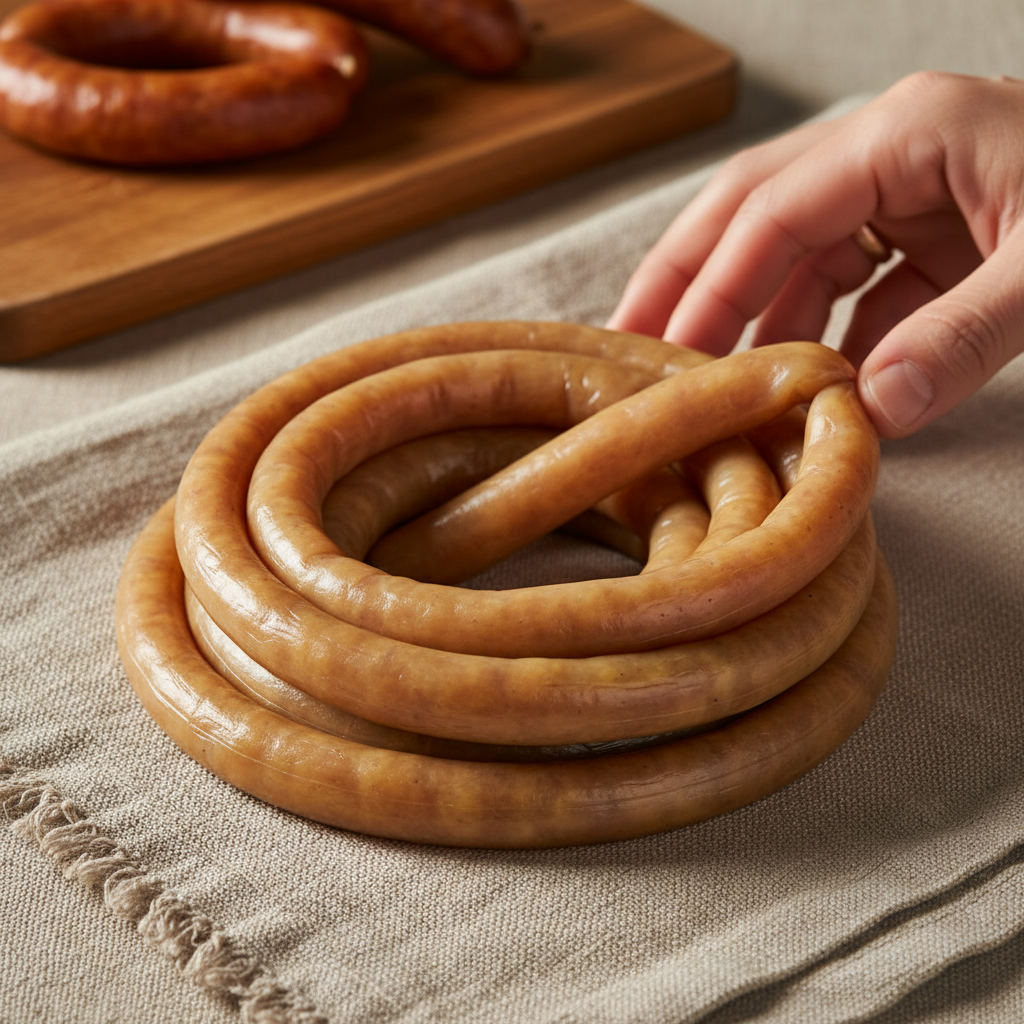
Intestine sausage casing is a vital component in sausage making, providing the necessary structure and texture for a wide variety of products. From traditional European sausages to modern American favorites, the casing plays a critical role in both the appearance and eating experience. This article delves into the different types of intestine sausage casing, their applications, advantages, and considerations for choosing the right casing for your specific needs.
In the world of industrial engineering and infrastructure, the process of making casing is a critical phase that ensures the structural integrity and longevity of wells, pipes, and protective housings. Whether it is for oil and gas exploration, water well drilling, or specialized mechanical shielding, high-quality casing prevents collapse and protects against external contaminants. This comprehensive guide will explore the technical nuances, material selections, and professional standards involved in the production of industrial casings to help you make informed procurement decisions for your next project.
In the world of artisanal and industrial charcuterie, the quality of the casing is just as critical as the quality of the meat filling. Selecting the right intestines for sausage casings can determine the texture, snap, and overall shelf-life of your final product. Whether you are producing traditional bratwurst, spicy chorizo, or delicate breakfast links, understanding the nuances of natural casings is essential for consistency and taste. In this comprehensive guide, we will explore the different types of natural intestines, their specific applications, and how to ensure you are sourcing the highest grade materials for your business.
Intestine sausage casing is a vital component in sausage making, providing the necessary structure and texture for a wide variety of products. From traditional European sausages to modern American favorites, the casing plays a critical role in both the appearance and eating experience. This article delves into the different types of intestine sausage casing, their applications, advantages, and considerations for choosing the right casing for your specific needs.

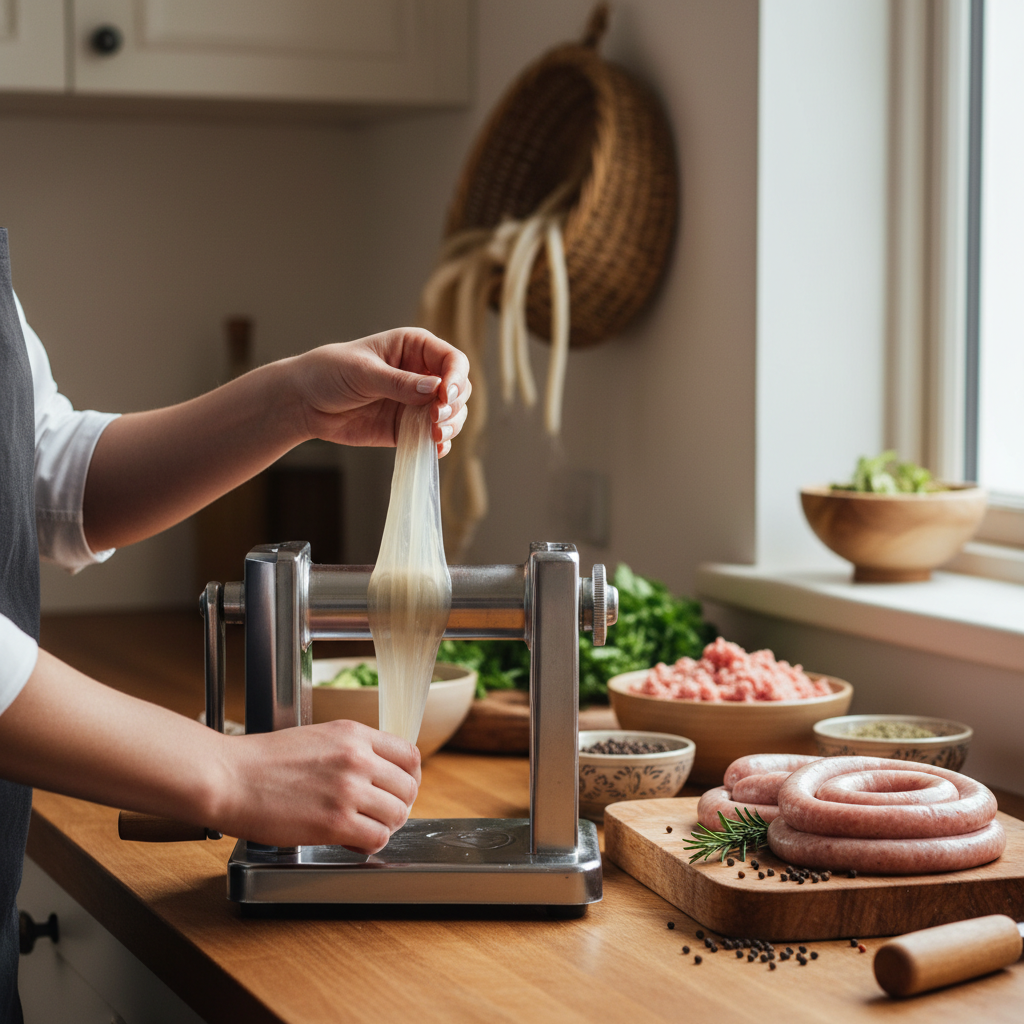
Intestinal casing, also known as sausage casing, is a vital component in meat processing, playing a crucial role in the creation of sausages and other processed meat products. It’s more than just a wrapper; it influences the texture, flavor, and overall quality of the final product. At RTCasing, we specialize in providing high-quality intestinal casings to meet the diverse needs of our global clientele. This article will explore the types, applications, benefits, and sourcing of intestinal casings, offering a detailed understanding for both industry professionals and those curious about this essential food ingredient.


