


Больше, чем
20
Многолетний опыт
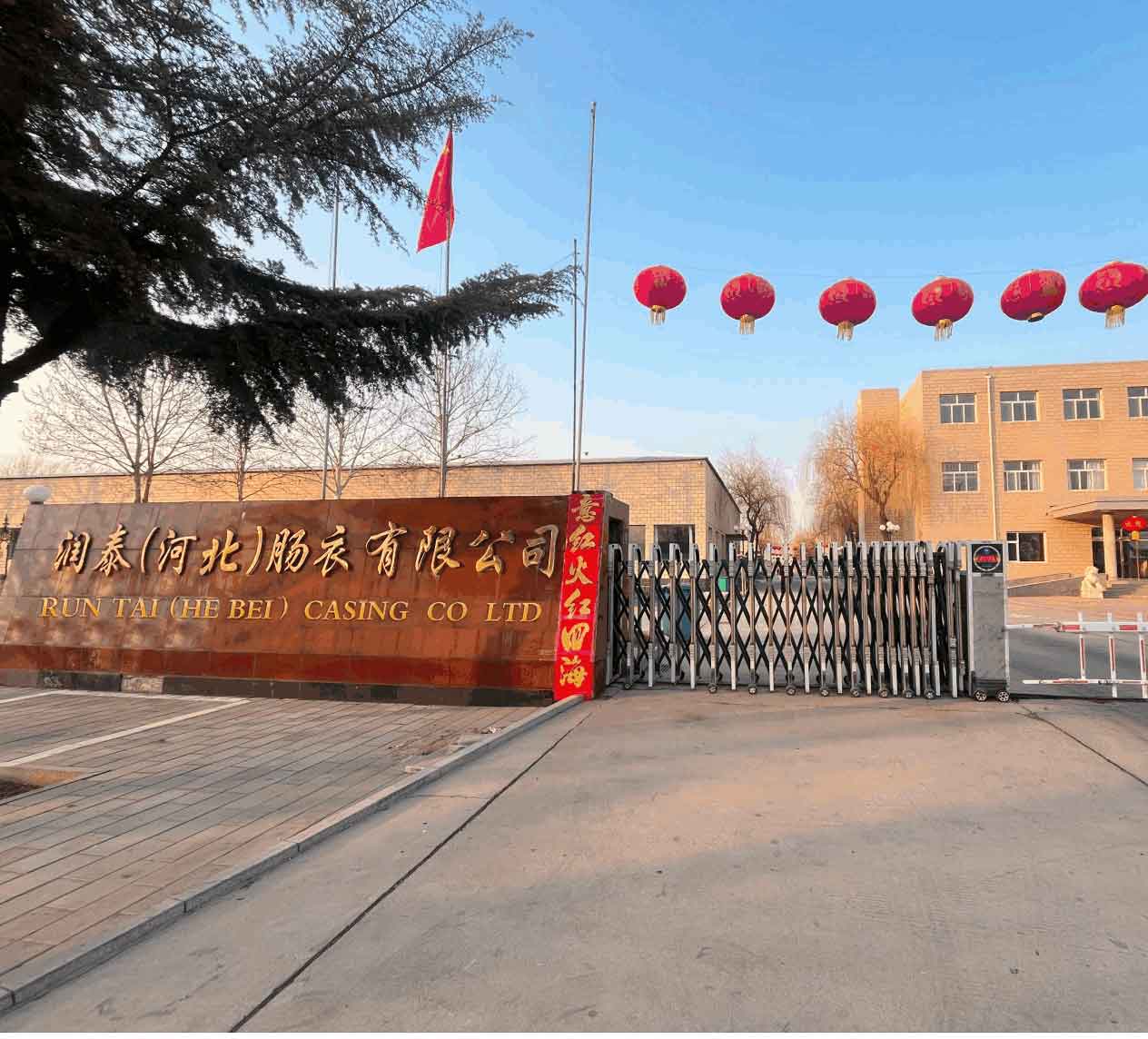
Которая специализируется на переработке колбасных оболочек в основном для экспорта. Мы являемся членом Международной ассоциации натуральных колбасных оболочек. Мы назначены на импорт и экспорт оболочек и получили квалификацию на обработку зарубежных оболочек в качестве назначенного завода. Он расположен на западе уезда Шуньпин, недалеко от дороги Баофу на западе. 210 км от Пекина и 260 км от Тяньцзиня. Транспорт очень удобный, а окрестности довольно красивые.
Он расположен на западе уезда Шуньпин, недалеко от дороги Баофу на западе. В 210 км от Пекина и в 260 км от Тяньцзиня. Транспортное сообщение очень удобное, а окрестности довольно красивые.
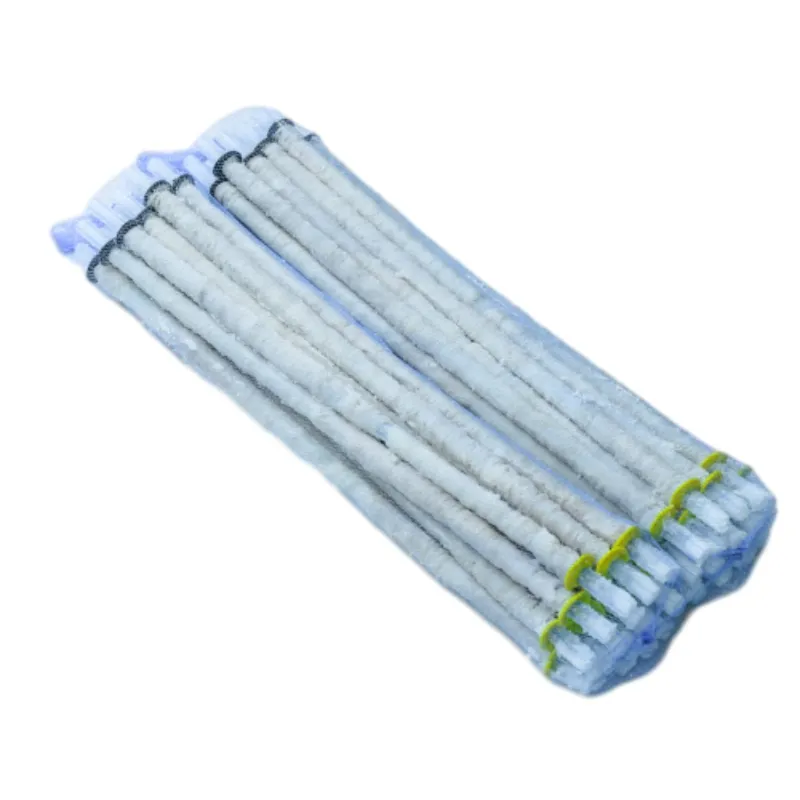
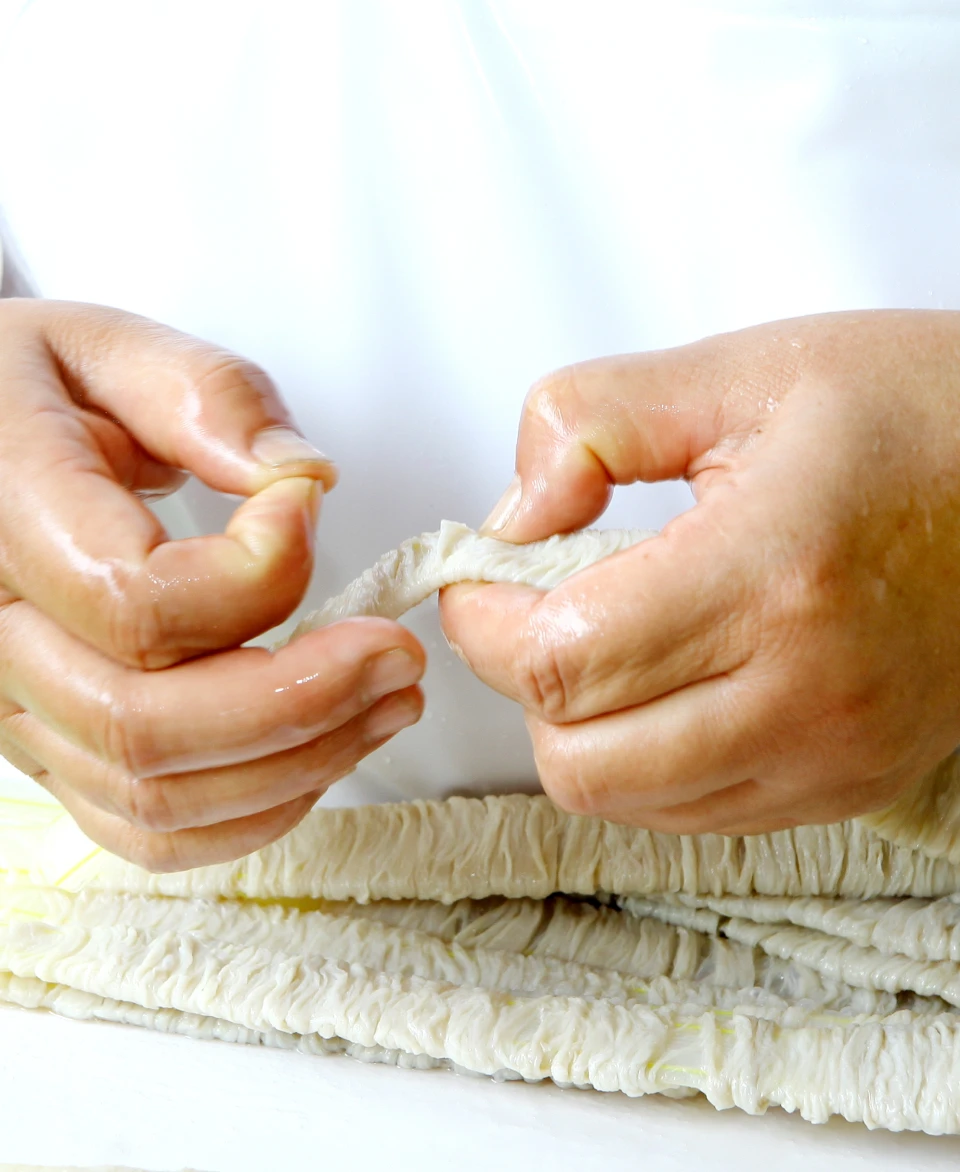
Основная продукция — соленые свиные кишки, соленые бараньи кишки и различные сухие оболочки.
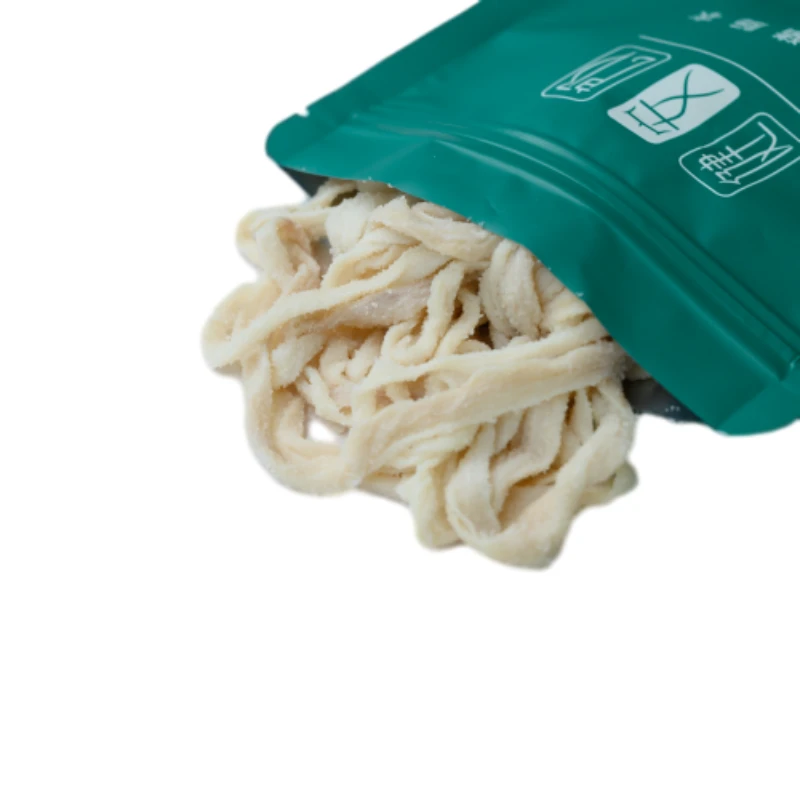
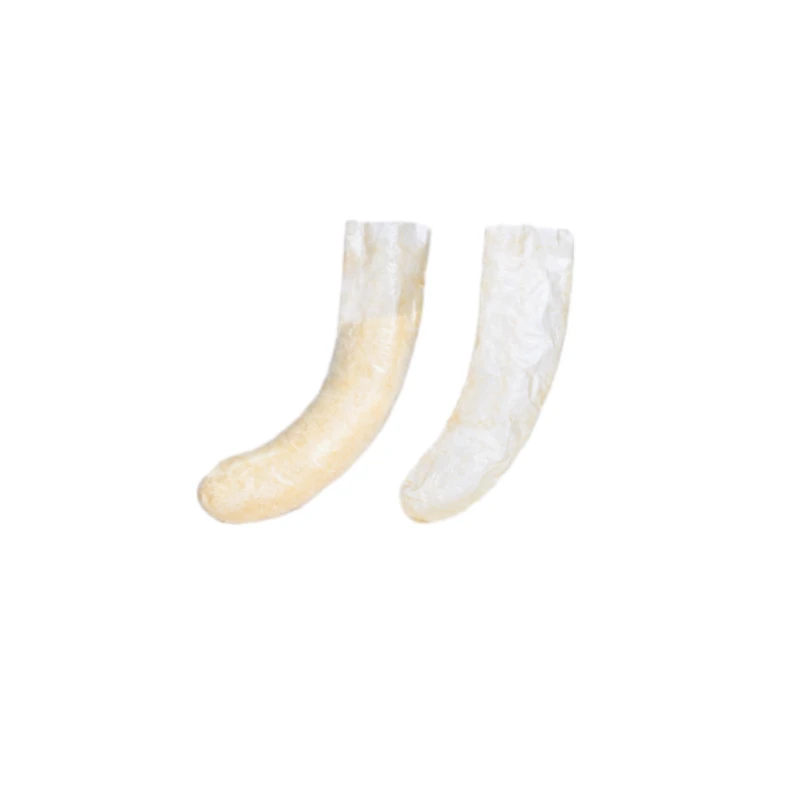
Компания Runtai(Hebei) Casings Co., Ltd, основанная в 2003 году, специализируется на переработке и экспорте высококачественных натуральных колбасных оболочек.
-
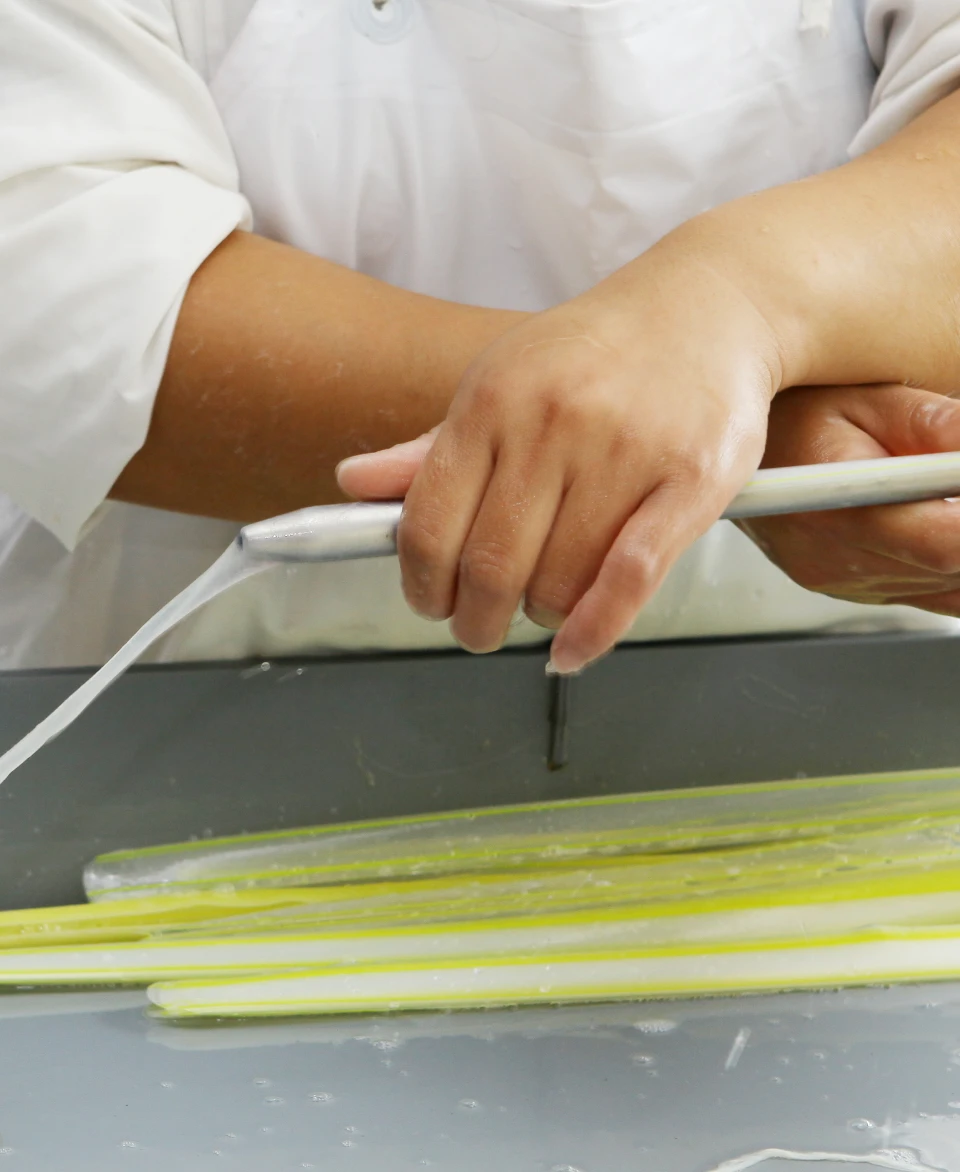

 Богатый производственный опыт
Компания Runtai(hebei) housings co., ltd была основана в июле 2003 года. Более 20 лет опыта производства.
-
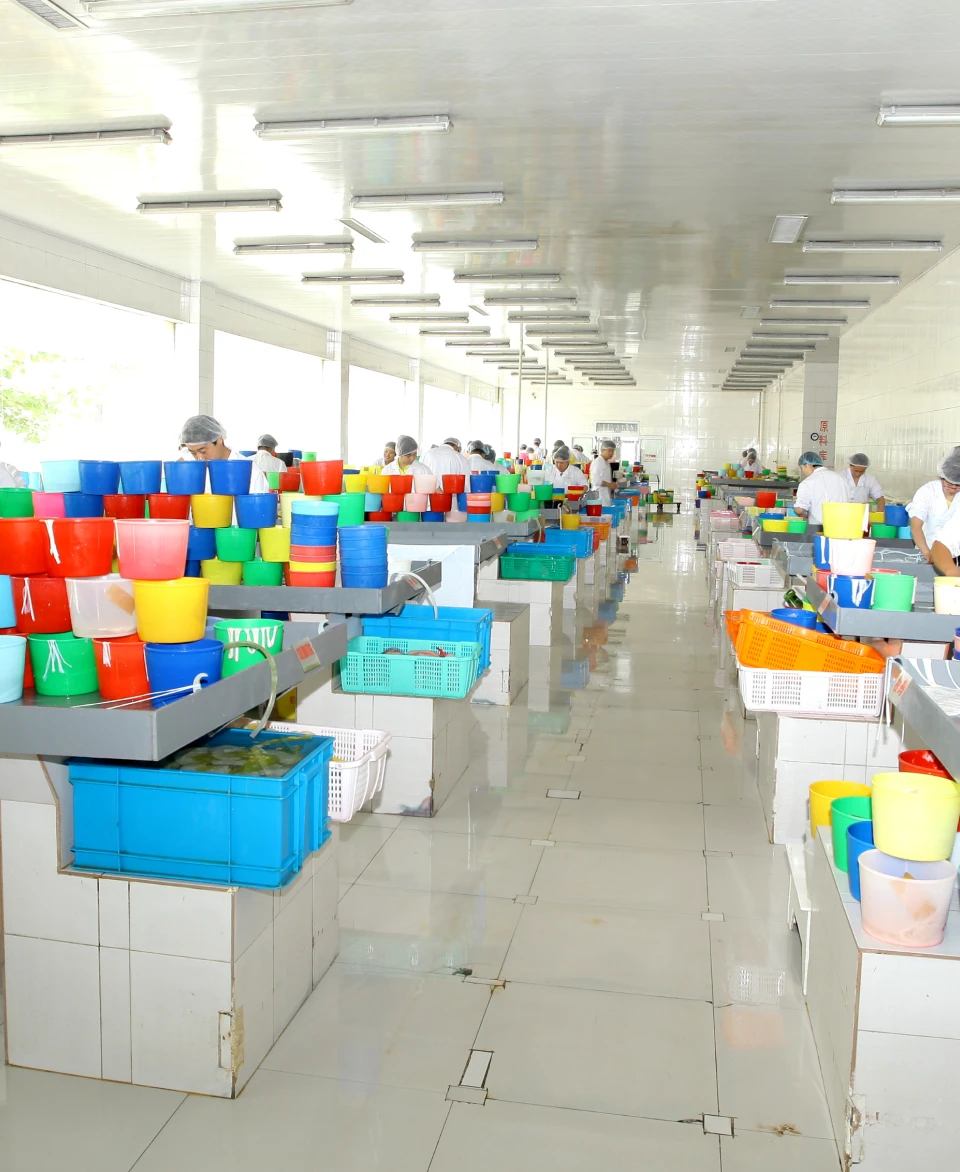

 Профессиональные техники
В компании Runtai(hebei) housings co., ltd работает в общей сложности 200 сотрудников, включая 170 квалифицированных рабочих и 30 руководителей с академическими дипломами.
-
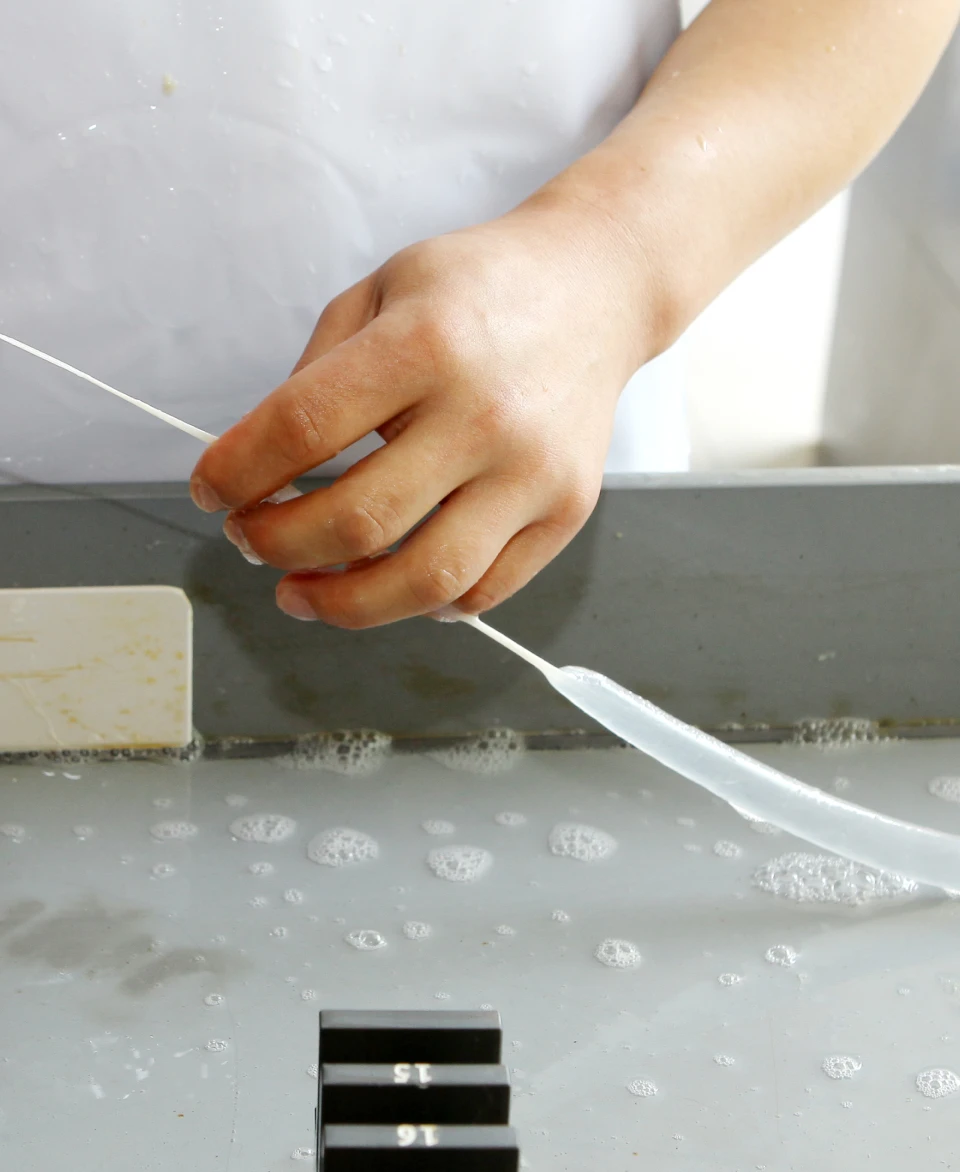

 Высокая урожайность
Годовой объем производства составляет 10 000 бочек соленых свиных кишок, 2 000 бочек соленых бараньих кишок, 15 миллионов штук сушеных трубчатых свиных кишок. Вся продукция в основном идет на экспорт.
-

 Крупный завод
Наша компания занимает площадь 13 000 квадратных метров, имеет четыре зарегистрированных цеха, соответствующих санитарным нормам ЕС, каждый цех оборудован холодильным складом, вмещающим 1200 тонн товаров.
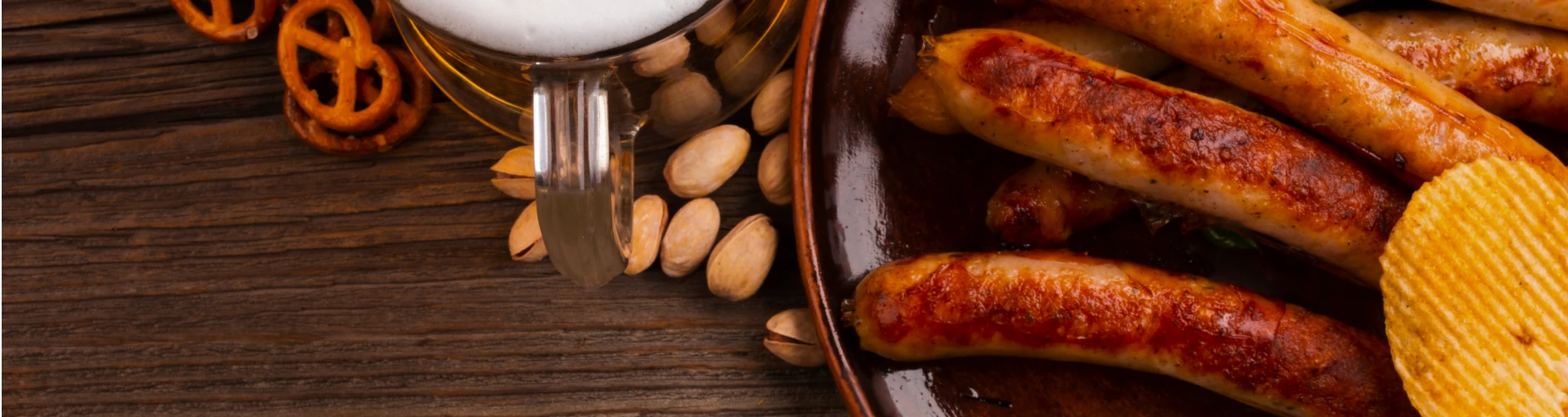
Runtai обеспечивает прочность, гибкость и натуральный вкус как для сушеных, так и для соленых оболочек — идеально подходит для кустарного и промышленного производства колбасных изделий.
-
 Apr . 16, 2026
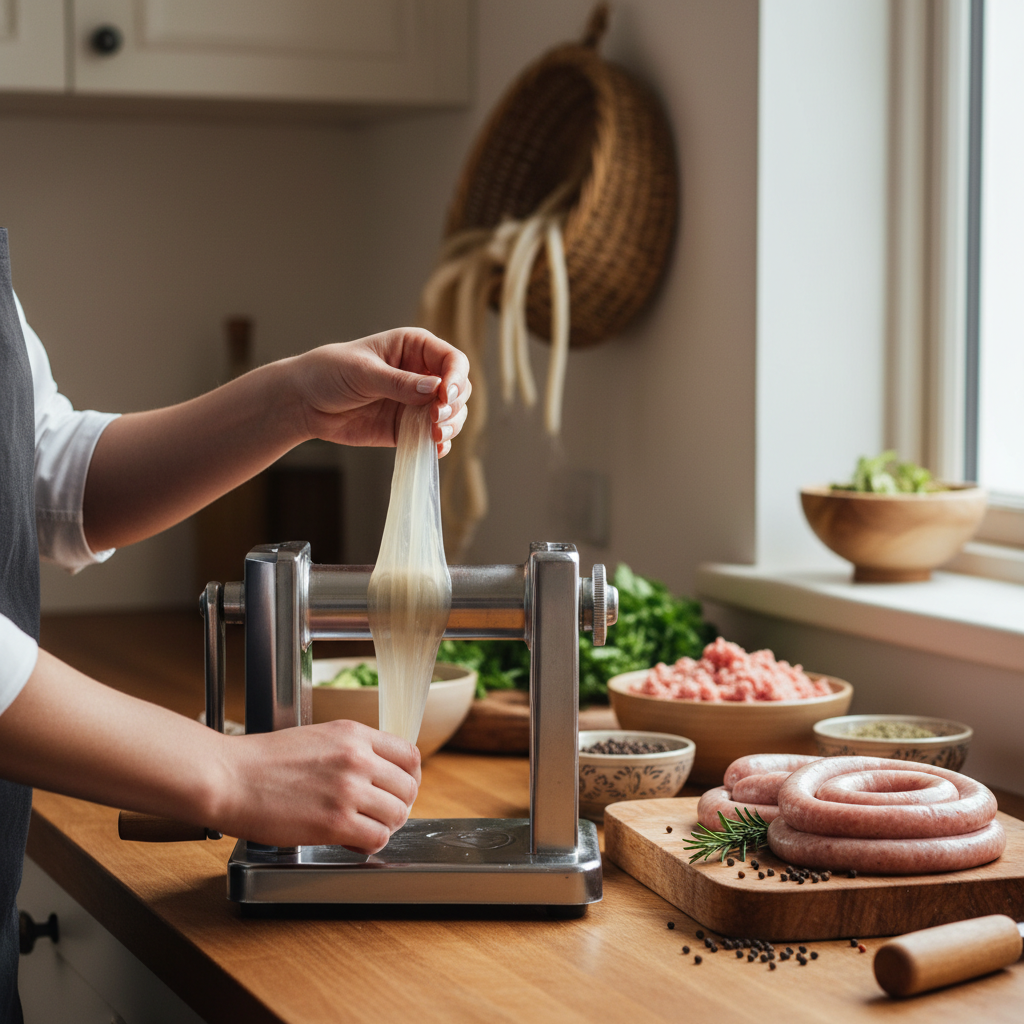
In the world of industrial engineering and infrastructure, the process of making casing is a critical phase that ensures the structural integrity and longevity of wells, pipes, and protective housings. Whether it is for oil and gas exploration, water well drilling, or specialized mechanical shielding, high-quality casing prevents collapse and protects against external contaminants. This comprehensive guide will explore the technical nuances, material selections, and professional standards involved in the production of industrial casings to help you make informed procurement decisions for your next project.
-
 Apr . 09, 2026
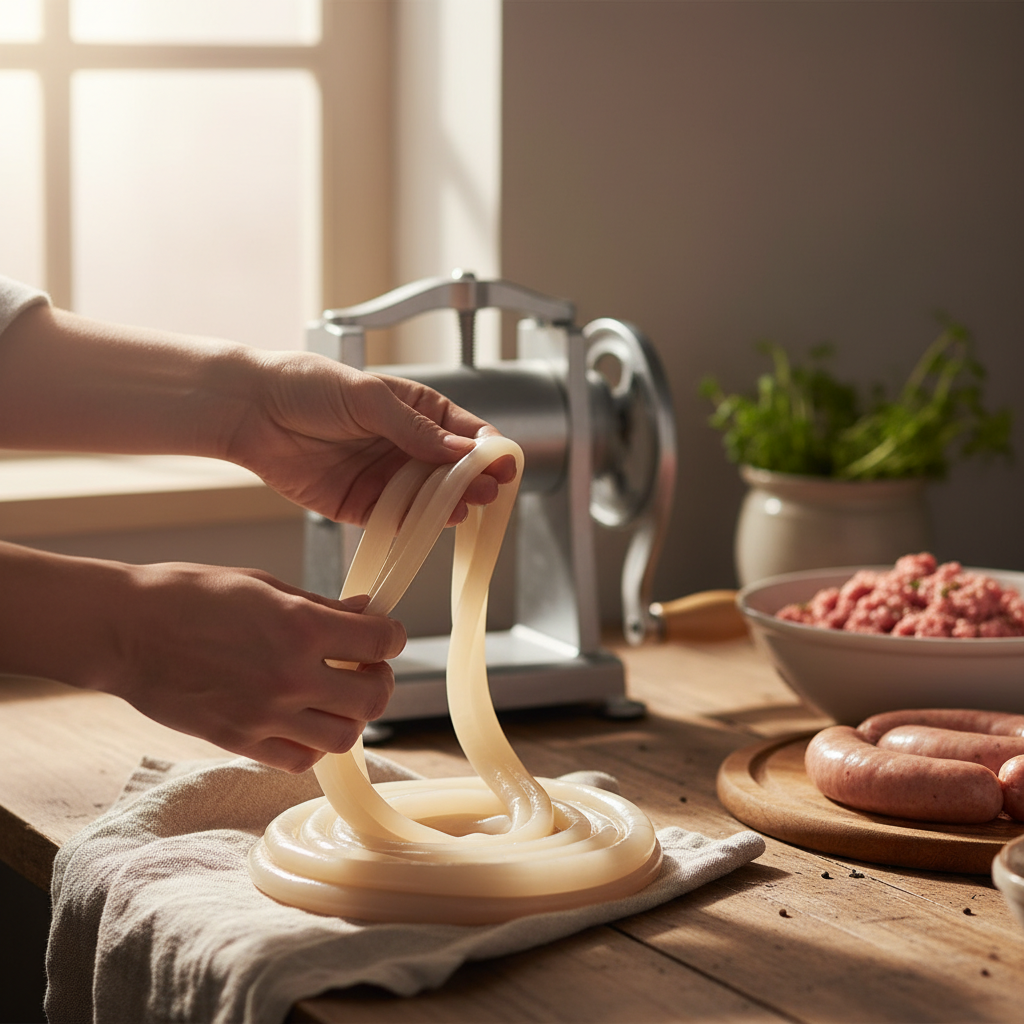
In the world of artisanal and industrial charcuterie, the quality of the casing is just as critical as the quality of the meat filling. Selecting the right intestines for sausage casings can determine the texture, snap, and overall shelf-life of your final product. Whether you are producing traditional bratwurst, spicy chorizo, or delicate breakfast links, understanding the nuances of natural casings is essential for consistency and taste. In this comprehensive guide, we will explore the different types of natural intestines, their specific applications, and how to ensure you are sourcing the highest grade materials for your business.
-
 Apr . 07, 2026
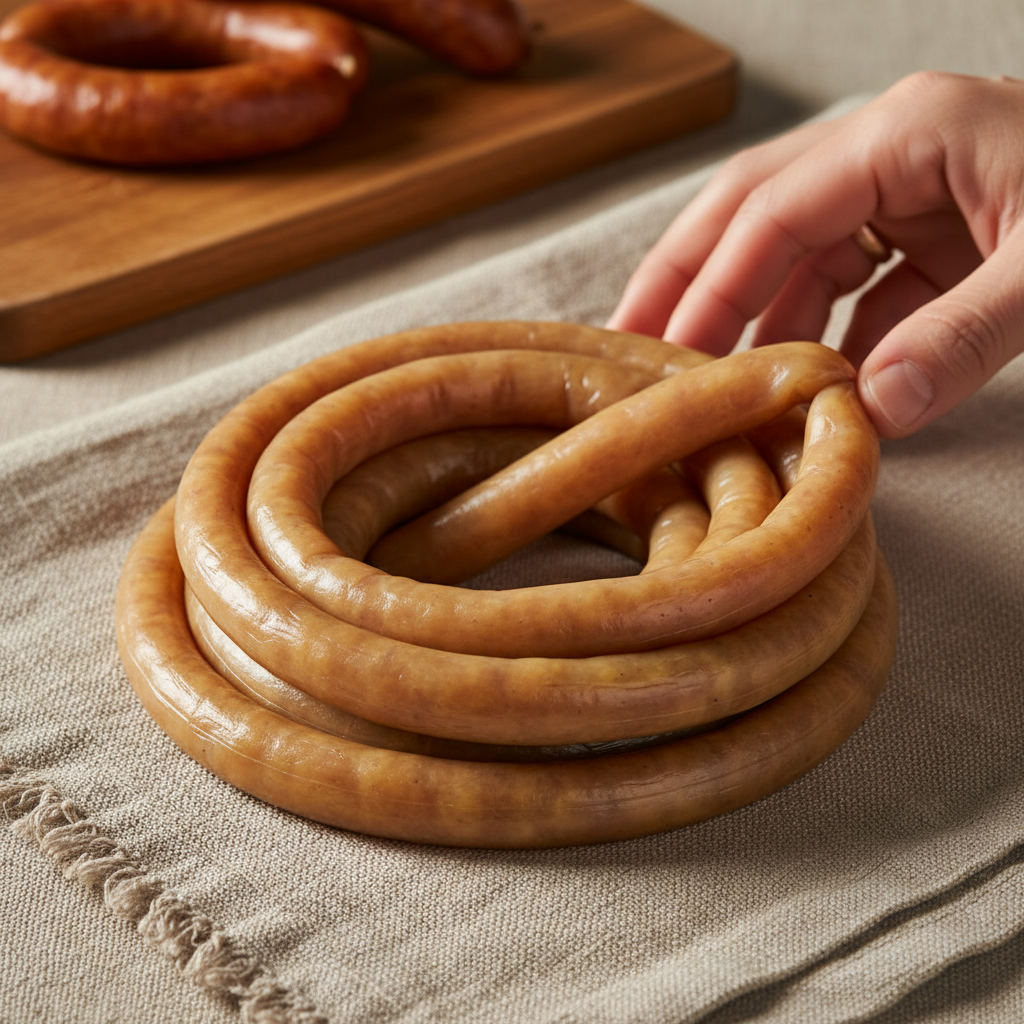
Intestine sausage casing is a vital component in sausage making, providing the necessary structure and texture for a wide variety of products. From traditional European sausages to modern American favorites, the casing plays a critical role in both the appearance and eating experience. This article delves into the different types of intestine sausage casing, their applications, advantages, and considerations for choosing the right casing for your specific needs.
In the world of industrial engineering and infrastructure, the process of making casing is a critical phase that ensures the structural integrity and longevity of wells, pipes, and protective housings. Whether it is for oil and gas exploration, water well drilling, or specialized mechanical shielding, high-quality casing prevents collapse and protects against external contaminants. This comprehensive guide will explore the technical nuances, material selections, and professional standards involved in the production of industrial casings to help you make informed procurement decisions for your next project.
In the world of artisanal and industrial charcuterie, the quality of the casing is just as critical as the quality of the meat filling. Selecting the right intestines for sausage casings can determine the texture, snap, and overall shelf-life of your final product. Whether you are producing traditional bratwurst, spicy chorizo, or delicate breakfast links, understanding the nuances of natural casings is essential for consistency and taste. In this comprehensive guide, we will explore the different types of natural intestines, their specific applications, and how to ensure you are sourcing the highest grade materials for your business.
Intestine sausage casing is a vital component in sausage making, providing the necessary structure and texture for a wide variety of products. From traditional European sausages to modern American favorites, the casing plays a critical role in both the appearance and eating experience. This article delves into the different types of intestine sausage casing, their applications, advantages, and considerations for choosing the right casing for your specific needs.

Intestinal casing, also known as sausage casing, is a vital component in meat processing, playing a crucial role in the creation of sausages and other processed meat products. It’s more than just a wrapper; it influences the texture, flavor, and overall quality of the final product. At RTCasing, we specialize in providing high-quality intestinal casings to meet the diverse needs of our global clientele. This article will explore the types, applications, benefits, and sourcing of intestinal casings, offering a detailed understanding for both industry professionals and those curious about this essential food ingredient.


