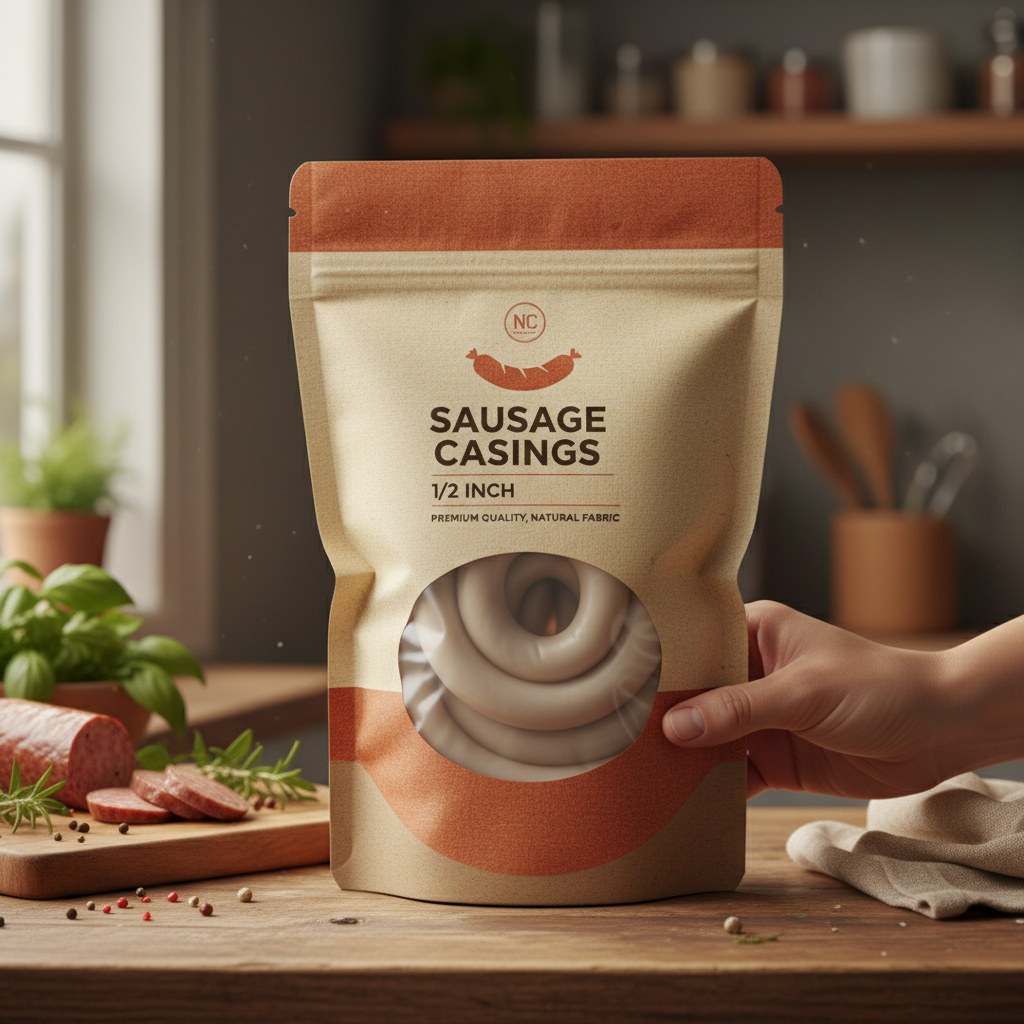
Dried sausage casing, a seemingly simple component, plays a critical role in the global food industry, particularly in the production of various cured meats. Its importance extends beyond just containment; it influences the texture, flavor, and preservation of sausages worldwide. Understanding the different types, manufacturing processes, and applications of dried sausage casing is crucial for food producers, quality control specialists, and even consumers interested in artisanal meats. This knowledge enables the creation of high-quality, safe, and flavorful products enjoyed across cultures.
The demand for dried sausage casing is directly tied to the global consumption of processed meats, which continues to rise, particularly in developing nations. However, evolving consumer preferences towards natural and sustainable food sources present both challenges and opportunities for the industry. Manufacturers are increasingly seeking casings that offer optimal performance while minimizing environmental impact. This drive for innovation has led to advancements in casing materials and production techniques, including exploring alternatives to traditional collagen and cellulose casings.
Therefore, a comprehensive understanding of dried sausage casing—from its historical origins to its modern applications—is essential for navigating the complexities of the current food landscape. This knowledge empowers businesses to make informed decisions, meet consumer demands, and ensure the continued success of the cured meat industry while exploring more sustainable practices involving dried sausage casing.
Introduction to Dried Sausage Casing
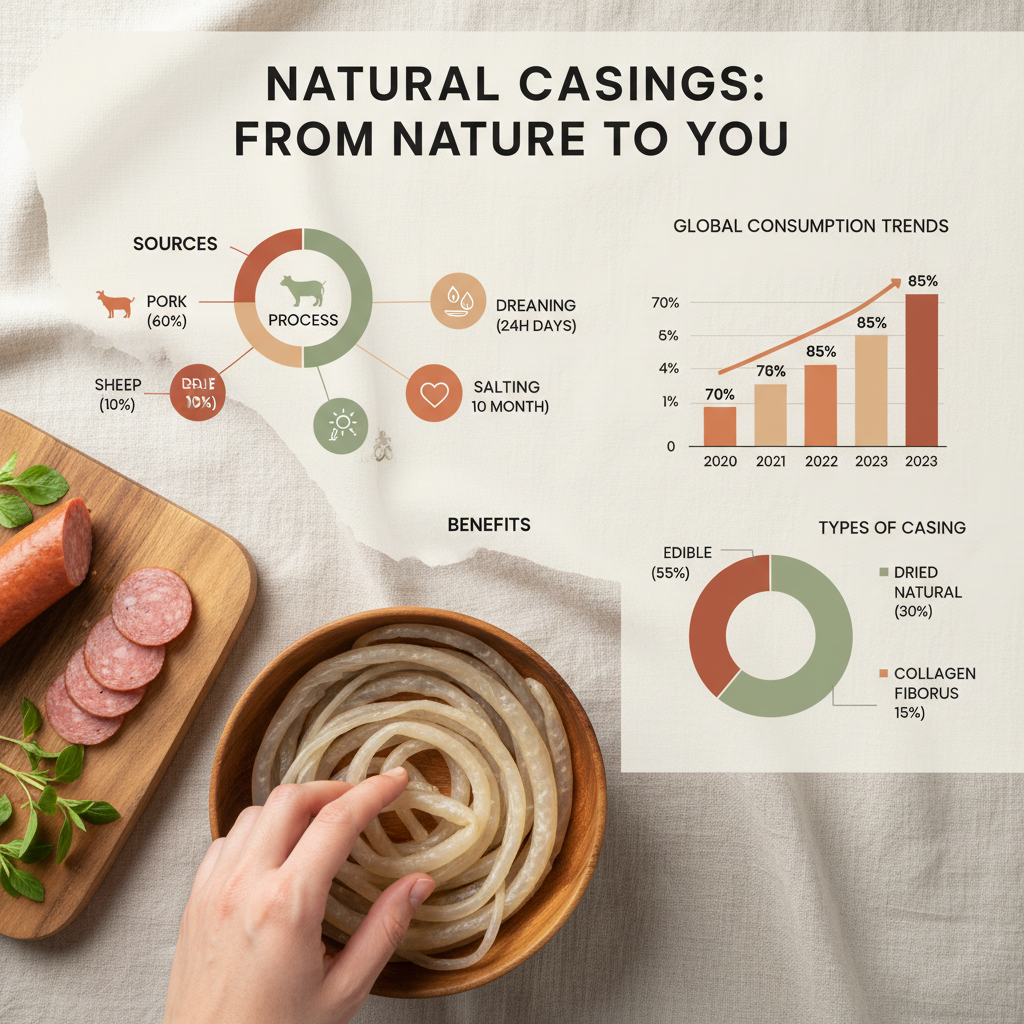
Dried sausage casing isn't merely a wrapper; it's an integral component of the sausage-making process. Historically, natural casings – derived from animal intestines – were the sole option. However, advancements in food technology have led to the development of a diverse range of casings, including collagen, cellulose, and plastic options. These variations offer different characteristics in terms of permeability, elasticity, and processing requirements, catering to a wide spectrum of sausage types and production scales.
The choice of casing fundamentally affects the final product. Natural casings, for example, impart a unique “snap” and texture, while collagen casings provide consistent diameter and are easier to handle in automated production lines. Understanding these nuances is vital for producers aiming to create sausages that meet specific quality standards and consumer expectations, leveraging options like those from dried sausage casing suppliers.
Global Relevance and Industry Context
The global cured meat market is a multi-billion dollar industry, with significant growth projected in emerging economies. According to a report by the UN, meat consumption is steadily increasing worldwide, driven by rising incomes and changing dietary habits. This growth directly translates to increased demand for dried sausage casing, as it's an essential material for the vast majority of cured meat products. The industry faces pressure from growing populations and varying economic conditions, which directly impacts the need for efficient and cost-effective casing solutions.
However, the industry also faces increasing scrutiny regarding sustainability and food safety. Regulations set by organizations like the ISO are becoming more stringent, requiring manufacturers to demonstrate traceability and adherence to high hygiene standards. This includes the sourcing and production of casings, driving a shift towards more controlled and sustainable practices. Meeting these challenges requires innovation in casing materials and manufacturing processes, ensuring quality and environmental responsibility.
Moreover, regional variations in sausage production techniques and preferences create a diverse market landscape. European traditions often favor natural casings for specific types of sausages, while North American production relies heavily on collagen and cellulose casings for large-scale manufacturing. Adapting to these regional nuances is crucial for casing suppliers and manufacturers alike, and understanding the dynamics surrounding dried sausage casing is paramount to success.
Defining Dried Sausage Casing
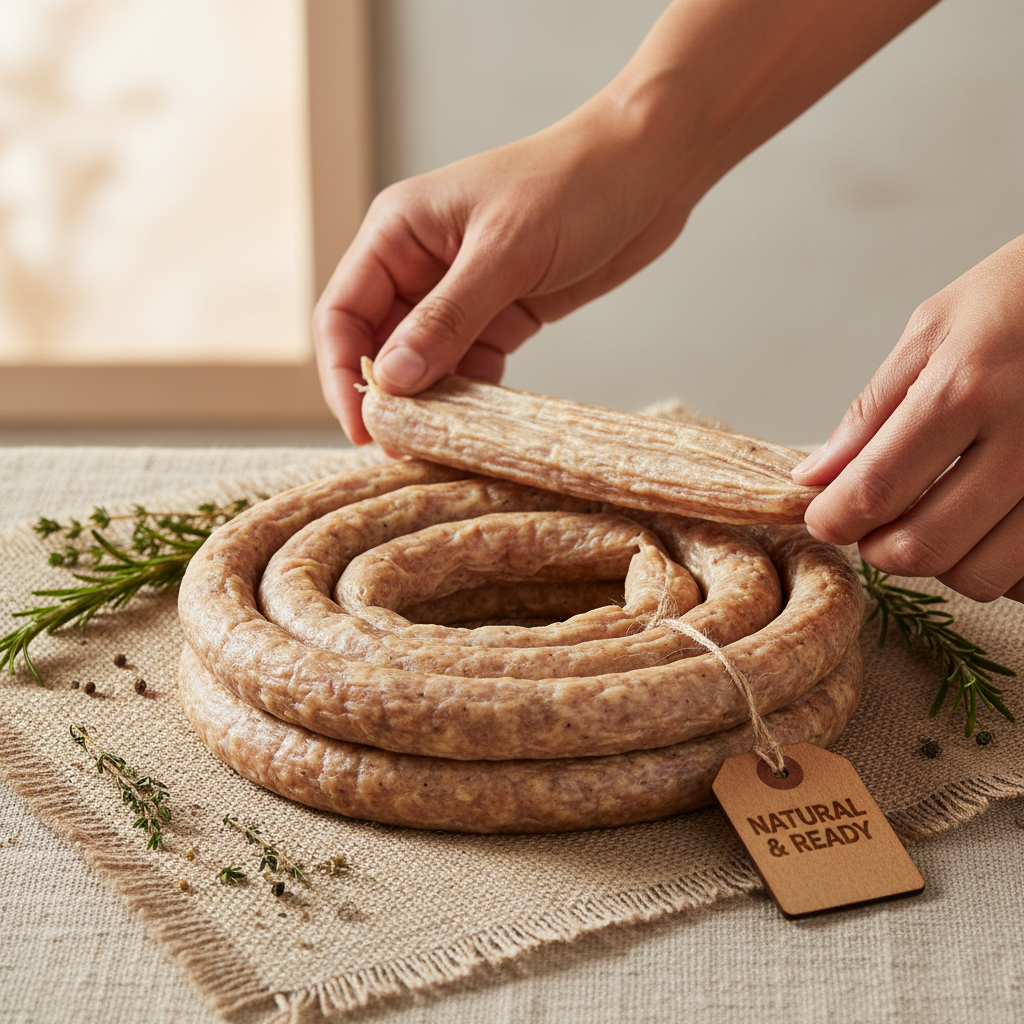
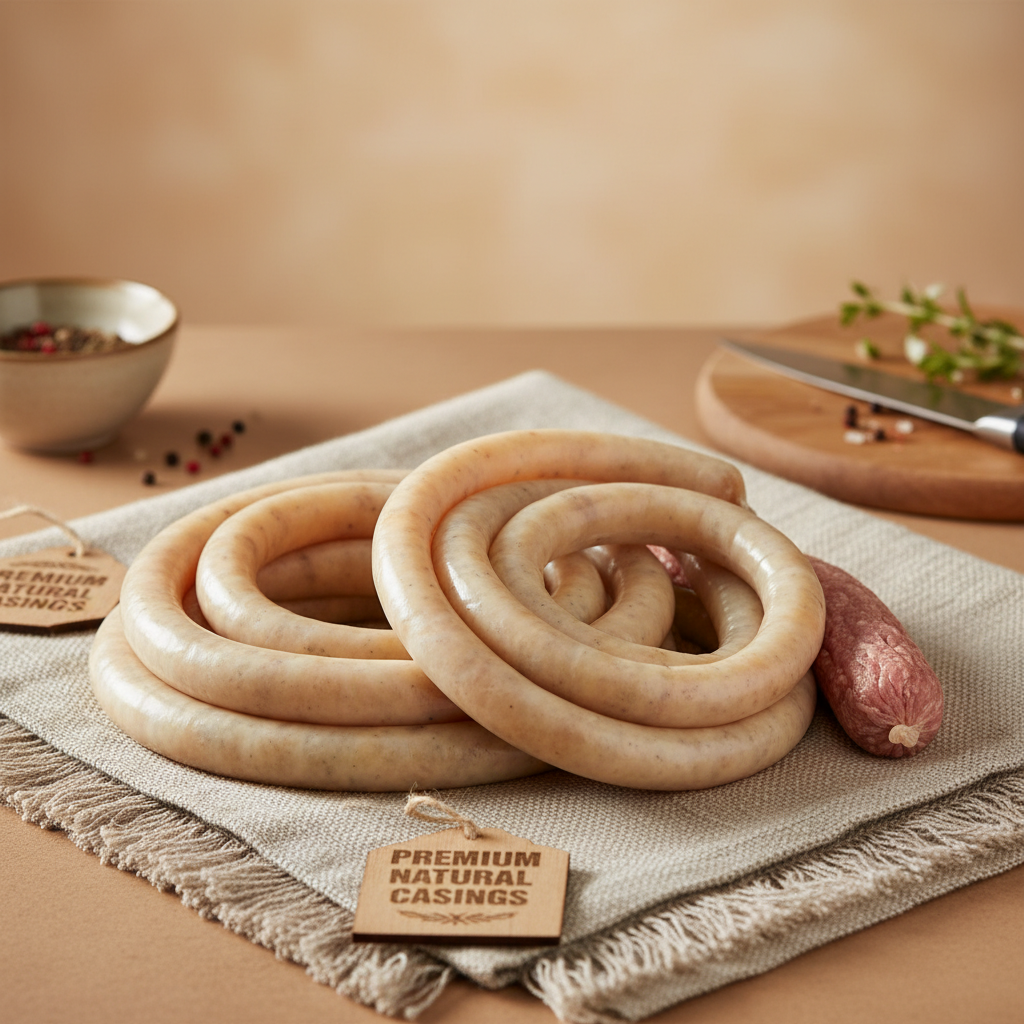
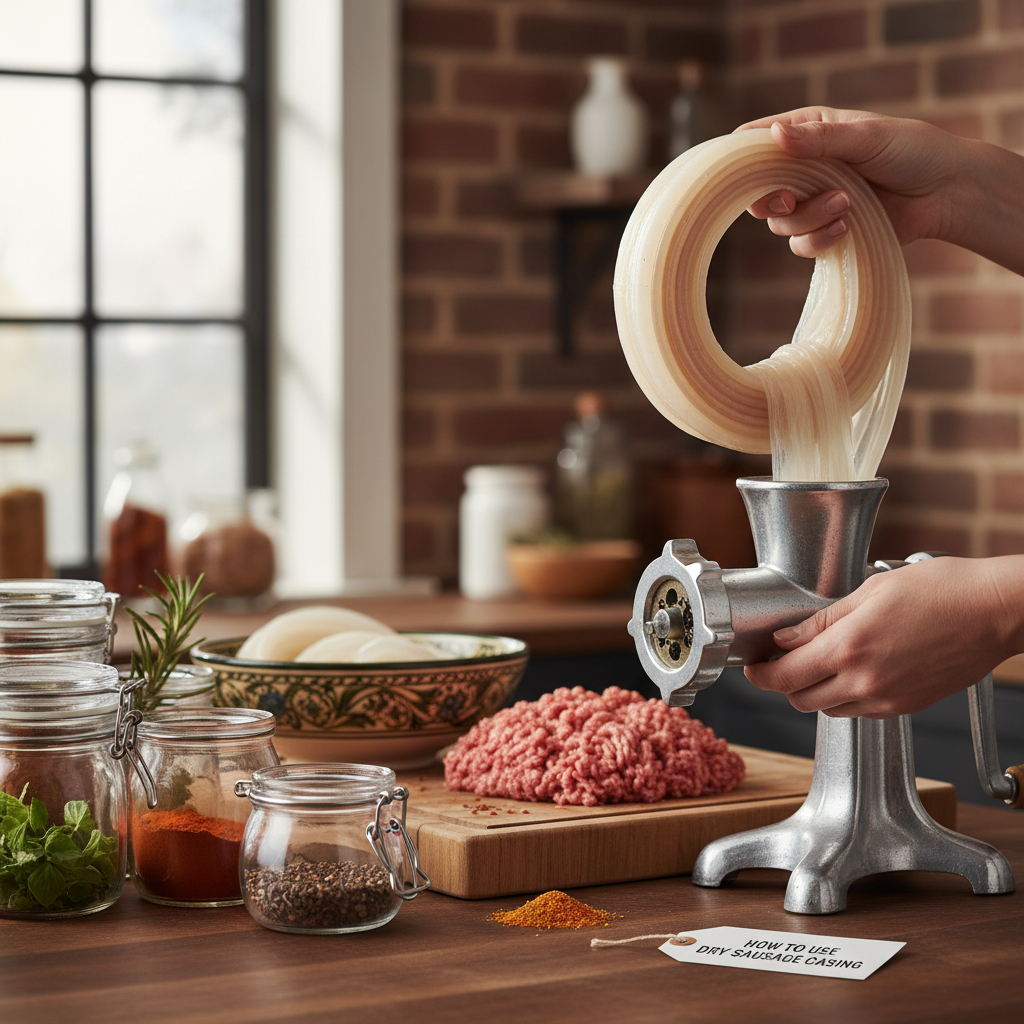
Dried sausage casing refers to the outer covering used to contain the meat mixture during the curing, fermentation, and drying processes that create sausages. While historically derived from animal intestines (typically pig, sheep, or beef), modern casings are also produced from collagen, cellulose, and synthetic materials. These casings provide structural support, maintain the desired shape of the sausage, and influence its texture and flavor development.
The primary function of the casing isn’t simply containment; it plays a vital role in regulating moisture loss during drying, allowing for the development of the characteristic firm texture and concentrated flavor of dried sausages. Permeability is therefore a key characteristic. Natural casings are highly permeable, allowing for significant moisture loss, while synthetic casings can be engineered to control permeability levels, offering greater control over the final product’s characteristics. This directly impacts the shelf life and the overall quality of the final product.
In the context of modern food production and global food security, efficient and reliable casing solutions are critical. The use of dried sausage casing directly impacts the scalability and affordability of sausage production, allowing for wider distribution and accessibility to these protein-rich foods, particularly in regions with limited access to fresh meat.
Key Characteristics of Dried Sausage Casing
Several key characteristics define the suitability of a dried sausage casing for a specific application. These include permeability, which dictates the rate of moisture loss during drying; elasticity, affecting the casing’s ability to expand during stuffing and contract during fermentation; and tensile strength, determining its resistance to tearing or breakage during processing.
Another crucial aspect is consistency in diameter, especially for automated production lines. Variations in casing diameter can lead to inconsistencies in sausage size and weight, impacting packaging and labeling. Finally, the casing’s ability to adhere to the meat mixture and maintain its integrity throughout the drying process is vital for preventing spoilage and ensuring product quality.
Comparative Analysis of Dried Sausage Casing Types
Global Applications & Use Cases
Dried sausage casing is utilized globally in a remarkably diverse range of sausage types. In Europe, traditional dry-cured sausages like salami, chorizo, and pepperoni heavily rely on natural or collagen casings to achieve their characteristic texture and flavor profiles. In North America, larger-scale production of sausages often favors cellulose and plastic casings for their cost-effectiveness and processing advantages.
In regions with limited refrigeration infrastructure, the drying process—and therefore the role of the casing in regulating moisture loss—becomes even more critical for preserving meat products. In post-disaster relief operations, shelf-stable dried sausages can provide a valuable source of protein, and the integrity of the casing is paramount for ensuring food safety and preventing spoilage. Furthermore, in remote industrial zones where access to fresh food is limited, dried sausage casing plays a vital role in providing a reliable food source.
Advantages and Long-Term Value
The advantages of using appropriate dried sausage casing extend beyond simply containing the meat. High-quality casings contribute to improved product consistency, reduced waste, and enhanced shelf life. Utilizing casings engineered for specific drying processes leads to better moisture control, resulting in more flavorful and texturally appealing sausages. This translates to increased consumer satisfaction and brand loyalty.
From a sustainability perspective, advancements in casing materials—such as biodegradable cellulose casings—offer environmentally friendly alternatives to traditional plastics. Furthermore, optimizing casing performance can reduce the need for preservatives, leading to healthier and more natural meat products. The long-term value lies in creating a sustainable and reliable supply chain, catering to evolving consumer preferences, and minimizing environmental impact.
Future Trends and Innovations
The future of dried sausage casing is marked by a drive towards greater sustainability, functionality, and customization. Research is ongoing into the development of bio-based and compostable casing materials, reducing reliance on fossil fuels and minimizing environmental waste. Furthermore, advancements in nanotechnology are exploring the possibility of creating casings with enhanced barrier properties and antimicrobial functionalities.
Digital transformation is also playing a role, with the integration of sensors and data analytics into casing production processes. This allows for real-time monitoring of casing quality and performance, leading to improved consistency and reduced defects. Automation is streamlining production, lowering costs, and increasing efficiency, making high-quality casings more accessible to a wider range of producers. The evolving landscape surrounding dried sausage casing reflects a commitment to innovation and sustainability.
Moreover, the rise of personalized nutrition is driving demand for casings that can be tailored to specific dietary needs and preferences. This includes casings designed to accommodate lower-fat sausages or those infused with specific flavorings and nutrients, opening new avenues for product development and differentiation.
FAQS
Natural casings, derived from animal intestines, provide a unique “snap” and permeability that are hard to replicate. Synthetic options, like collagen and cellulose, offer greater consistency in diameter, easier handling, and potentially lower costs. However, they may lack the distinctive texture and flavor characteristics of natural casings. The choice depends on the desired product profile, production scale, and cost constraints.
Casing permeability directly controls the rate of moisture loss during drying. Higher permeability allows for faster drying, leading to a firmer texture and more concentrated flavor. Lower permeability slows down the drying process, resulting in a softer texture and a milder flavor. Matching the casing permeability to the specific sausage recipe and drying conditions is crucial for achieving optimal results.
Food safety is paramount. Casings must meet stringent hygiene standards and be free from contaminants. Reputable suppliers adhere to regulations set by organizations like the ISO and implement rigorous quality control measures. Proper handling and storage of casings are also crucial to prevent spoilage and ensure product safety.
Yes, biodegradable cellulose casings are a sustainable alternative to traditional plastic casings. They decompose naturally, reducing environmental waste. Furthermore, some collagen casings are derived from renewable sources and offer improved biodegradability. Choosing eco-friendly casings demonstrates a commitment to environmental responsibility.
Consider the supplier's reputation, product quality, adherence to food safety standards, and ability to meet your specific requirements. Look for suppliers with certifications like ISO and a proven track record of reliability. Also, assess their supply chain capabilities and their commitment to sustainable practices.
The casing's permeability and barrier properties impact shelf life. Casings that effectively control moisture loss and prevent oxygen exposure can extend shelf life. Natural casings, with their high permeability, may result in shorter shelf lives compared to tightly sealed synthetic casings. Proper packaging and storage conditions are also crucial for maximizing shelf life.
Conclusion
In conclusion, dried sausage casing is far more than a simple covering; it’s a critical component influencing the quality, texture, flavor, and shelf life of cured meat products. From traditional natural casings to innovative synthetic alternatives, the choice of casing impacts everything from production efficiency to sustainability. Understanding the nuances of different casing types, their key characteristics, and their global applications is essential for success in the competitive meat industry.
Looking ahead, the future of dried sausage casing lies in continued innovation, with a focus on sustainable materials, enhanced functionality, and digital integration. By embracing these advancements, producers can create high-quality, safe, and environmentally responsible products that meet the evolving demands of consumers worldwide. For more information and to explore a wide range of casing solutions, visit our website: www.rtcasing.com.