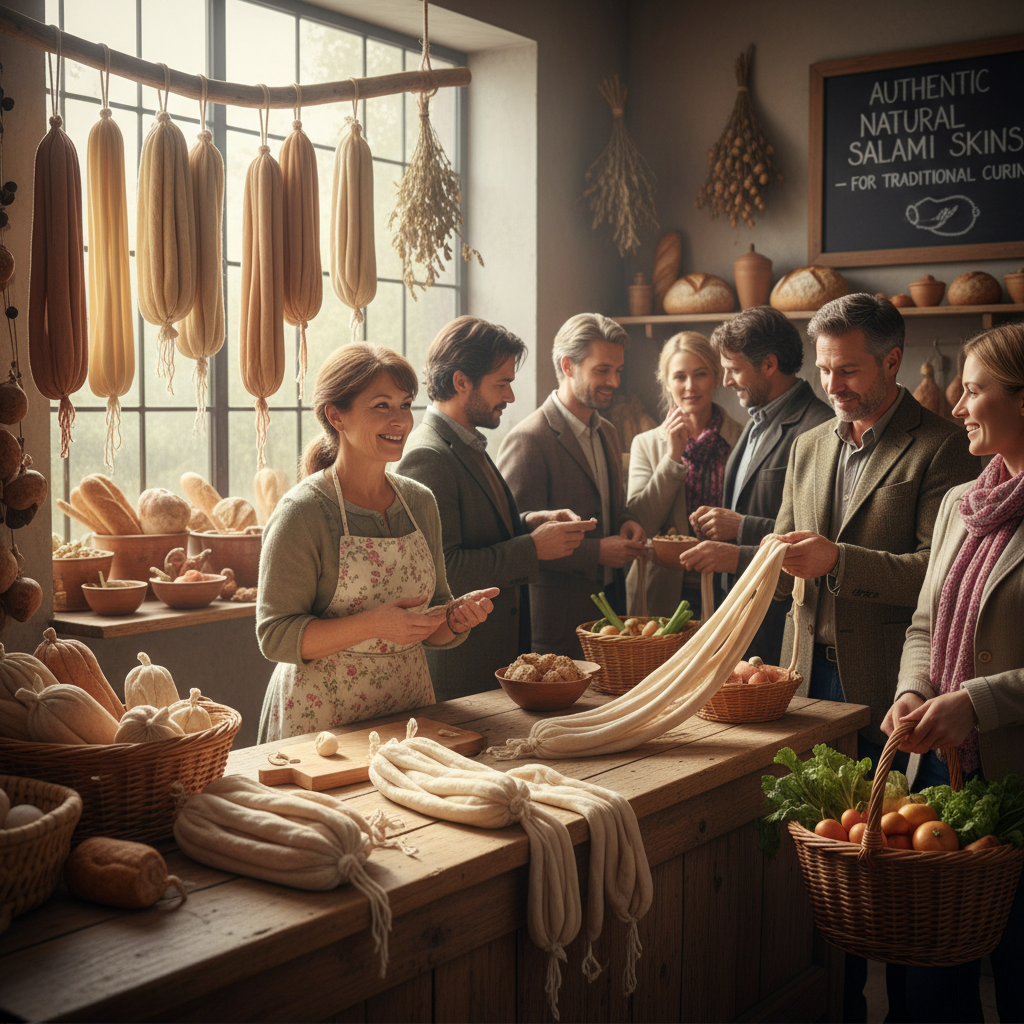
Dried sausage casings represent a critical, yet often overlooked, component within the global food industry. From artisanal charcuterie to large-scale commercial meat production, these casings provide essential functionality – containment, shape, and preservation – for a wide range of sausage products. Understanding the nuances of dried sausage casings, including their materials, production processes, and evolving applications, is paramount for food manufacturers, regulatory bodies, and consumers alike. This knowledge impacts food safety, product quality, and the sustainability of the meat industry.
The demand for dried sausage casings is intrinsically linked to global meat consumption patterns and the increasing popularity of processed meat products. As populations grow and dietary preferences shift, particularly in developing economies, the need for efficient and reliable packaging solutions for sausages continues to rise. However, this demand also presents challenges related to sourcing sustainable materials, ensuring consistent quality, and meeting stringent food safety standards. The availability and affordability of dried sausage casings can significantly impact the cost and accessibility of sausage products worldwide.
Ultimately, the study of dried sausage casings extends beyond simple packaging. It touches upon economic factors impacting agricultural production, advancements in biomaterial science, and the crucial need for maintaining the integrity of the food supply chain. A thorough understanding of this often-invisible element is essential for anyone involved in the creation, distribution, or consumption of sausages.
Defining Dried Sausage Casings and Their Significance
Dried sausage casings, at their core, are the outer layer used to enclose meat mixtures during the sausage-making process. Traditionally, they were derived from the intestinal tracts of animals, primarily pigs, sheep, and cattle. However, modern production increasingly incorporates collagen, cellulose, and even synthetic materials to create casings with specific performance characteristics.
The significance of these casings lies in their multifaceted roles. Beyond simply containing the meat, they contribute to the final product’s texture, shape, and bite. They also play a crucial role in moisture retention during cooking and smoking, influencing the flavor profile and shelf life of the finished sausage. The right casing can truly elevate a sausage from good to exceptional.
Global Context and Industry Relevance
The global sausage market is a multi-billion dollar industry, with significant regional variations in consumption patterns and preferences. Europe and North America have historically been major consumers, but demand is rapidly growing in Asia, Latin America, and Africa. This expanding market directly translates to an increased need for reliable and high-quality dried sausage casings. According to recent reports, the global sausage casing market is projected to reach [insert statistic] by [insert year], demonstrating a consistent upward trend.
This growth isn’t without its challenges. Sourcing of raw materials, maintaining consistent quality standards across different regions, and adapting to changing consumer preferences (such as demand for natural or organic products) are ongoing concerns for manufacturers. Moreover, trade regulations and import/export restrictions can create logistical hurdles, highlighting the need for streamlined supply chains and global collaboration. dried sausage casings play a pivotal role in addressing these challenges.
The industry is also heavily influenced by factors like animal welfare concerns, food safety regulations (like those set by the FDA and EFSA), and the increasing emphasis on sustainability. Manufacturers are actively exploring alternative casing materials and production methods to mitigate environmental impact and meet evolving consumer demands.
Understanding the Composition of Dried Sausage Casings
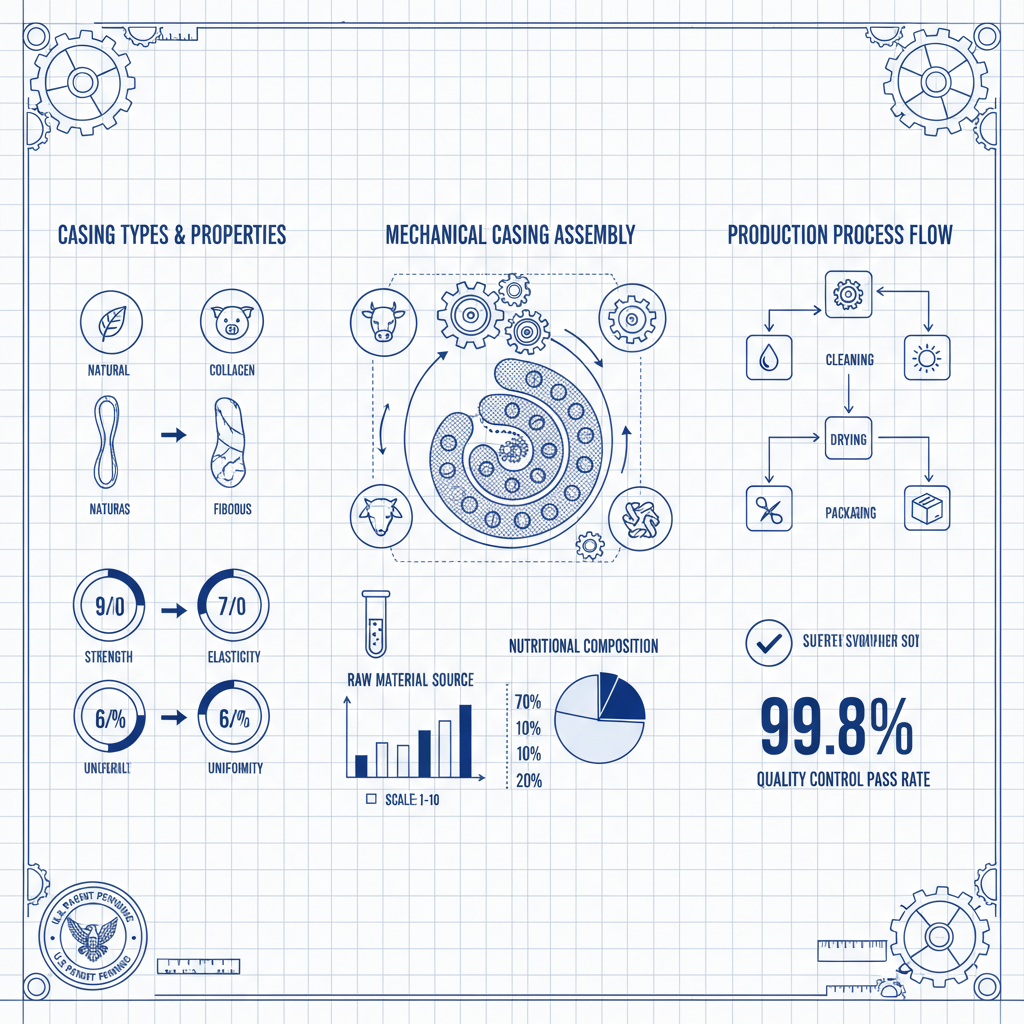
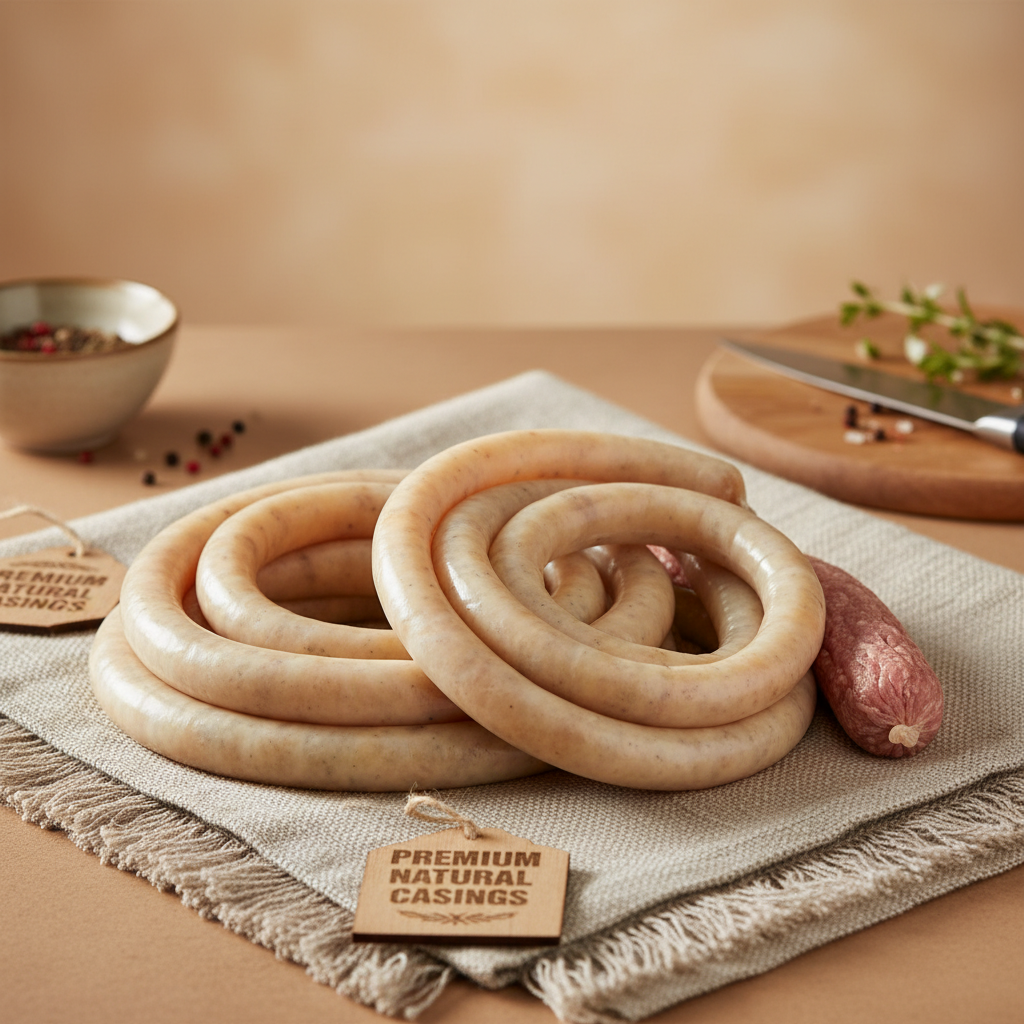
Historically, natural casings were the only option. These are derived from the submucosa of animal intestines and offer excellent texture and “snap” when bitten. However, natural casings are susceptible to variations in size and quality, and require meticulous cleaning and preparation. They also pose challenges in terms of consistent supply and ethical sourcing.
Collagen casings, produced from the collagen found in animal hides, are a popular alternative. They offer greater uniformity in size and shape than natural casings and can be manufactured to specific diameters. Cellulose casings, derived from plant fibers, are often used for cooked sausages and are known for their ease of peeling. Synthetic casings, made from polymers, are increasingly utilized for specialty sausages and offer excellent strength and barrier properties.
The choice of casing material depends on the type of sausage being produced, desired texture, cooking method, and cost considerations. Each material possesses unique characteristics that influence the final product’s quality and appeal. Understanding these differences is crucial for selecting the optimal casing for a specific application.
Key Characteristics of High-Quality Casings
Several key characteristics define a high-quality dried sausage casing. Permeability is crucial, allowing for proper smoke penetration and moisture release during the drying and aging process. Strength and elasticity are essential for withstanding the rigors of stuffing, cooking, and handling without tearing or bursting.
Uniformity in size and shape ensures consistent product appearance and portion control. Color and clarity are also important aesthetic considerations, particularly for sausages intended for visual display. Finally, a high-quality casing must be food-grade, free from harmful contaminants, and comply with all relevant safety regulations.
Casing Performance Metrics for Different Materials
Diverse Applications Across Global Cuisine
The use of dried sausage casings is remarkably diverse, reflecting the rich tapestry of global culinary traditions. In Germany, they are essential for creating iconic sausages like Bratwurst and Weisswurst. In Italy, they form the foundation of salami, soppressata, and other cured meats. Spanish chorizo and Portuguese chouriço rely heavily on carefully selected casings to achieve their characteristic texture and flavor.
Beyond Europe, variations of sausages utilizing dried casings are found across Latin America (e.g., longaniza), Asia (e.g., Chinese lap cheong), and Africa (e.g., boerewors). The specific type of casing used often varies based on local preferences, climate conditions, and traditional production methods.
Advantages of Utilizing Dried Sausage Casings
Employing dried sausage casings offers a multitude of benefits. They provide a consistent shape and size for sausages, improving product presentation and portion control. They also contribute to the development of desirable textures, ranging from a firm “snap” to a tender chew. Moreover, casings act as a barrier against moisture loss, extending shelf life and preserving flavor.
The use of casings streamlines the production process, enabling efficient stuffing, linking, and packaging. They also offer opportunities for branding and differentiation, allowing manufacturers to create unique product offerings. Choosing the right type of casing can significantly enhance the overall quality and appeal of sausage products.
Emerging Trends and Future Innovations
The dried sausage casing industry is undergoing a period of dynamic innovation. Research and development efforts are focused on creating more sustainable and biodegradable casing materials, reducing reliance on animal-derived products. Edible collagen casings, for example, are gaining popularity as a natural and environmentally friendly alternative.
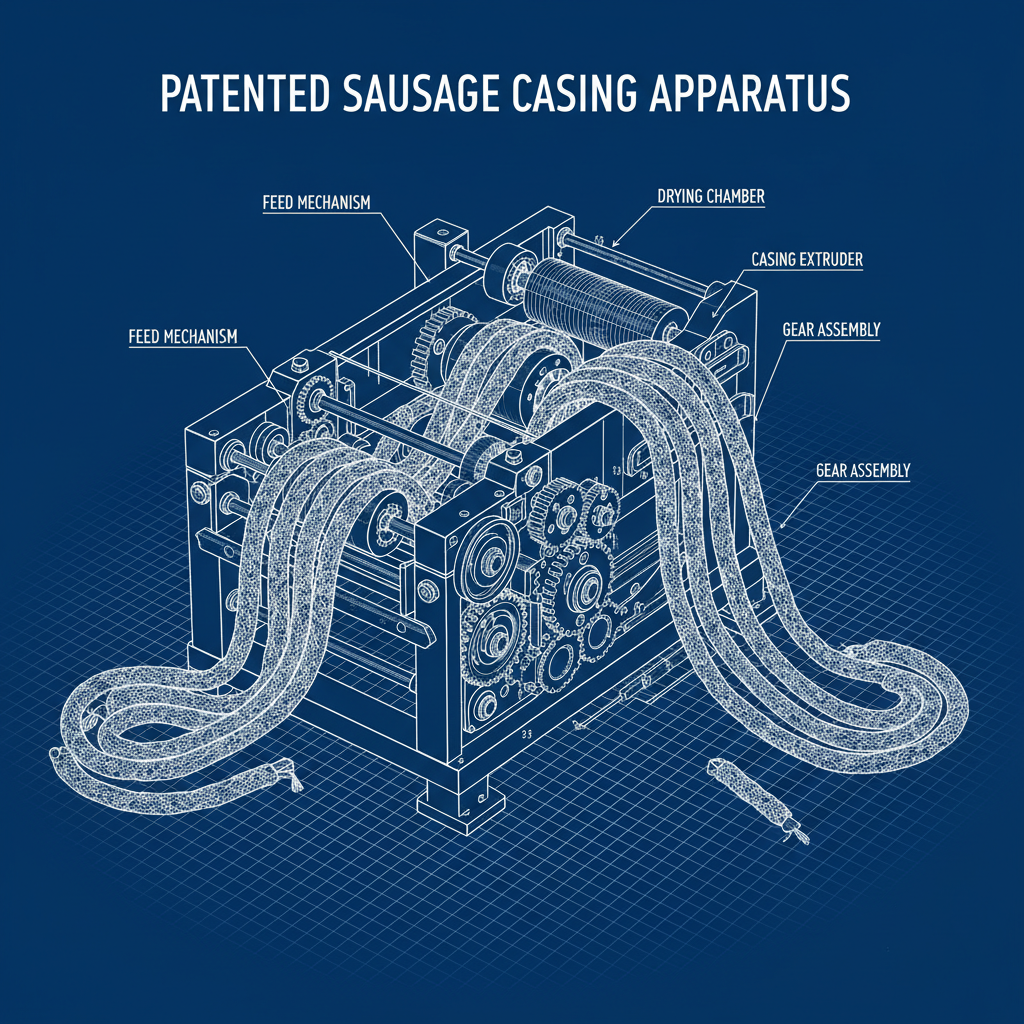
Automation and advanced processing technologies are also playing a key role, enabling more efficient and precise casing production. Furthermore, digital traceability systems are being implemented to enhance food safety and transparency throughout the supply chain. The future of dried sausage casings lies in embracing these advancements to meet evolving consumer demands and address environmental concerns.
The growing demand for plant-based meat alternatives is also spurring innovation in casing materials, with research focused on developing cellulose-based or other vegan-friendly options that mimic the texture and functionality of traditional casings.
FAQS
Natural casings, sourced from animal intestines, provide a superior “snap” and texture but are less uniform. Collagen casings, made from animal hides, offer greater consistency in size and shape, are easier to handle, and are typically more affordable. While natural casings are often preferred for premium products, collagen casings are widely used in large-scale commercial production due to their reliability and efficiency.
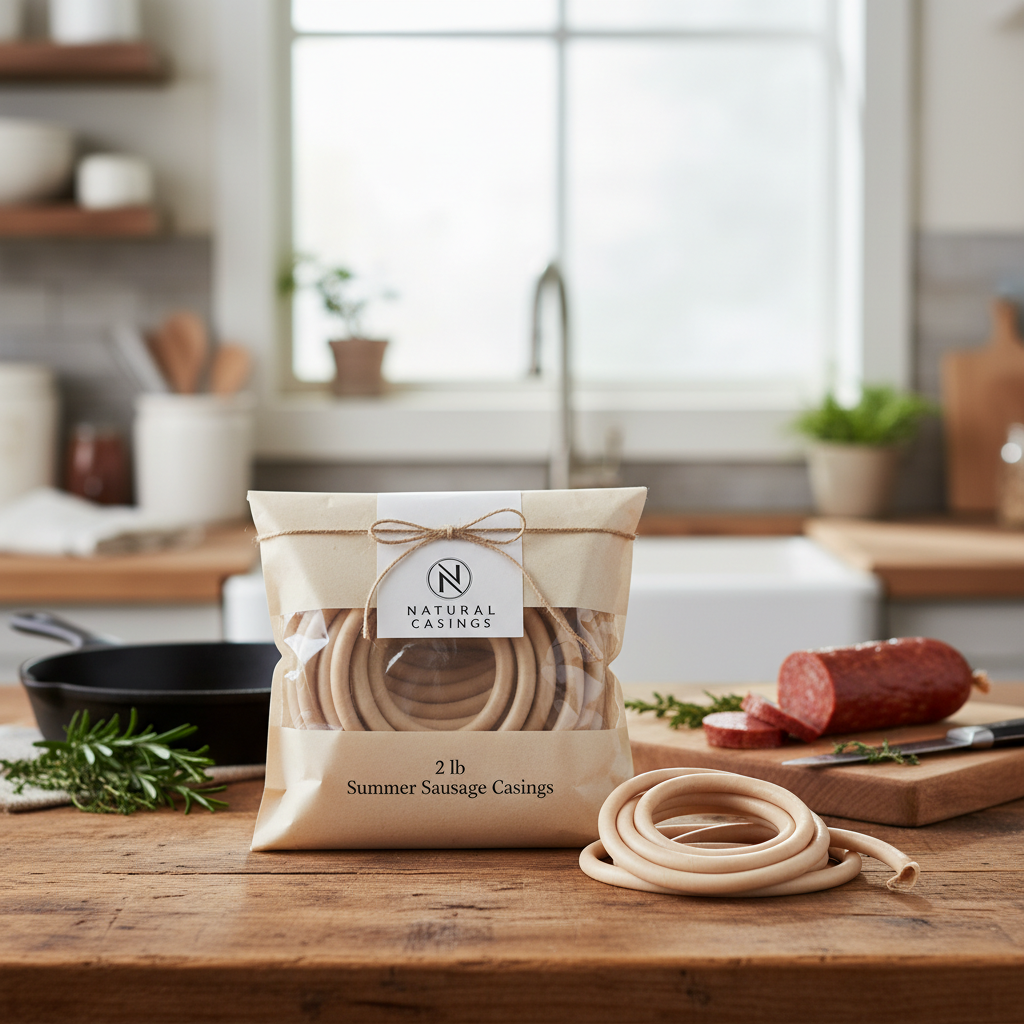
Dried sausage casings should be stored in a cool, dry, and well-ventilated area, away from direct sunlight and moisture. Maintaining a consistent temperature and humidity level is crucial. Ideally, they should be kept in their original packaging or a sealed container to prevent contamination and deterioration. Follow the manufacturer's specific storage recommendations for optimal results.
While generally safe, it's essential to source casings from reputable suppliers who adhere to strict quality control standards. Proper handling and preparation are also crucial to prevent contamination. Natural casings require thorough cleaning and brining before use. Collagen and cellulose casings are typically pre-treated and ready for use, but it’s still important to follow hygienic practices throughout the sausage-making process.
Traditional dried sausage casings are derived from animal sources and are not suitable for vegetarian or vegan sausages. However, cellulose casings and other plant-based alternatives are available specifically designed for these applications. These casings provide the necessary structure and texture for plant-based sausage products while maintaining their vegetarian or vegan status.
The shelf life of dried sausage casings varies depending on the type of casing and storage conditions. Natural casings generally have a shorter shelf life than collagen or cellulose casings. Properly stored, collagen casings can last for several years, while natural casings typically have a shelf life of 6-12 months. Always check the manufacturer's expiration date and follow their storage recommendations.
Casing size is determined by the diameter of the sausage you intend to produce. Casings are typically sold by caliber, which represents the number of meters of casing per kilogram of weight. It's crucial to select a casing caliber that corresponds to your desired sausage diameter. Manufacturers often provide sizing charts to help you choose the appropriate casing for your specific requirements.
Conclusion
In conclusion, dried sausage casings are far more than just a simple packaging component; they represent a critical intersection of food science, culinary tradition, and global commerce. From the historical reliance on natural materials to the innovative development of collagen and cellulose alternatives, these casings have evolved to meet the ever-changing demands of the meat industry. Their impact extends beyond product quality and shelf life, influencing economic factors, sustainability concerns, and consumer preferences.
Looking ahead, continued innovation in casing materials and production techniques will be crucial for addressing the challenges of food security and environmental responsibility. Embracing sustainable practices, optimizing production efficiency, and maintaining rigorous quality control standards are essential for ensuring the future viability of this vital industry component. For reliable and high-quality dried sausage casings, visit our website: www.rtcasing.com.