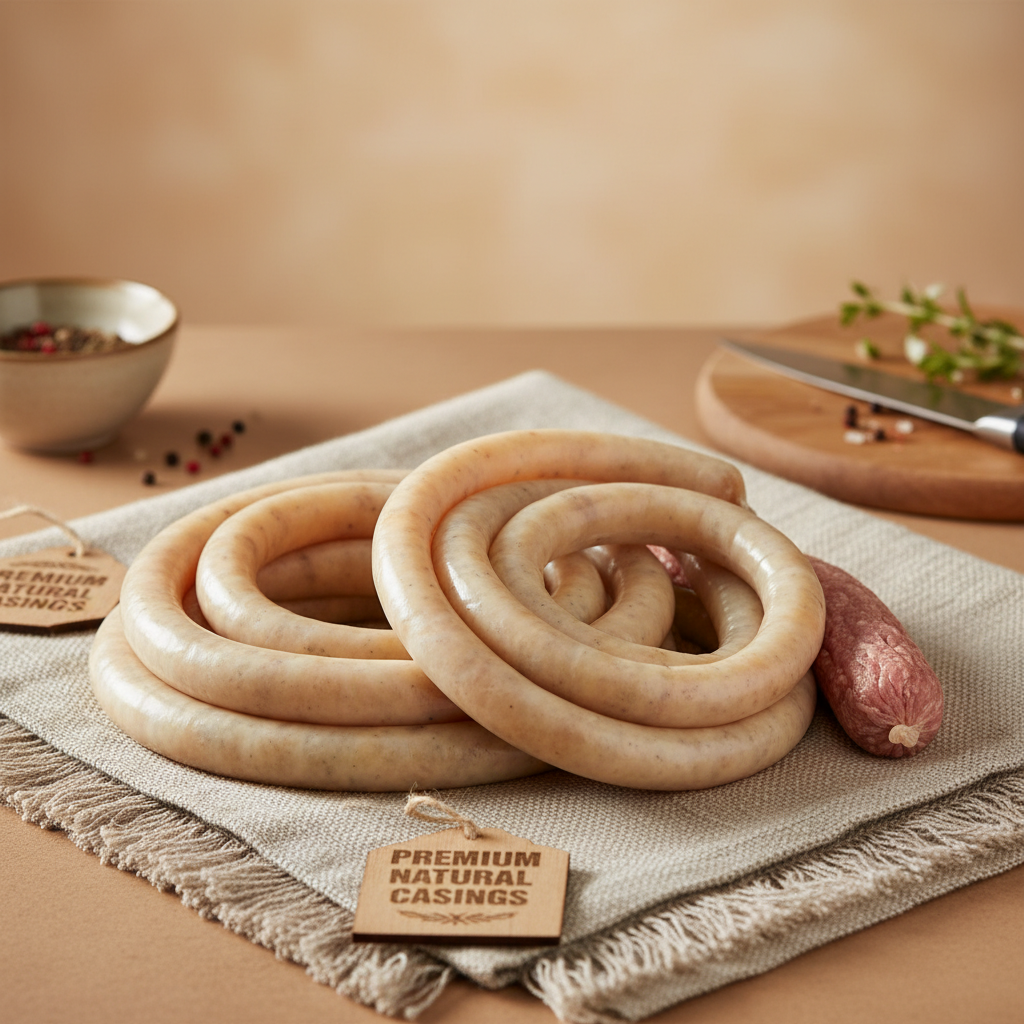
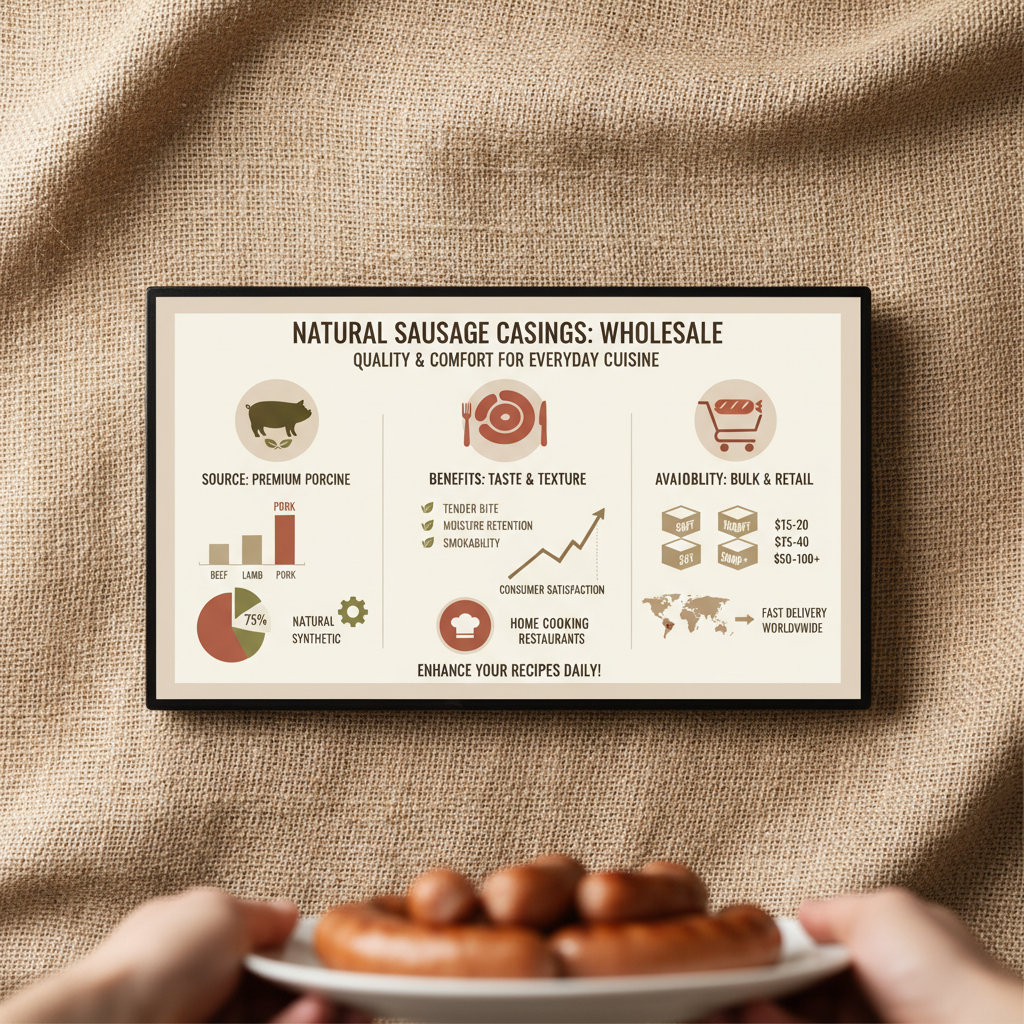
Natural sausage casings are a crucial component in the production of various sausages worldwide, offering a unique texture and 'snap' that synthetic casings often cannot replicate. The global demand for authentic, high-quality sausages drives a consistent need for natural sausage casings for sale. Understanding the sourcing, processing, and application of these casings is vital for both producers and consumers. This article delves into the intricacies of natural sausage casings, exploring their properties, global relevance, and future trends.
The market for natural sausage casings is influenced by factors like regional culinary traditions, consumer preferences for natural ingredients, and the growth of the meat processing industry. Globally, the demand is particularly strong in Europe, North America, and increasingly in Asia, as meat consumption rises and consumers seek out traditional food experiences. Natural sausage casings represent a connection to heritage and quality, impacting food culture and commerce.
Sourcing and maintaining the integrity of natural sausage casings is a complex process, impacting everything from food safety to product quality. The availability of consistent, high-grade natural sausage casings for sale is therefore essential for sausage manufacturers aiming to meet consumer demands and maintain brand reputation. This highlights the importance of reliable suppliers and efficient logistics networks.
The Significance of Natural Sausage Casings
Natural sausage casings aren’t merely a container for meat; they actively contribute to the final product's texture, flavor, and overall eating experience. They provide a distinct 'snap' when bitten into, a characteristic highly valued by sausage connoisseurs. The natural permeability of these casings also allows for a subtle smoke penetration during the cooking process, enhancing the sausage's aroma and taste.
The use of natural sausage casings often signifies a commitment to traditional methods and higher quality ingredients. This is especially important in markets where consumers are increasingly seeking out authentic, minimally processed foods. Consequently, the demand for natural casings continues to remain strong, despite the availability of more cost-effective synthetic alternatives.
Defining Natural Sausage Casings
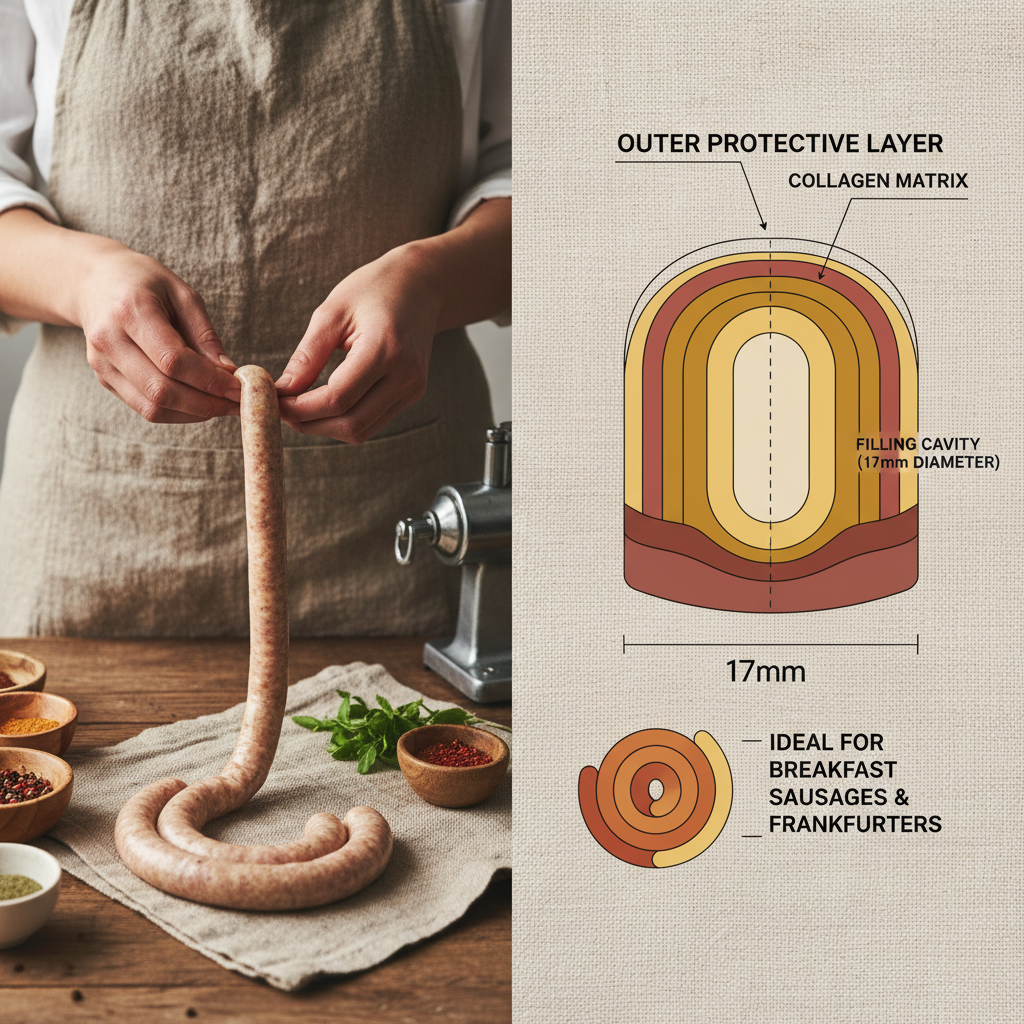
Natural sausage casings are produced from the serous layer of animal intestines, typically from pigs, sheep, or cattle. These membranes are carefully cleaned, processed, and preserved for use in sausage making. Unlike collagen, cellulose, or plastic casings, natural casings are a byproduct of meat processing, making them a sustainable and renewable resource.
The process of preparing natural sausage casings involves a meticulous series of steps, including scraping, flushing, salting, and sometimes pickling. This ensures the removal of impurities and preserves the casing's structural integrity, enabling it to withstand the stresses of filling, linking, and cooking.
The connection between natural sausage casings and modern industry lies in the growing consumer demand for authentic, high-quality food products. In an era where traceability and natural ingredients are highly valued, natural sausage casings for sale offer a tangible link to traditional food production methods.
Key Characteristics of Quality Casings
Durability is a key attribute of high-quality natural sausage casings. They must be strong enough to withstand the mechanical stresses of filling and linking without tearing or breaking. A durable casing also ensures the sausage maintains its shape during cooking and storage.
Permeability is another crucial characteristic. Natural casings allow for a degree of gas and moisture exchange, which contributes to the development of desirable flavors and textures during smoking and drying. The correct permeability ensures a balance between smoke penetration and moisture retention.
Elasticity is vital for consistent filling and linking. Natural casings need to stretch adequately to accommodate the sausage meat without bursting. The right level of elasticity also contributes to the overall mouthfeel of the finished product.
Factors Influencing Casings Performance
The animal source significantly impacts the casing's characteristics. Pig casings are generally the most common, known for their strength and elasticity. Sheep casings are smaller in diameter and used for smaller sausages, while beef casings are thicker and more robust.
Processing methods play a critical role. Proper cleaning, salting, and preservation techniques are essential to maintain the casing’s integrity and prevent spoilage. The quality of the water used in processing also affects the final product.
Casings Performance Ratings (1-10)
Global Applications and Regional Preferences
In Europe, particularly Germany and Poland, natural casings are deeply ingrained in traditional sausage-making practices. Specific varieties, like Bratwurst and Kielbasa, almost exclusively rely on natural casings to achieve their characteristic texture and flavor.
North America sees substantial demand for natural casings, driven by the popularity of sausages like Italian sausage and chorizo. There’s growing interest in artisanal and locally-sourced sausages, further boosting the demand for natural casings.
Advantages and Long-Term Value
Using natural sausage casings for sale offers significant advantages over synthetic alternatives, particularly in terms of flavor and texture. The natural permeability of the casings enhances smoke absorption and allows for a more authentic sausage experience. Furthermore, natural casings are a biodegradable and sustainable product.
The long-term value lies in consumer perception and brand reputation. Sausages made with natural casings are often perceived as being higher quality and more artisanal, allowing manufacturers to command premium prices and build brand loyalty.
From a sustainability perspective, utilizing a byproduct of the meat industry aligns with the growing demand for environmentally responsible practices. This contributes to a positive brand image and appeals to environmentally conscious consumers.
Future Trends and Innovations
Traceability and certification are becoming increasingly important. Consumers want to know the origin of their food, and this extends to the casings used in sausages. Blockchain technology is being explored to enhance traceability and ensure the authenticity of natural casings.
Advancements in preservation techniques aim to extend the shelf life of natural casings while maintaining their quality. Novel drying and salting methods are being investigated to minimize waste and improve efficiency.
Research into alternative animal sources for casings is ongoing, exploring the potential of utilizing casings from other livestock or even marine animals to diversify supply and address sustainability concerns.
Summary of Challenges and Potential Solutions for Natural Sausage Casings
| Challenge |
Impact on Quality |
Potential Solution |
Implementation Cost (1-10) |
| Supply Chain Variability |
Inconsistent casing quality |
Establishing direct relationships with suppliers |
6 |
| Maintaining Freshness |
Reduced shelf life and increased waste |
Improved preservation techniques (e.g., vacuum packaging) |
4 |
| Casing Tears & Breaks |
Production downtime and product loss |
Optimizing filling pressure and casing hydration |
3 |
| Quality Control |
Inconsistent final product |
Implementing rigorous quality checks throughout processing |
5 |
| Traceability Concerns |
Difficulty verifying origin and authenticity |
Adopting blockchain technology |
8 |
| Consumer Demand |
Lack of awareness or preference |
Marketing education around natural casing benefits |
7 |
FAQS
The shelf life of natural sausage casings depends on the preservation method. Salted casings typically have a longer shelf life than fresh casings, often lasting several months when stored properly in a cool, dry environment. Vacuum-packed casings can also have an extended shelf life, but it's crucial to follow the manufacturer's instructions. Maintaining optimal storage conditions is key to preserving their quality and usability.
Yes, natural sausage casings are generally considered very safe to use. They are a natural byproduct of the meat industry and undergo thorough cleaning and processing to ensure they are free from harmful bacteria. However, it's essential to source casings from reputable suppliers who adhere to strict hygiene standards. Proper handling and storage are also crucial to maintain their safety.
Preparation typically involves soaking the casings in cold water for several hours to rehydrate them and remove excess salt. Some casings may require flushing with water to ensure they are clean inside. It's important to handle them gently to avoid tearing or breaking. Detailed preparation instructions are usually provided by the supplier.
Pork casings are the most common and versatile, offering good strength and elasticity, ideal for most sausages. Sheep casings are smaller in diameter and best for smaller sausages like chipolatas. Beef casings are thicker and more durable, often used for larger sausages like bologna. The choice depends on the desired sausage size and texture.
Natural casings contribute to the flavor of sausages through their permeability, allowing smoke and spices to penetrate the meat. They also impart a unique 'snap' when bitten into, enhancing the overall eating experience. This subtle but significant impact is a key reason why many sausage makers prefer natural casings over synthetic alternatives.
Reliable suppliers of natural sausage casings for sale are crucial for ensuring quality and consistency. Look for suppliers with established reputations, certifications for food safety, and transparent sourcing practices. Online marketplaces and specialized meat processing suppliers are excellent resources.
Conclusion
In conclusion, natural sausage casings remain a vital component in the production of high-quality sausages worldwide. Their unique properties – durability, permeability, and elasticity – contribute significantly to the flavor, texture, and overall appeal of the final product. The continued demand for natural sausage casings reflects a growing consumer preference for authentic, natural, and sustainably sourced food.
Looking ahead, innovations in preservation techniques, traceability, and alternative sourcing will further enhance the value and sustainability of natural casings. By embracing these advancements and prioritizing quality control, the industry can ensure a consistent supply of these essential ingredients for generations to come. Visit our website today to explore our selection: www.rtcasing.com