0%

Table of Contents

Dry sausage casing, a seemingly simple component, plays a crucial role in the global food industry and beyond. Understanding how to use dry sausage casing effectively impacts product quality, preservation, and even food safety regulations worldwide. From traditional European charcuterie to modern American snack sticks, the proper application of these casings is essential for manufacturers seeking consistent results and consumer satisfaction. Its relevance extends to artisanal producers and large-scale industrial operations alike, making mastery of this skill a vital aspect of the broader food processing landscape.

The demand for processed meats continues to grow globally, driven by factors like urbanization, changing lifestyles, and affordability. This escalating demand necessitates a deeper understanding of preservation techniques and packaging solutions, placing a greater emphasis on how to use dry sausage casing efficiently. Simultaneously, increasing scrutiny regarding food safety standards and consumer preferences for natural ingredients highlights the need for careful selection and correct utilization of casing materials. Ignoring these aspects can lead to product failures, regulatory issues, and ultimately, a loss of consumer trust.

The complexities surrounding casing selection and usage also present a unique challenge in developing nations where access to consistent quality and technical expertise may be limited. Effective training and knowledge sharing regarding how to use dry sausage casing can empower local producers, improve food security, and foster economic growth within these communities.
Mastering How to Use Dry Sausage Casing for Optimal Product Quality

Defining Dry Sausage Casing and its Applications

Mastering How to Use Dry Sausage Casing for Optimal Product Quality

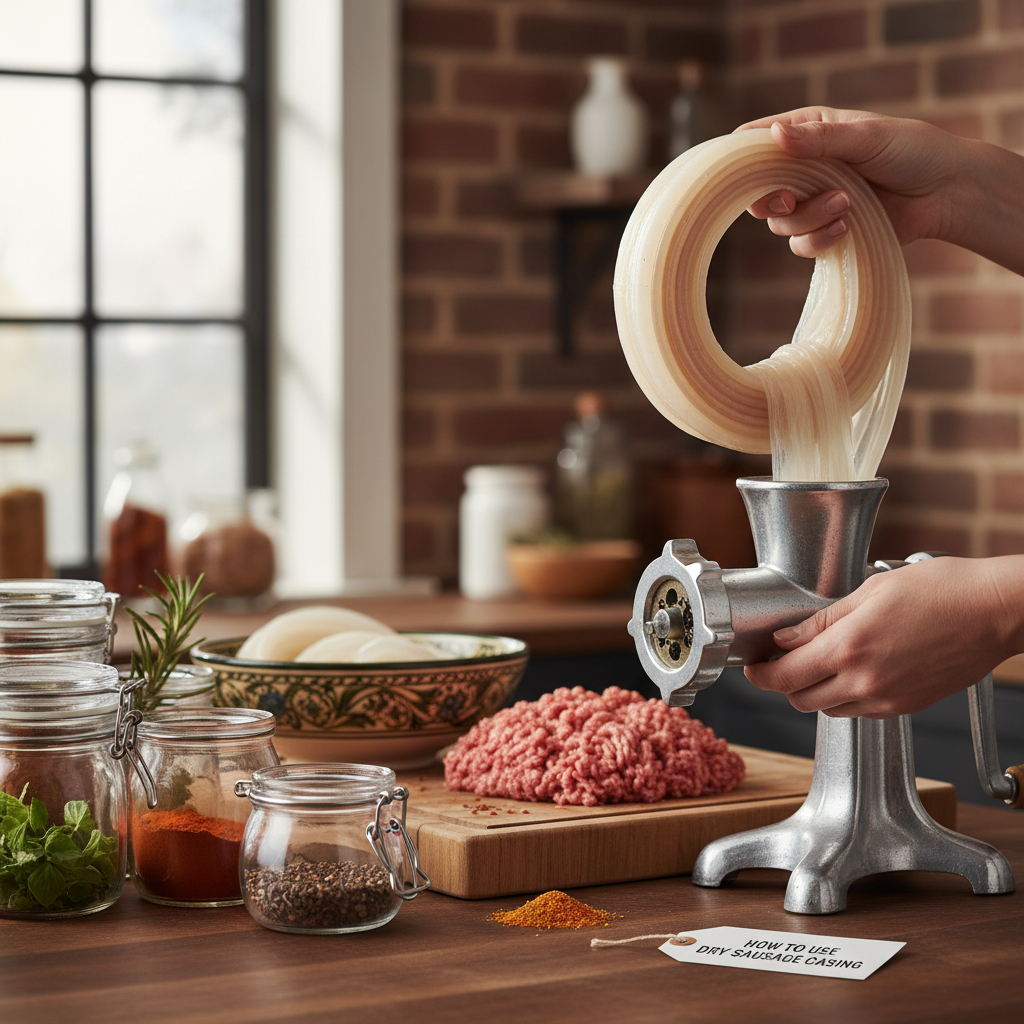
Dry sausage casing refers to the outer membrane used to contain and shape sausages during processing and aging. Traditionally made from animal intestines – typically pork, beef, or sheep – modern casings also include collagen, cellulose, and plastic varieties. The selection of a specific casing type directly impacts the final product’s texture, appearance, and shelf life.

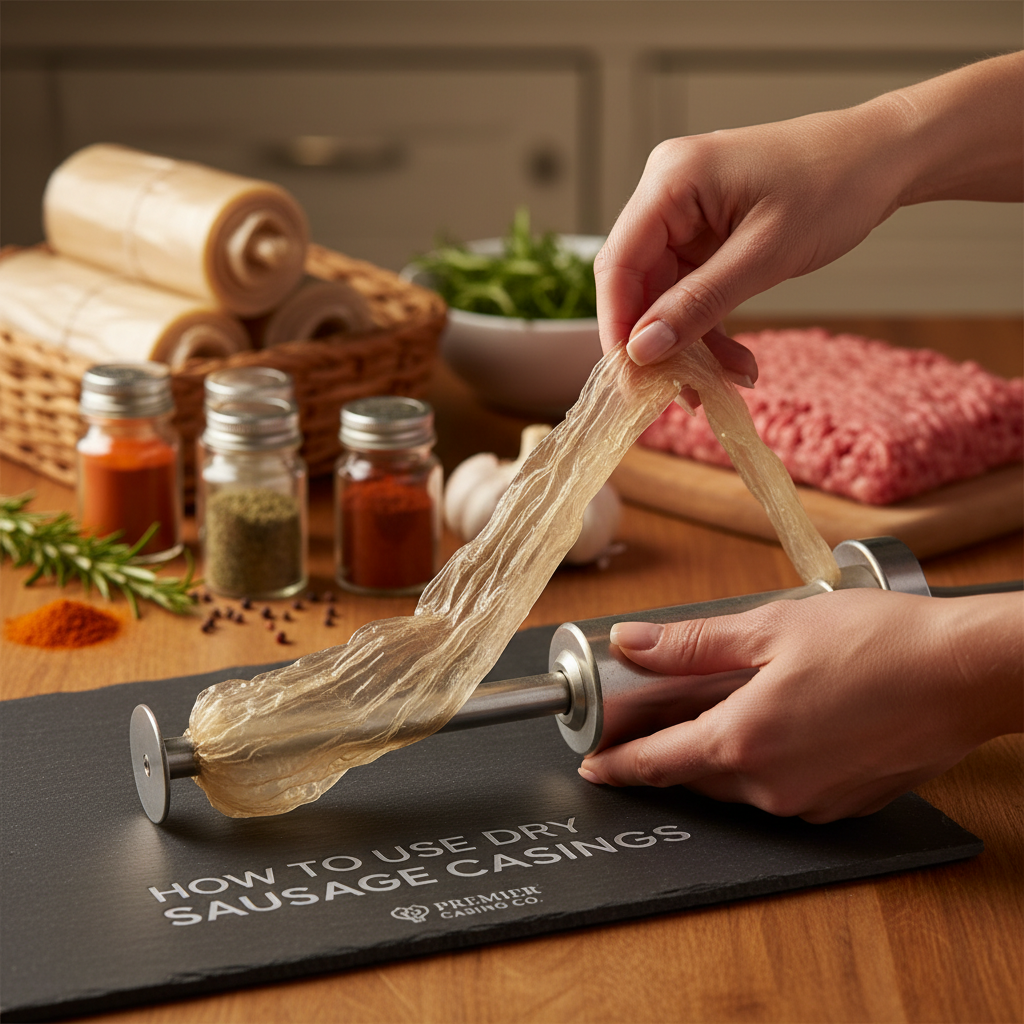
Understanding the specific properties of each casing material is fundamental to how to use dry sausage casing effectively. Natural casings provide a distinctive ‘snap’ and permeability, while collagen and cellulose casings offer consistency and ease of use. Proper preparation, including soaking and shirring, is critical for optimal performance, regardless of the casing type.

The Global Significance of Casing Usage

The demand for dry sausage and other encased meat products is deeply rooted in culinary traditions across the globe. From Italian salami and Spanish chorizo to German bratwurst and Polish kielbasa, casings are an integral part of these iconic foods. This widespread consumption translates to a massive global market for casings, influencing agricultural practices and international trade.

Data from the FAO (Food and Agriculture Organization of the United Nations) indicates that processed meat consumption is steadily increasing in developing countries, driven by rising incomes and urbanization. This growth necessitates a robust supply chain for casings and a skilled workforce capable of how to use dry sausage casing properly.

Furthermore, strict food safety regulations in many countries, including those enforced by the USDA and the EU, demand careful attention to casing sourcing, handling, and processing. Compliance with these standards is crucial for manufacturers seeking to export their products internationally, highlighting the importance of technical expertise and quality control.

Key Factors Influencing Casing Performance

Several key factors determine the success of how to use dry sausage casing. Permeability, the ability of the casing to allow moisture and smoke to pass through, is crucial for achieving desired flavor and texture profiles. The casing’s elasticity and tensile strength influence its ability to withstand the stresses of stuffing, smoking, and aging.

Consistency in casing diameter and wall thickness is also vital for uniform product appearance and weight control. Moreover, the casing’s compatibility with the specific meat formulation and processing conditions – including pH levels, temperature, and smoking methods – significantly impacts its performance and the overall quality of the final product. Proper storage is also a key element.

Finally, the cost-effectiveness of the casing material must be considered, balancing performance characteristics with budgetary constraints. Careful evaluation of these factors allows manufacturers to select the optimal casing for their specific application and maximize production efficiency.

Casing Selection & Processing Techniques

Choosing the right casing for a particular sausage product requires careful consideration of the desired characteristics. Natural casings offer superior flavor and texture but demand more skilled handling. Collagen casings provide excellent consistency and are relatively easy to use, while cellulose casings are often chosen for their cost-effectiveness.

Effective processing techniques are equally important. Soaking natural casings in water helps to rehydrate them and increase their elasticity. Shirring, the process of stretching the casing over a tube, prepares it for stuffing. Careful monitoring of stuffing pressure and temperature is crucial to prevent casing rupture.

Casing Performance Metrics


Global Applications of Dry Sausage Casings

The application of dry sausage casings varies greatly across regions, reflecting local culinary traditions and preferences. In Europe, natural casings remain dominant for many traditional sausages, while collagen and cellulose casings are gaining popularity for mass-produced products.

In North America, cellulose casings are commonly used for hot dogs and other processed meats, while collagen casings are favored for dry salami and other specialty sausages. In Asia, the demand for casings is increasing rapidly, driven by the growing popularity of Western-style processed meats.

Advantages and Long-Term Value Proposition

Mastering how to use dry sausage casing unlocks several tangible benefits for manufacturers. Improved product quality, enhanced shelf life, and reduced waste contribute to increased profitability. Consistent casing performance minimizes production downtime and reduces the risk of product recalls.

From a sustainability perspective, utilizing casings efficiently minimizes the environmental impact of packaging materials. Furthermore, providing consumers with high-quality, safe, and visually appealing sausage products fosters trust and builds brand loyalty, creating long-term value for the business.

Ultimately, the ability to consistently produce exceptional sausage products enhances a manufacturer’s reputation and strengthens their position in the competitive food industry.

Future Trends and Innovations in Casing Technology

The future of casing technology is focused on developing more sustainable and functional materials. Research is underway to create biodegradable casings derived from renewable resources, reducing reliance on fossil fuels. Innovations in casing coatings aim to improve barrier properties and extend shelf life.

Digital technologies, such as machine vision and automated casing inspection systems, are enhancing quality control and reducing waste. Furthermore, advancements in casing manufacturing techniques are leading to thinner, more consistent casings with improved elasticity and permeability.

These innovations will enable manufacturers to produce higher-quality, more sustainable sausage products while optimizing production efficiency and minimizing environmental impact.

A Summary of Key Casing Considerations

Casing Type Cost (USD/meter) Permeability (1-10) Ease of Use (1-10)
Natural Pork $0.50 - $1.00 9 4
Collagen Beef $0.30 - $0.70 7 8
Cellulose $0.10 - $0.30 5 9
Plastic $0.05 - $0.20 3 10
Natural Sheep $0.60 - $1.20 8 5
Collagen Pork $0.40 - $0.80 6 7

FAQS

What's the best way to prepare natural sausage casings for use?

Natural casings require thorough preparation. This involves rinsing them inside and out with cold water to remove salt and debris. Soaking them in cold water for several hours, and ideally overnight, helps rehydrate and soften them. Finally, shirring the casing onto a horn prepares it for stuffing. Failing to properly prepare natural casings can lead to tearing during filling and a compromised final product.

How do collagen and cellulose casings differ in terms of smoke permeability?

Collagen casings generally offer a moderate level of smoke permeability, allowing for some smoke penetration and flavor development. Cellulose casings, on the other hand, typically have lower permeability, resulting in a less smoky flavor profile. The specific permeability of both types can vary depending on the manufacturer and casing specifications. Choosing the right casing depends on the desired level of smoke flavor in the final product.

Can I use plastic casings for dry-cured sausages?

Plastic casings are generally not recommended for dry-cured sausages. Their low permeability prevents the necessary moisture loss during the curing process, leading to a soft, undesirable texture. Moreover, plastic casings can affect the flavor development and may not be suitable for long-term aging. Natural, collagen, or fibrous casings are the preferred choices for dry-cured products.

What causes casings to rupture during stuffing?

Casing rupture can be caused by several factors, including overstuffing, uneven stuffing pressure, casings that are too dry or brittle, and the presence of sharp bone fragments in the meat mixture. Ensuring proper casing preparation, controlling stuffing speed and pressure, and carefully inspecting the meat for foreign objects are crucial preventative measures.

How should casings be stored to maintain their quality?

Proper storage is essential for maintaining casing quality. Natural casings should be refrigerated or frozen, depending on their form. Collagen and cellulose casings should be stored in a cool, dry place, away from direct sunlight and moisture. Following the manufacturer’s storage recommendations is crucial to prevent spoilage and ensure optimal performance.

Are there any sustainable alternatives to traditional animal-derived casings?

Yes, there's growing interest in plant-based and lab-grown casing alternatives. Cellulose casings offer a more sustainable option than some animal-derived casings. Research is also being conducted on developing casings from algae and other renewable resources. While these alternatives are still evolving, they represent a promising path toward more environmentally friendly sausage production.

Conclusion

In conclusion, how to use dry sausage casing is a multifaceted skill that underpins the success of numerous food businesses worldwide. From understanding the nuances of different casing materials to mastering the art of preparation and processing, a deep knowledge of this craft is essential for producing high-quality, safe, and appealing sausage products. The factors that impact casing performance are varied and require attention to detail.

Looking ahead, innovation in casing technology will continue to drive sustainability and efficiency in the meat processing industry. By embracing new materials, refining processing techniques, and prioritizing quality control, manufacturers can ensure they remain competitive in an evolving market. We invite you to explore our range of high-quality casings and expert resources at www.rtcasing.com.

Kevin Brown

Kevin Brown

Kevin Brown is a key member of the Domestic Business Department at Runtai. He focuses on building and maintaining strong relationships with our domestic clients and distributors. Kevin joined Runtai in 2017 with a solid background in sales and marketing within the food industry. He is adept at understanding market
Previous Exploring Diverse Sausage Casings Types for Optimal Product Quality and Market Success
Next Understanding Sheep Casing Price Dynamics and Global Market Trends

If you are interested in our products, you can choose to leave your information here, and we will be in touch with you shortly.