Dried hog casings represent a cornerstone of the sausage and food processing industry globally. These natural intestinal linings, derived from pigs, are crucial for producing a vast array of sausages, ranging from traditional European varieties to popular American breakfast links. Their unique properties – elasticity, permeability, and natural flavor contribution – make them irreplaceable for many applications. Understanding the intricacies of dried hog casings, from their production to their applications, is paramount for food manufacturers, quality control specialists, and anyone involved in the broader food supply chain.
The global demand for processed meats, and consequently, dried hog casings, continues to grow alongside rising populations and changing dietary preferences. According to the UN, the world population is projected to reach nearly 10 billion by 2050, fueling an increased need for efficient and scalable food production methods. The ISO 22000 food safety management standards further emphasize the importance of quality and traceability in sourcing ingredients like dried hog casings, ensuring consumer safety and building trust.
However, challenges remain. Fluctuations in pig farming, disease outbreaks (like African Swine Fever), and increasing scrutiny regarding animal welfare raise concerns about the stability of the supply chain. Reliable and sustainable sourcing of high-quality dried hog casings is therefore becoming increasingly vital for maintaining consistent production and meeting evolving consumer demands.
The Significance of Dried Hog Casings
Dried hog casings aren’t simply a packaging material; they are an integral component influencing the texture, flavor, and overall quality of the final sausage product. Their natural composition allows for consistent smoke penetration and provides a ‘snap’ during biting, characteristics highly valued by consumers. The continued demand for authentic and traditionally made sausages ensures the enduring relevance of dried hog casings.
The economic impact of dried hog casings extends beyond the food processing sector. It supports a complex network of pig farmers, processing facilities, transportation companies, and retailers. Maintaining a stable and efficient supply chain for dried hog casings is therefore crucial for economic stability in numerous regions worldwide.
Defining Dried Hog Casings
Dried hog casings are the serous and muscular layers of the small intestine of pigs, meticulously cleaned, salted, and then dried to a specific moisture content. This process transforms the fresh intestinal lining into a durable, shelf-stable product ready for use in sausage production. They are categorized by size, measured in rings or inches, to accommodate different sausage diameters.
Their connection to modern industry lies in providing a natural, edible container for meat emulsions, allowing for the creation of a diverse range of sausage products. Unlike synthetic casings, dried hog casings contribute to the development of characteristic flavors during smoking and cooking. This natural quality aligns with the growing consumer preference for minimally processed foods.
Crucially, the production process emphasizes food safety. Stringent quality control measures, including inspection for defects and microbial contamination, are implemented throughout the drying and storage phases to guarantee a safe and reliable ingredient for food manufacturers.
Core Characteristics of Dried Hog Casings
One of the most significant characteristics of dried hog casings is their elasticity. This allows them to expand and contract during the stuffing process and withstand the pressures of cooking without bursting. This is a direct result of the collagen structure within the casing material.
Permeability is another key feature. Dried hog casings allow for the passage of smoke and moisture, contributing to the distinct flavor and texture of smoked sausages. The degree of permeability can be subtly influenced by the drying process and the specific breed of pig used.
Finally, dried hog casings contribute a subtle, yet noticeable, flavor to the finished product. This flavor is highly desired in many traditional sausage recipes and is difficult to replicate with synthetic alternatives. The casing also provides a natural “snap” or bite when the sausage is consumed, enhancing the overall eating experience.
Key Factors Influencing Dried Hog Casing Quality
The breed of pig is a primary determinant of casing quality. Certain breeds produce casings that are thicker, more elastic, and have a finer grain structure. Genetics play a significant role in the collagen content and overall strength of the casing.
Proper intestinal handling and cleaning immediately after slaughter are critical. Delays or improper techniques can lead to bacterial contamination and degrade the casing's quality. Rapid chilling and thorough washing are essential first steps.
Dried Hog Casing Quality Assessment
Global Applications and Industry Impact
Dried hog casings are predominantly used in the production of sausages across Europe, North America, and parts of Asia. German Bratwurst, Italian Salami, Polish Kielbasa, and American hot dogs are just a few examples of popular sausage varieties that rely on dried hog casings for their characteristic texture and flavor.
The food processing industry is the primary beneficiary, with sausage manufacturers constituting the largest consumer base. However, smaller-scale artisanal producers and traditional butchers also maintain a strong demand for high-quality dried hog casings, valuing their natural qualities and superior performance.
Advantages and Long-Term Value Proposition
The use of dried hog casings offers significant cost-effectiveness compared to some synthetic alternatives, particularly when considering the enhanced flavor and texture they impart. They require less specialized equipment for processing and often lead to higher consumer acceptance due to their natural origin.
From a sustainability perspective, utilizing a byproduct of the pork industry (the intestines) contributes to reducing waste and maximizing resource utilization. Furthermore, the long shelf life of dried hog casings minimizes spoilage and reduces the environmental impact associated with food waste.
The emotional connection consumers have with traditionally made sausages, often featuring natural casings, translates to brand loyalty and premium pricing opportunities for food manufacturers. Trust in the quality and authenticity of the product is a key driver of consumer preference.
Future Trends and Innovations in Production
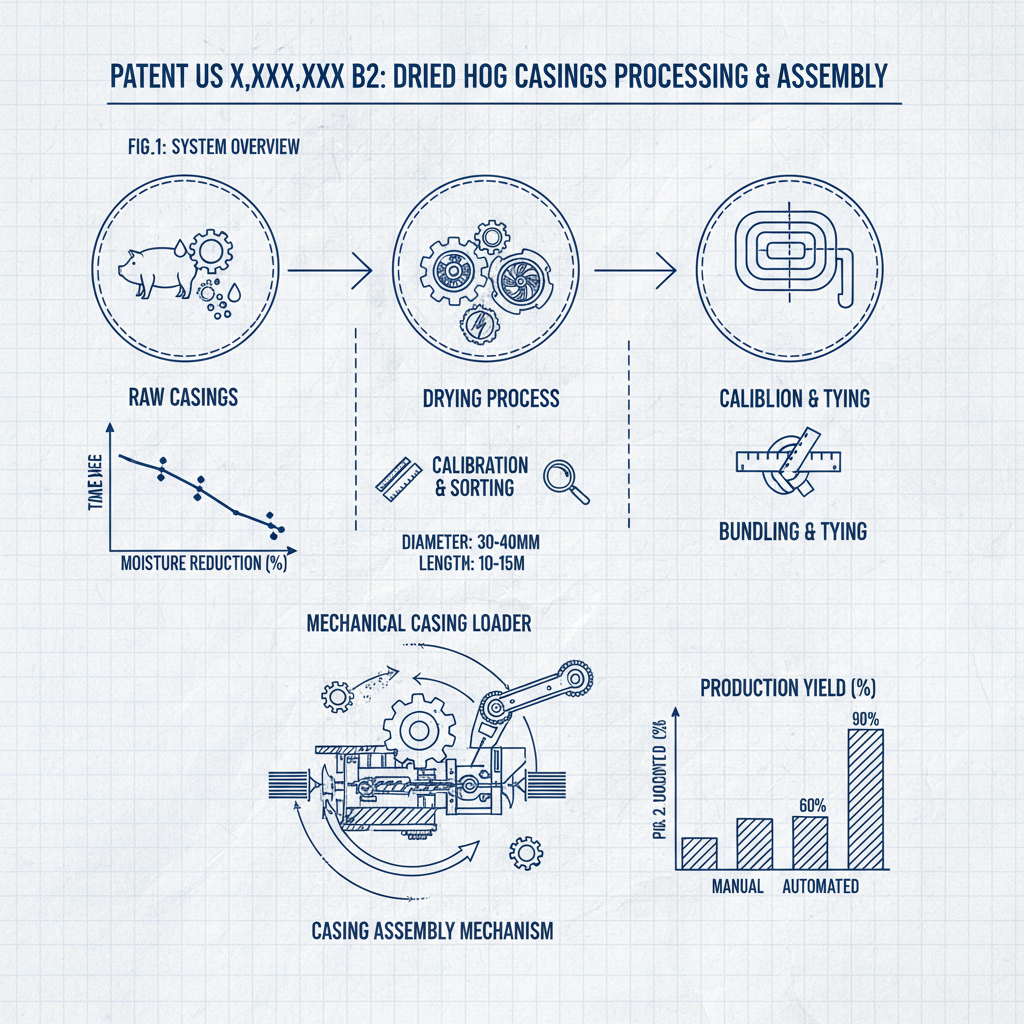
Research into improving the drying process to reduce energy consumption and minimize environmental impact is ongoing. Innovations in salting techniques and automated handling systems aim to enhance efficiency and maintain consistently high quality.
There's growing interest in exploring alternative preservation methods, potentially reducing reliance on traditional salting, while still ensuring product safety and stability. Digital traceability solutions, utilizing blockchain technology, are being investigated to improve supply chain transparency and enhance food safety assurance.
The integration of automation and data analytics in quality control processes promises to optimize production yields, minimize waste, and ensure compliance with increasingly stringent food safety regulations.
Summarizing Key Challenges and Potential Solutions for Dried Hog Casing Production
| Challenge |
Impact on Quality |
Potential Solution |
Implementation Cost (1-10) |
| Disease Outbreaks (e.g., ASF) |
Supply Chain Disruption |
Diversified Sourcing & Biosecurity Measures |
7 |
| Inconsistent Raw Material Quality |
Variable Casing Strength & Elasticity |
Breed Selection & Standardized Handling Protocols |
5 |
| Labor-Intensive Processing |
Increased Production Costs |
Automation of Cleaning & Drying Processes |
8 |
| Maintaining Consistent Moisture Content |
Impact on Shelf Life & Microbial Growth |
Precise Climate Control & Monitoring Systems |
6 |
| Traceability Concerns |
Difficulty Identifying Source of Defects |
Blockchain-Based Supply Chain Tracking |
9 |
| Environmental Impact of Salting |
Brine Disposal & Water Pollution |
Brine Recycling & Alternative Preservation Methods |
7 |
FAQS
The grade of dried hog casings is primarily determined by characteristics like their diameter, length, texture, cleanliness, and strength. Casing diameter is crucial for matching specific sausage recipes. Texture refers to the smoothness and consistency of the casing wall. Cleanliness ensures freedom from contaminants, while strength guarantees they can withstand the stuffing and cooking processes without tearing. These factors influence price and suitability for different applications.
Dried hog casings should be stored in a cool, dry, and well-ventilated area, away from direct sunlight and moisture. Optimal storage temperatures are between 50-60°F (10-15°C) with a relative humidity of 60-70%. Proper storage prevents mold growth, deterioration of elasticity, and ensures a long shelf life. Containers should be tightly sealed to prevent absorption of odors.
When stored correctly, dried hog casings can maintain their quality for up to 2-3 years. However, it's essential to inspect the casings for any signs of deterioration before use. Indicators of spoilage include discoloration, mold growth, or a brittle texture. Regularly monitoring storage conditions and rotating stock is recommended to ensure optimal quality.
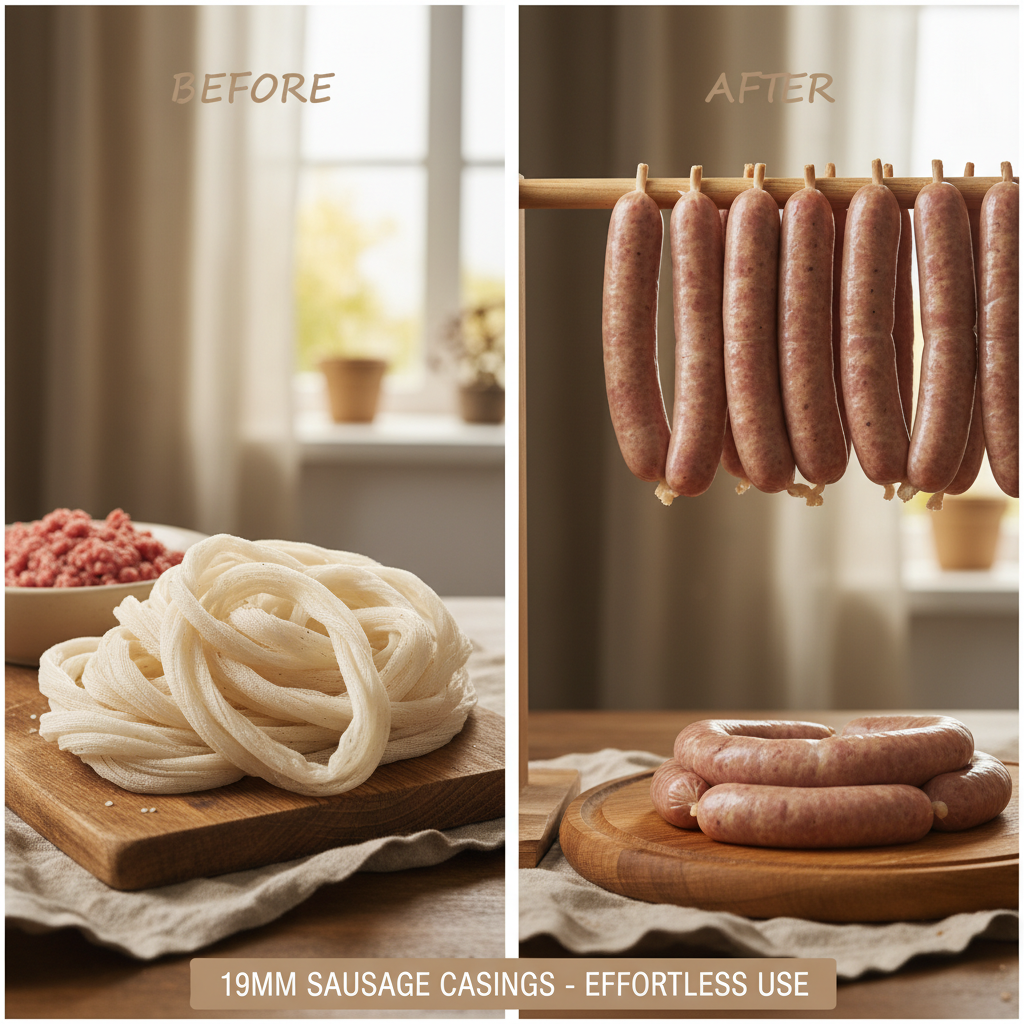
Before use, dried hog casings require soaking in lukewarm water for approximately 30-60 minutes to restore their flexibility. The water should be changed several times during the soaking process. Some manufacturers recommend adding a small amount of mild detergent to the soaking water to ensure thorough cleaning. After soaking, the casings are typically purged with water to remove any salt residue and are ready for stuffing.
Alternatives include collagen casings, cellulose casings, and synthetic polymer casings. Collagen casings offer similar texture to natural casings but can be more expensive. Cellulose casings are less expensive but don’t provide the same snap or smoke permeability. Synthetic casings are typically used for cooked sausages and lack the natural flavor contribution of dried hog casings. The choice depends on the specific sausage recipe and desired characteristics.
Important certifications include ISO 22000 for food safety management, HACCP (Hazard Analysis and Critical Control Points) for identifying and controlling food safety hazards, and potentially certifications related to animal welfare and traceability. These certifications demonstrate a commitment to quality, safety, and ethical sourcing practices.
Conclusion
Dried hog casings remain a vital component of the sausage industry, offering a unique combination of functional properties, flavor contribution, and cost-effectiveness. Their enduring relevance stems from their natural origin, elasticity, permeability, and ability to deliver a superior eating experience. Understanding the factors influencing their quality, from pig breed to processing techniques, is crucial for manufacturers seeking to produce consistently high-quality sausages.
Looking ahead, innovation in production methods, coupled with a commitment to sustainability and traceability, will be key to ensuring the long-term viability of this valuable ingredient. Exploring alternative preservation techniques, automating processing steps, and embracing digital technologies will enhance efficiency, minimize environmental impact, and maintain the quality of dried hog casings for generations to come. For more information on sourcing high-quality dried hog casings, visit our website: https://www.rtcasing.com.