Sep . 10, 2025 10:15
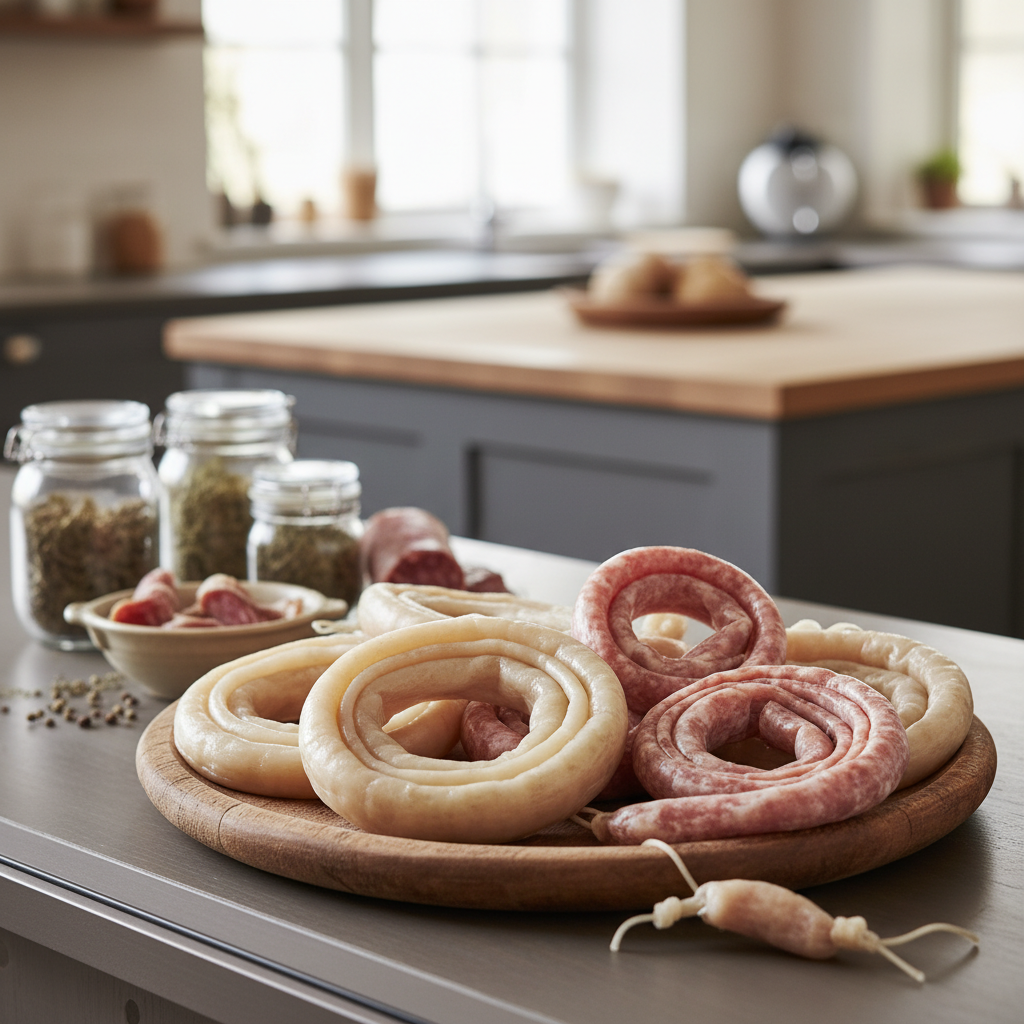
Natural sausage production remains a vital component of global culinary tradition and commercial food manufacturing. At the heart of this process are hog casings, prized for their durability, elasticity, and authentic mouthfeel. As consumer demand for clean-label, natural food products continues to grow, these traditional casings are seeing a resurgence in both artisanal and industrial-scale operations. Whether you’re a sausage manufacturer seeking consistency or a foodservice business focused on authentic taste and appearance, high-quality hog casings for sale present the ideal solution.
Trusted Sourcing and Supply Chain Expertise
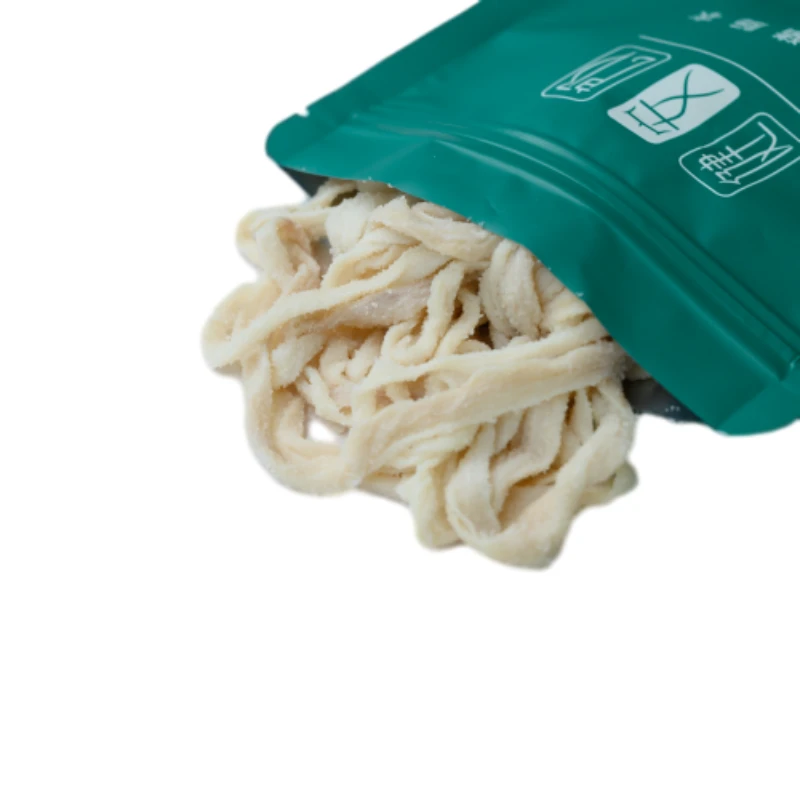
With the sausage industry demanding reliability in both product quality and delivery, working with a reputable salted hog casing supplier is crucial. We specialize in providing premium-grade natural casings that are carefully processed to maintain their natural texture, uniformity, and tensile strength. Our supply chain begins at well-monitored slaughterhouses, where raw materials are selected under strict hygienic supervision. These raw casings are then cleaned, sorted by caliber, salted, and stored in chilled facilities to preserve freshness until shipment.
Our facility complies with global standards and regulations, including HACCP certification and international food export protocols. Through years of export experience and close cooperation with inspection authorities, we ensure the safety, traceability, and legality of each shipment. This reliability makes us a preferred partner for sausage casing importers across Europe, the Middle East, North America, and Southeast Asia.
Meeting Diverse Needs with a Broad Product Portfolio
We understand that sausage producers—from gourmet delis to mass producers—have diverse specifications for their products. That’s why our portfolio includes salted hog casings, salted sheep casings, and dried tubed casings, available in a range of diameters and lengths. Each type serves specific applications. For example, thicker hog casings (38/40 mm, 40/42 mm) are ideal for bratwurst or kielbasa, while thinner ones (30/32 mm, 32/34 mm) are well-suited for chorizo and breakfast links. Meanwhile, salted sheep casings offer smaller calibers with a more delicate bite, favored for slim sausages and high-end dining experiences.
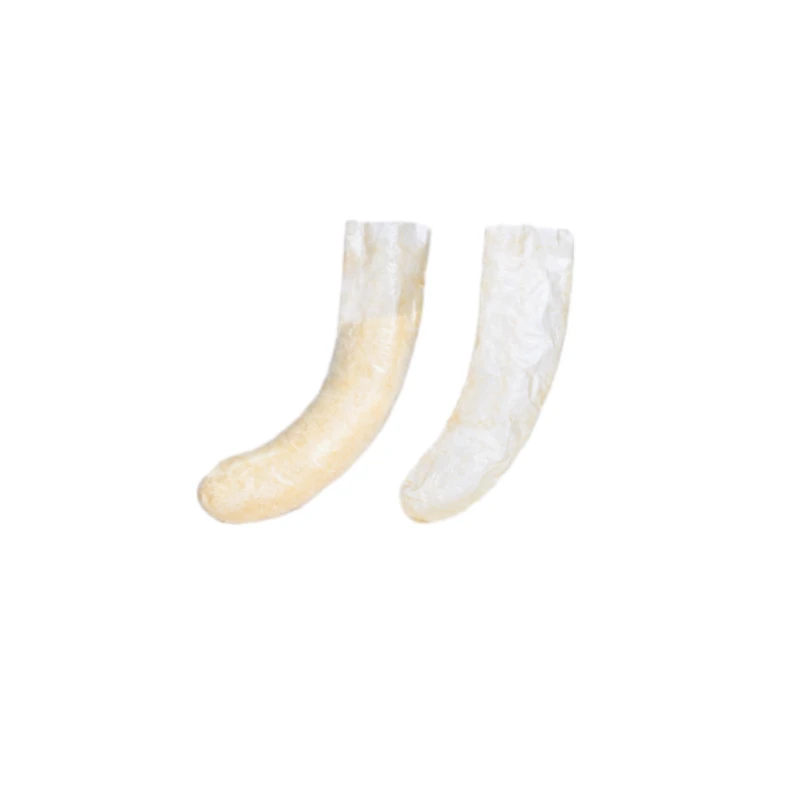
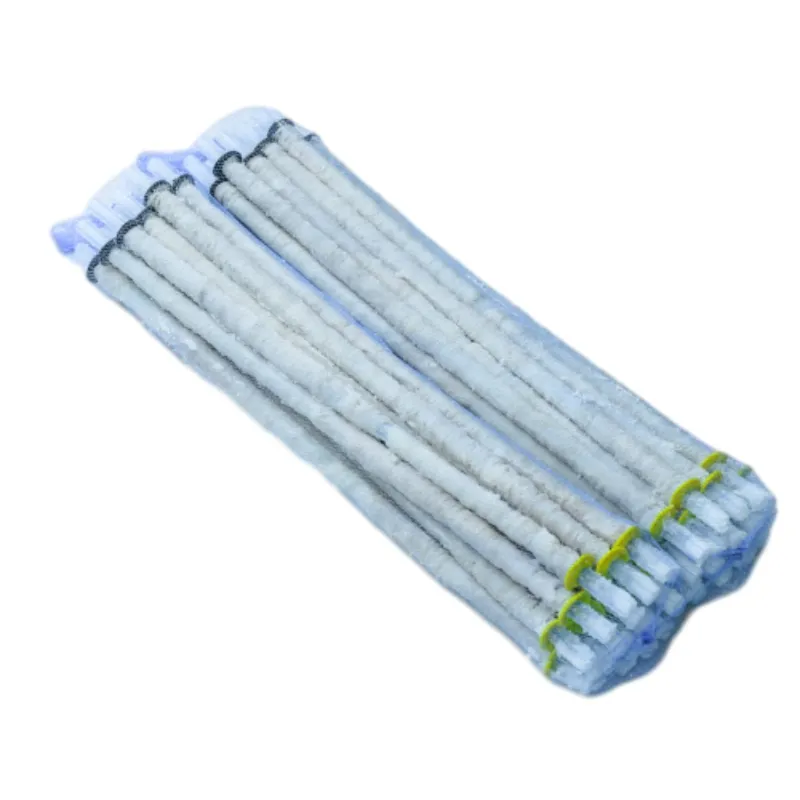
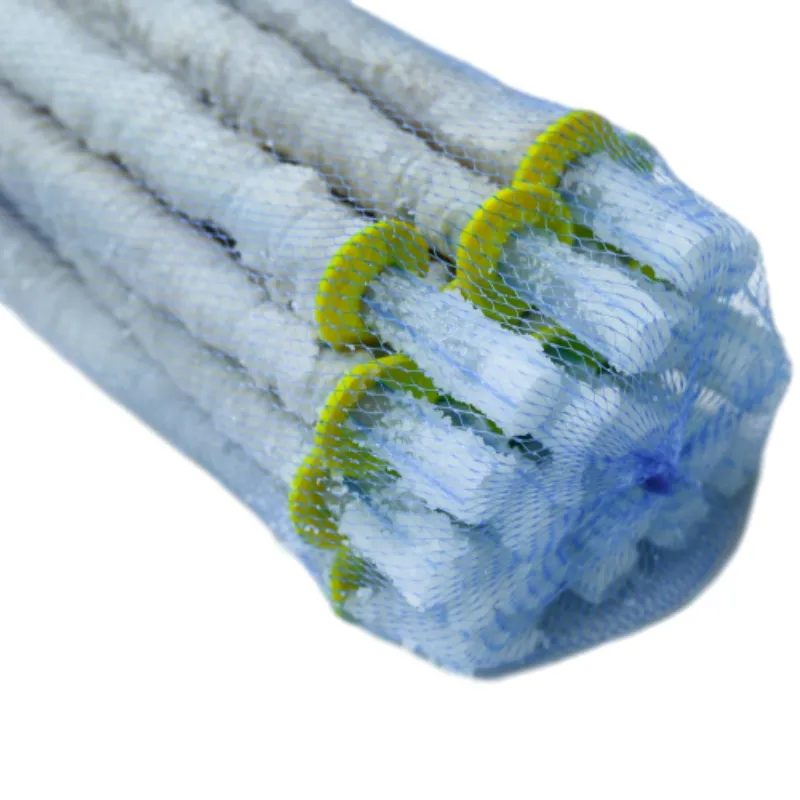
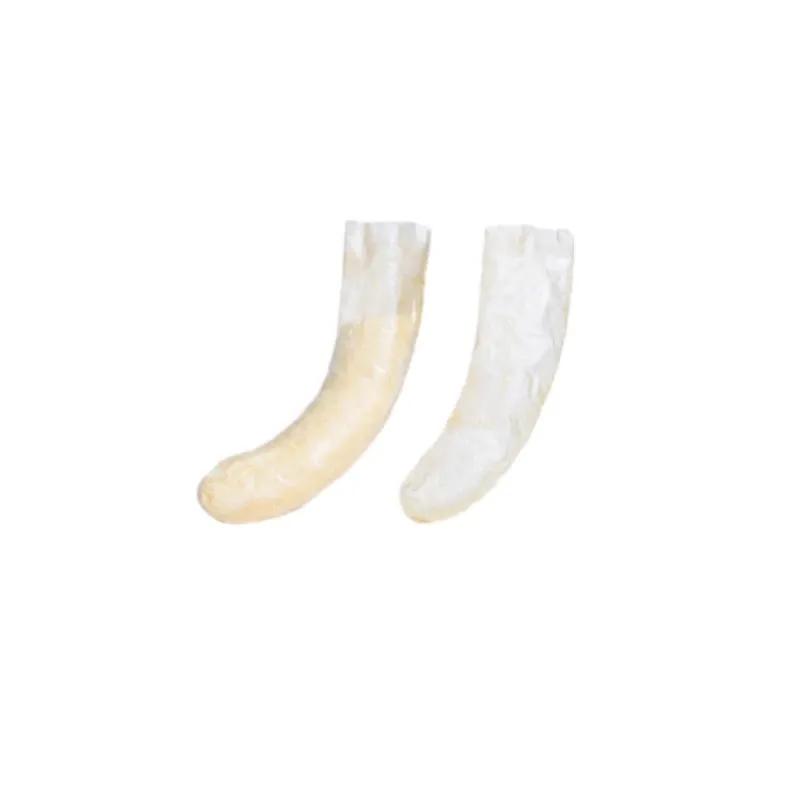
Dried hog casings provide a practical solution where refrigeration is limited or long-term storage is necessary. Dehydrated and neatly tubed for ease of use, they’re a top choice for export markets or industrial plants with scaled operations. Regardless of the casing format, our products are designed to offer optimal performance—smooth stuffing, minimal breakage, uniform shrinkage, and flavor integrity.
How to Use Dried Hog Casings Effectively
To ensure top performance and avoid casing breakage, knowing how to use dried hog casing correctly is essential. Unlike salted casings that require only a few hours of soaking, dried hog casings must undergo proper rehydration to regain elasticity.
The process begins by rinsing the dried casing under cool water to remove surface dust and salt. Then, it should be soaked in fresh water for 6 to 12 hours, preferably overnight, until it becomes pliable. If necessary, a quick rinse in lukewarm water just before stuffing can further soften the casing and make it easier to handle. Proper soaking not only facilitates stuffing but also improves the final sausage texture and reduces casing breakage during cooking.
Our technical team offers detailed handling guidelines and best practices for each product type. We also provide customized solutions for machine stuffing systems, helping clients achieve higher yield and less waste in automated lines.
Global Market Orientation and Quality Commitment
With more than two decades of experience as a specialized sausage casing manufacturer, we understand the complex demands of global food production. Our customers range from regional processors to major international brands. To meet this spectrum, we implement strict quality control procedures from procurement through processing and packaging. Our workshop facilities cover over 1,500 square meters, including advanced cold storage systems with a capacity of over 1,200 tons, ensuring year-round product availability.
Our workforce includes over 170 trained technicians and a professional management team. Each department—from international business to production and HACCP groups—operates under documented procedures and traceability systems. Our salted sheep casing supplier division also meets the same high standard, contributing to an annual output of over 10,000 casks of salted hog casings and 2,000 casks of salted sheep casings.
Thanks to efficient logistics, multilingual service, and ongoing technical support, our company has become a trusted casing partner for clients in over 30 countries. We take pride not only in supplying premium products but also in contributing to the global sausage industry’s innovation and heritage.
Hog Casings FAQs
What makes natural hog casings superior to synthetic alternatives?
Natural hog casings offer unmatched bite, elasticity, and flavor permeability. Unlike collagen or cellulose alternatives, hog casings shrink naturally with the sausage during cooking or drying, ensuring an authentic texture and appearance. They are also biodegradable and suitable for consumers looking for clean-label, all-natural food products.
What are the proper storage conditions for salted hog casings?
Salted hog casings should be kept refrigerated at 4–10°C in an airtight container or vacuum-sealed bag. They must remain immersed in salt to retain shelf life and prevent spoilage. When stored properly, salted casings can last up to 12 months. Avoid freezing, as it may damage the casing structure.
How do I select the right casing caliber for my sausage product?
The choice of casing caliber depends on the sausage type and application. For example, 28/30 mm is ideal for breakfast sausages, 32/34 mm suits Italian or chorizo sausages, and 38/40 mm works well for traditional bratwurst or hot dogs. Our team can assist in selecting the ideal size based on product design and equipment compatibility.
Are your hog casings safe for export to regulated markets like the EU or USA?
Yes, our facility adheres to international standards including HACCP, and we comply with export requirements from China’s inspection and quarantine authorities. Our casings are regularly tested for hygiene, moisture content, and structural integrity. Export documentation, veterinary certificates, and quality guarantees are provided with every shipment.
How are dried hog casings different from salted casings in handling and performance?
Dried hog casings are dehydrated for long shelf life and ease of transport. Before use, they must be soaked longer (6–12 hours) to rehydrate and regain elasticity. While performance is comparable to salted casings, they offer advantages in regions with limited refrigeration. Tubed versions simplify stuffing, especially in high-speed production environments.