Sep . 10, 2025 10:18
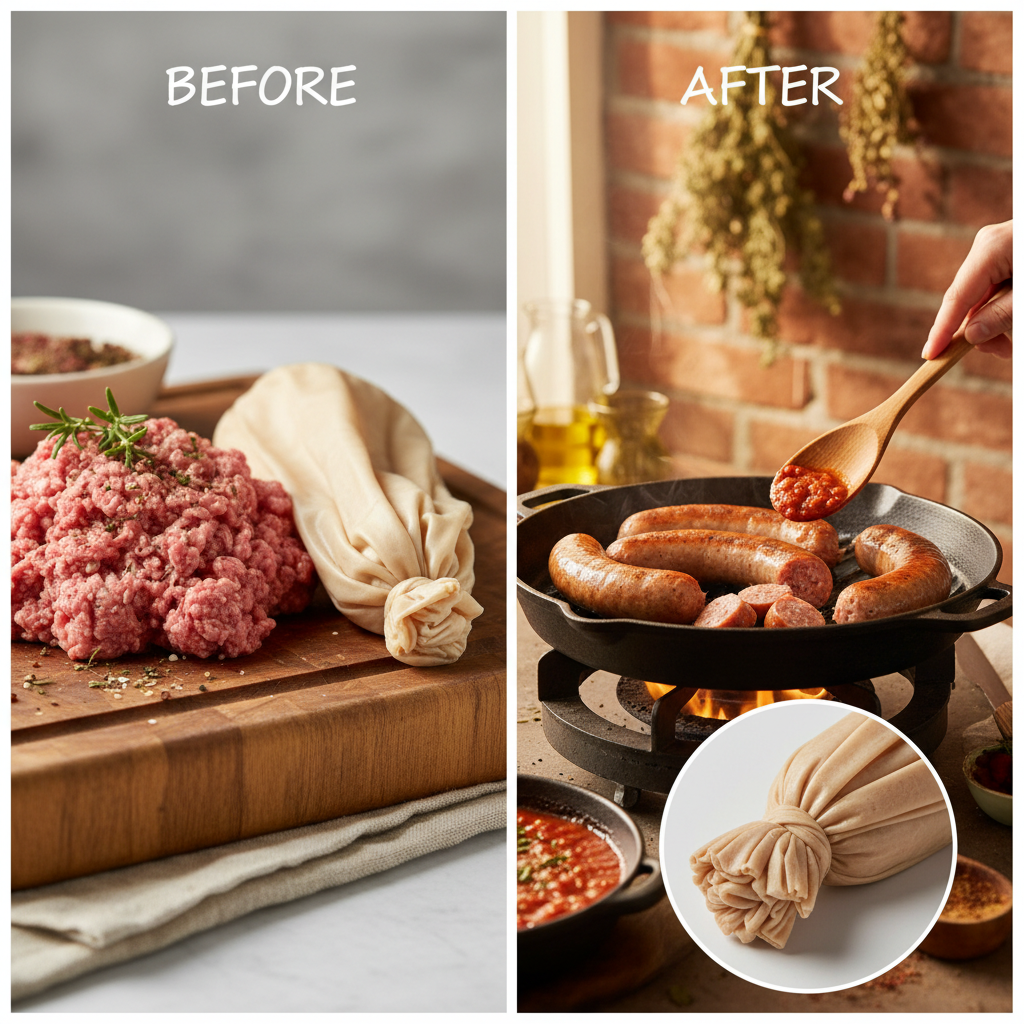
As global demand for high-quality sausage products continues to rise, choosing the right casing supplier is more important than ever. Whether you're a large-scale meat processor or an artisanal sausage maker, the reliability and quality of your salted sheep casing supplier, salted hog casing supplier, or other sausage casing manufacturers directly affect the flavor, appearance, and shelf-life of your final product. Natural casings—especially those made from carefully prepared hog and sheep intestines—offer unmatched qualities in texture, elasticity, and cooking performance. Backed by decades of experience, cutting-edge facilities, and international certifications, our company is committed to being your trusted partner in natural casing solutions for global markets.
Commitment to Excellence in Casing Production
The foundation of a dependable salted hog casing supplier lies not only in its production scale but also in its dedication to food safety and international standards. Established in July 2003, our company has grown into a globally recognized natural casing processor. As an official member of the International Natural Sausage Casings Association and a certified exporter designated by the Chinese inspection and quarantine authorities, we take pride in both our credentials and capabilities.
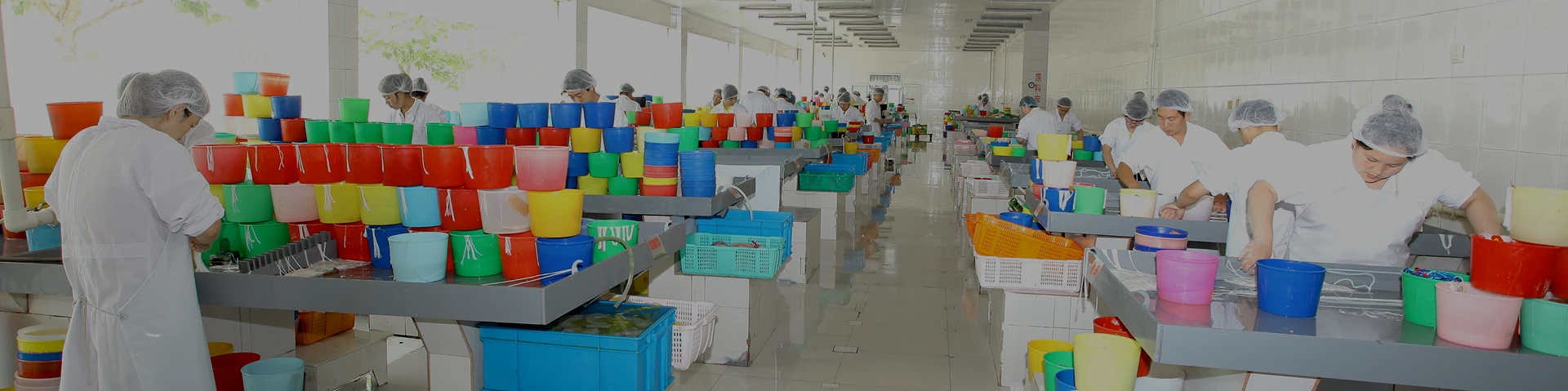
Operating from a strategically located facility in Shunping County—just 210 kilometers from Beijing and 260 kilometers from Tianjin—we benefit from excellent transportation infrastructure that ensures timely and reliable international logistics. Our premises span over 13,000 square meters, with 1,500 square meters of workshop space and a modern cold storage system capable of handling 1,200 tons. This infrastructure enables us to maintain product integrity and respond swiftly to global market demands.
We have a dedicated workforce of 200 employees, including 170 skilled technicians and 30 experienced management professionals. Every aspect of our operation, from procurement to packaging, adheres to HACCP principles and complies with domestic and overseas regulatory standards. The result is a hygienic and consistent product that meets the highest expectations in the global food industry.
Comprehensive Product Portfolio and Capacity
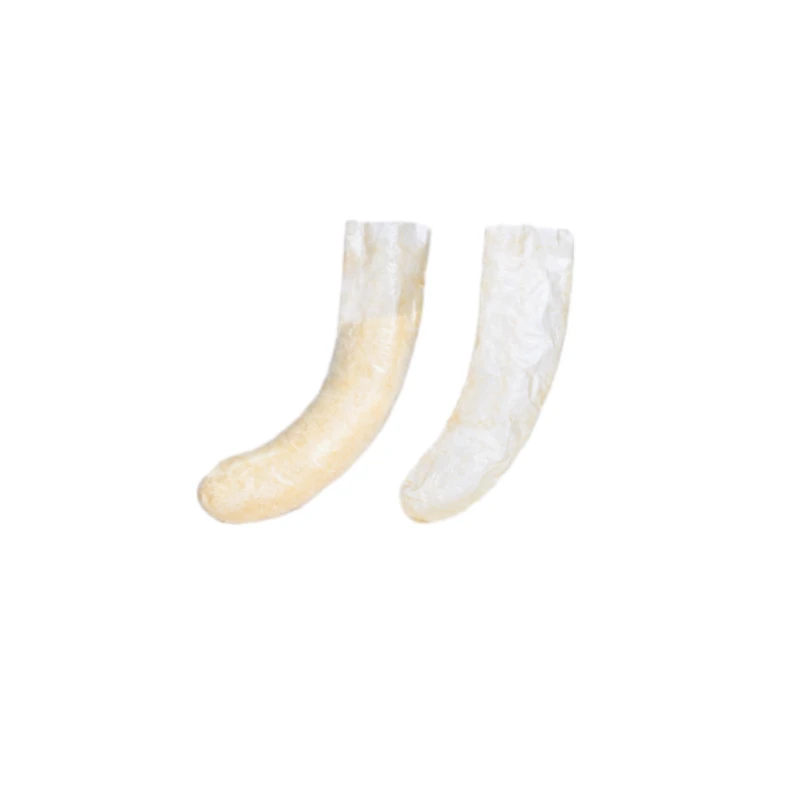
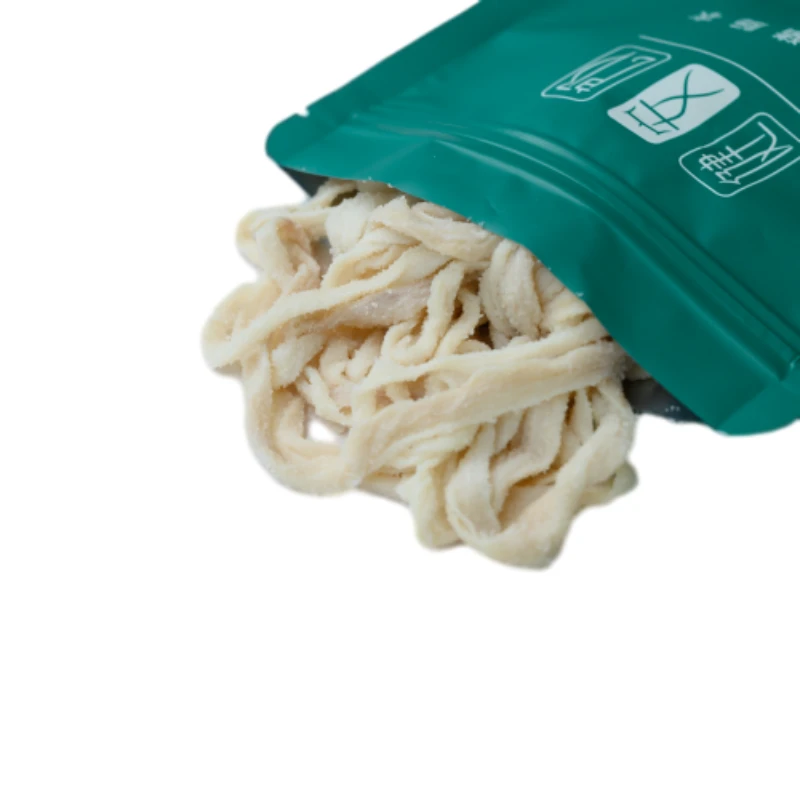
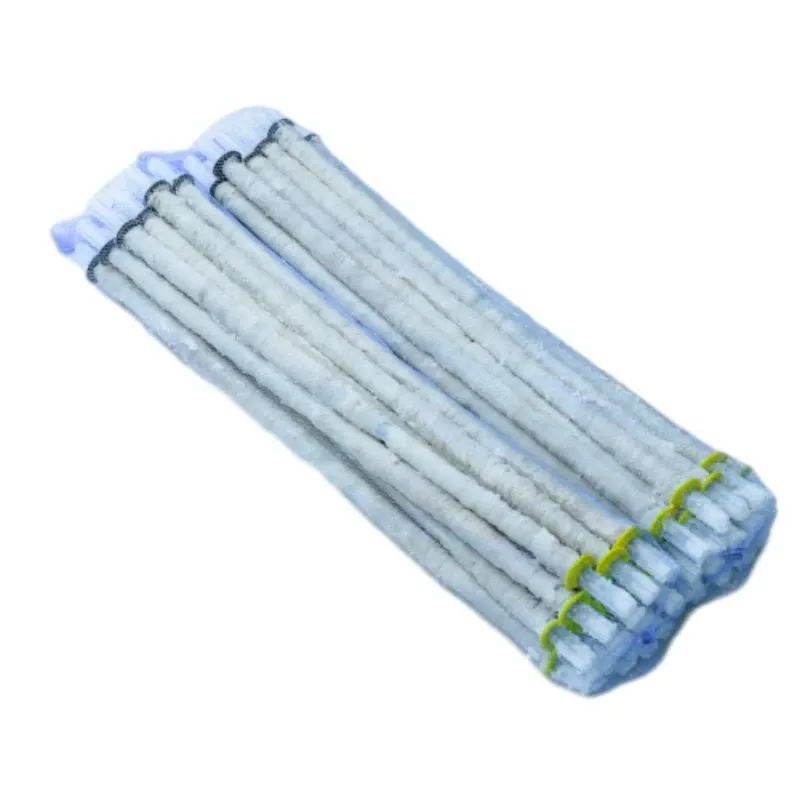
What sets a leading salted sheep casing supplier apart is the breadth and quality of its product offerings. Our main production lines include salted hog casings, salted sheep casings, and a full range of dried natural casings, all crafted with strict attention to processing precision and sanitation.
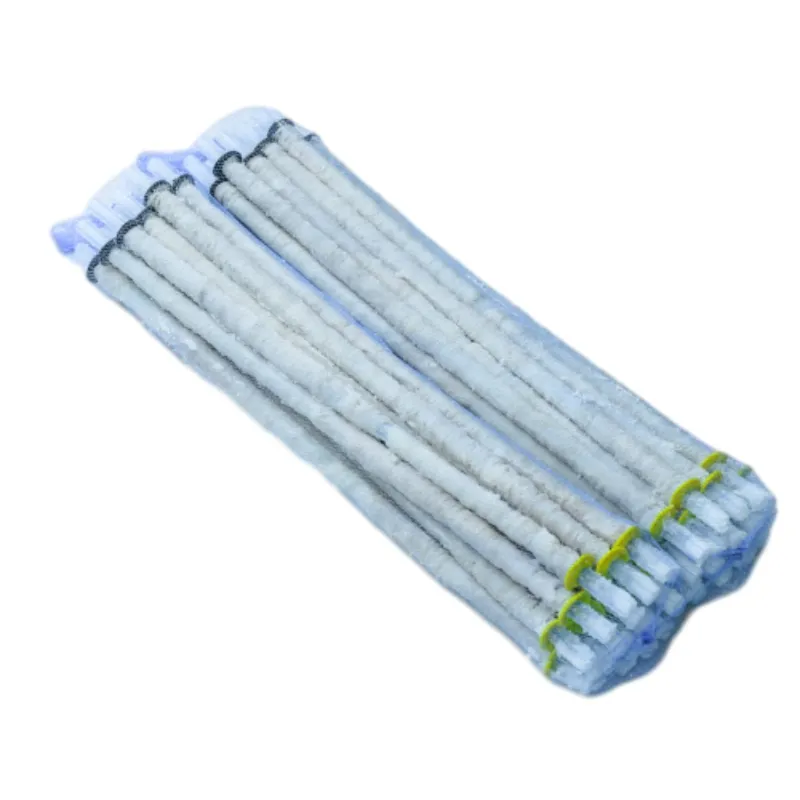
Currently, our annual output includes approximately 10,000 casks of salted hog casings, 2,000 casks of salted sheep casings, and over 15 million pieces of dried tubed hog casings. These products are predominantly intended for export and are custom-prepared according to client specifications in terms of diameter, length, packaging, and salting ratio. Our casings are especially popular in Europe, Southeast Asia, North America, and the Middle East, where traditional sausage recipes call for premium-quality natural materials.
In addition to size and cut consistency, our natural casings are valued for their superior stretch, resistance to bursting, and the way they impart that signature “snap” when bitten into—a sensory detail synthetic casings simply cannot replicate. We work closely with customers to deliver products ready for immediate use or for further processing, supporting industrial and artisanal workflows alike.
Production Process and Quality Assurance
The secret to becoming a premier sausage casing manufacturer lies in mastering the delicate balance between traditional processing and modern food safety protocols. Our production process begins with the careful selection of raw materials, sourced from certified and traceable abattoirs. After cleaning, the intestines undergo a series of inspection, salting, and sorting stages using semi-automated lines supervised by experienced technicians.
The entire production chain is governed by a robust quality control framework. Our organization includes a Top Management team, HACCP Chief, HACCP Group, International and Domestic Business Departments, Financial Department, Production Department, and a dedicated Quality Control Department. This organizational structure ensures that every shipment meets strict international standards for microbial safety, moisture content, salt balance, and durability.
Our cold storage facilities maintain a stable temperature and humidity level, ensuring that the casings retain their elasticity and freshness even after long transit periods. Batch traceability is maintained throughout the supply chain, allowing full transparency for regulatory audits or client reviews. This rigorous approach has enabled us to build long-term partnerships with global food brands who trust us to deliver consistent, safe, and high-performing products.
Export Capability and Global Market Support
As a fully qualified salted hog casing supplier and salted sheep casing supplier, we pride ourselves on being a one-stop source for global sausage manufacturers. Our export expertise includes not only reliable production capacity but also comprehensive logistical and regulatory support. We understand that exporting food-grade materials demands compliance with a variety of regional regulations—from FDA and USDA requirements in the United States to CE and ISO standards in Europe.
Our in-house international business department works closely with freight forwarders, customs brokers, and inspection agencies to ensure smooth clearance procedures and on-time delivery. We offer flexible Incoterms, multilingual customer service, and support with documentation including veterinary certificates, Certificates of Origin, health declarations, and phytosanitary reports where needed.
Furthermore, we understand that different markets prefer different casing characteristics. For example, European customers often require tight-diameter, uniformly sized sheep casings for dry-cured sausages, while North American clients may favor longer hog casings suitable for large-scale frankfurter production. We cater to these differences through adaptive production planning and custom order fulfillment.
Salted Sheep Casing Supplier FAQs
What are the advantages of using salted sheep casings over synthetic alternatives?
Salted sheep casings are valued for their natural texture, flavor absorption, and cook performance. They provide a tender bite, excellent shrinkage during curing, and natural permeability that helps sausages breathe and dry evenly. Unlike synthetic options, they are 100% edible and biodegradable, aligning with clean-label and sustainability trends.
How should salted hog casings be stored and prepared before use?
Salted hog casings should be stored in a cool environment, ideally in refrigeration at 4°C to 10°C. Before use, they should be rinsed in fresh water for at least 30 minutes and then soaked for several hours to remove excess salt and restore elasticity. Proper preparation ensures ease of stuffing and reduces the risk of bursting.
What is the difference between salted and dried casings?
Salted casings are preserved in brine or dry salt and require rehydration before use. Dried casings, on the other hand, are pre-tubed and dehydrated for storage without refrigeration. They offer convenience and longer shelf life, especially for clients with limited cold storage capacity or remote distribution points.
Can you customize casing diameters and packaging formats?
Yes, as experienced sausage casing manufacturers, we offer a wide range of diameters from 16mm to over 38mm for both hog and sheep casings. Packaging options include vacuum-sealed bags, casks, or barrels, with private labeling available upon request. We also provide tubed casings that simplify stuffing and reduce labor time.
Are your casings compliant with international food safety standards?
Absolutely. Our casings meet the requirements set forth by international food regulatory bodies, including EU regulations, USDA standards, and ISO certifications. Each production batch is traceable and tested to ensure it meets microbiological safety limits, pH levels, and physical property benchmarks.