Jan . 07, 2026 01:50
Finding the Best sausage casing for sale: what really matters?
Having spent over a decade around industrial food processing plants and sausage production lines, I often get asked: "What should I look for when buying sausage casings?" You'd think it’s just about choosing a tube that holds meat together, right? But, frankly, there’s much more to it.
Oddly enough, the type of casing you pick determines not only product quality but also workflow efficiency and consumer satisfaction. I remember once visiting a local producer who switched from natural to collagen casings—it saved them so much prep time, but they had to tweak their cooking parameters a bit. You know, every casing material carries a story.
Types of Sausage Casings and Their Applications
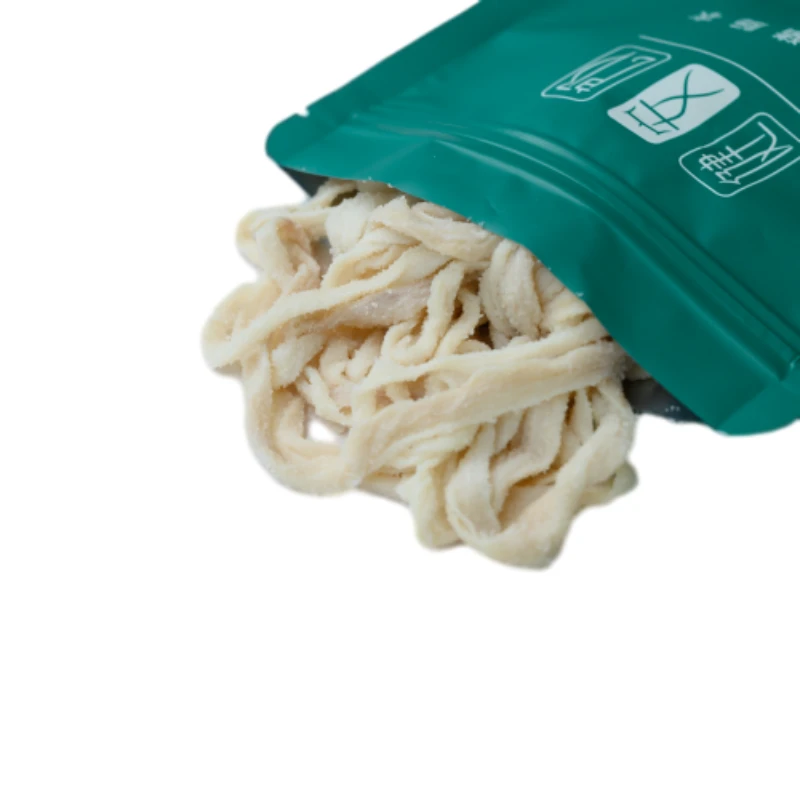
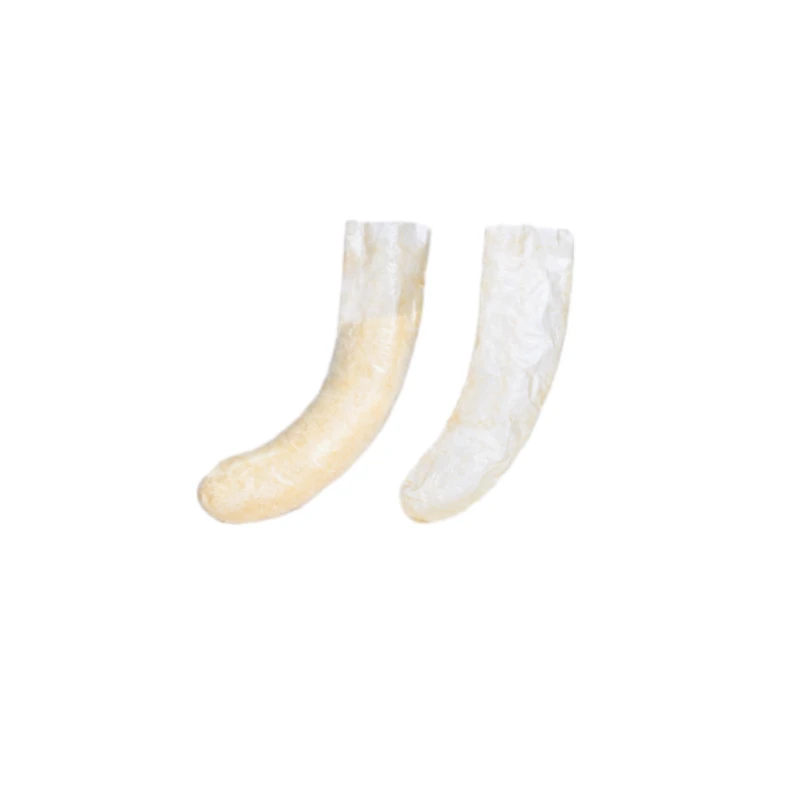
There are generally three primary casing types you’ll encounter: natural (usually derived from animal intestines), collagen (made from purified collagen protein), and synthetic (mostly cellulose or plastic-based). Natural casings offer that classic bite and flavor infusion that many artisanal producers swear by, but they come with inherent variability.
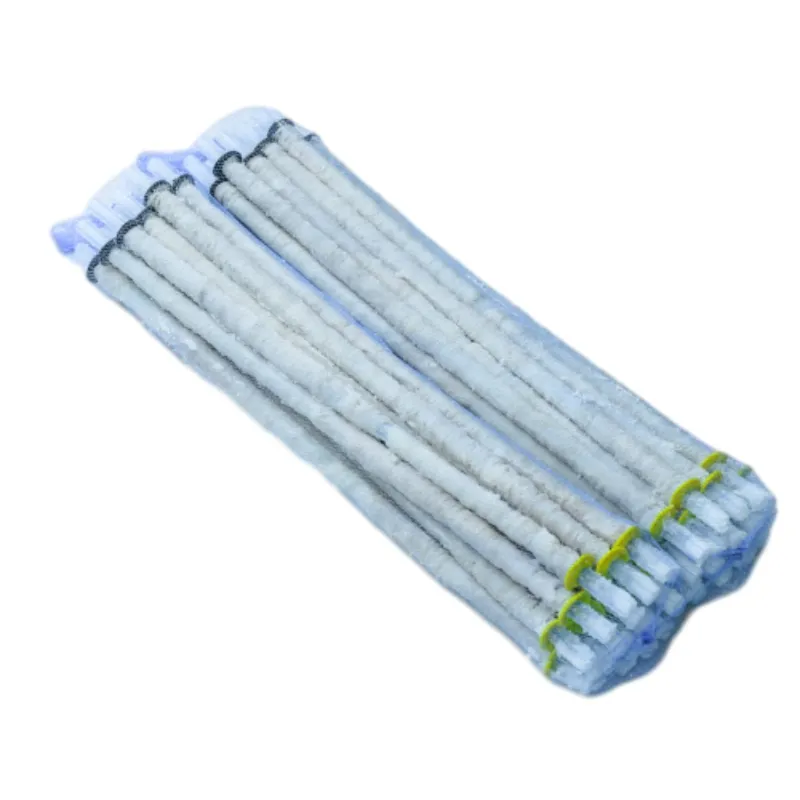
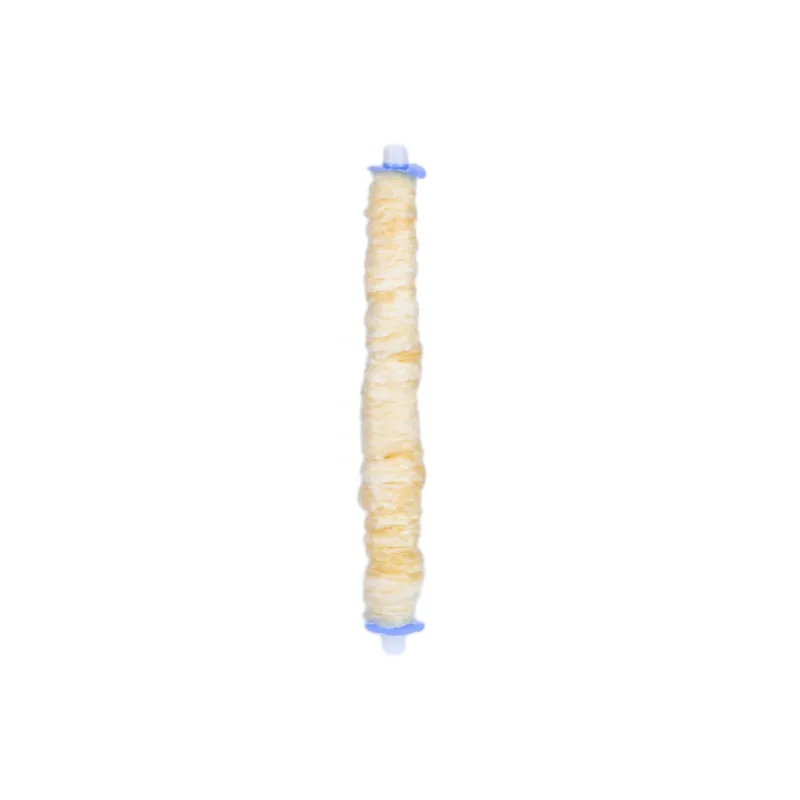
Collagen casings, meanwhile, are engineered for uniformity and are a favorite in large scale production—you get consistency in size, thickness, and cooking yield. Synthetic casings, though less common in traditional sausage-making, serve niche markets where peelability or smoke permeability is crucial.
Key Specifications at a Glance
| Specification | Natural Casings | Collagen Casings | Synthetic Casings |
|---|---|---|---|
| Material Source | Animal intestines | Bovine or porcine collagen | Cellulose/plastic polymers |
| Consistency in diameter | Variable | Highly consistent | Consistent |
| Cooking yield | Moderate | High | Variable |
| Peelability | Not peelable | Peelable variety available | Usually peelable |
| Availability & Price | Less predictable, higher cost | Widely available, moderate cost | Consistent availability, variable cost |
Choosing the Right Vendor: A Quick Comparison
There's no shortage of suppliers when you’re shopping for sausage casing for sale. But in my experience, the right vendor can make a huge difference. Reliability, certification, customer support – these matter as much as price.
| Vendor | Certifications | Product Range | Lead Time | Customer Support |
|---|---|---|---|---|
| RTCasing | ISO & FDA Approved | Natural, Collagen, Synthetic | 3-5 days | Dedicated technical support |
| Generic Supplier A | FDA Approved | Mostly collagen | 5-7 days | Standard support |
| Local Intestine Provider | None | Natural casings only | Variable | Limited |
A Quick Word on Quality Control and Customization
For those who’ve tinkered with production lines, consistency is worth its weight in gold. I’ve seen teams scrap entire batches because the casing diameter jittered too much or the tensile strength dipped below spec. Many engineers say rigorous testing regimes—especially for collagen casings—can save headaches down the road.
And oddly enough, many suppliers now offer customization: tailored length, diameter, and even coloration. It feels like the industry is catching up to the artisanal trend without sacrificing scale. If you want casings that align perfectly with your product specs, don’t hesitate to ask your vendor—most are surprisingly accommodating.
Final Thoughts
In real terms, the choice of sausage casing for sale is about balancing tradition, price, productivity, and product experience. It isn’t just a tube; it’s part of the craft and the brand story. So pick a trusted supplier with solid specs and support, and you’ll save yourself more trouble than you might think.
If I had to sum it up: don’t rush, test small batches first, and listen to your production team’s feedback. Sausage making, after all, is a blend of art and science… and a good casing lets both shine.
References:
- International Association for Food Protection – Sausage Production Guidelines
- FDA Food Contact Substance Notifications
- RTCasing Technical Product Brochures, 2023