Sep . 10, 2025 10:12
Natural sausage casings play a pivotal role in traditional and industrial sausage manufacturing, offering the ideal combination of durability, taste, and presentation. Whether you’re a craft butcher, a large-scale meat processor, or a foodservice supplier, selecting high-quality casings such as bratwurst casing, halal sausage casing, or salami casings for sale is critical to delivering consistent results. With increasing demand for authentic taste and texture, the importance of superior sausage casing for sale has never been greater.
Preserving Tradition and Ensuring Performance in Sausage Production
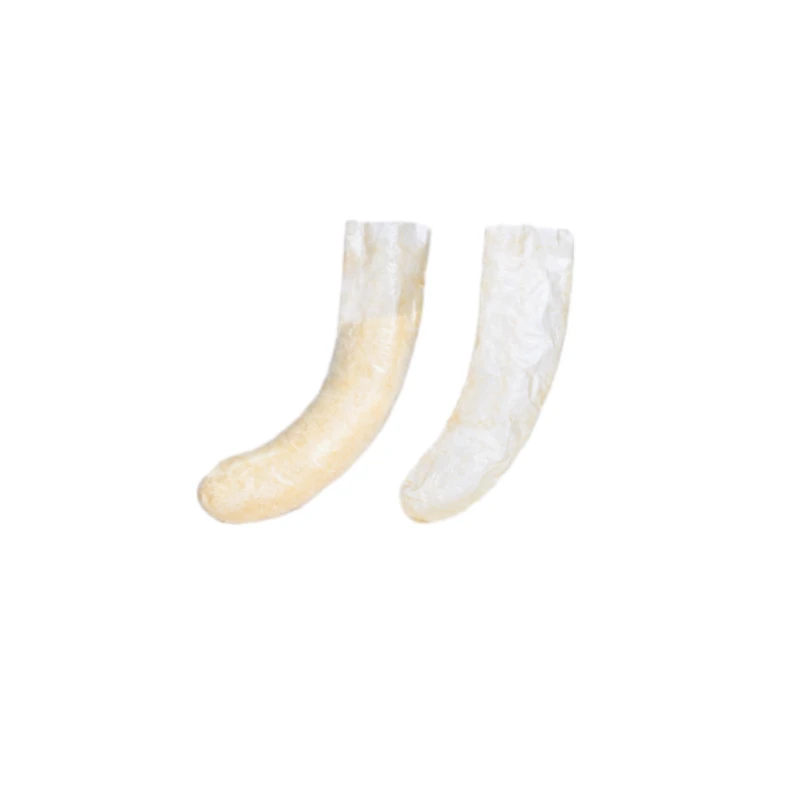
The production of sausage has long relied on the integrity and performance of its casing. Whether making coarsely ground German-style bratwurst or finely textured halal chicken sausages, a high-quality casing is essential to preserve flavor and provide the “snap” consumers expect from a well-made product. Bratwurst casing, often made from salted hog intestines, is thick, sturdy, and suitable for grilling or pan-frying, accommodating juicier fillings and longer cook times without bursting.
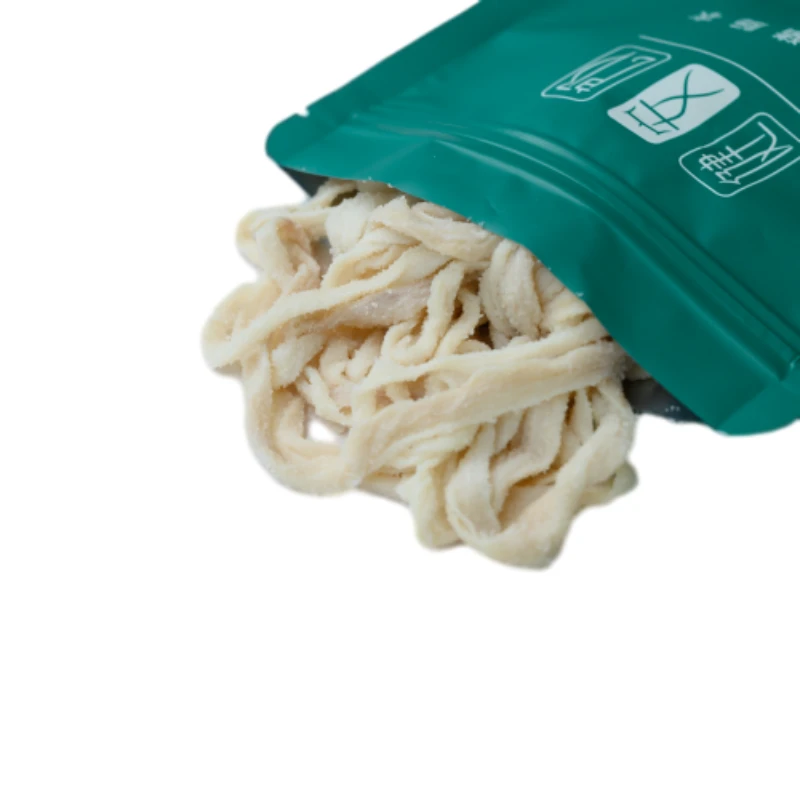
The quality of sausage casing for sale hinges on two primary factors: the source of the casing and the salting technique. Salted casings are thoroughly cleaned and then packed in food-grade salt, which draws out excess moisture while maintaining flexibility and microbial safety. When rehydrated properly, these casings offer remarkable pliability, seamless stuffing, and consistent sausage sizing—advantages that support both small-batch craftsmanship and industrial automation.
Diversity of Options to Suit All Markets and Preferences
The global sausage industry continues to diversify, with rising demand for products that cater to regional tastes, religious dietary restrictions, and specific cooking methods. Halal sausage casing represents a growing market segment, especially in regions with large Muslim populations. These casings must not only meet functional standards but also comply with Islamic dietary laws, requiring verified halal processing at every stage of production.
Similarly, salami casings for sale are typically larger-diameter hog or beef casings used in dry or semi-dry sausage varieties. These casings must allow for controlled moisture loss during curing while maintaining product shape and structural integrity. Their natural porosity ensures ideal fermentation and aging, enhancing the distinctive flavor and aroma that defines high-quality salami.
For processors and distributors looking to expand their offerings, working with reputable casing suppliers who understand the unique requirements of each casing type—whether for grilling, smoking, air drying, or boiling—is essential. From bratwurst casing designed for robust handling to thin sheep casings used in delicate breakfast links, the right selection can elevate your product line and customer satisfaction.
Ease of Use and Storage with Salted Casings
The convenience of salted casings lies in their long shelf life and relatively low maintenance. Unlike refrigerated alternatives, salted natural casings can be stored for extended periods at ambient temperature without quality loss, provided they are kept in sealed, moisture-controlled environments. This makes sausage casing for sale not only a culinary asset but also a practical solution for large-scale buyers, export logistics, and seasonal processors.
Before use, casings are typically soaked in cold water to remove excess salt and rehydrate the material. For larger casings such as bratwurst casing or salami casings for sale, a longer soak in lukewarm water may be required to achieve optimal stretch and texture. With proper preparation, these casings offer exceptional stuffing efficiency, ensuring minimal waste and smooth filling across both manual and automated equipment.
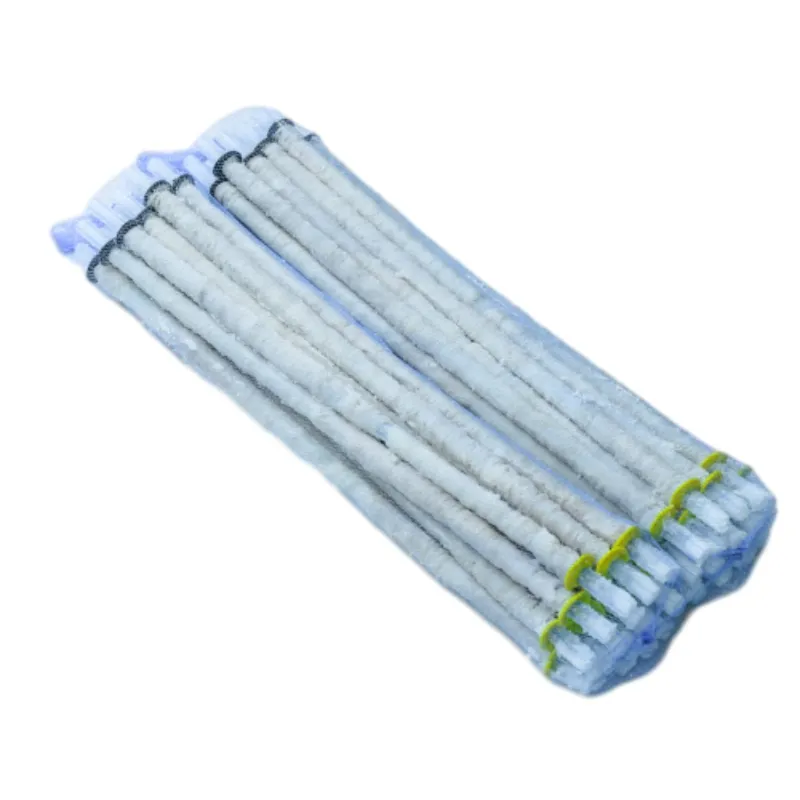
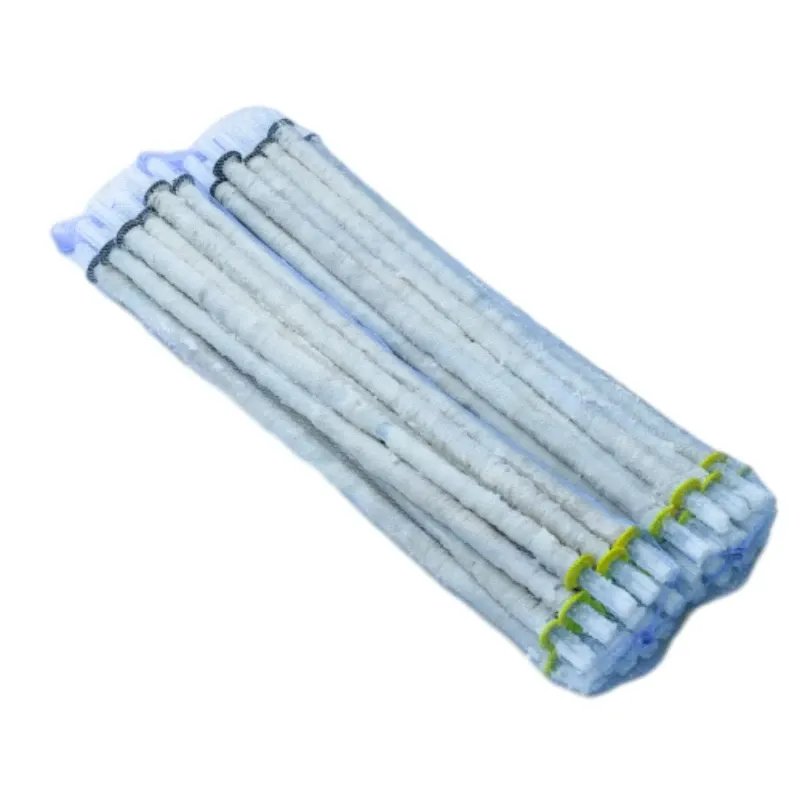
Furthermore, manufacturers often offer pre-tubed casing variants, which are threaded onto plastic sleeves to accelerate stuffing and reduce contamination risks. This innovation supports high-speed sausage lines while maintaining the rustic quality and sensory appeal of natural casing products.
Meeting Quality Standards Across the Industry
The global market for sausage casing for sale is competitive, and suppliers must adhere to stringent quality control protocols to meet regulatory and customer expectations. From the initial sourcing of raw materials to the final packaging of salted products, every step is governed by international food safety certifications such as HACCP, ISO, and Halal compliance where applicable.
Top-tier producers employ advanced cleaning and sorting systems, ensuring that casings are free from imperfections, uniformly sized, and packed with care. Visual inspection and manual sorting are often combined with machine-assisted processing to maintain the balance between artisanal quality and commercial consistency. Whether supplying halal sausage casing to the Middle East or salami casings for sale to European delicatessens, premium casings must deliver on safety, performance, and sensory value.
In this context, partnering with an experienced supplier offers substantial benefits. These include customized sizing, consistent availability, technical support, and reliable shipping logistics—all of which are crucial for maintaining production timelines and end-product quality.
Sausage Casing FAQs
What types of natural casings are available for commercial sausage production?
Natural casings are typically made from hog, sheep, or beef intestines. Hog casings are the most common due to their versatility in size and strength, ideal for products like bratwurst and Italian sausage. Sheep casings are thinner and more delicate, used in fine-diameter sausages such as frankfurters and breakfast links. Beef casings are larger and thicker, suitable for bologna, salami, or other large-diameter sausages.
How should salted sausage casings be stored and handled?
Salted casings should be stored in a cool, dry place away from direct sunlight and heat sources. They do not require refrigeration if kept sealed in their original salt-packed condition. Before use, casings must be soaked in cold water to remove the salt, followed by a short warm-water soak to restore flexibility and prepare them for stuffing.
What is the advantage of using halal sausage casing?
Halal sausage casing ensures compliance with Islamic dietary regulations, making it suitable for Muslim consumers. These casings are produced using certified halal materials and processes, allowing food producers to expand into growing halal markets with confidence in both quality and religious compliance.
How does natural casing affect sausage flavor and texture?
Natural casings provide a unique bite, commonly referred to as a “snap,” that enhances the mouthfeel of sausages. Their porous structure allows smoke and spices to penetrate during cooking or curing, which contributes to more complex flavor development compared to synthetic alternatives.
Are natural casings suitable for automated sausage production lines?
Yes, many natural casings—especially those offered in tubed form—are compatible with automated stuffing machinery. Pre-tubed casings significantly reduce preparation time and labor, improve hygiene, and enhance consistency during high-volume production, making them a preferred option for modern sausage factories.