Mar . 17, 2026 02:35
Understanding Italian Sausage Casing Removal
The process of italian sausage casing removal is a crucial step in meat processing, impacting both product quality and efficiency. Whether you're a small butcher shop or a large-scale food manufacturer, understanding the best methods and available technology is essential. This article explores the different techniques for removing natural and artificial casings from Italian sausage, the benefits of each, and considerations for optimizing this part of your production process. We'll also touch upon the role of specialized equipment from suppliers like RTCasing in streamlining casing removal.
Traditional Methods of Italian Sausage Casing Removal
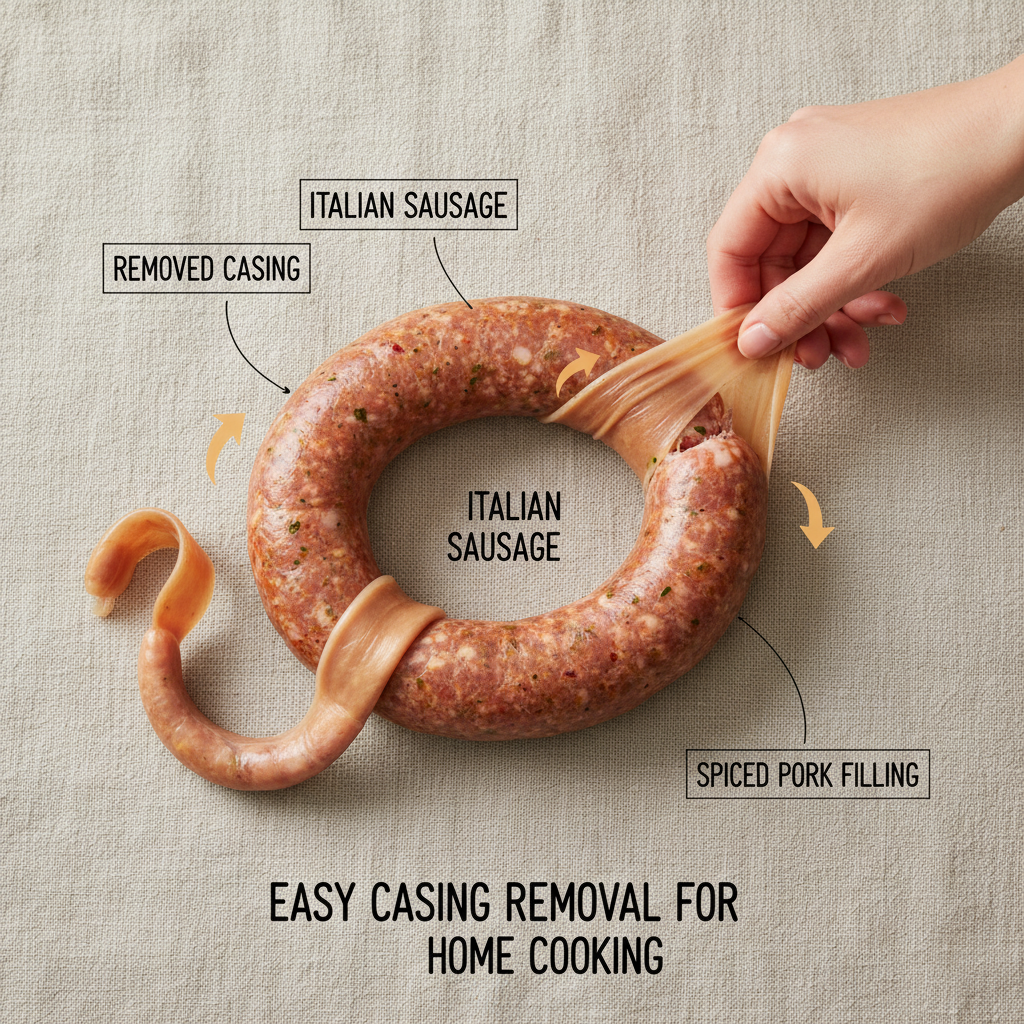
Historically, removing sausage casings was a manual process. This often involved carefully slicing the casing lengthwise and then peeling it away from the meat. While this method is still used in some artisanal operations, it's labor-intensive and can be inconsistent, potentially damaging the sausage. Another traditional technique uses hot water; soaking the sausages briefly in hot (but not scalding) water loosens the casing, making it easier to remove. However, this can affect the texture and flavor of the sausage if not carefully controlled.
Key Highlights: Traditional methods are cost-effective for small batches but can be time-consuming and result in inconsistent quality. Careful temperature control is crucial when using hot water.
Modern Technologies for Efficient Italian Sausage Casing Removal
Modern food processing facilities utilize automated casing removal systems. These machines typically employ rotating brushes, air jets, or a combination of both to quickly and efficiently remove casings without damaging the sausage meat. Some machines are designed for both natural and artificial casings, offering versatility. The investment in automated equipment pays off through increased throughput, reduced labor costs, and more consistent product quality. RTCasing provides a range of casing removal solutions tailored to various production volumes and sausage types.
Benefits of Automated Casing Removal:
• Increased throughput and efficiency
• Reduced labor costs
• Consistent product quality
• Minimized product damage
Comparing Casing Removal Methods: Natural vs. Artificial
The approach to casing removal often differs depending on whether the sausage is encased in natural or artificial casings. Natural casings, derived from animal intestines, are more delicate and require a gentler removal process. Artificial casings, made from collagen, cellulose, or plastic, are typically more robust and can withstand more aggressive removal techniques. Understanding these differences is crucial for selecting the appropriate method and equipment.
Optimizing the Casing Removal Process
Several factors contribute to an optimized casing removal process. Maintaining proper hygiene is paramount, as this is a critical control point in food safety. Regularly cleaning and sanitizing equipment is essential. Consistent sausage diameter and filling pressure also contribute to easier casing removal. Furthermore, proper equipment maintenance, as offered by companies like RTCasing, ensures peak performance and minimizes downtime.
Choosing the Right Equipment Supplier
Selecting a reputable supplier for casing removal equipment is crucial. Consider factors such as equipment quality, after-sales service, technical support, and spare parts availability. RTCasing stands out as a trusted partner, offering a wide range of high-quality equipment and comprehensive support services. Their expertise and commitment to customer satisfaction make them an ideal choice for businesses of all sizes.
Conclusion
Effective italian sausage casing removal is essential for maintaining product quality and efficiency. Whether utilizing traditional methods or investing in modern automation, understanding the nuances of each approach is key. Partnering with a reliable equipment supplier, such as RTCasing, can significantly streamline your process and ensure optimal results.
Frequently Asked Questions (FAQs)
What are the key benefits of automating the casing removal process?
Automating casing removal offers several significant advantages. Firstly, it drastically increases throughput, allowing you to process a larger volume of sausage in the same amount of time. Secondly, it reduces labor costs by minimizing the need for manual labor. Thirdly, automated systems provide greater consistency in the removal process, leading to a more uniform and high-quality product. Finally, automation minimizes the risk of product damage that can occur with manual handling. Investing in automation is often a cost-effective solution in the long run, especially for larger-scale production facilities.
How do I choose the right casing removal equipment for my business?
Choosing the right equipment depends on several factors, including your production volume, the type of casings you use (natural or artificial), and your budget. Start by assessing your current and projected production needs. If you process a large volume of sausage, an automated system is likely the best choice. Consider the different types of casings you use and select equipment that is compatible with all of them. Finally, obtain quotes from multiple suppliers and compare features, pricing, and after-sales support. Companies like RTCasing can provide expert guidance to help you make the right decision.
What maintenance is required for automated casing removal systems?
Automated casing removal systems require regular maintenance to ensure optimal performance and longevity. This includes daily cleaning and sanitation to maintain hygiene standards. Regularly check and lubricate moving parts, such as brushes and bearings. Inspect belts and chains for wear and tear, and replace them as needed. Follow the manufacturer's recommendations for maintenance schedules and procedures. Consider a preventative maintenance plan offered by your equipment supplier, like RTCasing, to minimize downtime and extend the life of your equipment.
Is it possible to remove casings without damaging the sausage itself?
Yes, it is possible to remove casings without damaging the sausage, but it requires careful attention to detail and the right equipment. Using a gentle removal technique, whether manual or automated, is crucial. Avoid excessive force or sharp objects that could tear or puncture the sausage. Maintaining proper temperature control during the process can also help prevent damage. Investing in equipment designed specifically for casing removal, and ensuring it is properly maintained, will significantly reduce the risk of product damage.