Sep . 23, 2025 00:55
Understanding the Market for Natural Hog Casings
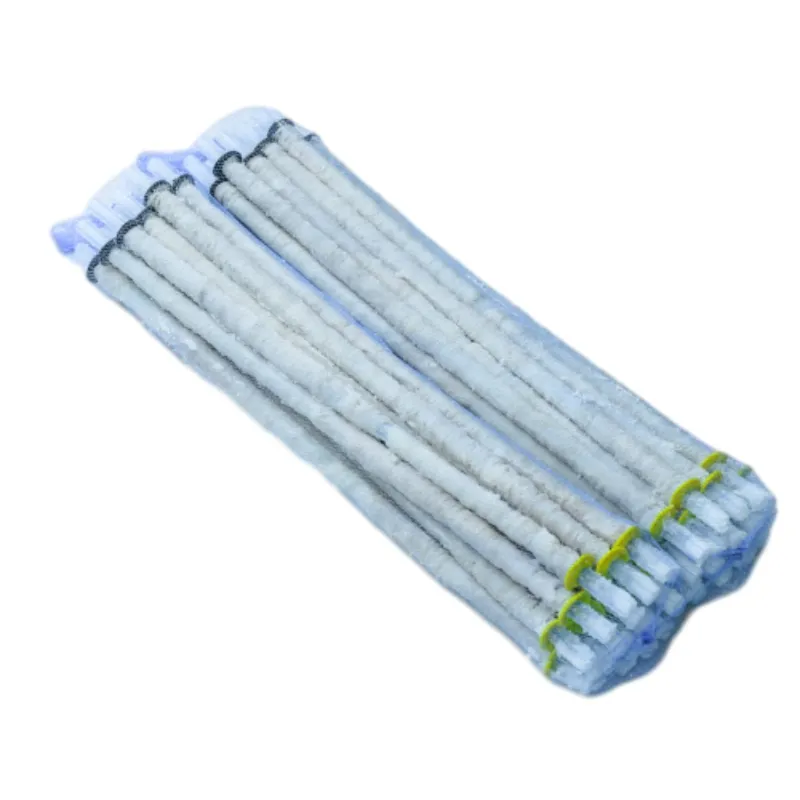
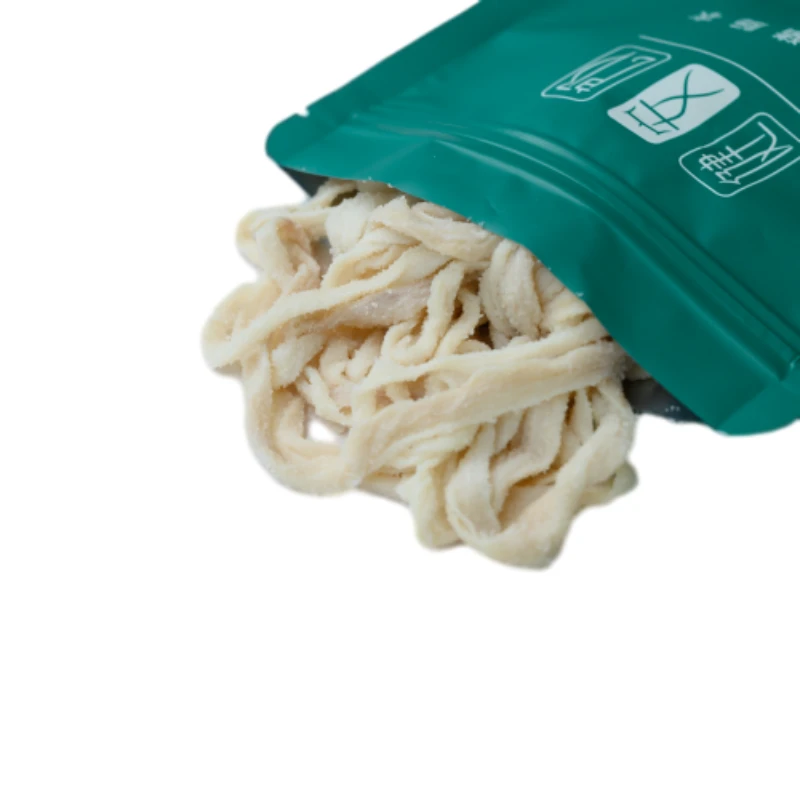
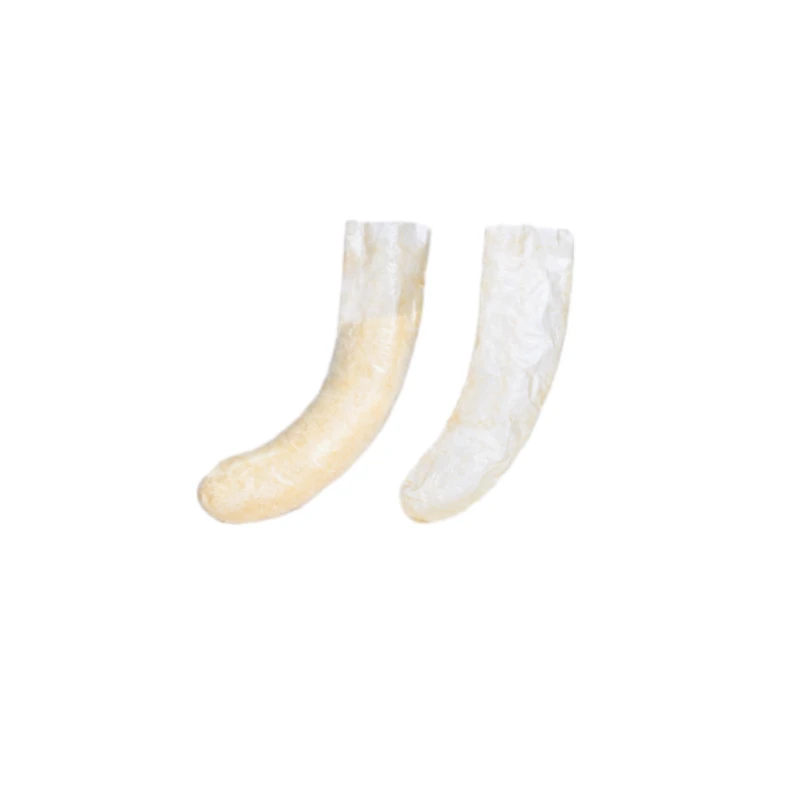
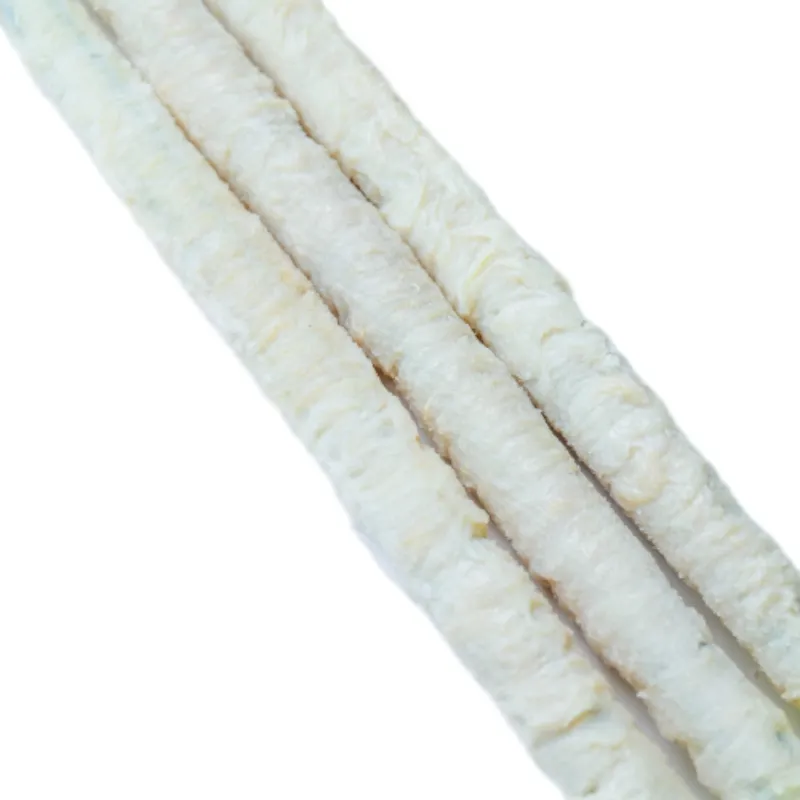
The demand for authentic and high-quality meat products continues to drive the market for natural casings. For manufacturers, sourcing premium natural hog casings for sale is paramount to creating sausages and cured meats that meet consumer expectations for flavor, texture, and visual appeal. These casings, derived from the submucosa of hog intestines, offer unparalleled advantages over synthetic alternatives, contributing significantly to the organoleptic properties of the final product. The intrinsic permeability of natural casings allows for superior smoke penetration and moisture retention, crucial for the development of complex flavor profiles and desired succulence during cooking and curing processes.
In today's competitive food processing landscape, understanding the nuances of natural hog casings for sale – from their raw material origin to their final application – is essential for B2B decision-makers. This article delves into the technical aspects, market trends, and strategic considerations for procuring these vital components.
Industry Trends in Natural Casing Procurement
The global market for hog casing for sale is characterized by several key trends. Firstly, there's a growing consumer preference for 'clean label' products, driving demand for natural ingredients like pork casing. Consumers are increasingly scrutinizing ingredient lists, favoring products with fewer artificial additives and more traditional processing methods. This shift directly benefits natural casings, which are perceived as authentic and wholesome.
- Sustainability & Ethical Sourcing: Greater emphasis is being placed on the ethical sourcing of raw materials and sustainable manufacturing practices. Suppliers who can demonstrate transparent supply chains and adherence to animal welfare standards are gaining a competitive edge.
- Technological Advancements: While the core process of natural casing production remains traditional, advancements in sorting, cleaning, and preservation technologies are improving consistency, extending shelf life, and reducing waste. This includes enhanced brining techniques and sophisticated grading systems.
- Global Supply Chain Dynamics: Geopolitical factors, animal disease outbreaks, and trade policies significantly impact the availability and pricing of raw materials, making a diversified and resilient supply chain crucial for companies seeking natural hog casings for sale.
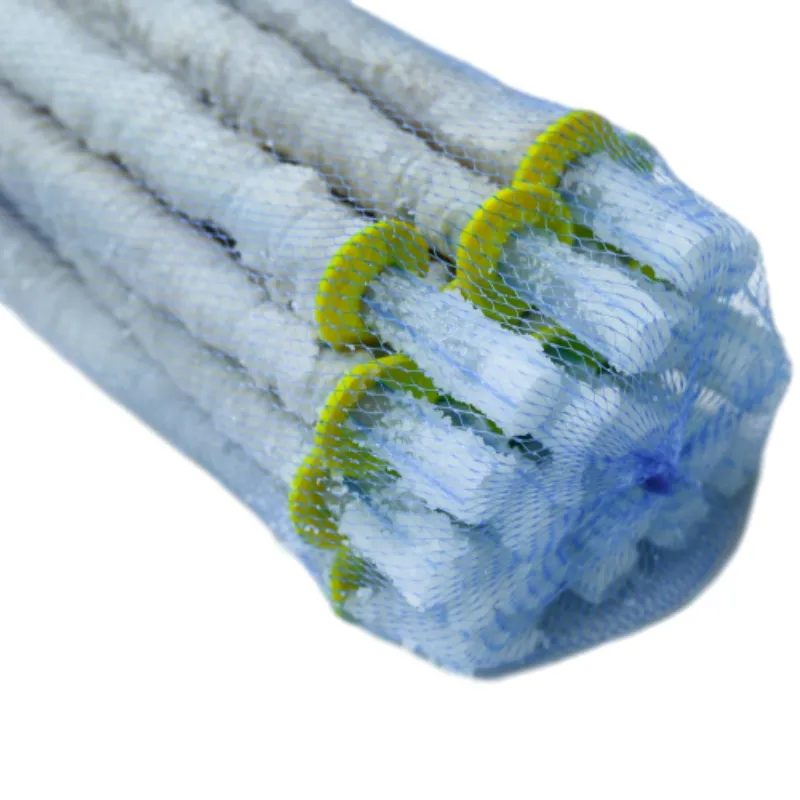
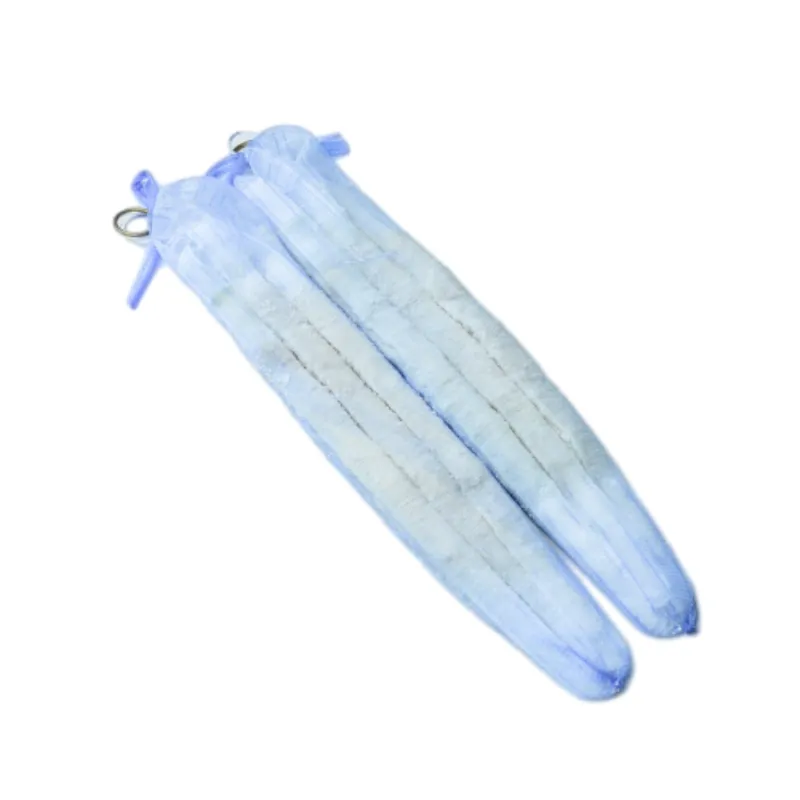
- Product Innovation: The development of pre-tubed or pre-tied casings is streamlining production for many sausage manufacturers, offering efficiency gains while maintaining the natural product's integrity.
These trends underscore the importance of partnering with experienced and reliable suppliers who are not only capable of delivering consistent quality but also adept at navigating the complexities of the global market.
Detailed Manufacturing Process of Natural Hog Casings
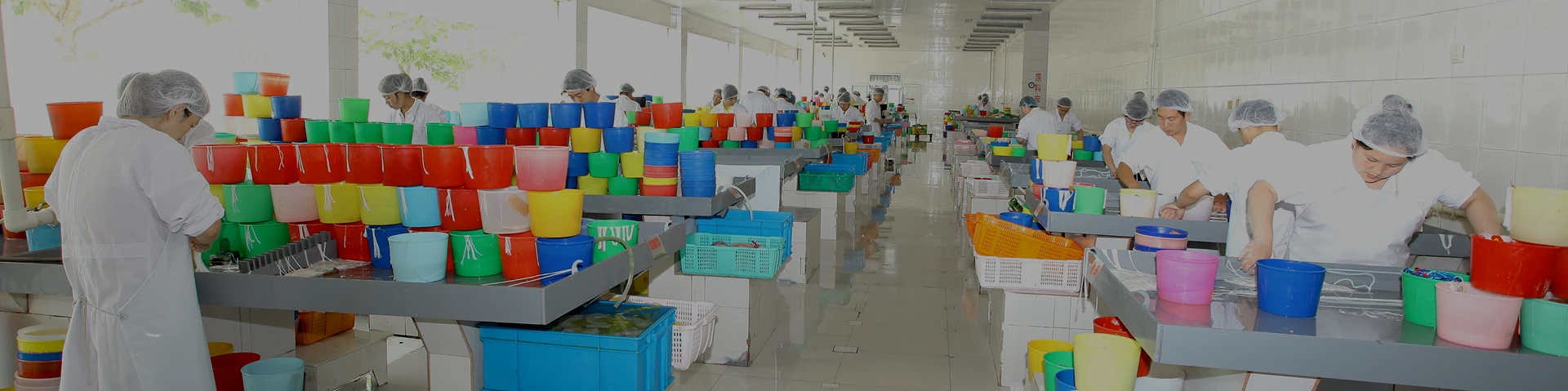
The production of natural hog casings is a multi-stage process requiring meticulous attention to detail and strict adherence to hygiene standards. The journey begins immediately after the hog harvest to ensure maximum freshness and quality.
- Raw Material Sourcing: Fresh hog intestines are collected from abattoirs operating under stringent sanitary conditions. The quality of the raw material is paramount, influencing the ultimate strength and appearance of the final casing. Target industries for raw material supply include USDA/EU certified meat processing facilities.
- Initial Cleaning & Degreasing: The intestines undergo a preliminary cleaning to remove gross contaminants and excess fat. This step is critical for preventing spoilage and ensuring the integrity of the casing wall.
- Flushing & Sliming (Removal of Mucosa): The intestines are thoroughly flushed with water to remove internal contents. Following this, the mucosal layer (inner lining) is carefully removed through a process known as 'sliming,' which can be done manually or with specialized machinery. This exposes the strong, elastic submucosa layer, which forms the casing. This process emphasizes the natural collagen structure.
- Washing & Inspection: The de-slimed casings are rigorously washed in multiple stages to ensure absolute cleanliness. Each casing is then meticulously inspected for defects such as holes, weak spots, or inconsistencies in thickness.
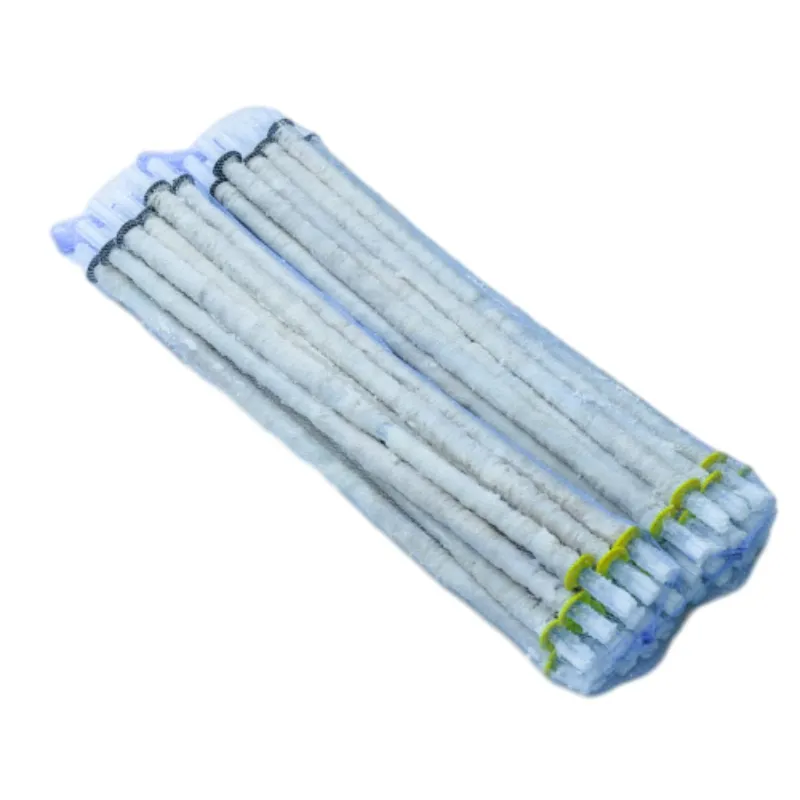
- Sorting & Grading (Caliberization): Casings are sorted by diameter (caliber) and length into standardized hanks. This step is crucial for consistency in sausage production, as different sausage types require specific casing calibers. Caliber ranges typically fall between 28mm to 48mm for hog casings.
- Salting & Preservation (Brining): The sorted casings are heavily salted with food-grade salt, typically a mixture of fine and coarse salt, to dehydrate and preserve them. This brining process extends their shelf life significantly, enabling safe storage and transportation without refrigeration for extended periods. This method of preservation, rather than casting or forging, is fundamental to natural casings.
- Quality Control & Packaging: Before packaging, a final quality check ensures that all casings meet specified standards for strength, cleanliness, and absence of odor. They are then packed in sealed, food-grade container111s, often in plastic tubs or barrels with additional salt, ready for distribution as natural hog casings for sale.
Throughout this process, strict adherence to international food safety standards such as ISO 22000, HACCP, and compliance with national regulations (e.g., FDA for the USA, EFSA for EU) is maintained to ensure product safety and quality. The service life of properly processed and stored salted hog casings typically ranges from 12 to 24 months.
Technical Specifications: Salted Hog Casings
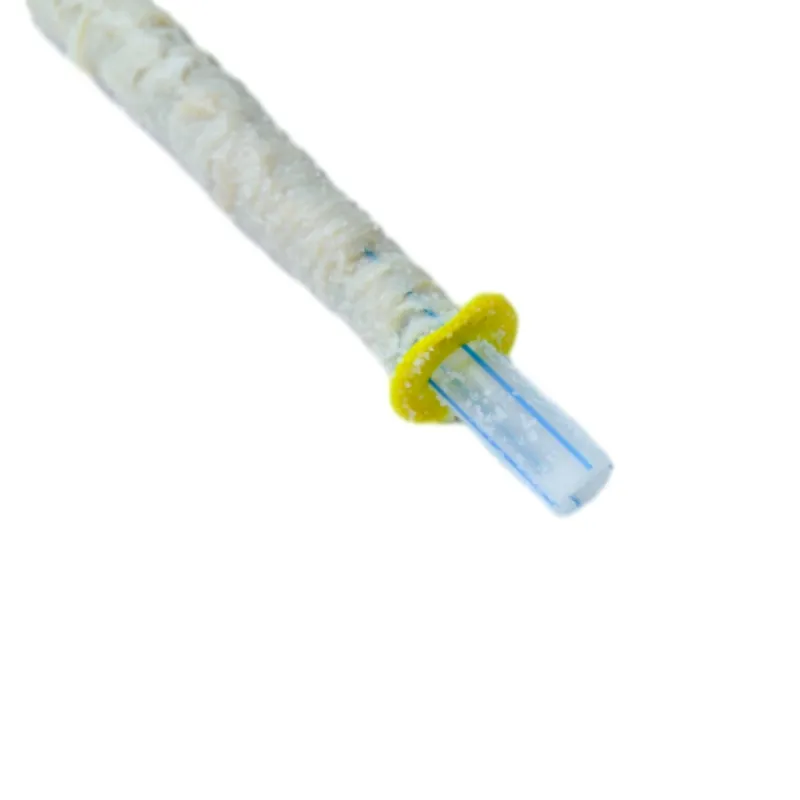
Precision in specification is crucial when procuring pork casing for sausage production. Our Salted Hog Casings are meticulously processed to meet rigorous industry standards, ensuring consistent performance and superior end-product quality. The following table outlines typical parameters:
Product Specification Table: Salted Hog Casings
| Parameter | Specification | Technical Detail |
|---|---|---|
| Product Type | Salted Hog Casings (Natural) | Processed from the submucosa of pig intestines, preserved with food-grade salt. |
| Caliber Range | 28mm - 30mm, 30mm - 32mm, 32mm - 35mm, 35mm - 38mm, 38mm - 40mm, 40mm - 43mm, 43mm - 46mm, 46mm+ | Measured in millimeters, indicating the stuffed diameter. Consistency within ±1mm per hank. |
| Length per Hank | 91.44 meters (100 yards) standard | Industry standard measurement. Customizable lengths available upon request. |
| Salt Content | Min. 20% w/w (by weight) | Ensures optimal preservation and inhibits microbial growth. Food-grade NaCl. |
| Wall Thickness | 0.2mm - 0.4mm (rehydrated) | Contributes to bite (snap) and allows for proper smoking and drying. |
| Tensile Strength | ≥ 250 N/cm² (rehydrated, pre-stuffing) | Critical for high-speed stuffing operations and resistance to bursting during cooking. |
| Permeability (Water Vapor) | High, approx. 1500 g/m²/24h | Essential for moisture exchange during drying/smoking, enhancing flavor development. |
| Shelf Life | 12-24 months when stored correctly (0-10°C) | Maintain optimal conditions to ensure product integrity and performance. |
| Certifications | HACCP, ISO 22000, FDA compliant (where applicable) | Ensures food safety, quality management, and regulatory compliance. |
These specifications are carefully monitored during our production process to ensure that every hank of natural hog casings for sale meets the stringent requirements of professional sausage makers.
Application Scenarios and Technical Advantages
Pork casing is incredibly versatile, making it the preferred choice for a vast array of sausage types worldwide. Its unique properties are leveraged across various culinary traditions, from artisan delis to large-scale meat processing plants.
Typical Application Scenarios:
- Fresh Sausages: Bratwurst, Italian Sausage, Breakfast Sausage. The natural tenderness and characteristic 'snap' upon biting are highly prized.
- Smoked Sausages: Kielbasa, Andouille, Frankfurters. The excellent smoke permeability of hog casings allows for deep flavor absorption and a rich, appealing color.
- Cured/Dried Sausages: Salami, Chorizo, Pepperoni. The controlled moisture loss through the natural casing is essential for the precise drying and curing process, contributing to the development of complex flavors and textures.
- Specialty Meats: Liverwurst, Blood Sausage. The robust nature of hog casings can accommodate a wide range of fillings and processing methods.
Key Technical Advantages:
- Superior Permeability: Unlike many artificial casings, natural hog casings possess an intrinsic semi-permeable membrane. This allows for optimal smoke penetration during smoking and controlled moisture loss during drying, which is crucial for flavor development and preservation in cured meats. This is a significant advantage in energy saving in drying processes as it minimizes the need for forced dehumidification in some stages.
- Exceptional Bite and Texture: The collagen structure of natural casings provides a distinctive 'snap' or 'bite' that is highly sought after by consumers. This textural quality cannot be fully replicated by synthetic alternatives.
- Flavor Integration: The natural casing becomes an integral part of the sausage, allowing flavors to meld and mature, especially during curing. It enhances the overall sensory experience.
- Corrosion Resistance: While not directly applicable in the traditional sense of a pipe or valve, the natural casing's resistance to degradation from meat fats, curing salts, and smoking compounds ensures product integrity throughout its processing and shelf life.
- Traditional Appeal: Products made with natural casings are often perceived as higher quality and more authentic, commanding a premium in the market. This traditional association adds significant brand value.
These technical attributes underscore why natural hog casings remain indispensable for producers committed to excellence.
Vendor Comparison: Selecting the Right Partner for Natural Hog Casings
Choosing the right supplier for natural hog casings for sale is a strategic decision that impacts product quality, operational efficiency, and ultimately, profitability. Beyond pricing, several critical factors differentiate leading vendors.
Vendor Comparison Table: Key Differentiators
| Feature/Service | Our Offering | Competitor A (Hypothetical) | Competitor B (Hypothetical) |
|---|---|---|---|
| Caliber Consistency | Excellent (±1mm variation) | Good (±2mm variation) | Moderate (±3mm variation) |
| Tensile Strength | High (≥ 250 N/cm²) | Medium (200-240 N/cm²) | Variable (< 200 N/cm²) |
| Certified Origin | EU/USDA Approved Sources | Mixed Sources | Undisclosed |
| Quality Certifications | HACCP, ISO 22000, FDA | HACCP only | Basic Food Safety |
| Customization Options | Extensive (caliber, length, packaging) | Limited (caliber only) | None |
| Lead Time (Standard) | 7-14 Business Days | 14-21 Business Days | 21+ Business Days |
| Technical Support | Dedicated Support Team | Email Support | Basic FAQ |
Our commitment to quality, backed by comprehensive certifications and robust technical support, positions us as a premier provider of natural hog casings for sale. We understand that consistency and reliability are non-negotiable for B2B clients.
Customized Solutions for Pork Casing Needs
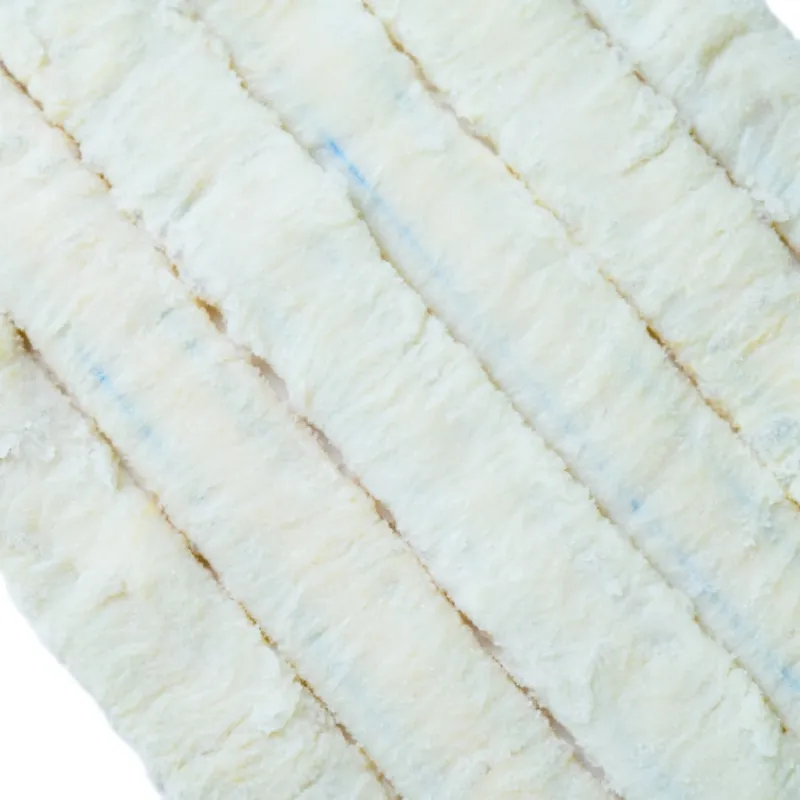
Recognizing that every sausage manufacturer has unique requirements, we offer extensive customization options for our pork casing products. This bespoke approach ensures that clients receive casings perfectly suited to their specific production lines and product formulations.
- Specific Caliber Ranges: While standard ranges are available, we can often source and grade casings to narrower caliber specifications, minimizing waste and optimizing stuffing efficiency for specialized products.
- Custom Lengths: Beyond the standard 100-yard hanks, we can provide casings in lengths tailored to automated stuffing equipment or specific batch sizes, enhancing operational flow.
- Packaging Configurations: Options include bulk barrels, smaller sealed tubs, or even pre-flushed and pre-tubed formats to reduce preparation time at the client's facility. Pre-tubing, for instance, can significantly speed up the stuffing process by eliminating manual unraveling.
- Salt Content Adjustments: For clients with specific brining or curing requirements, adjustments to salt concentration can be discussed to align with their processing protocols.
Our technical team works closely with clients to understand their operational parameters and product goals, developing solutions that deliver consistent quality and optimal performance. This collaborative approach ensures that our natural hog casings for sale integrate seamlessly into your production.
Application Case Studies: Success with Natural Hog Casings
Case Study 1: Large-Scale Artisan Sausage Producer
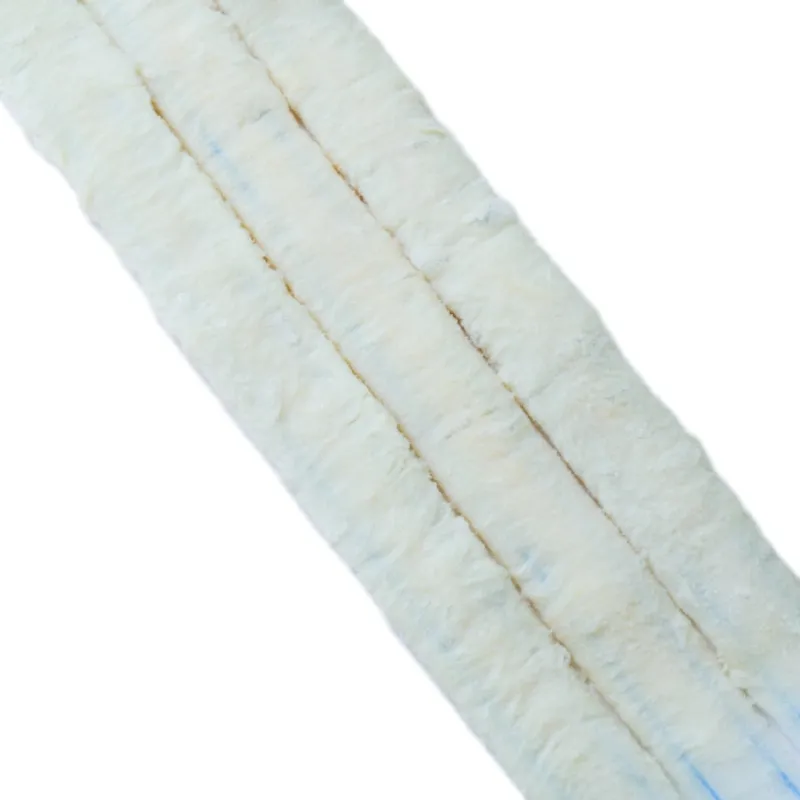
A prominent artisan sausage company, renowned for its heritage breed pork sausages, faced challenges with inconsistent caliber and tensile strength from their previous supplier of pork casing for sausage. This led to frequent bursting during high-speed stuffing and uneven product appearance, impacting both efficiency and brand reputation.
- Challenge: Inconsistent casing quality leading to production downtime and product defects.
- Solution: We provided them with a customized supply of Salted Hog Casings, pre-sorted to their exact 32-35mm caliber requirements, and tested for superior tensile strength (≥ 260 N/cm²). We also introduced pre-tubed options to streamline their stuffing process.
- Results: The client reported a 15% reduction in casing breakage, a 20% increase in stuffing line efficiency, and a significant improvement in the consistency of their final product's appearance. Customer feedback on their sausages' "perfect snap" also increased. This enabled them to maintain their high standards for their premium natural hog casings for sale products.
Case Study 2: Boutique Cured Meat Manufacturer
A boutique manufacturer specializing in traditional dry-cured salami sought natural casings that offered optimal breathability and texture for their slow-fermented products. Their previous supplier's casings exhibited variable permeability, leading to inconsistent drying rates and occasional undesirable mold growth.
- Challenge: Inconsistent moisture exchange during curing, affecting product quality and shelf stability.
- Solution: We conducted extensive trials with the client, supplying specific batches of natural hog casings selected for their consistent wall thickness and proven permeability rates. Our technical team also advised on optimal rehydration protocols.
- Results: The client achieved a 10% reduction in curing time variability and a notable improvement in the uniform drying and flavor development of their salami. The consistent "bloom" (desirable mold) on the casing surface improved, enhancing the aesthetic appeal of their traditional products. Their brand's reputation for authentic, perfectly cured meats was further solidified, reinforcing their choice of our natural hog casings for sale.
Frequently Asked Questions (FAQ)
Q1: How should natural hog casings be stored?
A: Salted hog casings should be stored in a cool, dark place, ideally between 0-10°C (32-50°F). They should remain in their sealed packaging to prevent dehydration and maintain their optimal quality. Do not freeze, as this can compromise casing integrity.
Q2: What is the recommended rehydration process before stuffing?
A: For best results, rinse the casings thoroughly under cold running water to remove excess salt. Then, soak them in lukewarm water (around 30°C / 86°F) for at least 30-60 minutes, or until they become pliable. Change the water several times to ensure proper rehydration and desalination. Some prefer to add a small amount of vinegar or wine to the soaking water for enhanced flavor integration.
Q3: Are your natural hog casings for sale certified?
A: Yes, our production facilities and processes adhere to stringent international food safety and quality standards, including HACCP and ISO 22000. Our products are also compliant with FDA regulations for the US market and relevant EU food safety directives. We are committed to providing fully traceable and certified products.
Q4: What is the minimum order quantity (MOQ)?
A: Our standard MOQ for Salted Hog Casings is typically 1 pallet (approximately 10-15 barrels, depending on barrel size). However, we understand that smaller or trial orders may be necessary, and we encourage clients to discuss specific requirements with our sales team.
Q5: Can you provide samples?
A: Yes, we offer samples for qualified B2B clients to assess the quality and suitability of our casings for their specific applications. Please contact our sales department to arrange for sample delivery and discuss your project needs.
Lead Time, Fulfillment, and Warranty Commitments
Lead Time & Fulfillment:
For standard orders of natural hog casings, our typical lead time from order confirmation to shipment is 7-14 business days. This allows for meticulous processing, quality control checks, and efficient logistics planning. For customized orders or large volumes, lead times may vary, and our dedicated account managers will provide a precise schedule. We maintain strategic warehousing to facilitate prompt deliveries globally, minimizing transit times and ensuring product freshness upon arrival. Our supply chain is designed for resilience, with redundant sourcing channels to mitigate potential disruptions.
Warranty Commitments:
We stand behind the quality of our pork casing for sausage with a comprehensive warranty. Our Salted Hog Casings are guaranteed to meet the specifications outlined in our product data sheets and be free from manufacturing defects. This warranty covers the casings for their stated shelf life, provided they are stored and handled according to our recommendations. In the unlikely event of a quality issue, clients are encouraged to contact our customer support team immediately for prompt resolution, which may include replacement or credit. Our commitment to ISO 22000 principles ensures consistent product quality batch after batch.
Customer Support and Technical Assistance
Our commitment to our clients extends beyond just providing premium natural hog casings for sale. We offer robust customer support and technical assistance to ensure seamless integration of our products into your operations and to help you optimize your sausage production processes.
- Dedicated Account Management: Each B2B client is assigned a dedicated account manager who serves as a primary point of contact for all inquiries, from order placement to technical support.
- Technical Expertise: Our team includes food technologists and casing specialists who can provide expert advice on casing selection, rehydration techniques, stuffing parameters, and troubleshooting common production challenges.
- Responsive Communication: We pride ourselves on timely and clear communication, ensuring that your questions are answered and concerns are addressed efficiently. Support is available via phone, email, and a dedicated online portal.
- Continuous Improvement: We actively solicit customer feedback to drive continuous improvement in our products and services, fostering long-term, mutually beneficial partnerships.
Partner with us for unparalleled product quality and support, ensuring your continued success in the competitive meat processing industry.
References
- Smith, J. (2021). "The Science of Sausage Casings: From Farm to Table." Journal of Food Science and Technology, 58(7), 2501-2512.
- Food and Agriculture Organization of the United Nations (FAO). (2020). Meat and meat products: Production, processing and future challenges. FAO Corporate Document Repository.
- European Food Safety Authority (EFSA). (2019). Guidance on the preparation of a request for authorization of a novel food. EFSA Journal, 17(1), 5570.
- U.S. Food and Drug Administration (FDA). (2022). Guidance for Industry: Standards for the Growing, Harvesting, Packing, and Holding of Produce for Human Consumption (Produce Safety Rule).
- International Organization for Standardization (ISO). (2018). ISO 22000:2018 Food safety management systems - Requirements for any organization in the food chain.