Dec . 03, 2025 20:10
Discovering the World of 20mm Sausage Casing Suppliers
At first glance, the phrase 20mm sausage casing suppliers might sound oddly specific — and frankly, it is! But behind it lies a bustling industry that touches everything from artisanal meat production to large-scale food manufacturing worldwide. Understanding the dynamics of these suppliers sheds light on how a simple product dimension plays into quality, consistency, and taste of sausages globally. Plus, it offers insight into why standardization and supplier choice matter more than you might realize.
Global Context: Why 20mm Sausage Casings Are More Important Than You Think
Meat processing is a huge global business with the United Nations Food and Agriculture Organization (FAO) reporting that billions of tons of meat products circulate annually. Within that, sausage production takes a significant slice of the pie, especially in Europe and North America. The 20mm size is a popular diameter offering versatility — small enough for snack-sized sausages but generous enough for traditional recipes. Reliable 20mm sausage casing suppliers solve a consistent challenge: delivering casings that meet size, durability, and food safety standards.
Yet, the market struggles with supply chain issues, variable quality, and environmental concerns — all ripe challenges that make knowing about these suppliers pretty crucial, whether you're a supplier, producer, or end consumer.
What Exactly Are 20mm Sausage Casing Suppliers?
Simply put, these suppliers provide the tubular films or natural animal intestines that hold sausage mixes. The 20mm measurement refers to the internal diameter of the casing, roughly the size of a finger — perfect for small to mid-sized sausages. There are two broad categories:
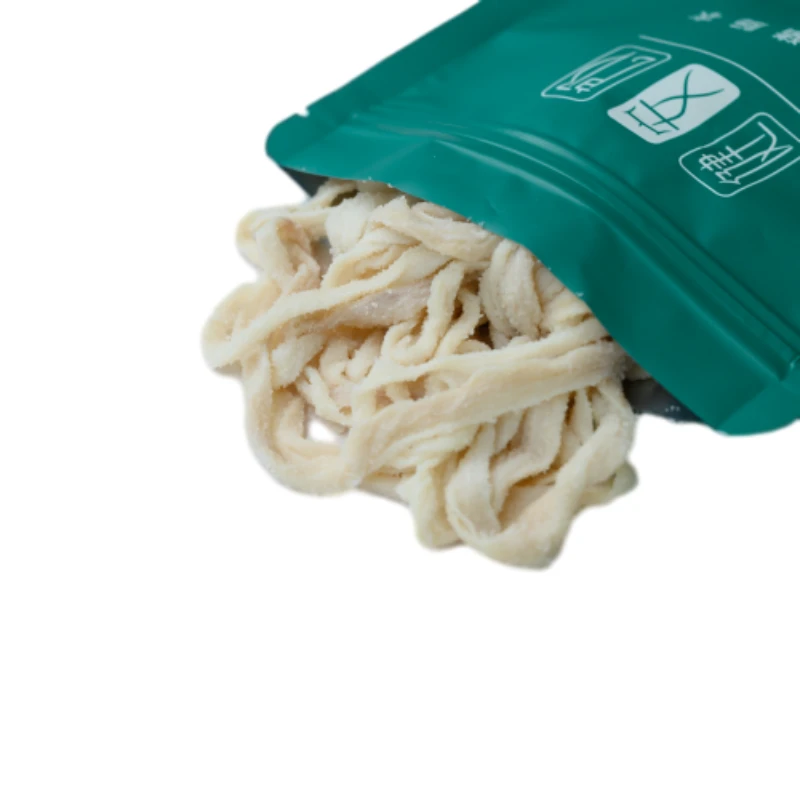
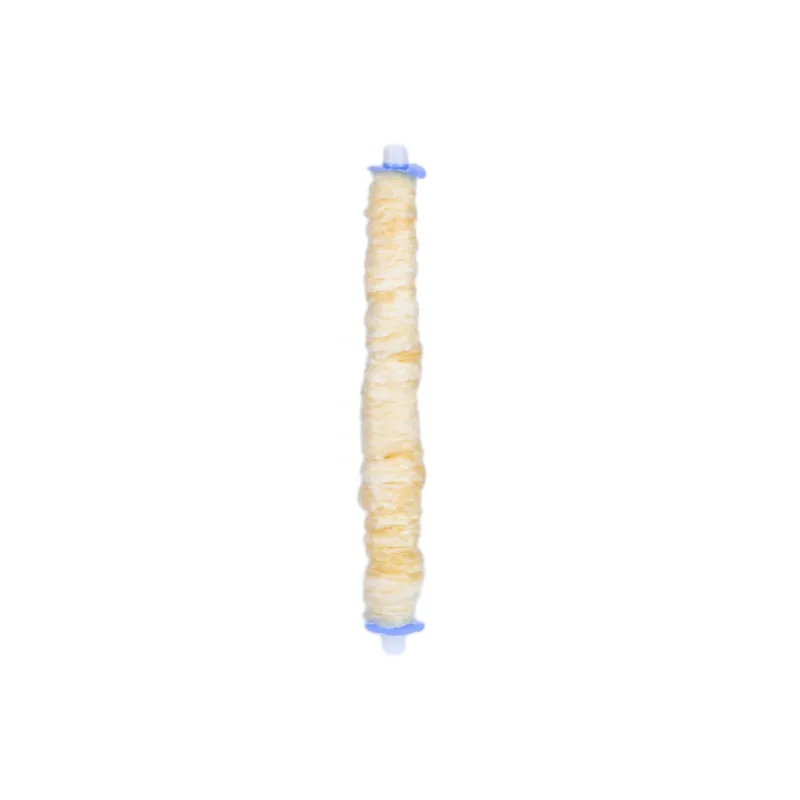
- Natural casings: Derived mainly from cleaned animal intestines, prized for traditional taste and texture.
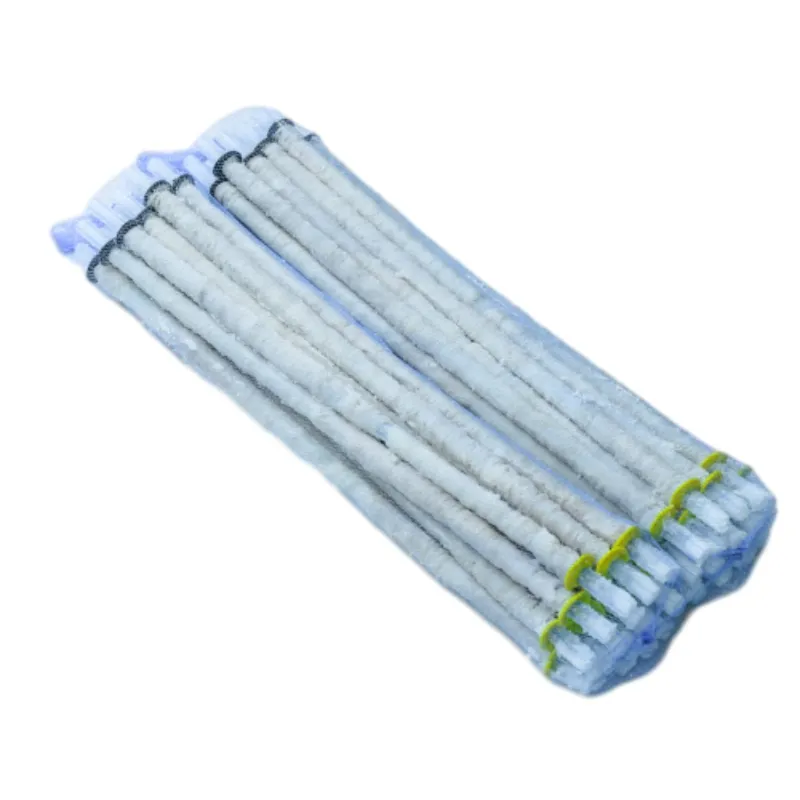
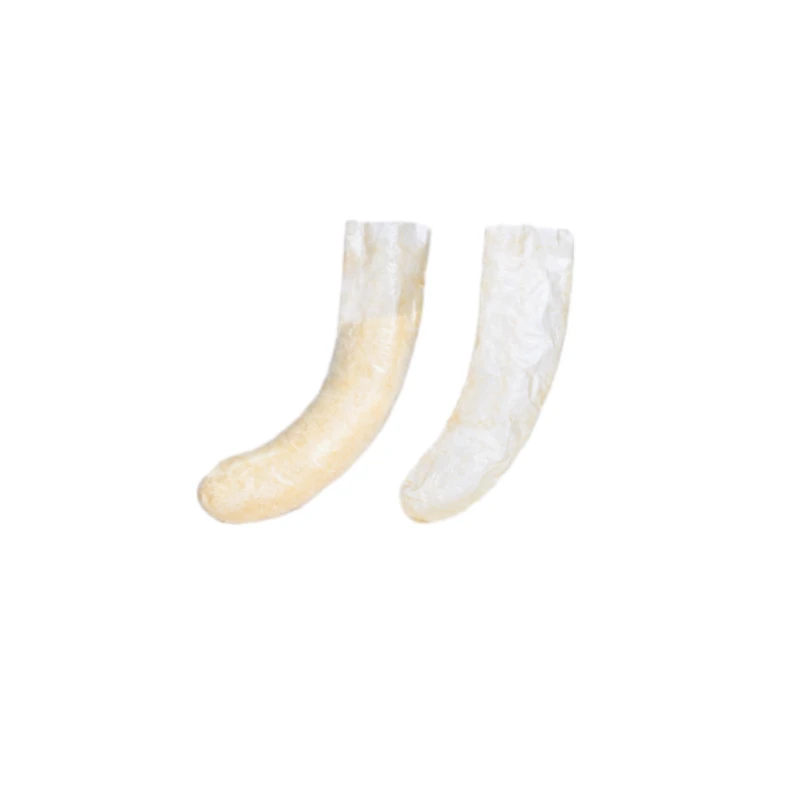
- Collagen & synthetic casings: Manufactured from edible materials, offering uniform thickness and higher scalability.
Suppliers delicately balance food-grade compliance with mechanical strength so processors can efficiently produce without casing failures.
Key Aspects Driving 20mm Sausage Casing Quality and Supplier Choice
1. Durability and Elasticity
A casing must stretch just right to hold filling without breaking during production or cooking. Poor durability wastes product and time.
2. Food Safety and Compliance
Global meat standards like ISO 22000 ensure casings are safe and free from contaminants. The best suppliers constantly improve adherence.
3. Consistency in Size and Thickness
Sausage makers rely on uniform 20mm dimensions for machine compatibility and predictable cooking times, so this uniformity is non-negotiable.
4. Sustainability
Eco-conscious producers increasingly prefer casings from renewable sources or biodegradable materials — a trend suppliers are scrambling to meet.
5. Scalability and Supply Reliability
No one wants to halt production due to casing shortages. Large, reputable suppliers often offer volume discounts and stable logistics.
Product Specifications at a Glance
| Specification | Details |
|---|---|
| Diameter | 20mm (± 0.5mm) |
| Material Types | Natural (hog or sheep intestine), Collagen, Cellulose |
| Shelf Life | 12 to 24 months (varies by casing type) |
| Compliance | ISO 22000; FDA (for US); EU Regulations |
| Packaging | Vacuum-sealed bundles or plastic drums |
Who Uses 20mm Sausage Casings Worldwide?
From small butchers in Central Europe to large meat packers in North America and Asia, the demand is widespread. Several interesting applications stand out:
- Traditional European sausages: Countries like Germany and Italy rely heavily on natural and collagen 20mm casings for classic products like bratwurst and cotechino.
- Food service industries: Quick-service restaurants use these casings to produce snack-sized sausages for sandwiches or breakfasts, where uniformity and cooking speed matter.
- Humanitarian food packs: In disaster zones or refugee camps, compact high-protein sausages packaged with reliable casings form an important nutrition source.
Oddly enough, these casings pop up in varied industrial uses, even beyond food — such as in certain bioplastics research applications.
Advantages of Partnering with Leading 20mm Sausage Casing Suppliers
- Cost-efficiency: Bulk purchases with consistent quality lower manufacturing losses.
- Product appeal: Quality casings impact texture and flavor retention, enhancing consumer satisfaction.
- Sustainability: Shifts toward biodegradable casings help companies improve environmental footprints.
- Supply reliability: Trusted suppliers minimize downtime risks, guaranteeing smoother operations.
Plus, there’s a certain peace of mind when your supplier’s certified and transparent — something many meat producers cherish deeply.
Looking Ahead: Innovations and Trends to Watch
In recent years, a few exciting developments have shaped the market for 20mm sausage casings:
- Biotech-enhanced collagen casings: Engineered for improved elasticity and biodegradability.
- Smart packaging integration: Embedded sensors to track freshness and temperature, expected in the near future.
- Digital supply chain platforms: Suppliers increasingly offer online ordering and real-time shipment tracking, boosting convenience and transparency.
- Regulatory tightening: More stringent food safety norms push suppliers toward even better material traceability.
Common Challenges and How Suppliers Address Them
No supplier journey is smooth — and the sausage casing sector has its quirks:
- Seasonal availability: Natural casings fluctuate with livestock cycles; suppliers often stockpile or mix materials to cope.
- Quality variation: Natural casings vary batch to batch; advanced sorting technologies help reduce inconsistency.
- Environmental concerns: Plastic-based casings face scrutiny; thus, suppliers diversify with compostable options.
- Global logistics: Shipping delays can disrupt production — multi-location warehouses and expedited freight options are common solutions.
Supplier Comparison: A Quick Overview
| Supplier | Material Range | Certifications | Sustainability Focus | Global Reach |
|---|---|---|---|---|
| Supplier A | Natural & Collagen | ISO 22000, FDA | Moderate (collagen focus) | Europe, North America |
| Supplier B | Collagen & Cellulose | ISO 22000, EU Approved | High (biodegradables) | Asia, Europe |
| Supplier C | Natural Only | FDA, Organic Certifications | Low | North America |
FAQ: What You Really Want to Know About 20mm Sausage Casing Suppliers
Q1: What type of casing is best for small 20mm sausages?
A: It really depends on the end product. For authentic texture and flavor, natural hog casings are preferred. But collagen casings offer greater consistency and ease of use, especially for mass production. Some producers use cellulose for skinless sausages too.
Q2: How can I ensure my supplier’s casings meet safety standards?
A: Look for globally recognized certifications like ISO 22000 and FDA approval. Trusted suppliers typically provide test reports and traceability data transparently. Visiting supplier audits or asking for third-party lab results is also wise.
Q3: Is it possible to order customized 20mm casing lengths or packaging?
A: Definitely. Many suppliers accommodate custom lengths, packaging, or even specific tensile strengths for machinery compatibility. It’s best to discuss your exact requirements upfront.
Q4: Are biodegradable casings really effective in sausage production?
A: Yes, but with a caveat. Biodegradable casings have improved significantly but can behave differently in processing and cooking. Some tweaking may be needed, yet the environmental benefits often outweigh this learning curve.
Q5: How do I get started with international shipping of 20mm sausage casings?
A: Partner with suppliers experienced in cross-border logistics who provide complete documentation (like certificates of origin and health certifications). Using freight forwarders versed in foodstuff regulations helps smooth customs clearance.
Wrapping It All Up
So, what can you take away from all this? When it comes to 20mm sausage casing suppliers, the devil’s in the details: size uniformity, consistent quality, and sustainable sourcing define success. The right supplier doesn’t just deliver a product — they deliver peace of mind across your entire supply chain. If you’re looking for trusted options, why not start by exploring 20mm sausage casing suppliers who know their craft inside out?
In the end, it’s these small links in the food chain that keep our favorite sausages delightful, safe, and available worldwide — a fact worth appreciating at your next sausage tasting, I suppose.
References: