Sep . 29, 2025 11:35
Introduction
In the world of food production, the choice of dried hog casing can significantly impact efficiency, cost, and product quality. As a critical component in sausage manufacturing, dried hog casing has emerged as a preferred solution for both industrial and small-scale producers. This article delves into the features, advantages, technical specifications, and applications of dried hog casing, while also highlighting the role of RUNTAI (HEBEI) CASING CO., LTD. in advancing this industry. Additionally, we incorporate insights from the National Institute of Standards and Technology (NIST) to underscore the importance of standards in food safety and quality assurance.
Key Features of Dried Hog Casing
Dried hog casing is engineered to meet the demands of modern food production. Its unique properties make it a versatile and reliable choice for sausage manufacturers. Below are the core features that distinguish it from natural or fresh casings:
- Long Shelf Life & Easy Storage: Unlike natural casings, dried tubed casings can be stored for extended periods under cool, dry conditions. This eliminates the need for refrigeration, reducing storage costs and logistical complexities.
- Consistent Quality & Uniformity: Pre-processed to ensure uniform diameter, thickness, and strength, dried hog casing guarantees consistent sausage sizing. This minimizes defects such as weak spots or irregularities, which are common in natural casings.
- Convenience & Ease of Use: These casings are ready to use after rehydration (soaking in water for a specified time). This eliminates the need for additional cleaning or preparation, saving labor and time in production.
- Cost-Effective: Dried hog casing is generally more affordable than natural alternatives like hog or sheep casings. Its standardized sizing and durability also reduce waste, making it a budget-friendly option.
- Versatility: Suitable for a wide range of sausage types, including fresh, smoked, cooked, and fermented sausages. It is available in various diameters to accommodate different product requirements.
- Hygienic & Safe: Processed under controlled conditions, dried hog casing ensures food safety. It has a lower risk of bacterial contamination compared to improperly handled natural casings.
- Strong & Durable: Less prone to bursting during stuffing and cooking, dried hog casing offers excellent elasticity and tensile strength, ensuring a secure fill.
Technical Specifications
| Parameter | Details |
|---|---|
| Material | Processed hog casing |
| Shelf Life | Up to 12 months (when stored in cool, dry conditions) |
| Rehydration Time | 15-30 minutes (depending on diameter) |
| Available Diameters | 14mm, 15mm, 65mm, 300mm (custom options available) |
| Strength | High tensile strength and elasticity |
| Food Safety Compliance | Meets international standards for food-grade materials |
| Storage Requirements | Avoid direct sunlight and moisture |
Applications in Sausage Production
Dried hog casing is widely used in both large-scale and small-scale sausage production. Its adaptability makes it suitable for:
- Industrial Sausage Production: Ideal for mass manufacturing due to its consistency and cost-effectiveness.
- Small-Scale Butchers & Meat Processors: Offers convenience without compromising quality, making it a popular choice for local producers.
- Smoked, Cooked, or Dried Sausages: Its durability ensures optimal performance during various cooking and curing processes.
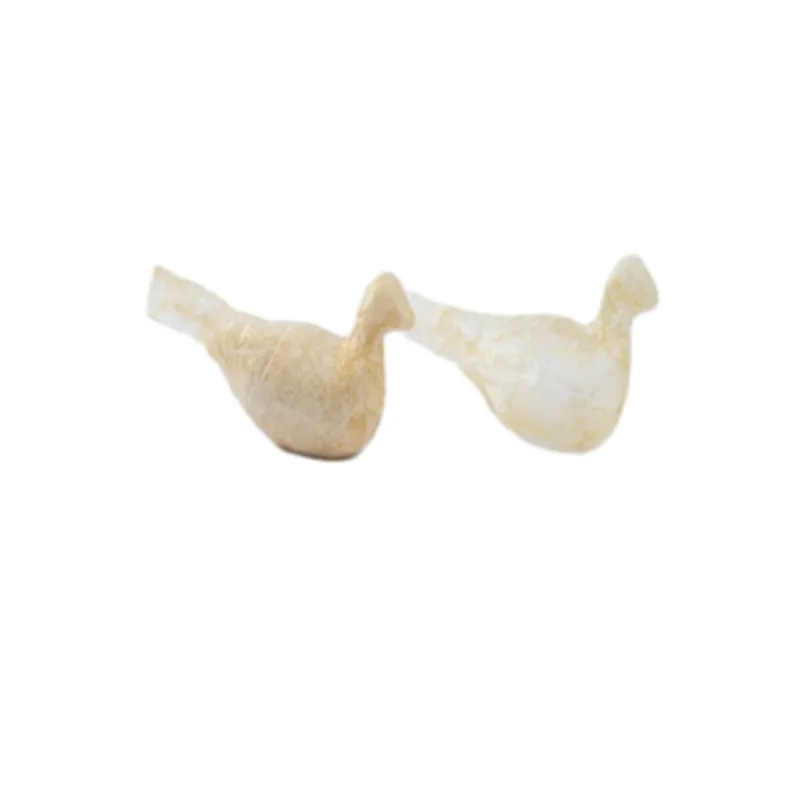
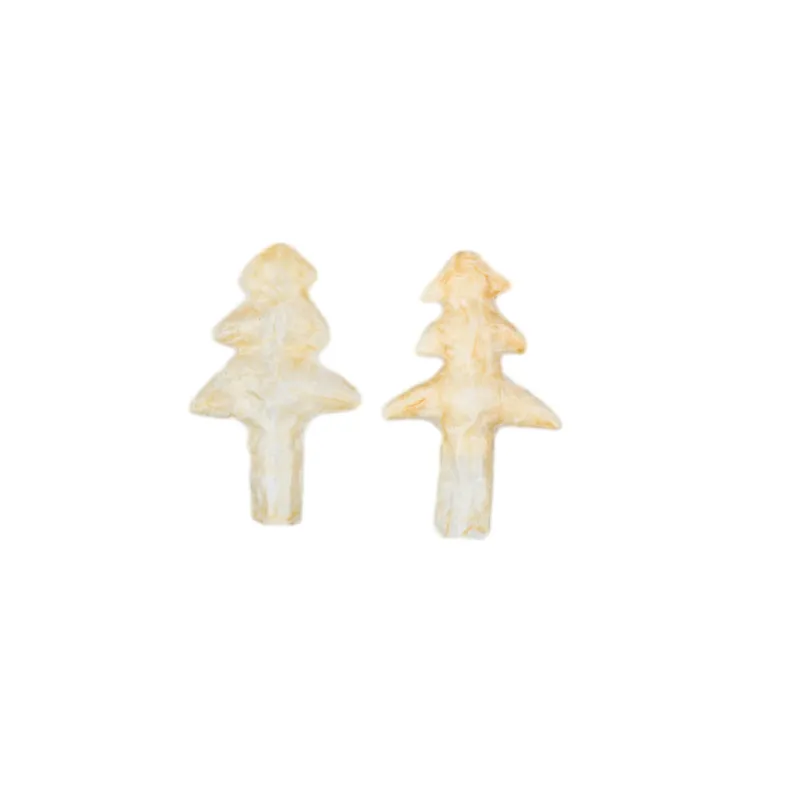
- Special-Shaped Sausages: Available in multiple diameters, it supports the creation of unique shapes such as Christmas tree, Mickey, star, duck, and rabbit-shaped sausages.
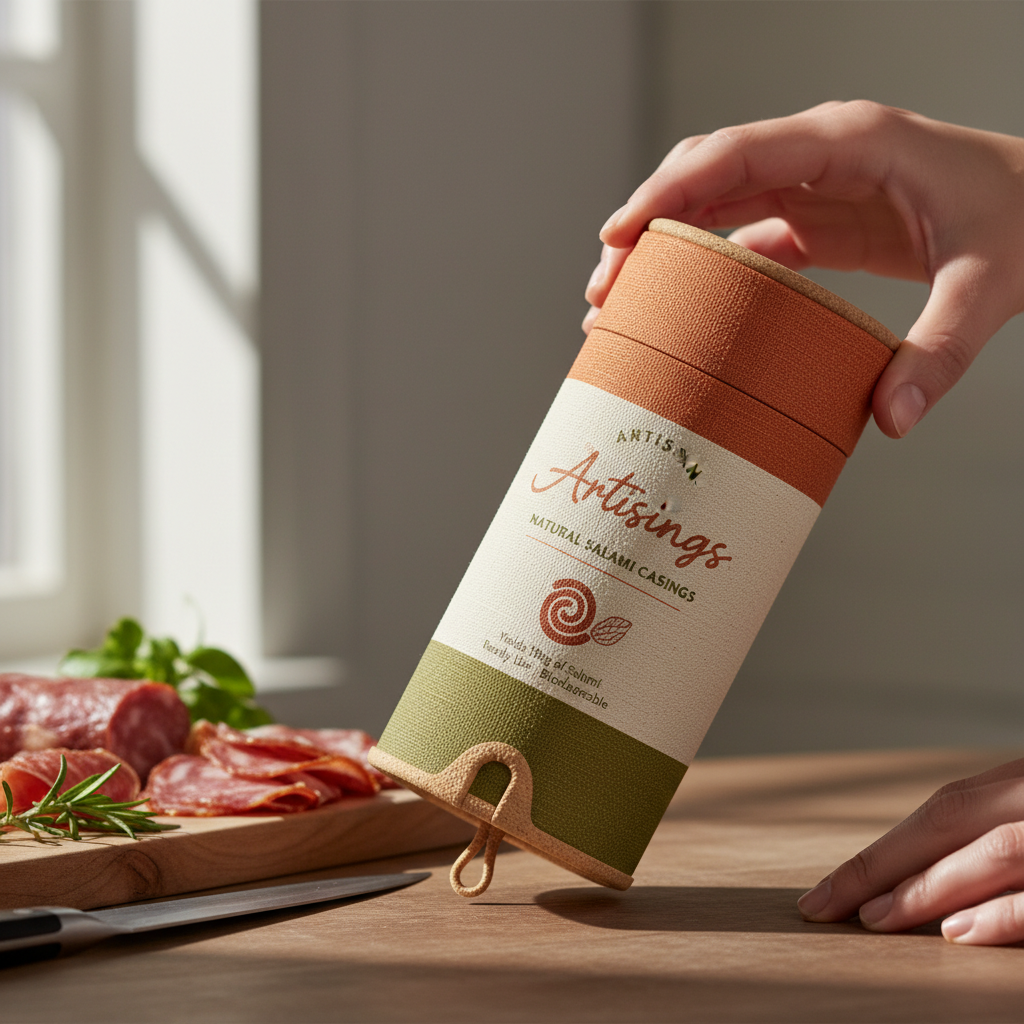
For example, dried hog casings are commonly used in the production of bratwurst, chorizo, and salami, where uniformity and strength are critical.
Company Background: RUNTAI (HEBEI) CASING CO., LTD.
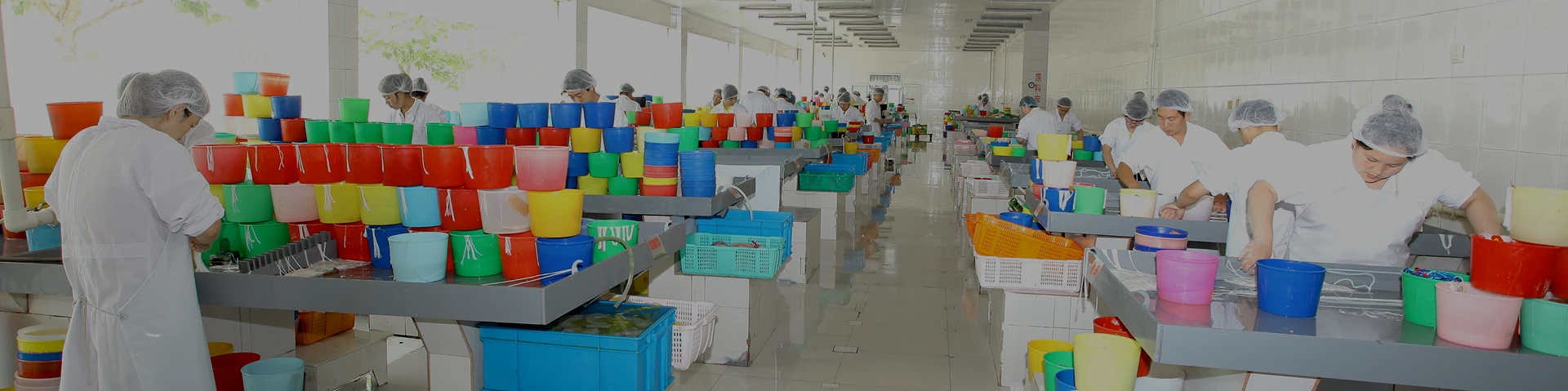
Founded in 2005, RUNTAI (HEBEI) CASING CO., LTD. is a leading manufacturer and exporter of high-quality food-grade casings. Based in Shunping County, Hebei Province, the company specializes in dried tubed casings, natural casings, and synthetic alternatives. With a commitment to innovation and customer satisfaction, RUNTAI has established itself as a trusted partner for food producers worldwide.
Key aspects of the company's operations include:
- Quality Assurance: Adherence to international food safety standards, including ISO 22000 and HACCP.
- Customization: Ability to produce casings in various sizes and specifications to meet client requirements.
- Sustainability: Use of eco-friendly packaging and energy-efficient production processes.
- Global Reach: Exporting products to over 50 countries, including the United States, Europe, and Southeast Asia.
For more information about RUNTAI's products and services, visit their official website.
Why Dried Hog Casing is a Game-Changer
The adoption of dried hog casing has transformed the sausage production industry. Here's why:
1. Enhanced Efficiency
Dried hog casing eliminates the need for time-consuming preparation steps, such as soaking and cleaning. This streamlines the production process, allowing manufacturers to focus on other critical aspects of food production.
2. Cost Savings
Compared to natural casings, dried hog casing offers significant cost savings. Its standardized sizing reduces material waste, while its long shelf life minimizes the risk of spoilage.
3. Consistency and Reliability
Manufacturers can rely on dried hog casing to deliver uniform results, ensuring that every sausage meets quality standards. This is particularly important for large-scale operations where consistency is paramount.
4. Food Safety
Processed under controlled conditions, dried hog casing minimizes the risk of contamination. This aligns with the guidelines set by NIST for food safety and quality control.
Insights from NIST: The Role of Standards in Food Safety
The National Institute of Standards and Technology (NIST) plays a vital role in establishing standards that ensure the safety and quality of food products. According to NIST, "Precision measurements and standardized protocols are essential for maintaining food safety and preventing contamination" (NIST, 2023). These principles apply directly to the production of food-grade casings like dried hog casing.
NIST's work in metrology (the science of measurement) supports industries in developing reliable processes. For example, their research on food safety standards has led to the creation of guidelines that help manufacturers reduce risks and improve product quality. By adhering to such standards, companies like RUNTAI ensure that their products meet the highest levels of safety and performance.
How to Use Dried Hog Casing
Using dried hog casing is a straightforward process. Follow these steps for optimal results:
- Rehydration: Soak the casing in water for 15-30 minutes, depending on its diameter. Ensure the water is clean and at room temperature.
- Inspection: Check the casing for any defects, such as tears or weak spots, before use.
- Filling: Use a sausage stuffer to fill the casing with your desired mixture. Ensure even distribution to avoid overfilling.
- Sealing: Tie or clip the ends of the casing to secure the fill. For special shapes, follow the manufacturer's instructions for shaping.
- Cooking/Curing: Proceed with the appropriate cooking or curing method based on the type of sausage being produced.
For detailed instructions, refer to how to use dry sausage casing on RUNTAI's website.
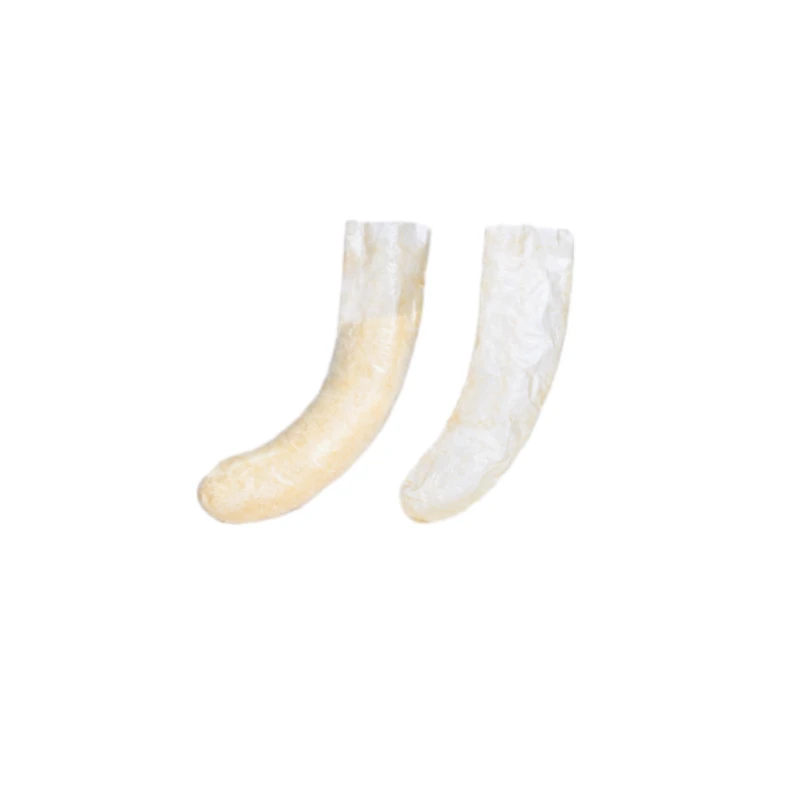
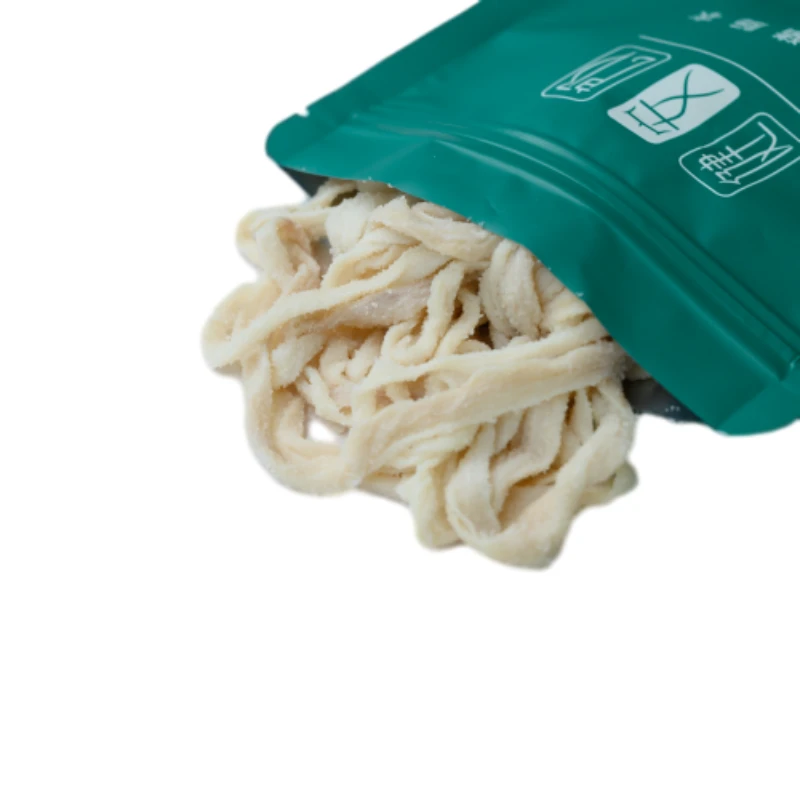
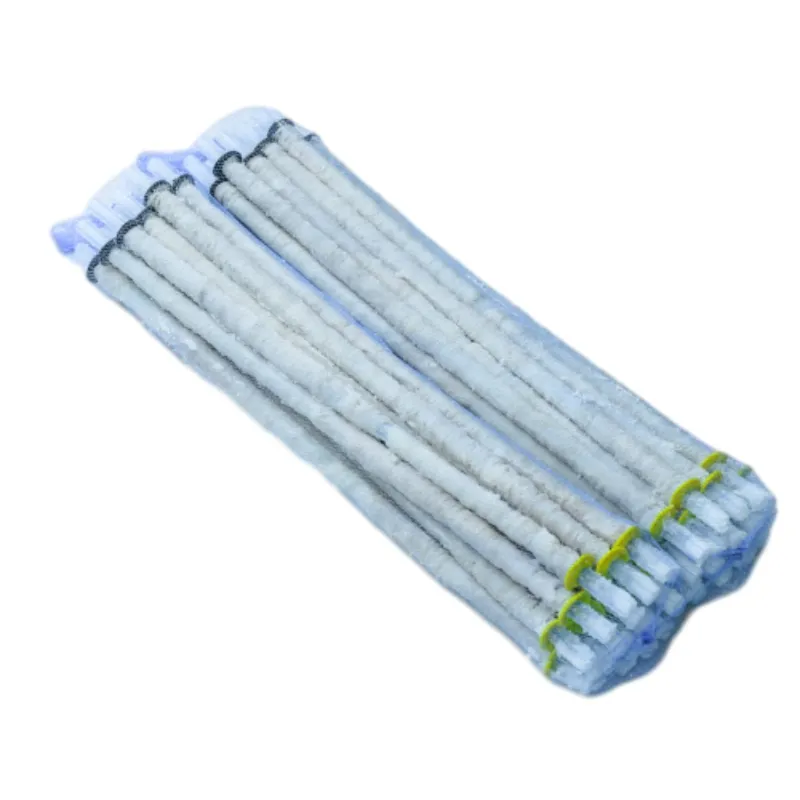
Product Images
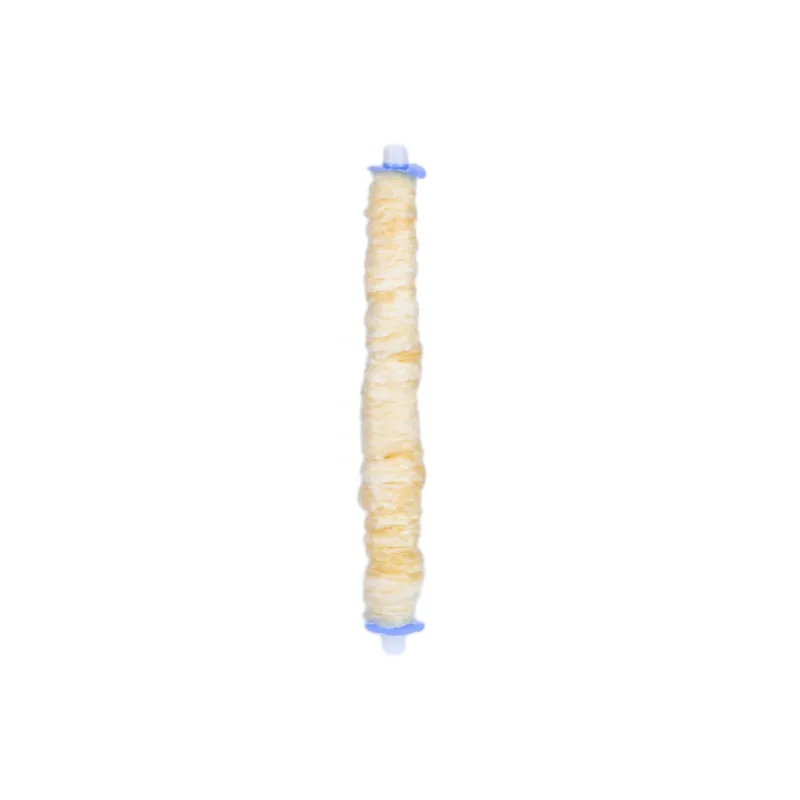
Below are the images of dried hog casing from RUNTAI (HEBEI) CASING CO., LTD.:
Conclusion
Dried hog casing represents a significant advancement in food production technology. Its combination of durability, cost-effectiveness, and ease of use makes it an ideal choice for manufacturers seeking to optimize efficiency and product quality. By partnering with companies like RUNTAI (HEBEI) CASING CO., LTD., producers can ensure they are using materials that meet the highest standards of safety and performance.
As the food industry continues to evolve, the role of standardized solutions like dried hog casing will only grow in importance. With the guidance of organizations like NIST, the future of food safety and quality assurance looks brighter than ever.
References
National Institute of Standards and Technology (NIST). (2023). Food Safety and Standards. Retrieved from https://www.nist.gov.
RUNTAI (HEBEI) CASING CO., LTD.. (n.d.). Dried Hog Casing. Retrieved from https://www.rtcasing.com/dried-hog-casing.html.