Dec . 03, 2025 20:32
Understanding the 20mm Sausage Casing Factory: A Global Perspective
At first glance, “20mm sausage casing factory” might sound pretty niche — and honestly, it is — but it's a significant cog in the machinery of the global food industry. Sausage casings, especially in precise sizes like 20mm, are essential for producing consistent, quality sausages for markets worldwide. Understanding how these factories operate and why the 20mm size is popular reveals some interesting insights into food technology, supply chains, and even cultural eating habits globally.
Why should we care? Well, sausage production is a multibillion-dollar market worldwide, with millions relying on well-designed casings for everything from artisan sausages to mass-produced deli products. Coupled with rising food safety standards and consumer demands for quality and innovation, factories specializing in 20mm sausage casings are increasingly critical players.
Introduction: The Global Context of 20mm Sausage Casing Factories
The global market for sausage casings, according to industry and ISO reports, has seen steady growth. Meat processing worldwide, growing at about 3-4% per year, drives demand for reliable casing production. The 20mm diameter is favored for a wide range of sausage types — from frankfurters to snack sticks — because it offers an excellent balance of bite-size and filling versatility.
However, the challenge lies in producing casings that are consistent in diameter, durable yet edible or biodegradable, and compliant with food safety regulations across regions. This is where specialized 20mm sausage casing factories come in — they ensure scalability meeting these demands, keeping pace with evolving technology and sustainability goals.
What Exactly Is a 20mm Sausage Casing Factory?
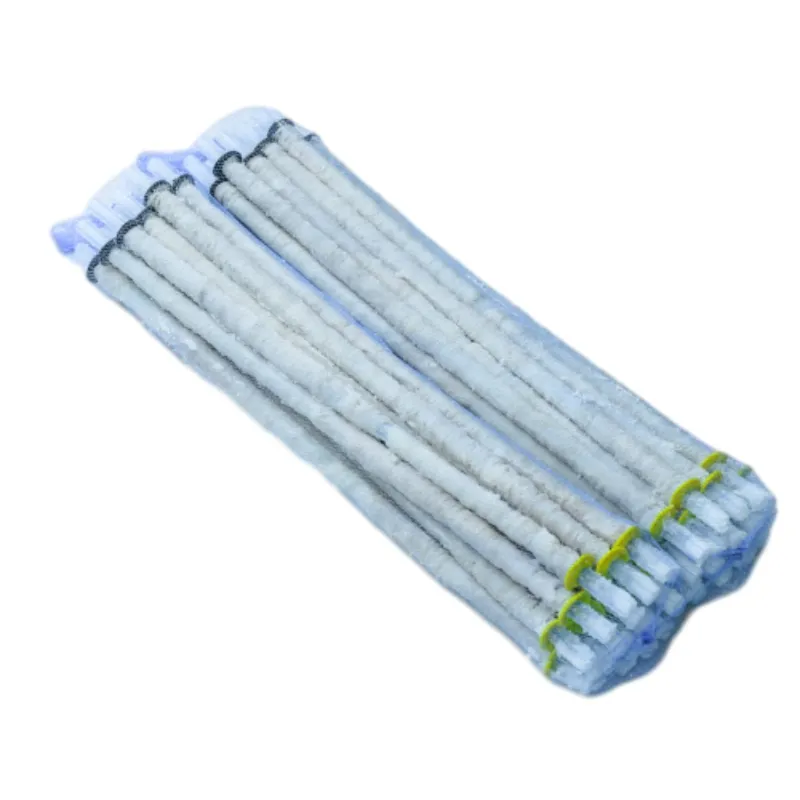
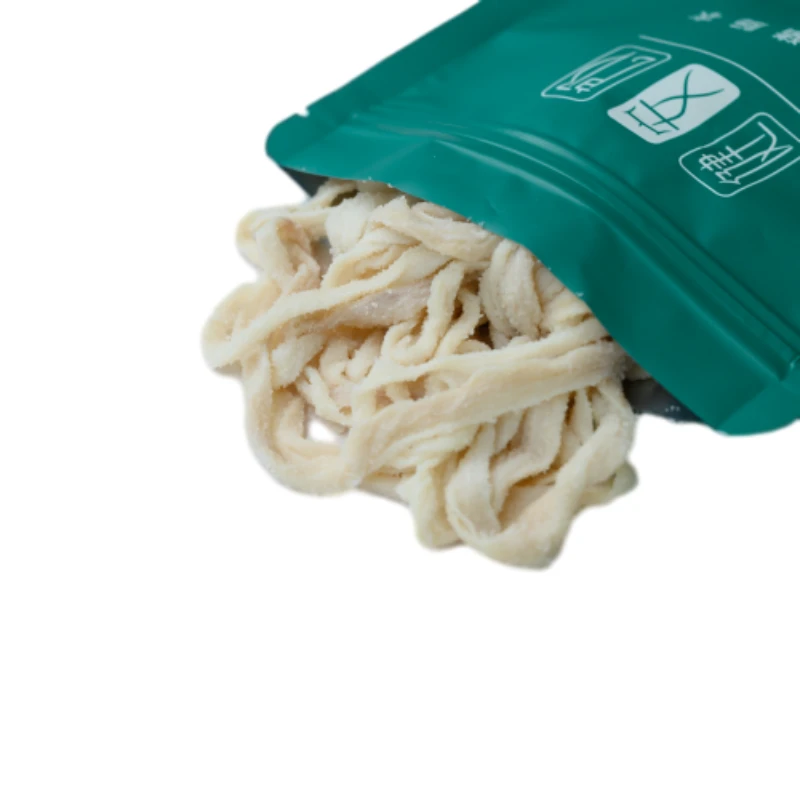
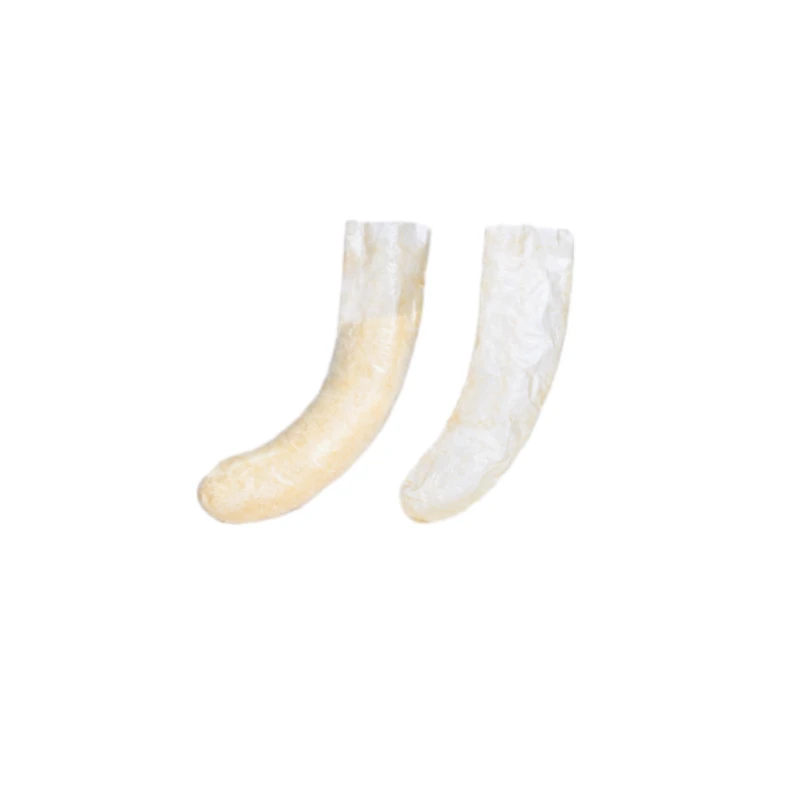
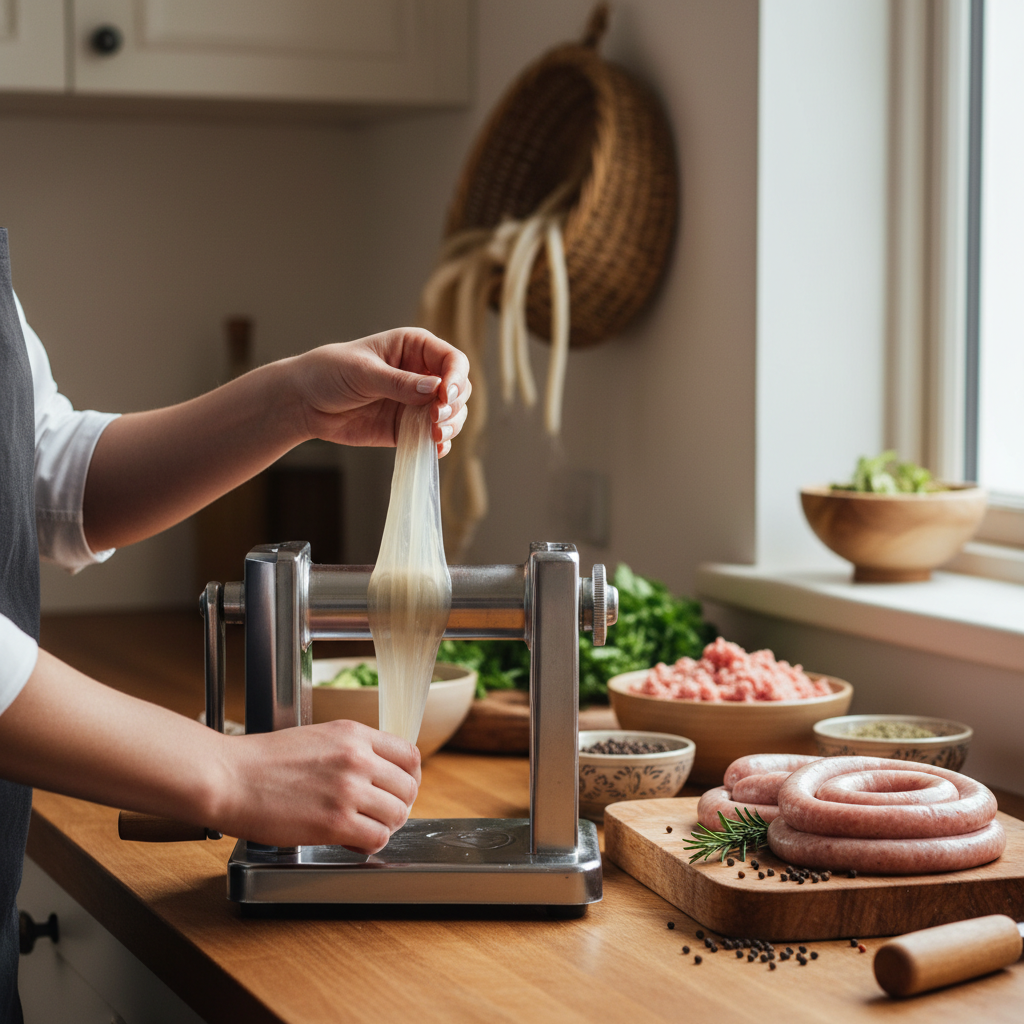
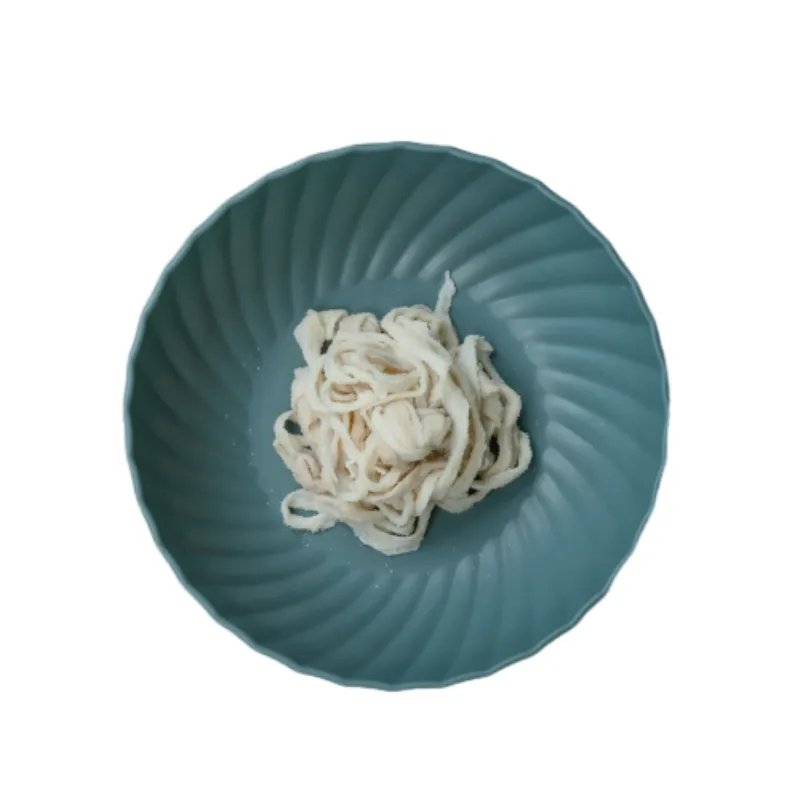
Simply put, a 20mm sausage casing factory is a production facility dedicated to manufacturing sausage casings with an inner diameter of 20 millimeters. Casings can be natural (from cleaned animal intestines) or synthetic (collagen, cellulose, or even plant-based). These casings serve as the “containers” or “skins” for sausages, holding the meat mixture in a neat, uniform shape during processing, cooking, and packaging.
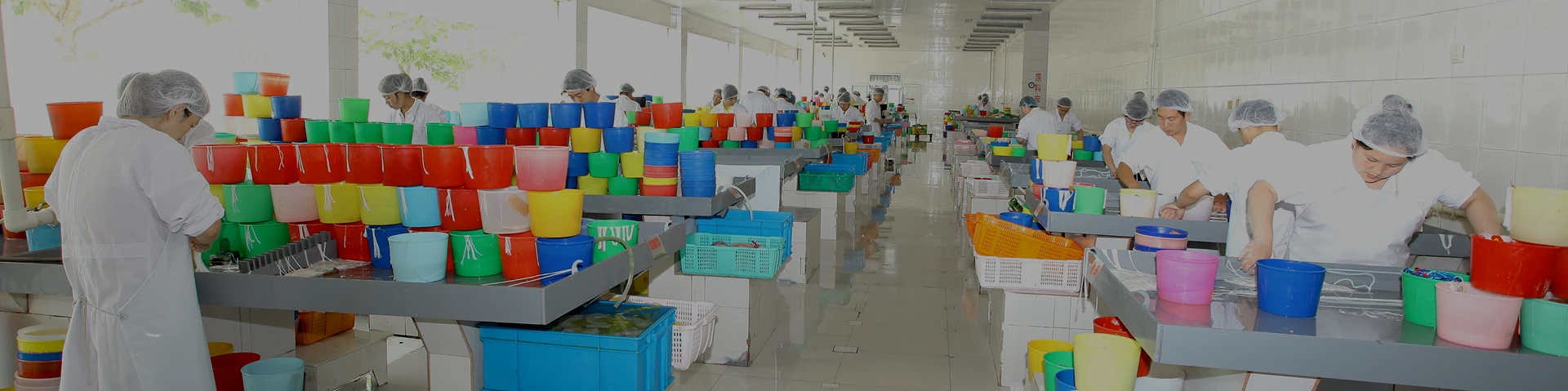
In modern food industries, these factories play a pivotal role. They blend traditional techniques with high-tech quality control to provide casings that meet food safety standards and customer specifications across different countries. Sometimes, they even cater to humanitarian or niche markets where reliable protein packaging is essential, such as camps or remote communities.
Core Components of a 20mm Sausage Casing Factory
1. Precision in Diameter and Uniformity
The 20mm size refers to the internal diameter of the casing tube. Precision machinery ensures minimal size variation to avoid production glitches — because, frankly, inconsistent casing means waste and failed batches.
2. Material Quality and Sourcing
Factories choose between natural casings (usually sourced from animal intestines) and synthetic alternatives (collagen or cellulose). Each material demands different machinery, curing processes, and quality assurance stages. Collagen, for example, is popular for its consistent texture and better shelf life.
3. Compliance and Food Safety
Strict hygiene in manufacturing is mandatory. Factories must align with global FSSC 22000 or ISO 22000 food safety standards, ensuring casings are free from microbial contamination and safe for consumption.
4. Scalability & Custom Orders
Depending on client demand, these factories can run mass production but also offer bespoke casings — like flavored or colored skins, which are gaining popularity. This adaptability is crucial for catering to diverse global markets.
5. Environmental Considerations
Modern factories are embracing eco-friendly practices — reducing water usage, managing waste properly, and developing biodegradable synthetic casings, which also appeal to the rising number of environmentally conscious consumers.
Summary:
- Precision and consistency are fundamental in casing production.
- Material choice impacts processing and usability.
- Food safety compliance is non-negotiable.
- Customization and environmental sustainability are growing trends.
Global Applications and Real-World Use Cases
In Europe, the sausage industry relies heavily on collagen casings produced in specialized 20mm sausage casing factories to manufacture traditional cured meats. Meanwhile, in the US, mass production plants deploy cellulose casings of this diameter for quick-cooking varieties like hot dogs.
Oddly enough, in regions like Southeast Asia and Africa, natural casings are more prevalent, often sourced alongside factory production for local markets. Some NGOs have even sourced 20mm casings in emergency food kits distributed during crises for their ease of packaging and durability.
Here's a practical scenario: a small artisan meat producer in Poland might choose casings from a specific 20mm sausage casing factory known for natural sheep-derived casings to preserve authenticity. Contrast this with a large processor in Brazil opting for synthetic collagen casings for scale and uniformity.
The 20mm Sausage Casing Specification Table
| Specification | Details |
|---|---|
| Diameter | 20 mm ± 0.2 mm |
| Material Types | Natural (Sheep, Hog Intestines), Collagen, Cellulose |
| Shelf Life | Natural: 12 months (refrigerated); Synthetic: 24 months (ambient) |
| Packaging | Vacuum sealed or brine packed |
| Color Options | Natural, smoked hues, dyed variants available |
Comparing Top 20mm Sausage Casing Factory Vendors
| Vendor | Material Focus | Certifications | Lead Time | Customization |
|---|---|---|---|---|
| RT Casing Factory | Collagen & Synthetic | ISO 22000, FSSC 22000 | 2-3 weeks | High – flavors, colors, sizes |
| Natural Casings Global | Natural Intestines | ISO 22000 | 4-6 weeks | Medium |
| EcoCasing Ltd. | Biodegradable Synthetic | FSSC 22000 | 3-4 weeks | Growing, limited flavors/colors |
Advantages and Long-Term Benefits
Owning or partnering with a specialized 20mm sausage casing factory brings a slew of advantages. First off, uniformity in casing size reduces product recalls and increases consumer confidence. From a sustainability standpoint, the shift towards biodegradable synthetics and hygienic production reduces environmental impact, which consumers value increasingly.
On a social level, local factories often provide employment and expertise to communities, boosting economies. Food safety compliance means longer shelf life, reducing waste and ensuring dignity — not just physically containing flesh, but metaphorically supporting standards of quality food provisioning.
Future Trends in 20mm Sausage Casing Production
The future looks pretty exciting. Automation and AI-driven quality controls are becoming standard, ensuring microscopic deviations are caught early. Meanwhile, the rise of plant-based "vegan casings" attempts to cater to the growing meat alternative market.
Green certification will no doubt dominate factory protocols, alongside digital traceability, allowing brands to showcase eco-friendly origins of casing materials. Finally, innovations in curing processes could further extend shelf life while preserving taste, a win-win for producers and consumers alike.
Challenges and Expert Solutions
Challenges remain, of course. Natural casing supply depends on animal slaughter rates — sometimes volatile due to political or economic factors. Synthetic variants must overcome consumer skepticism and regulatory hurdles. Furthermore, balancing cost-efficiency with customization often proves tricky.
Innovators suggest hybrid materials and closer supplier relationships help. Incorporating blockchain tech for supply transparency is emerging too, making sourcing and quality easier to verify.
FAQ: Your Questions About 20mm Sausage Casing Factories
- Q: Why is the 20mm size so popular for sausages?
A: The 20mm diameter hits a sweet spot between bite-sized convenience and enough space for diverse fillings, making it a versatile choice across many sausage types. - Q: Can synthetic casings match the taste and texture of natural ones?
A: Modern collagen casings come close, offering uniformity and durability, though some connoisseurs argue natural casings still edge out in traditional flavor and snap. - Q: How do factories ensure food safety compliance?
A: Through strict hygiene protocols, regular microbial testing, and aligning with global certifications like ISO 22000 and FSSC 22000. - Q: Are 20mm casings customizable?
A: Absolutely. Many factories offer color, flavor, and texture customizations to cater to market trends and regional preferences. - Q: How can I find reliable 20mm sausage casing factories?
A: Look for those with proven certifications, scalable production, and flexible customization — for example, visit 20mm sausage casing factory options for trusted suppliers.
Conclusion: Why the 20mm Sausage Casing Factory Matters Long-Term
To sum it up, the 20mm sausage casing factory might fly under the radar for many, but it’s central to a reliable, tasty, and safe sausage production ecosystem. With growing demands for sustainability, quality, and customization, factories specializing in this niche will continue to innovate and invest in smart technologies and eco-friendly practices.
If you’re looking to source reliable casings or simply want to learn more about the production process, don’t hesitate to visit 20mm sausage casing factory suppliers and discover the latest advances.
Frankly, no matter where you are in the world, sausages unite people — and it starts with the casing.