The efficient and hygienic processing of meat products relies heavily on the quality of sausage casings. Proper cleaning sausage casings is not merely a procedural step; it's a critical factor influencing product safety, shelf life, and overall consumer appeal. Globally, the demand for high-quality meat products continues to rise, driven by population growth and changing dietary preferences, intensifying the need for optimized casing processing techniques. Ensuring casings are thoroughly cleaned minimizes the risk of contamination, preserves the natural texture, and ultimately contributes to the delivery of safe and appealing meat products.
The meat processing industry faces growing pressures from stringent food safety regulations, consumer expectations for natural and preservative-free products, and the need for cost-effective operations. Effective cleaning sausage casings directly addresses these challenges. According to the USDA, proper sanitation is paramount in preventing foodborne illnesses, and this extends directly to the casings used in sausage production. Investment in advanced cleaning technologies and optimized processes translates to reduced waste, improved product quality, and a stronger brand reputation.
The importance of maintaining optimal hygiene standards in meat processing, coupled with the increasing emphasis on sustainability and waste reduction, makes understanding the nuances of cleaning sausage casings more critical than ever. It’s a process that impacts not only the immediate quality of the final product but also the long-term viability and responsible operation of meat processing facilities worldwide.
The Essential Role of cleaning sausage casings
Cleaning sausage casings isn’t merely about aesthetics; it’s a foundational element of food safety and product quality. Thoroughly cleaned casings minimize the risk of bacterial contamination, preventing spoilage and safeguarding consumer health. The integrity of the casing directly impacts the final product’s texture, appearance, and overall eating experience.
The selection of appropriate cleaning methods is crucial, as improper techniques can damage the casing's structure, leading to breakage during stuffing or compromising its permeability. Optimized cleaning processes also contribute to extended shelf life, reducing waste and enhancing profitability for meat processors.
Defining cleaning sausage casings: A Comprehensive Overview
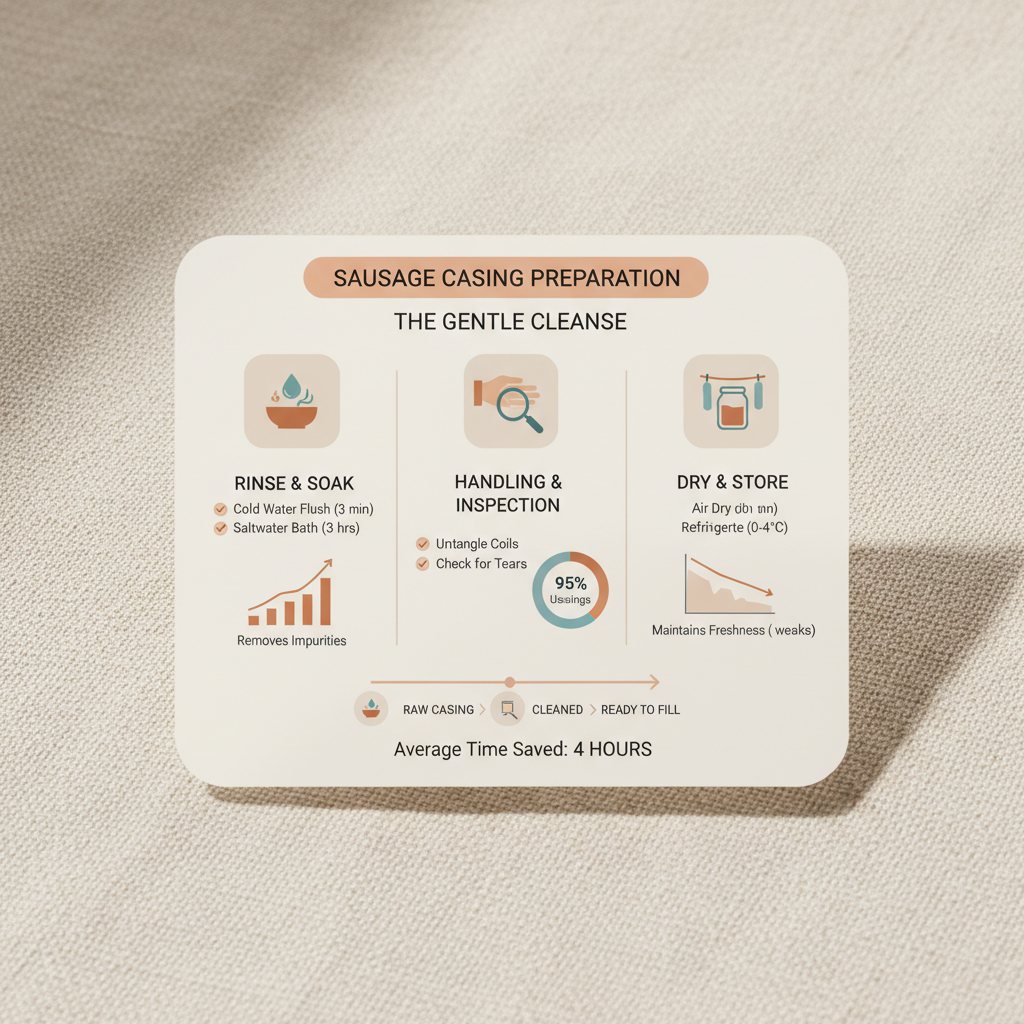
Cleaning sausage casings refers to the process of removing residual salts, proteins, fats, and any other contaminants from natural or synthetic casings prior to their use in sausage production. This typically involves a series of washing, soaking, and potentially enzymatic treatments designed to prepare the casing for optimal stuffing and to ensure the final product meets stringent hygiene standards.
In modern food processing, this process is directly linked to the principles of Hazard Analysis and Critical Control Points (HACCP), ensuring a systematic approach to identifying and controlling potential food safety hazards. Effective cleaning is not a single event, but rather a continuous process integrated into the overall quality control system.
The importance of cleaning sausage casings has grown alongside the rise of consumer awareness regarding food safety and transparency. Consumers increasingly demand products free from harmful bacteria and contaminants, placing a greater emphasis on the rigorous cleaning and sanitation practices employed by meat processors.
Core Aspects of Effective cleaning sausage casings
Several core aspects contribute to truly effective cleaning sausage casings. Firstly, water quality is paramount. Water used in the cleaning process must be potable and free from contaminants that could re-contaminate the casings. Secondly, the choice of cleaning agents – whether enzymatic solutions, mild detergents, or specialized casing washes – must be carefully considered based on the casing type and the nature of the contaminants.
Thirdly, the duration and temperature of soaking and washing stages play a vital role. Insufficient soaking may leave residual contaminants, while excessive soaking can weaken the casing structure. Finally, a robust quality control system, including regular microbiological testing, is essential to verify the effectiveness of the cleaning process and ensure consistent results.
Beyond these foundational elements, understanding the specific characteristics of the casing material—whether natural hog, sheep, or beef casings, or synthetic collagen or cellulose casings—is crucial for tailoring the cleaning process appropriately. Each material requires a unique approach to maximize cleaning efficacy without compromising its integrity.
Assessing cleaning sausage casings Performance: Key Metrics
Evaluating the effectiveness of cleaning sausage casings requires the use of objective metrics. Microbial load testing, specifically for indicators like total plate count, coliforms, and E. coli, is a primary method for assessing hygienic cleanliness.
Additionally, measuring residual salt content is critical, as excessive salt can affect product flavor and shelf life. Visual inspection for remaining debris or discoloration provides a quick initial assessment.
Cleaning Sausage Casings Assessment Methods
Global Applications of cleaning sausage casings Processes
The principles of cleaning sausage casings are universally applied across the global meat processing industry. In Europe, stringent EU regulations mandate rigorous sanitation standards, driving the adoption of advanced cleaning technologies. In North America, USDA guidelines similarly emphasize the importance of hygienic casing processing.
The specific methods employed may vary depending on local regulations and the scale of production. Large-scale industrial processors often utilize automated cleaning systems, while smaller artisanal producers may rely on more manual techniques. Regardless of the approach, the fundamental goal remains consistent: to ensure the safety and quality of the final product.
The Long-Term Value and Benefits of Optimized cleaning sausage casings
Investing in optimized cleaning sausage casings processes yields significant long-term benefits. Reduced product spoilage translates to lower waste and increased profitability. Enhanced product safety minimizes the risk of recalls and legal liabilities. Improved product quality enhances brand reputation and customer loyalty.
Furthermore, efficient cleaning practices contribute to water conservation and reduced energy consumption, aligning with sustainability goals and reducing environmental impact. A commitment to thorough cleaning demonstrates a dedication to responsible food production, building trust with consumers and stakeholders.
Optimized casing cleaning isn’t just about meeting regulatory requirements; it’s about building a sustainable, profitable, and reputable business in the competitive meat processing industry.
Future Trends and Innovations in cleaning sausage casings
The future of cleaning sausage casings is poised for innovation. Emerging technologies like pulsed electric field (PEF) treatment and ultrasonic cleaning offer the potential for more effective and environmentally friendly sanitation.
The integration of real-time monitoring sensors will allow for continuous assessment of cleaning efficacy, enabling proactive adjustments to maintain optimal hygiene standards. Advances in enzyme technology are also promising, leading to more targeted and efficient removal of contaminants.
Furthermore, the growing demand for sustainable practices will drive the development of closed-loop water recycling systems, minimizing water consumption and reducing environmental impact in casing cleaning operations.
Summary of Factors Influencing cleaning sausage casings Effectiveness
| Casing Material |
Cleaning Agent Type |
Process Duration (minutes) |
Microbial Load Reduction (%) |
| Natural Hog Casing |
Enzymatic Wash |
30-45 |
95% |
| Natural Sheep Casing |
Mild Detergent |
20-30 |
90% |
| Collagen Casing |
Specialized Casing Wash |
15-25 |
98% |
| Cellulose Casing |
Potable Water & Agitation |
10-20 |
85% |
| Natural Beef Casing |
Enzymatic Wash & Detergent |
45-60 |
97% |
| Edible Collagen Casing |
Proprietary Cleaning Solution |
5-10 |
99% |
FAQS
Common contaminants include residual salts from brining, protein deposits from handling, fat residues, and potentially harmful bacteria like E. coli or Salmonella. Thorough cleaning sausage casings aims to eliminate these, ensuring product safety and quality. Consistent monitoring and microbiological testing are crucial to confirm effective removal.
Water temperature plays a significant role. While excessively hot water can damage the casing structure, especially for natural casings, lukewarm water (around 30-40°C or 86-104°F) generally enhances the effectiveness of cleaning agents. It aids in dissolving fats and proteins, facilitating their removal. Always consult casing manufacturer guidelines for specific temperature recommendations.
Enzymatic cleaning solutions are highly effective but require careful consideration. They're generally safe for natural casings but may weaken synthetic casings like collagen or cellulose if used improperly. It’s vital to select enzymes specifically formulated for the casing material and to adhere to recommended concentrations and contact times to avoid damage.
Maintaining the correct pH level is critical. Many cleaning agents function optimally within a specific pH range. Extreme pH levels (too acidic or too alkaline) can damage the casing and reduce the efficacy of the cleaning process. Regular pH monitoring is recommended to ensure optimal cleaning performance.
Cleaning procedures should be validated regularly—at least annually, and more frequently if there are changes to the process or casing type. Validation involves verifying that the cleaning process consistently achieves the desired level of cleanliness, typically through microbiological testing and visual inspection.
Yes, automated cleaning systems offer significant advantages in terms of efficiency, consistency, and hygiene. They reduce manual handling, minimize the risk of human error, and allow for precise control of cleaning parameters like temperature, pressure, and contact time. While the initial investment may be higher, the long-term benefits often outweigh the costs.
Conclusion
In conclusion, effective cleaning sausage casings is far more than a procedural necessity; it’s a cornerstone of food safety, product quality, and operational efficiency in the meat processing industry. A comprehensive understanding of the core principles – from water quality and agent selection to process validation and emerging technologies – is essential for ensuring the delivery of safe, appealing, and high-quality meat products to consumers worldwide.
Looking ahead, continued innovation in cleaning technologies and a growing emphasis on sustainability will shape the future of casing processing. By embracing these advancements and prioritizing rigorous hygiene standards, meat processors can strengthen their brand reputation, build consumer trust, and thrive in an increasingly competitive marketplace. Visit our website at https://www.rtcasing.com to learn more about our products and services.