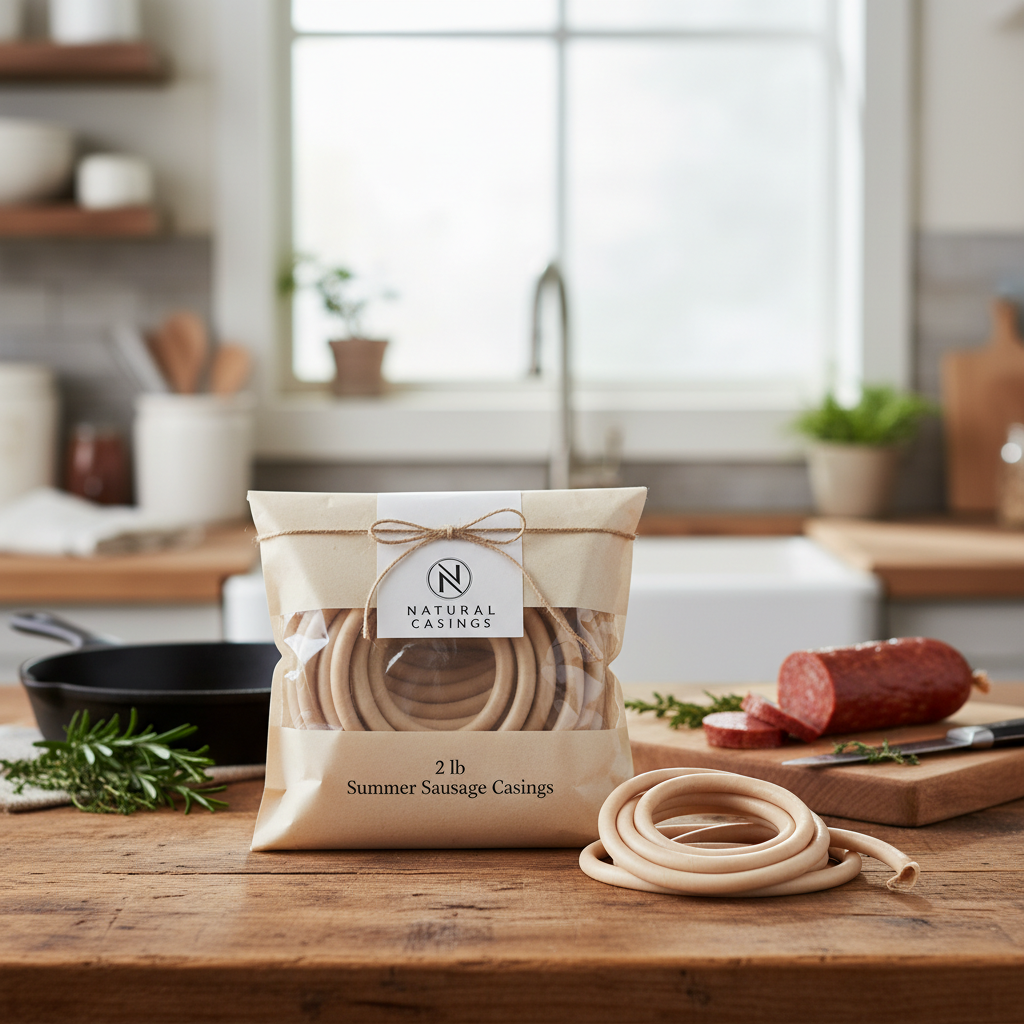
Dried hog casing, a seemingly simple product, plays a vital role in the global food industry, particularly in sausage production. Its enduring popularity stems from its natural composition, providing a unique texture and ‘snap’ to sausages that synthetic casings often fail to replicate. Understanding the nuances of dried hog casing – its sourcing, processing, and applications – is crucial for food manufacturers, chefs, and anyone involved in the culinary arts. This understanding extends beyond mere production; it impacts food safety, quality control, and consumer satisfaction worldwide.
The global demand for processed meats, and consequently for dried hog casing, continues to rise, driven by population growth, changing dietary preferences, and increased urbanization. According to the FAO, global meat production is projected to increase by 15% between 2018 and 2028. This demand places significant pressure on the supply chain, requiring advancements in casing production to maintain quality, consistency, and affordability. Effective sourcing and quality control of dried hog casing are, therefore, paramount.
Furthermore, the industry faces increasing scrutiny regarding sustainability and animal welfare. This necessitates a move towards responsible sourcing practices and innovative processing techniques that minimize environmental impact. The future of dried hog casing lies in balancing traditional methods with modern technologies to meet evolving consumer demands and ethical standards.


Dried hog casing isn't merely a packaging material; it’s an integral component contributing to the distinctive flavor and texture of many beloved sausage varieties. It's derived from the submucosa of the small intestine of pigs, meticulously processed to remove fat and muscle tissue, leaving behind a collagen-rich membrane. This natural origin gives it unique properties that synthetic casings struggle to replicate, influencing the final product's mouthfeel and overall appeal.
The process of drying is crucial, reducing moisture content and inhibiting bacterial growth, ensuring extended shelf life and preserving the casing’s integrity. Properly prepared dried hog casing exhibits elasticity, permeability, and a natural collagen structure that allows for the characteristic ‘snap’ when biting into a sausage.
When stored correctly in a cool, dry, and dark environment, dried hog casing can typically last for several years. Optimal storage conditions are crucial to prevent moisture absorption and bacterial growth. A well-sealed package is essential. Regular monitoring for signs of deterioration, such as discoloration or brittleness, is recommended. Shelf life can vary depending on the specific processing and packaging methods employed.
Before use, dried hog casing needs to be rehydrated. This typically involves soaking it in cold water for several hours, or even overnight, until it becomes pliable. Some manufacturers recommend adding a small amount of vinegar or citric acid to the soaking water to aid in softening. After soaking, the casing should be flushed thoroughly to remove any salt residue and is then ready for stuffing.
The primary difference lies in their origin and properties. Natural casings, like dried hog casing, are derived from animal intestines, offering a unique texture and permeability for smoke. Synthetic casings, often made from collagen, cellulose, or plastic, are manufactured. While synthetic casings offer consistency and cost advantages, they typically lack the 'snap' and natural flavor absorption of natural casings.
The grade of dried hog casing directly impacts the quality of the final sausage. Higher grades generally have fewer imperfections, greater elasticity, and more uniform thickness. This translates to reduced casing breakage during stuffing, better smoke penetration, and an overall superior product. Lower grades may require more careful handling and can result in a higher rejection rate.
Ethical concerns often revolve around animal welfare practices in the pork industry. Consumers increasingly seek assurances that the animals were raised humanely. Sourcing casings from suppliers committed to responsible animal welfare standards is crucial for addressing these concerns. Transparency in the supply chain and adherence to ethical certifications are key.
While primarily used for sausage casings, the collagen present in dried hog casing has potential applications in other areas. Research is ongoing regarding its use in biomaterials, wound dressings, and even pharmaceutical applications due to its biocompatibility and structural properties. However, these uses are still largely experimental and require further development.
Dried hog casing remains a cornerstone of the sausage industry, prized for its unique properties and the authentic experience it delivers. From its traditional processing methods to emerging innovations, this natural ingredient continues to evolve to meet the demands of a changing food landscape. Understanding its nuances, from sourcing and preparation to quality control and sustainability, is vital for manufacturers and consumers alike.
Looking ahead, a commitment to responsible sourcing, innovative processing technologies, and increased transparency will be crucial for ensuring the long-term viability of dried hog casing. By embracing these advancements, the industry can continue to deliver high-quality, flavorful sausages while upholding ethical and environmental standards. For premium dried hog casing solutions, visit our website: www.rtcasing.com.