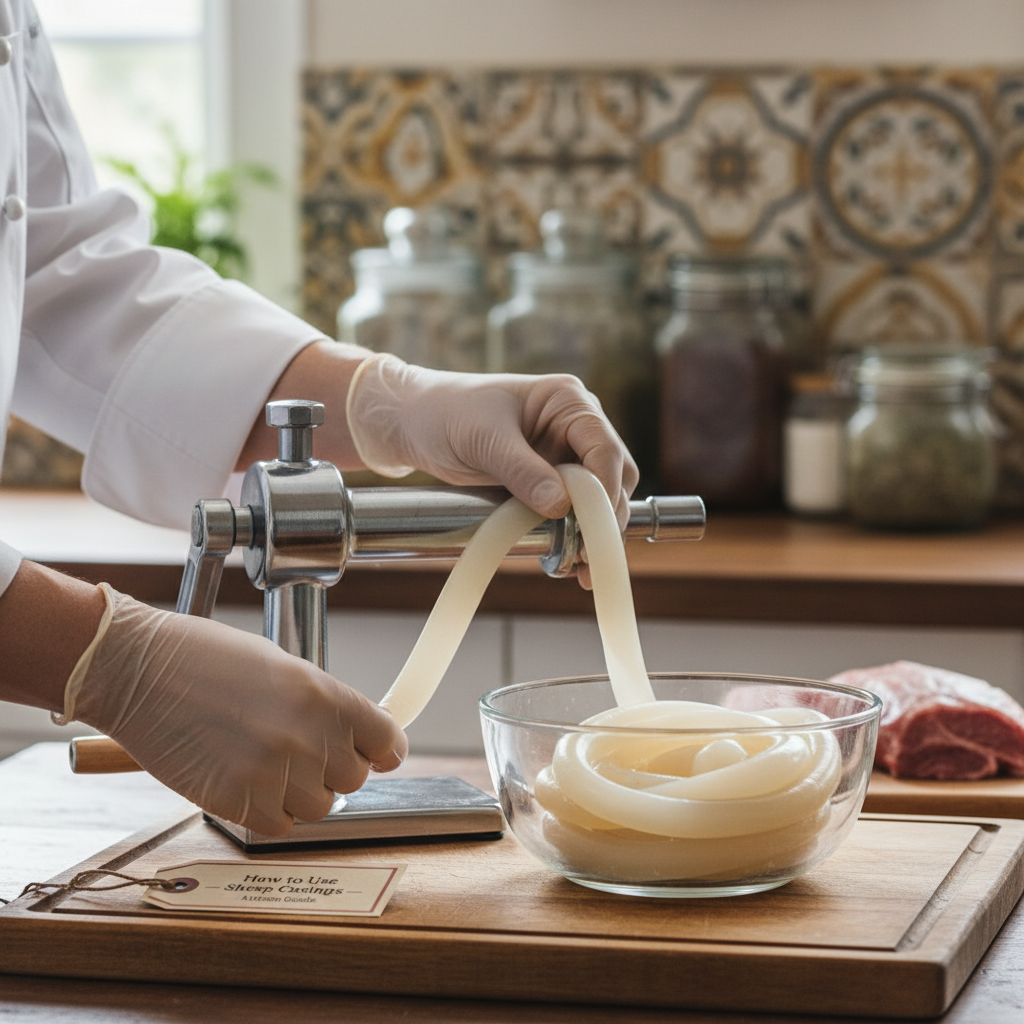
Sheep casings, a natural byproduct of the meat industry, play a vital role in the production of various food products, most notably sausages. Understanding how to use sheep casings effectively is crucial for maintaining product quality, ensuring food safety, and meeting consumer demands globally. This knowledge extends beyond simple application; it encompasses proper preparation, storage, and handling techniques to maximize their benefits and minimize waste. The global sausage and cured meat market is substantial, driving significant demand for these natural casings.
The demand for natural casings, like sheep casings, stems from a consumer preference for texture and 'snap' in sausages that synthetic alternatives often struggle to replicate. While synthetic casings offer cost advantages, the unique qualities of natural casings maintain their market share, particularly in traditional and premium sausage production. This demand is present across various regions, from Europe's established sausage industries to rapidly growing markets in Asia and South America. Learning how to use sheep casings correctly ensures these qualities are preserved.
Successfully utilizing sheep casings impacts not only food producers but also the sustainability of the meat processing industry. By effectively utilizing a byproduct, waste is reduced, and value is added to the entire supply chain. Furthermore, proper handling protocols contribute to food safety standards, safeguarding public health and fostering consumer trust. Mastering how to use sheep casings is, therefore, a multifaceted skill with broad implications.
The Importance of Sheep Casings in Food Production
Sheep casings are highly valued in the sausage-making process due to their elasticity, permeability, and ability to impart a distinctive flavor. They allow for a tighter fill, creating a visually appealing and consistent product. Their natural origin is a key selling point for many consumers, especially those seeking more traditional or 'clean label' food options. how to use sheep casings directly impacts the final product's quality.
Beyond sausage, sheep casings find applications in other cured meat products and even some specialty cheeses. Their versatility makes them a crucial ingredient for food manufacturers aiming to diversify their offerings and cater to specific market segments. Understanding the nuances of how to use sheep casings enables producers to unlock the full potential of this ingredient.
Understanding Sheep Casing Grades and Selection
Sheep casings are categorized into different grades based on factors like diameter, length, weight, and cleanliness. These grades impact price and suitability for specific applications. Narrower casings are often preferred for smaller sausages like breakfast links, while larger casings are used for chorizo or other thicker varieties. Proper selection, informed by an understanding of how to use sheep casings, is essential.
Factors like the sheep's breed, diet, and processing methods influence casing quality. Salted or brine-cured casings are common forms, each with its own characteristics regarding moisture content and shelf life. Manufacturers must carefully evaluate these attributes to ensure they meet their production requirements and maintain consistent product quality.
Choosing the right grade also depends on the desired final product texture and 'snap'. Premium casings typically offer superior elasticity and strength, resulting in a more appealing eating experience. Therefore, selecting the correct grade of sheep casing based on intended use is an integral part of how to use sheep casings successfully.
Preparation Techniques for Optimal Performance
Before use, sheep casings require thorough preparation to remove excess salt and ensure pliability. This typically involves soaking in cold water for a specific duration, often with gentle agitation. The soaking process is critical to rehydrate the casings and prevent them from cracking during stuffing. Learning how to use sheep casings effectively begins with proper preparation.
Following soaking, casings are often flushed with water to remove any remaining salt and checked for imperfections. Some producers may also employ a brief descaling process to further enhance pliability. Maintaining a consistent water temperature and avoiding prolonged soaking are essential to prevent damage. A thorough understanding of how to use sheep casings also involves controlling preparation parameters.
The preparation process significantly influences the final product's texture and appearance. Insufficient soaking can lead to brittle casings, while oversoaking can weaken their structure. Precise timing and careful monitoring are vital for optimal results.
Factors Affecting Casing Strength and Integrity
Several factors can compromise the strength and integrity of sheep casings. Improper storage, handling, and preparation are primary culprits. Exposure to excessive heat or direct sunlight can also damage the casing's structure, leading to tearing during stuffing. Understanding these vulnerabilities is part of how to use sheep casings correctly.
The pH level of the meat mixture also plays a role. Extremely acidic or alkaline conditions can weaken the casing's fibers. Therefore, maintaining proper pH control during sausage production is crucial for ensuring casing integrity.
Casing Failure Rate Based on Preparation Method
Global Applications of Sheep Casings
Sheep casings are used extensively in Europe, particularly in countries with strong sausage-making traditions like Germany, Poland, and Spain. They are also gaining popularity in South America, where demand for high-quality sausages is increasing. how to use sheep casings is becoming a standard skill in many processing facilities.
In Asia, sheep casings are used in a variety of traditional and modern sausage products. The specific applications vary depending on regional preferences and culinary traditions. The use of how to use sheep casings often ties into traditional methods passed down through generations.
The Economic and Environmental Benefits
Utilizing sheep casings as a byproduct of meat processing offers significant economic benefits. It reduces waste and adds value to the overall production chain. This translates to increased profitability for meat processors and reduced costs for sausage manufacturers.
Environmentally, using natural casings like sheep casings is more sustainable than relying solely on synthetic alternatives, which are often derived from petroleum-based products. This reduces reliance on fossil fuels and minimizes the environmental impact of food production.
Furthermore, the biodegradable nature of sheep casings contributes to a more circular economy, minimizing landfill waste. Implementing best practices for how to use sheep casings can positively impact both the bottom line and the environment.
Future Trends and Technological Advancements
Ongoing research focuses on improving the consistency and durability of sheep casings through advanced processing techniques. These include enzymatic treatments and modified curing methods. These improvements will expand the possibilities of how to use sheep casings.
Automation in casing preparation and stuffing processes is also gaining traction, enhancing efficiency and reducing labor costs. Advanced monitoring systems are being developed to ensure consistent casing quality and minimize waste.
Sustainable sourcing and traceability are becoming increasingly important, with consumers demanding transparency throughout the supply chain. Technology, such as blockchain, can be used to track casings from origin to finished product, ensuring authenticity and environmental responsibility.
Overview of Key Performance Indicators for Sheep Casing Utilization
| Casing Grade |
Preparation Time (minutes) |
Stuffing Success Rate (%) |
Final Product Texture (1-10) |
| Grade A |
20 |
98 |
9 |
| Grade B |
25 |
95 |
8 |
| Grade C |
30 |
90 |
7 |
| Premium Select |
18 |
99 |
10 |
| Standard Salted |
22 |
92 |
7.5 |
| Brine-Cured |
28 |
88 |
6.5 |
FAQS
Sheep casings are generally narrower in diameter and have a more delicate texture compared to hog casings. They offer a 'snap' that is highly desired for certain sausage varieties, while hog casings are more versatile and can accommodate larger fills. The choice depends on the desired final product characteristics and is critical for understanding how to use sheep casings appropriately.
Sheep casings should be stored in a cool, dry place, ideally refrigerated or frozen. Proper storage prevents spoilage and maintains their elasticity. It's crucial to protect them from excessive moisture and direct sunlight. Proper storage is integral to successful how to use sheep casings.
Casing breakage often results from insufficient soaking, improper pH balance in the meat mixture, or excessive stuffing pressure. Casings may also break if they are old or have been damaged during handling. Careful preparation and controlled stuffing are key components of how to use sheep casings without breakage.
Salted casings generally have a lower moisture content and require longer soaking times. Brine-cured casings are more pliable and require less soaking. The choice depends on the specific production process and desired casing characteristics. A thorough understanding of how to use sheep casings includes knowing these differences.
Generally, sheep casings are not recommended for reuse due to potential hygiene concerns and loss of structural integrity. They are designed for single-use applications to ensure food safety and maintain product quality. Therefore, efficient utilization and proper handling are vital aspects of how to use sheep casings effectively.
The shelf life of sheep casings varies depending on the storage method. Refrigerated casings can typically last for several weeks, while frozen casings can be stored for up to a year. However, it’s important to inspect the casings for any signs of spoilage before use. Maintaining proper storage is fundamental to how to use sheep casings safely and effectively.
Conclusion
In conclusion, mastering how to use sheep casings is vital for food producers aiming to create high-quality, appealing sausage products. From understanding casing grades and preparation techniques to considering environmental sustainability, a comprehensive approach yields significant benefits, impacting product quality, cost-effectiveness, and consumer satisfaction. The skill goes beyond simply stuffing a casing; it's about optimizing a natural resource for maximum value.
Looking forward, continued innovation in casing processing and automation will further enhance efficiency and consistency. Embracing sustainable sourcing practices and prioritizing food safety will be crucial for maintaining consumer trust. Investing in knowledge and best practices related to how to use sheep casings will undoubtedly remain a cornerstone of the sausage industry for years to come.