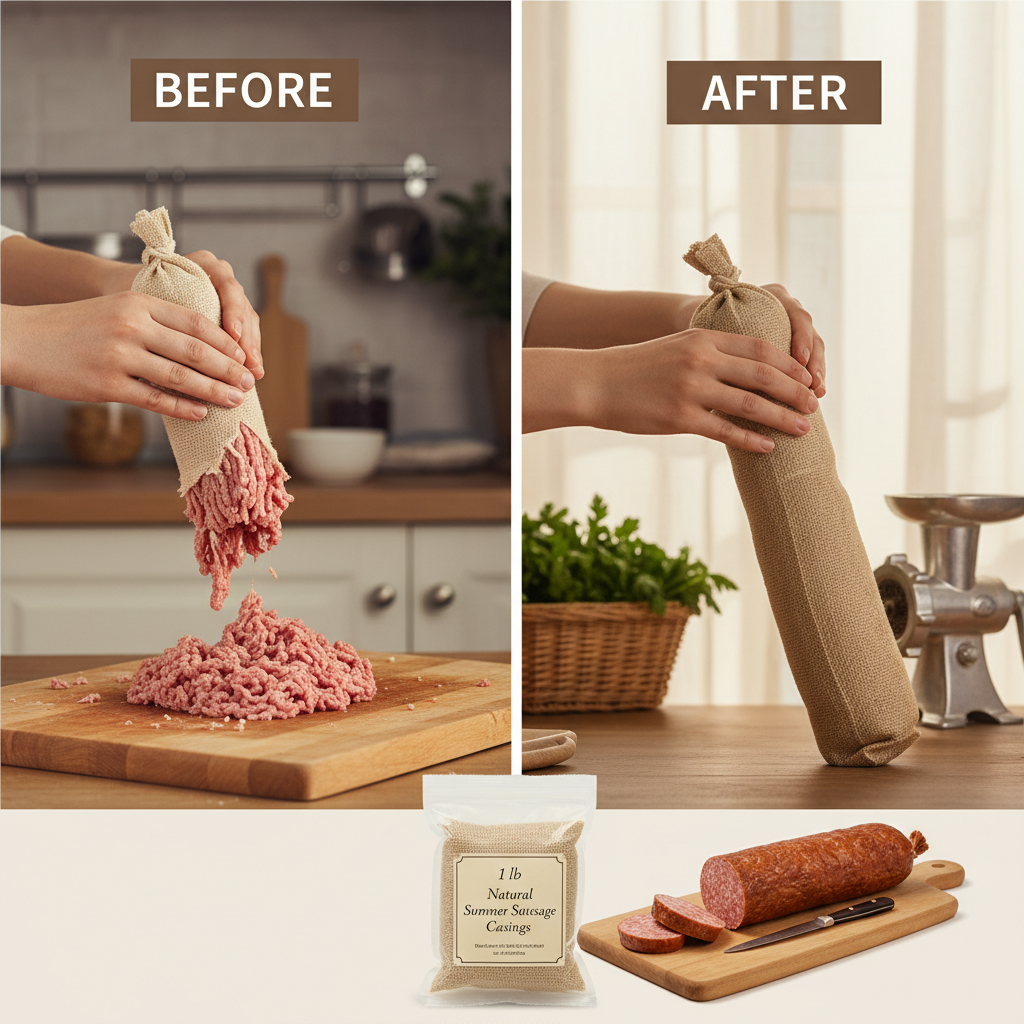
Sausage casings are an essential component in sausage production, playing a critical role in the final product's texture, appearance, and preservation. Understanding the diverse sausage casings types available is crucial for manufacturers aiming to meet consumer preferences and comply with industry standards. From natural casings derived from animal intestines to innovative collagen and cellulose options, the selection of the right casing significantly impacts the overall quality and marketability of the sausage.
The global sausage market is a multi-billion dollar industry, with significant demand across various regions, including Europe, North America, and Asia. According to recent reports, the market is projected to continue growing, driven by changing dietary habits and increasing demand for convenient protein sources. This growth necessitates a consistent supply of high-quality sausage casings, making the understanding and optimization of sausage casings types paramount for industry players.
Effective management of sausage casing supply chains, coupled with advancements in casing technology, directly addresses challenges related to food security, product consistency, and operational efficiency. The choice of casing impacts everything from production speed to shelf life, and ultimately, consumer satisfaction. Therefore, a comprehensive understanding of these materials is not just beneficial, but essential for success in the modern sausage industry.
The Importance of Sausage Casings
Sausage casings aren’t merely a container; they are an integral component defining the final product's textural experience. The casing provides a structural framework during processing, influencing snap and bite, and contributes significantly to the sausage’s overall mouthfeel. Different sausage casings types cater to specific sausage styles and culinary traditions, enabling manufacturers to achieve a desired sensory profile.
Beyond texture, casings play a vital role in preserving the sausage’s integrity during cooking, smoking, and storage. They regulate moisture loss, prevent shrinkage, and contribute to a uniform shape, impacting both visual appeal and shelf life. Selecting the appropriate casing is therefore a critical consideration in maintaining product quality and minimizing waste.
Defining Sausage Casings Types
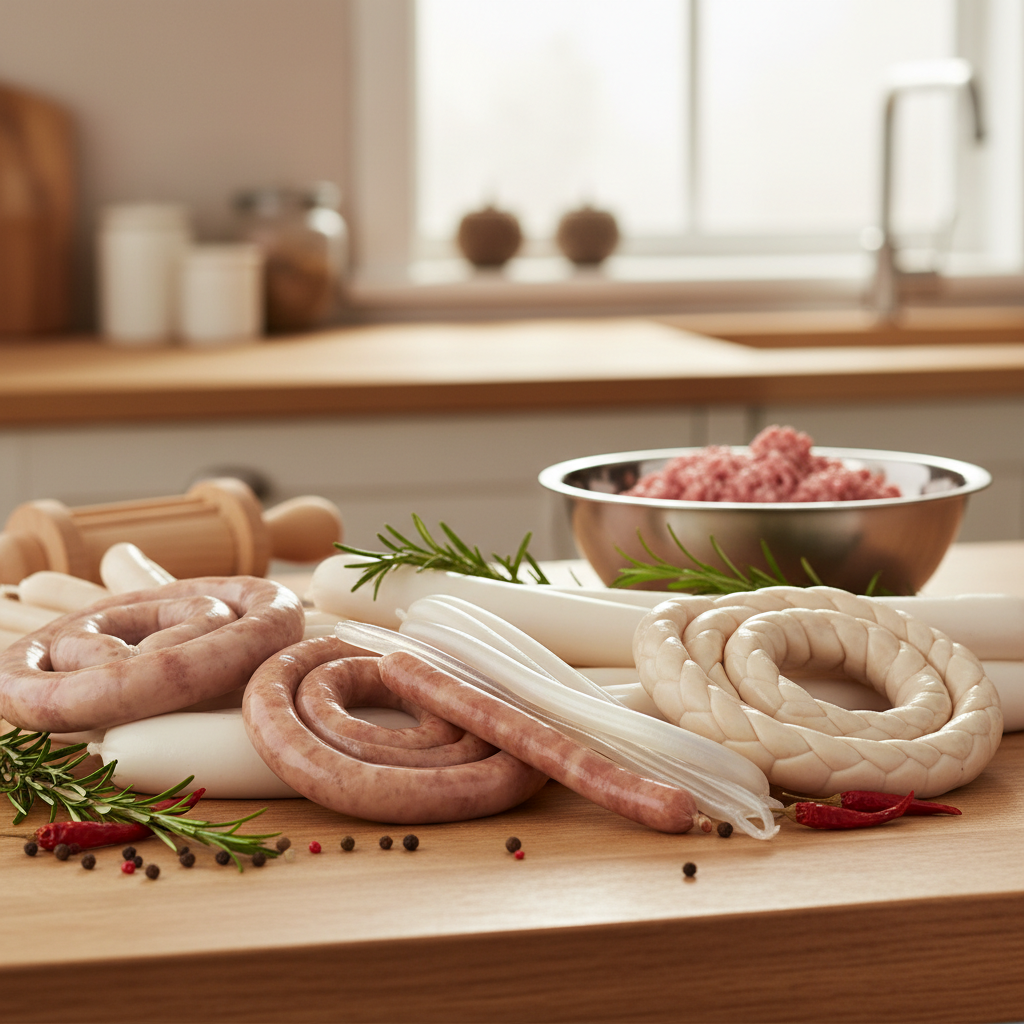
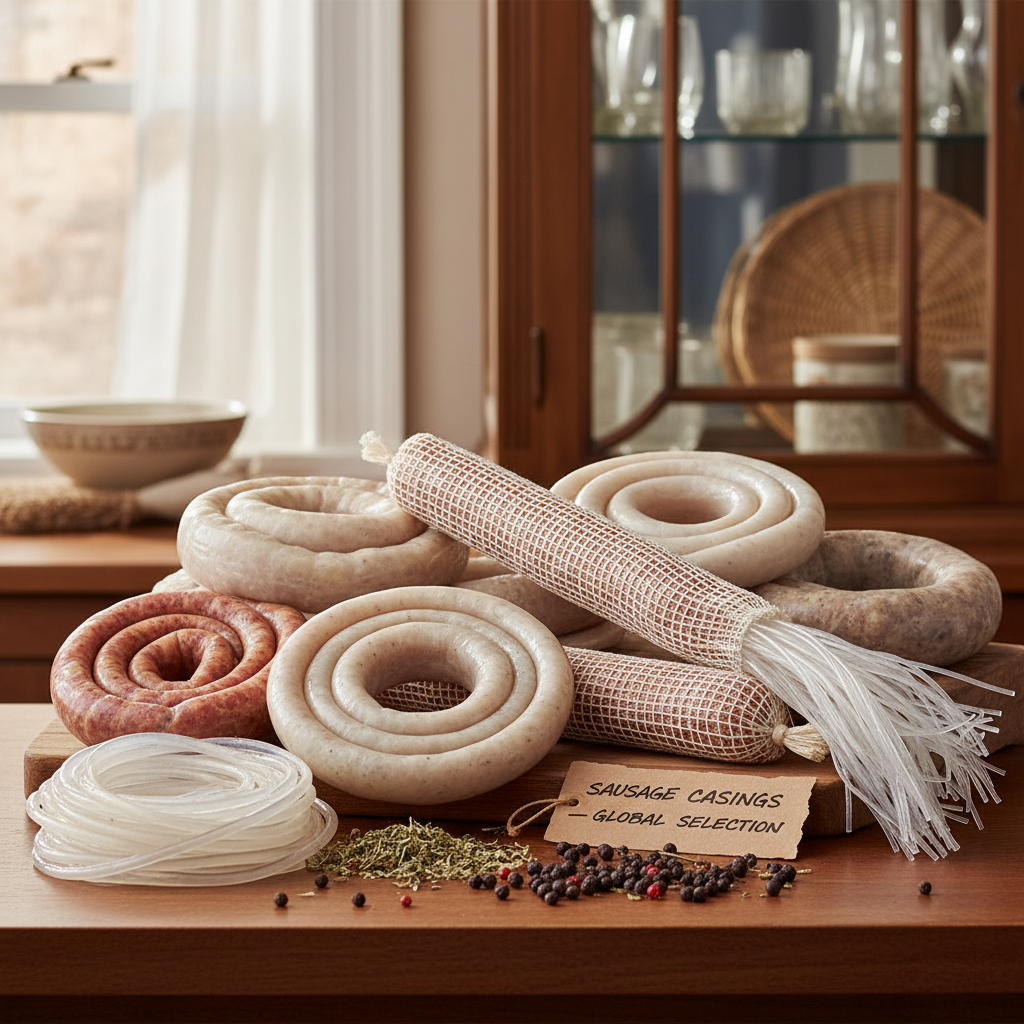
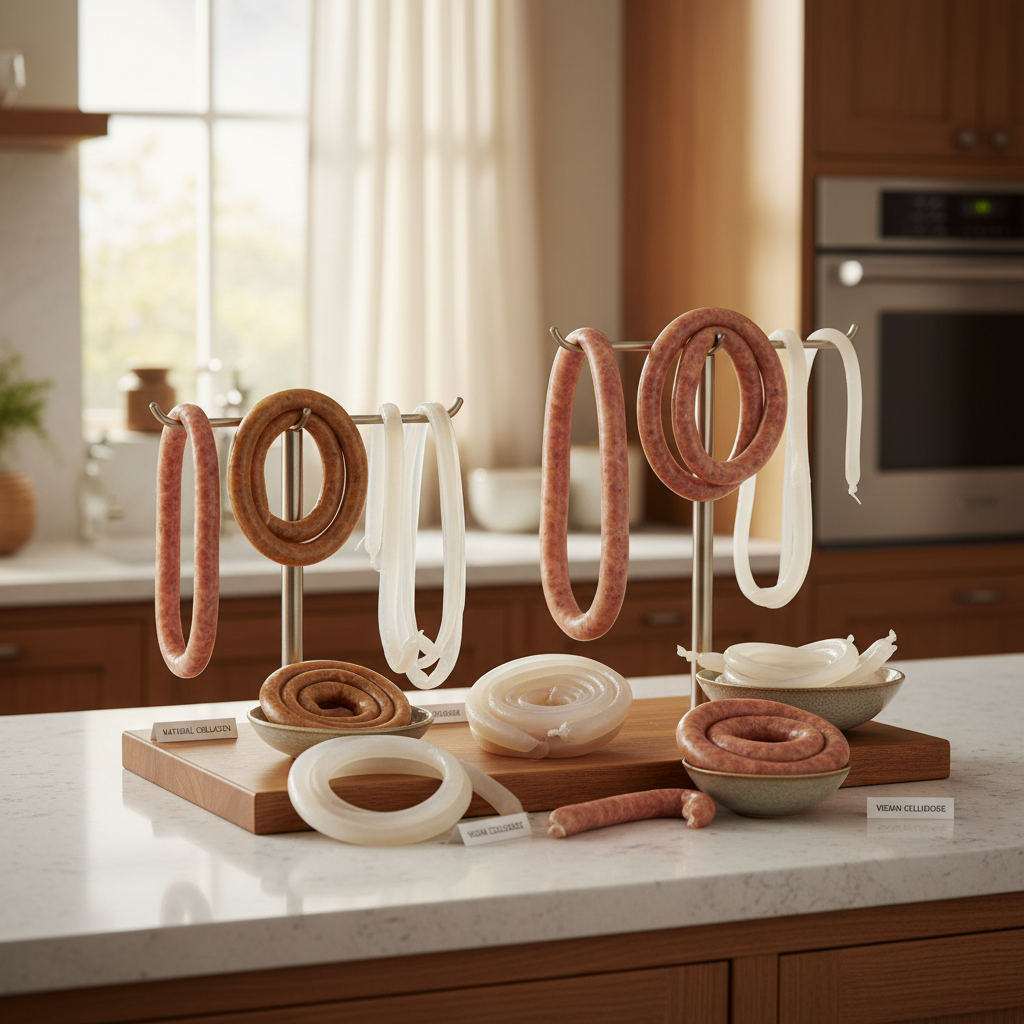
Sausage casings are the protective layer surrounding sausage meat, giving it shape and retaining its form during processing and cooking. Historically, natural casings derived from animal intestines were the primary choice. However, advancements in materials science have led to a wide array of alternatives, including collagen, cellulose, plastic, and fibrous casings. Understanding these sausage casings types is essential for producers aiming to optimize their production process.
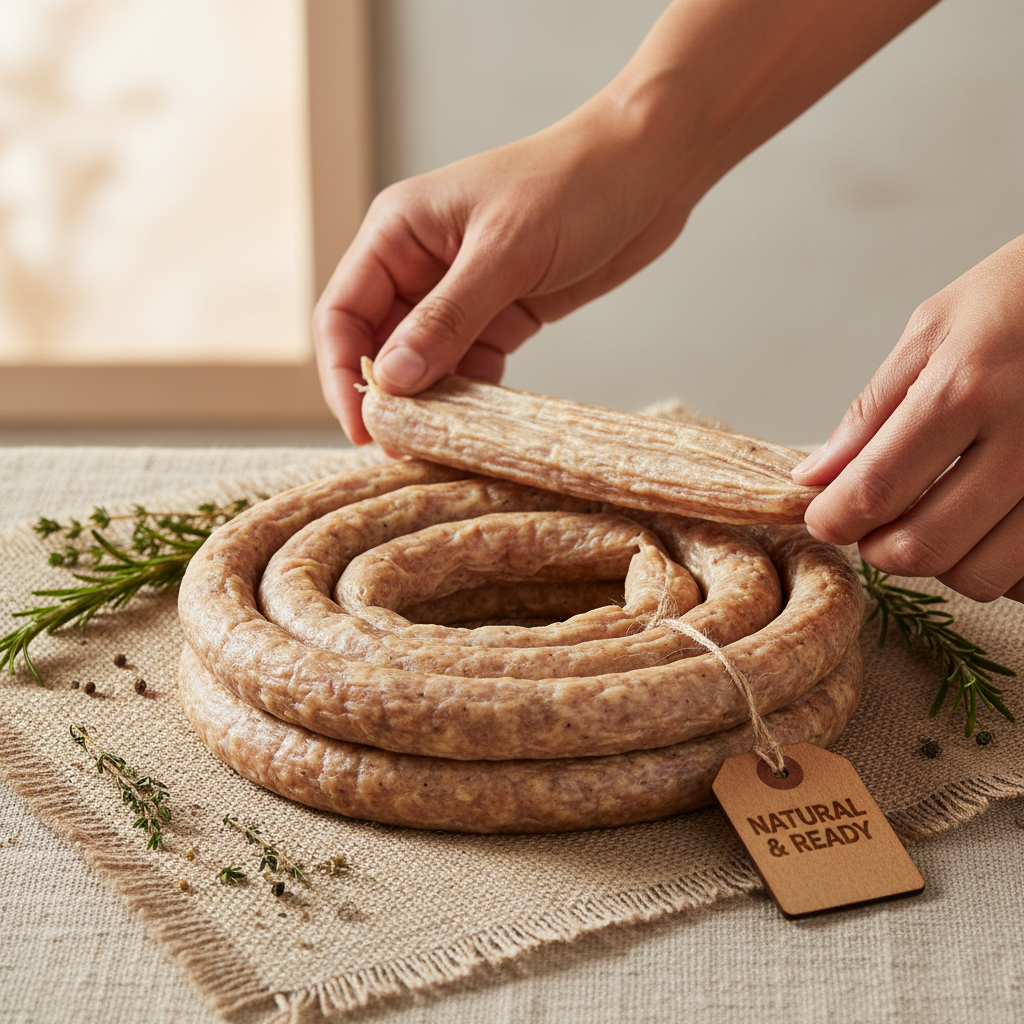
Natural casings, typically sourced from pork, beef, or sheep, offer a unique texture and “snap” that is highly valued in traditional sausage making. Collagen casings, derived from animal hides, provide consistent diameter and are ideal for high-volume production. Cellulose casings are plant-based and are often used for cooked sausages, while plastic casings offer cost-effectiveness and extended shelf life.
The selection of a casing depends on various factors, including the type of sausage being produced, desired texture, production volume, and cost considerations. Each type offers unique advantages and disadvantages, influencing the final product's quality, appearance, and consumer appeal.
Key Characteristics of Sausage Casings
Durability is a crucial characteristic of sausage casings. The casing must withstand the rigors of processing, including stuffing, linking, cooking, and smoking, without tearing or breaking. The choice of material significantly impacts durability, with natural and collagen casings generally offering superior strength compared to cellulose or plastic options. Understanding casing strength is critical in preventing product loss and maintaining production efficiency.
Permeability, or the ability to allow gases and moisture to pass through, is another key consideration. Natural casings are highly permeable, contributing to the development of characteristic flavors during smoking and drying. Collagen casings offer adjustable permeability, allowing manufacturers to fine-tune the drying process. Lower permeability casings, such as plastic, are ideal for products requiring extended shelf life and moisture retention.
Edibility is a vital factor, particularly for natural and collagen casings. These casings are digestible and contribute to the overall culinary experience. Cellulose and plastic casings are typically removed before consumption. The edibility of a casing influences consumer perception and acceptability. Cost-effectiveness also plays a role, with variations in price depending on the material and production method.
Applications Across Global Cuisine
Different sausage casings types are favored across various cuisines. In Germany and Austria, natural hog casings are traditionally used for Bratwurst and Weisswurst, prized for their distinctive snap and flavor. In Italy, natural sheep casings are often preferred for Salsiccia, contributing to its delicate texture and authentic taste.
In Spain, collagen casings are increasingly popular for Chorizo, offering consistent diameter and efficient production. In the United States, cellulose casings are frequently used for hot dogs and bologna, providing a smooth texture and extended shelf life. The choice often reflects local culinary traditions and consumer preferences.
Global Sausage Casing Usage by Type
Advantages and Long-Term Value
The strategic selection of sausage casings types directly translates to cost savings through optimized production efficiency and reduced product waste. Using casings that minimize breakage during stuffing and linking reduces downtime and increases throughput. Moreover, extended shelf life provided by certain casings lowers spoilage rates, maximizing profitability.
From a sustainability perspective, utilizing renewable and biodegradable casings, such as natural or cellulose options, minimizes environmental impact. This aligns with growing consumer demand for eco-friendly products and enhances brand reputation. Investing in high-quality casings ultimately fosters customer trust and loyalty, contributing to long-term business success.
Future Innovations in Sausage Casings
Research and development efforts are focused on creating bio-based and compostable casings that further reduce environmental impact. Nanotechnology is being explored to enhance casing permeability and strength, allowing for greater control over sausage quality and shelf life. Automation in casing preparation and application is also gaining traction, improving efficiency and reducing labor costs.
Digital technologies are being integrated to monitor casing performance in real-time, providing valuable data for process optimization. Smart casings with embedded sensors could potentially track temperature, humidity, and other critical parameters, ensuring product safety and quality throughout the supply chain.
Challenges and Sustainable Solutions
A significant challenge lies in maintaining consistent casing quality and sourcing, particularly for natural casings, which are subject to seasonal variations and animal health factors. This requires robust supply chain management and diversification of sourcing options. Another challenge is balancing cost considerations with sustainability goals, as eco-friendly casings often come at a premium.
Sustainable solutions include investing in alternative casing materials, optimizing production processes to minimize waste, and promoting responsible sourcing practices. Collaboration between casing manufacturers, sausage producers, and research institutions is crucial for driving innovation and addressing these challenges.
Embracing circular economy principles, such as reusing or recycling casing materials, can further reduce environmental impact and enhance resource efficiency. Continued focus on research and development is key to unlocking the full potential of sustainable sausage casing solutions.
Summary of Sausage Casing Performance Characteristics
| Casing Type |
Durability Score (1-10) |
Permeability Level (Low-High) |
Cost per Meter ($) |
| Natural Hog Casings |
9 |
High |
0.80 |
| Collagen Casings |
8 |
Medium |
0.60 |
| Cellulose Casings |
6 |
Low |
0.30 |
| Plastic Casings |
7 |
Very Low |
0.20 |
| Fibrous Casings |
8 |
Medium |
0.50 |
| Alginate Casings |
5 |
High |
0.70 |
FAQS
Natural casings, derived directly from animal intestines, offer a unique “snap” and flavor absorption due to their inherent permeability. However, they vary in size and require careful handling. Collagen casings, made from animal hides, provide consistent diameter, easier processing, and adjustable permeability, making them ideal for high-volume production. While collagen casings mimic the texture of natural casings, they lack the same level of inherent flavor absorption.
Cellulose casings, being plant-based, are non-permeable and typically removed before consumption. They are commonly used for cooked sausages like hot dogs and bologna, providing a smooth surface and extended shelf life. They don't contribute to the flavor profile like natural casings, but offer a cost-effective solution for consistent product appearance and moisture retention.
Sustainability considerations include the sourcing of raw materials, the manufacturing process, and end-of-life disposal. Natural casings, while renewable, depend on animal agriculture. Collagen casings utilize byproducts from the leather industry. Cellulose casings are plant-based and biodegradable, offering a more environmentally friendly option. Plastic casings present disposal challenges, while advancements in bio-based plastics are emerging as potential solutions.
Casing permeability directly impacts the exchange of gases and moisture during smoking and drying. Highly permeable casings, like natural casings, allow smoke to penetrate the sausage, imparting flavor and color. They also facilitate moisture loss, contributing to a firm, dry texture. Less permeable casings restrict gas exchange, resulting in milder smoke flavor and higher moisture content. Controlling permeability is crucial for achieving desired product characteristics.
Yes, significant cost variations exist between different sausage casings. Natural casings are typically the most expensive due to sourcing and processing challenges. Collagen casings offer a balance of performance and cost. Cellulose casings are generally the most affordable option, while plastic and fibrous casings fall in between. The optimal choice depends on the desired product quality, production volume, and budget constraints.
Determining the correct casing size is vital for achieving the desired sausage diameter and appearance. Casing sizes are typically specified by their diameter in millimeters or inches. Factors to consider include the type of sausage, the stuffing process, and the target yield. Manufacturers often provide sizing guides, and it's recommended to conduct test runs to ensure optimal results. A proper fit prevents casing rupture or loose fitting, ultimately impacting product quality and presentation.
Conclusion
In conclusion, the world of sausage casings types is multifaceted, influencing everything from the texture and flavor of the final product to its shelf life and sustainability profile. A thorough understanding of the characteristics, applications, and emerging innovations in this field is crucial for sausage manufacturers seeking to optimize their operations, meet evolving consumer demands, and maintain a competitive edge. Selecting the appropriate casing is no longer simply a packaging decision; it’s a strategic investment in product quality and long-term success.
Looking ahead, continued research and development in bio-based materials and sustainable practices will undoubtedly shape the future of sausage casings. Embracing innovation and prioritizing environmental responsibility will be essential for ensuring a resilient and ethical sausage industry. Visit our website at www.rtcasing.com to explore our comprehensive range of sausage casings and discover how we can help you achieve your production goals.