In the competitive landscape of global meat processing, the evolution of modern sausage casing has become a cornerstone for maintaining product quality and operational efficiency. As consumer demands shift toward cleaner labels and higher safety standards, the industry is moving beyond traditional methods to embrace advanced materials and processing techniques that ensure consistency in every batch.
The global market for processed meats continues to grow, with the UN and food safety organizations emphasizing the need for standardized packaging that prevents contamination and extends shelf life. This shift has placed a spotlight on the importance of utilizing high-grade casings that can withstand the pressures of industrial filling and high-temperature cooking without compromising the structural integrity of the product.
Understanding the nuances of modern sausage casing is not merely a matter of technical compliance but a strategic advantage. From improving the "snap" of a premium bratwurst to optimizing the yield of salted hog casings, the right choice of casing impacts everything from the final sensory experience for the consumer to the overall profitability of the manufacturer.
Global Context of Modern Sausage Casing
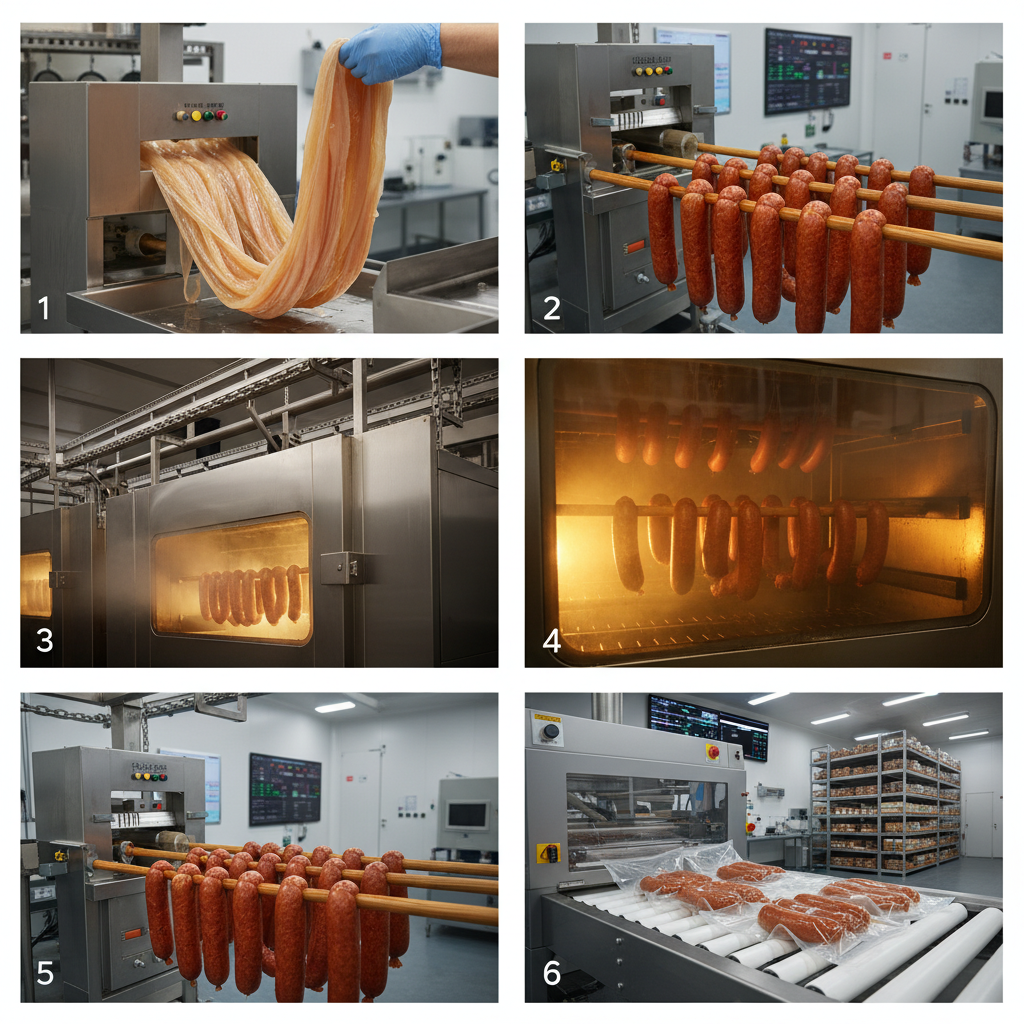
The global meat processing industry is currently navigating a period of intense transformation. With the rise of automated production lines and the stringent requirements of ISO standards, the demand for modern sausage casing has surged. Manufacturers are no longer looking for simple wrappers; they require high-performance materials that integrate seamlessly with vacuum fillers and high-speed clipping machines.
In regions like Europe and North America, where the artisanal market is booming, there is a specific tension between the desire for "traditional" looks and the need for industrial reliability. This has led to the development of hybrid casings that offer the natural aesthetic of hog casings with the standardized diameters and strength of engineered products, ensuring that large-scale operations can produce gourmet-quality sausages without excessive waste.
Defining Modern Sausage Casing Standards
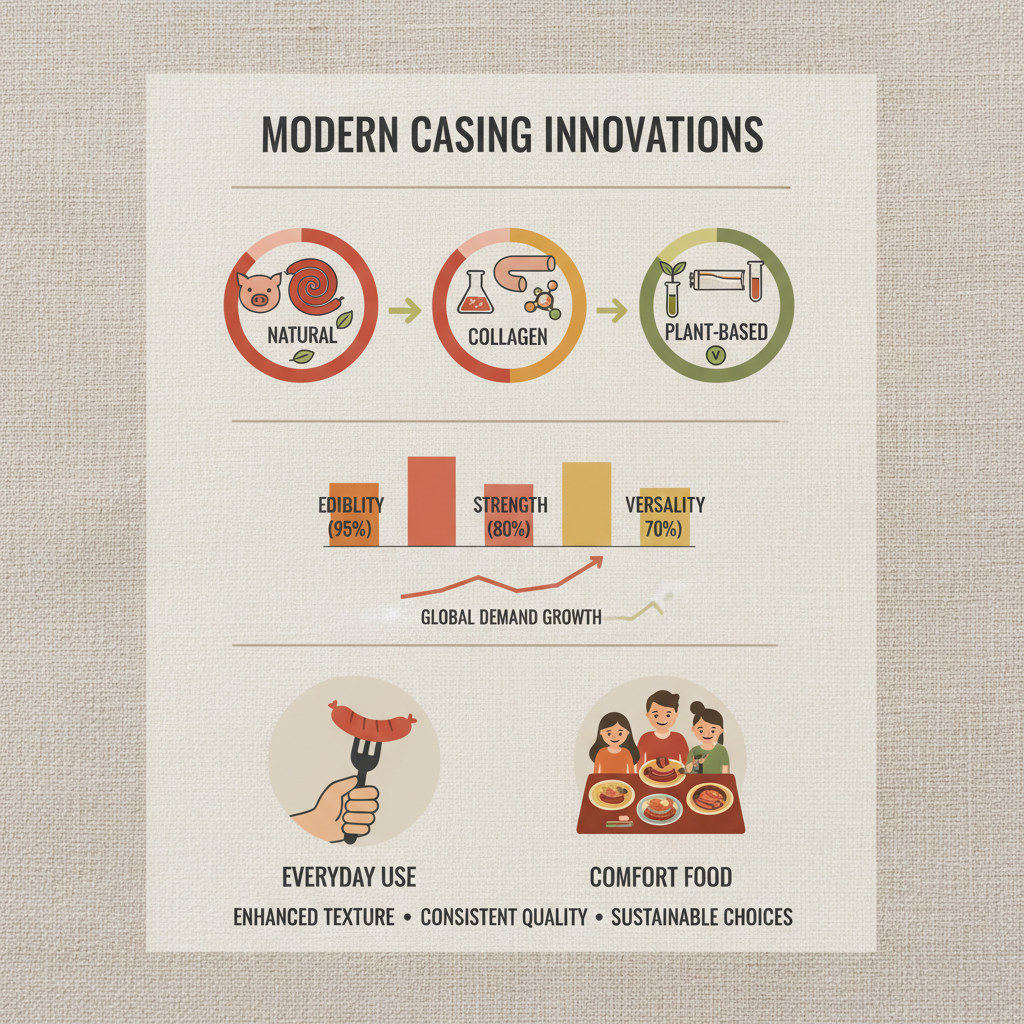
At its core, modern sausage casing refers to the specialized membranes—either natural, collagen, or cellulose—that are processed using contemporary sanitation and calibration techniques to encapsulate meat emulsions. Unlike traditional casings, which often suffered from inconsistent widths and variable elasticity, modern standards emphasize uniformity and biological safety, ensuring that every link is identical in size and weight.
This evolution is closely tied to the humanitarian need for food security and the reduction of food waste. By utilizing advanced salt-curing and drying processes for Dried Tubed Hog Casings, the industry can extend the shelf life of the raw materials, reducing the spoilage that occurs during international transit. This allows producers in remote regions to access high-quality casings that meet global export requirements.
Furthermore, the definition extends to the chemical and physical properties of the casing. A modern casing must be permeable enough to allow smoke penetration during curing but strong enough to prevent "blow-outs" during the cooking process. This balance of permeability and strength is what distinguishes professional-grade industrial casings from basic agricultural offerings.
Core Components of Casing Quality
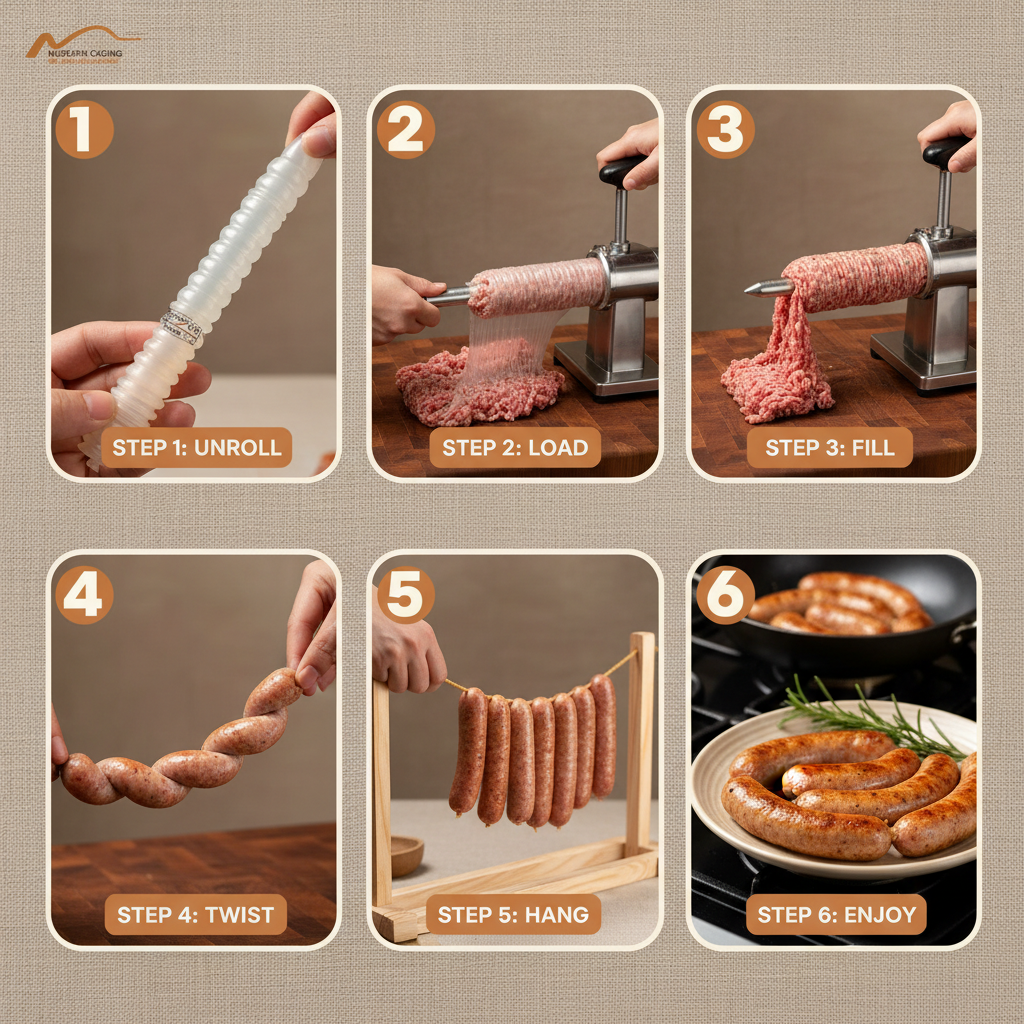
When evaluating the efficacy of modern sausage casing, durability is the primary metric. The casing must withstand the mechanical stress of the stuffing process, where high-pressure emulsions are forced into the tube. High tensile strength prevents ruptures, which in turn minimizes product loss and maintains the hygiene of the production floor.
Scalability and consistency are equally critical. In a high-volume factory, a variation of even one millimeter in casing diameter can lead to malfunctioning machinery or inconsistent packaging. modern sausage casing solutions, particularly Salted Casing options, are now calibrated to strict tolerances to ensure a smooth flow through automated stuffing systems.
Finally, cost-efficiency is realized through the reduction of "scrap" and labor. Modern casings are designed for easier hydration and preparation, reducing the time workers spend prepping materials. By optimizing the yield per tube, manufacturers can significantly lower their cost-per-unit, making their products more competitive in the global retail market.
Practical Applications in Meat Processing
The application of modern sausage casing varies widely depending on the end product. For high-end smoked sausages, dried tubed hog casings are preferred because they provide the authentic "snap" and flavor profile that consumers associate with premium brands. In contrast, large-scale industrial deli meats often utilize collagen-based modern casings for their absolute uniformity and ease of peeling.
In diverse global contexts, such as the rapid expansion of the processed meat sector in Southeast Asia, these casings enable local producers to meet EU and US import standards. For example, in industrial zones where temperature control is a challenge, salted casings provide a stable, long-term storage solution that does not require constant refrigeration until the moment of use.
Performance Comparison of Modern Sausage Casing Types
Tangible Advantages and Long-Term Value
The long-term value of investing in high-quality modern sausage casing manifests in brand trust and consumer safety. When a casing performs reliably, it eliminates the risk of bursts and leakage, which can lead to bacterial contamination and costly product recalls. This reliability fosters a sense of trust between the manufacturer and the retailer, ensuring a steady supply chain.
From a sustainability perspective, modern casings are increasingly designed to be biodegradable or sourced from sustainable livestock by-products, reducing the environmental footprint of the meat industry. By optimizing the material usage and reducing waste during the stuffing process, companies can align their production goals with green energy and circular economy initiatives.
Future Innovations in Casing Technology
Looking forward, the integration of digital transformation in the production of modern sausage casing is set to revolutionize the industry. We are seeing the emergence of "smart casings" that could potentially incorporate bio-sensors to monitor the freshness of the meat inside, alerting distributors to temperature abuses before the product reaches the consumer.
Automation is also playing a pivotal role. New machinery is being developed to handle natural casings with the same precision as synthetic ones, utilizing AI-driven vision systems to detect imperfections in the casing wall in real-time. This reduces the need for manual inspection and further increases the speed of the production line.
Moreover, the shift toward plant-based and lab-grown meats is driving the creation of entirely new types of casings. These innovative materials are designed to mimic the mouthfeel and elasticity of traditional hog casings while remaining 100% vegan, opening up new market segments and catering to the growing demographic of environmentally conscious consumers.
Overcoming Industry Challenges
One of the primary challenges in the use of modern sausage casing is the fluctuation in the supply of raw natural materials. Changes in livestock populations can lead to inconsistent availability of specific diameters. To overcome this, industry leaders are implementing more diversified sourcing strategies and investing in advanced preservation techniques to maintain a stable inventory.
Another hurdle is the learning curve associated with new stuffing technologies. Many traditional producers struggle to transition from manual methods to automated systems. The solution lies in comprehensive technical training and the adoption of "plug-and-play" casing formats that require minimal adjustment to existing machinery.
Finally, regulatory pressures regarding additives in salted casings are increasing. Experts are now focusing on natural alternatives to traditional preservatives, utilizing organic salts and vacuum-sealing technology to ensure the casings remain sterile and durable without the use of controversial chemicals.
Comparative Analysis of Modern Sausage Casing Solutions
| Casing Type |
Elasticity Score (1-10) |
Processing Speed |
Market Position |
| Dried Hog Casing |
9 |
Medium |
Premium/Artisan |
| Salted Hog Casing |
8 |
Fast |
Industrial/Standard |
| Collagen Casing |
7 |
Very Fast |
Mass Market |
| Cellulose Casing |
6 |
Extreme |
Technical/Peelable |
| Fiber Casing |
5 |
Medium |
Specialty/Large Caliber |
| Vegan Hybrid |
8 |
Fast |
Emerging/Eco-friendly |
FAQS
Modern sausage casing is engineered for uniformity, hygiene, and compatibility with automated machinery. While traditional casings vary in thickness and diameter, modern versions are calibrated to strict standards, reducing product waste and ensuring that every sausage link is consistent in size and weight, which is crucial for retail packaging and pricing.
When stored in a cool, dry environment and properly vacuum-sealed, salted casings can maintain their quality for several months. The salt acts as a natural preservative that inhibits bacterial growth, making them an ideal choice for manufacturers who need to maintain a steady inventory without the logistical challenges of constant refrigeration.
Yes, many modern options are. Natural hog casings are biodegradable by-products of the livestock industry. Additionally, new innovations in collagen and plant-based casings are focusing on reducing the carbon footprint of production and eliminating the use of synthetic polymers, aligning with global sustainability goals.
Absolutely. Modern casings, particularly the salted and collagen varieties, are specifically designed to work with vacuum fillers and automatic clippers. Their consistent elasticity allows the machinery to operate at peak speeds without the risk of casing bursts, significantly increasing the overall throughput of the production facility.
Dried tubed casings are preserved by removing moisture, often requiring a specific rehydration process before use, and are highly valued for their purity. Salted casings are cured with salt, which simplifies the preparation process and offers a different preservation profile. Both are essential tools in modern sausage casing applications.
The choice depends on your target market—frankfurters require smaller diameters, while bratwursts or summer sausages need larger ones. We recommend testing a sample range of modern casings to see which diameter provides the best "fill" and aesthetic for your specific meat emulsion, ensuring a professional final appearance.
Conclusion
The integration of modern sausage casing into the meat processing workflow is a critical step toward achieving operational excellence and product consistency. From the technical advantages of elasticity and durability to the economic benefits of reduced waste and automated compatibility, the right casing choice defines the success of a processed meat brand. By balancing traditional quality with industrial innovation, manufacturers can meet the rigorous demands of the global market while ensuring consumer safety.
As the industry moves toward a future of smart materials and sustainable sourcing, the importance of choosing a reliable casing partner cannot be overstated. We encourage producers to embrace these technological advancements to enhance their product offerings and operational efficiency. For high-quality, calibrated casing solutions that meet international standards, visit our website: www.rtcasing.com