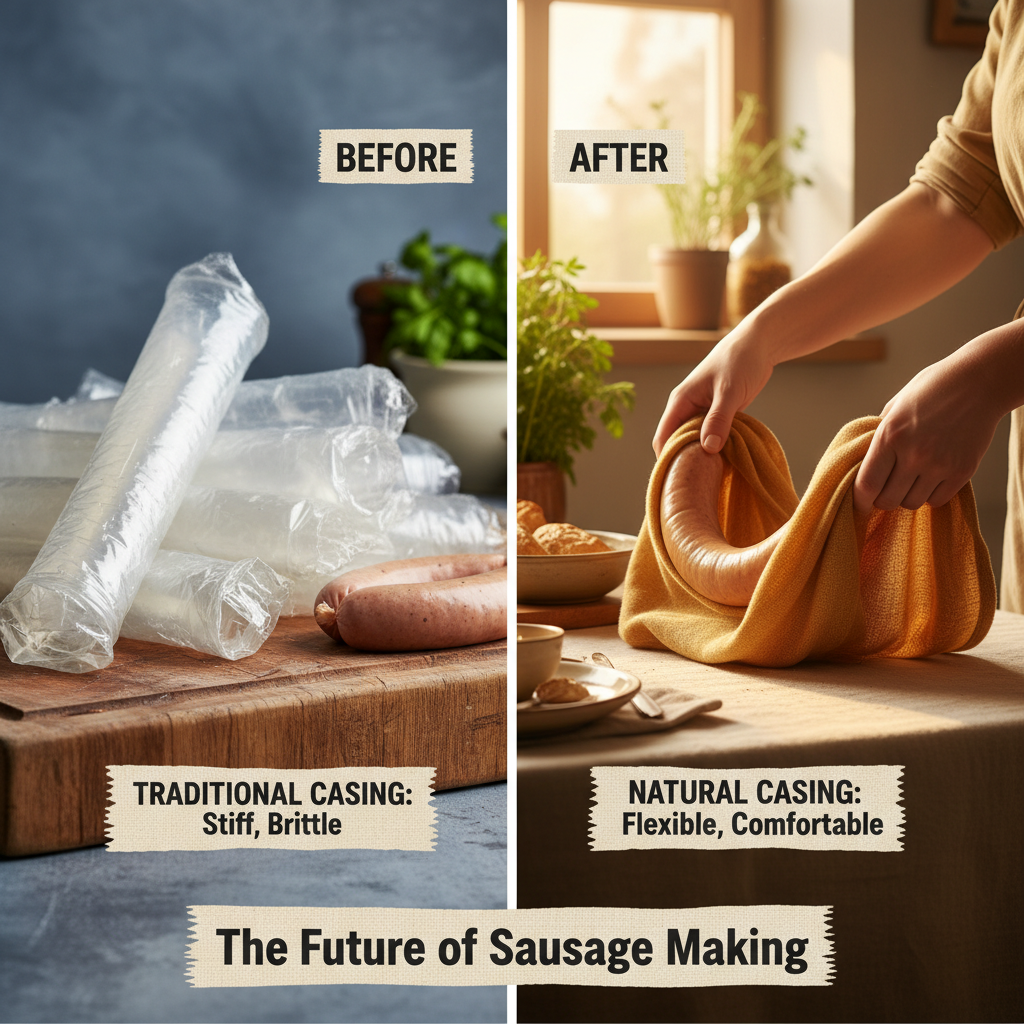
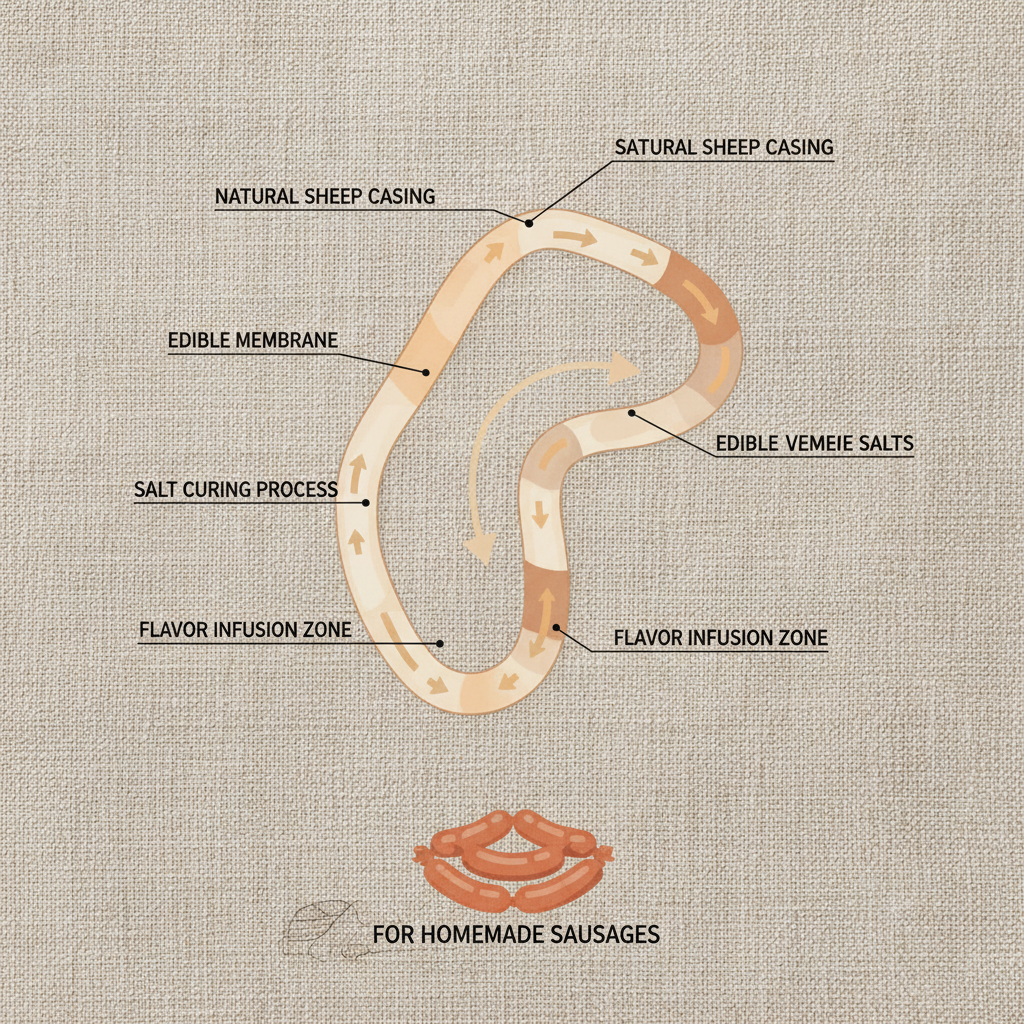
In the complex world of meat processing, the selection of the right containment material can dictate the final quality, texture, and shelf-life of the product. Among the various options available, large sausage casings stand out as a critical component for producers of specialty meats, large-diameter salamis, and traditional regional sausages. These specialized casings are engineered to provide the necessary structural integrity to hold significant volumes of meat emulsion while maintaining a consistent diameter.
Globally, the demand for high-capacity casing solutions is driven by the diversification of the processed meat market and the rise of artisanal charcuterie. From the industrial plants of Europe to the expanding meat markets in Asia, the ability to produce uniform, large-scale sausages efficiently is a competitive advantage. Understanding the nuances of material strength, permeability, and sourcing is essential for any manufacturer looking to scale their production without sacrificing the "snap" or aesthetic appeal of their products.
Whether utilizing natural hog membranes or high-tech collagen alternatives, the application of large sausage casings involves a delicate balance of physics and culinary art. By optimizing the casing choice, producers can reduce burst rates during stuffing and smoking, ensure better moisture retention, and ultimately deliver a premium product that meets stringent international food safety standards.
Global Industry Context of Large Sausage Casings
The global meat processing industry is currently navigating a transition toward higher efficiency and stricter quality control, as highlighted by ISO standards for food safety. Within this context, large sausage casings have become indispensable for the mass production of gourmet deli meats. As consumer preferences shift toward larger, family-style portions and specialized cured meats, the industry has seen a surge in the demand for casings that can withstand the pressures of automated high-speed filling lines.
However, this growth comes with challenges. The variability in natural raw materials often leads to inconsistencies in diameter and strength, which can result in significant product waste. By implementing standardized sizing and advanced curing processes for dried tubed hog casings, manufacturers are now able to stabilize their supply chains and ensure that every unit produced meets the exacting dimensions required for international export.
Defining Large Sausage Casings and Their Industrial Purpose
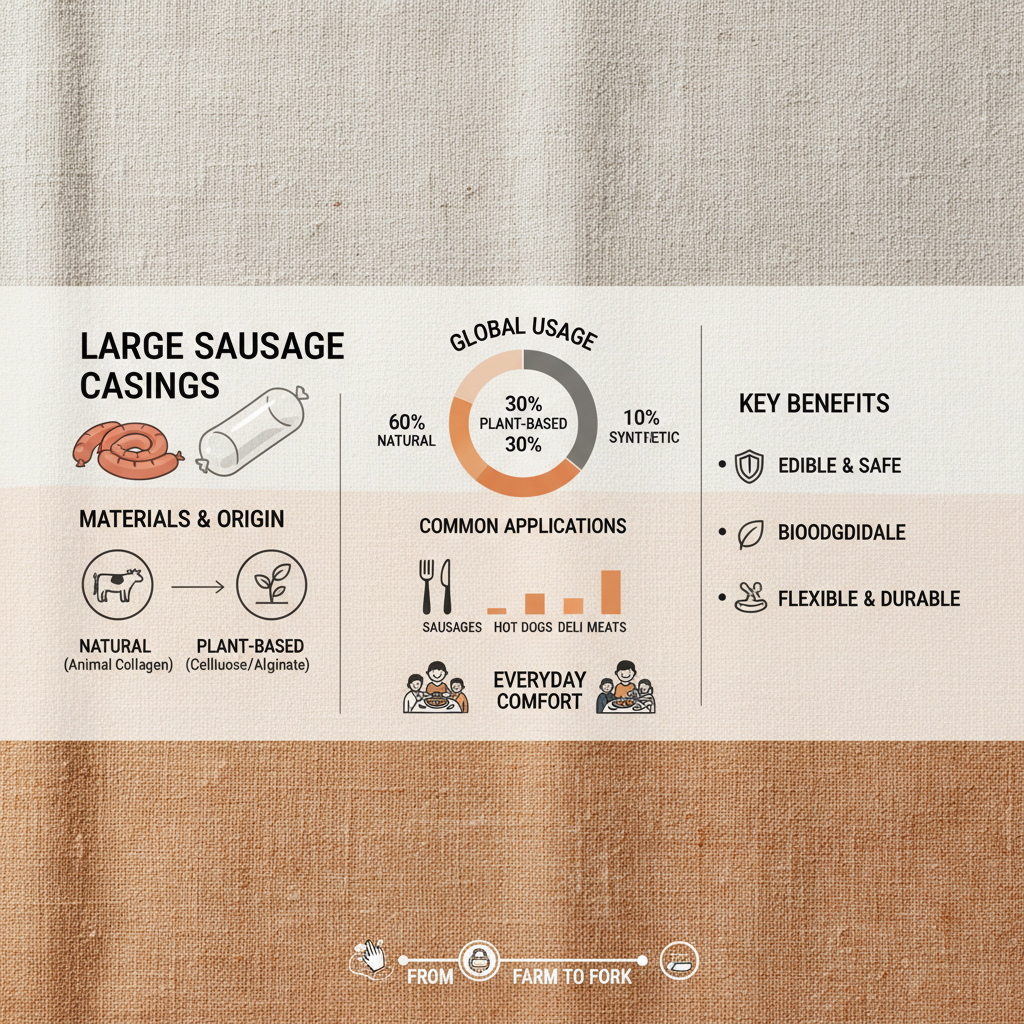
In simple technical terms, large sausage casings are specialized tubular membranes, typically derived from natural porcine intestines (hog casings) or engineered proteins (collagen), designed to hold meat emulsions with a larger cross-sectional area than standard frankfurter or breakfast links. These are often categorized by their caliber, with "large" referring to those specifically tailored for summer sausages, bologna, and large-format cured meats.
Beyond just being a container, these casings serve a vital biological and chemical purpose. They act as a semi-permeable barrier that allows for the controlled exit of moisture and the entry of smoke and curing agents. This precise exchange is what allows a large-diameter sausage to dry evenly from the outside in, preventing "case hardening" while ensuring the core reaches a safe temperature and texture.
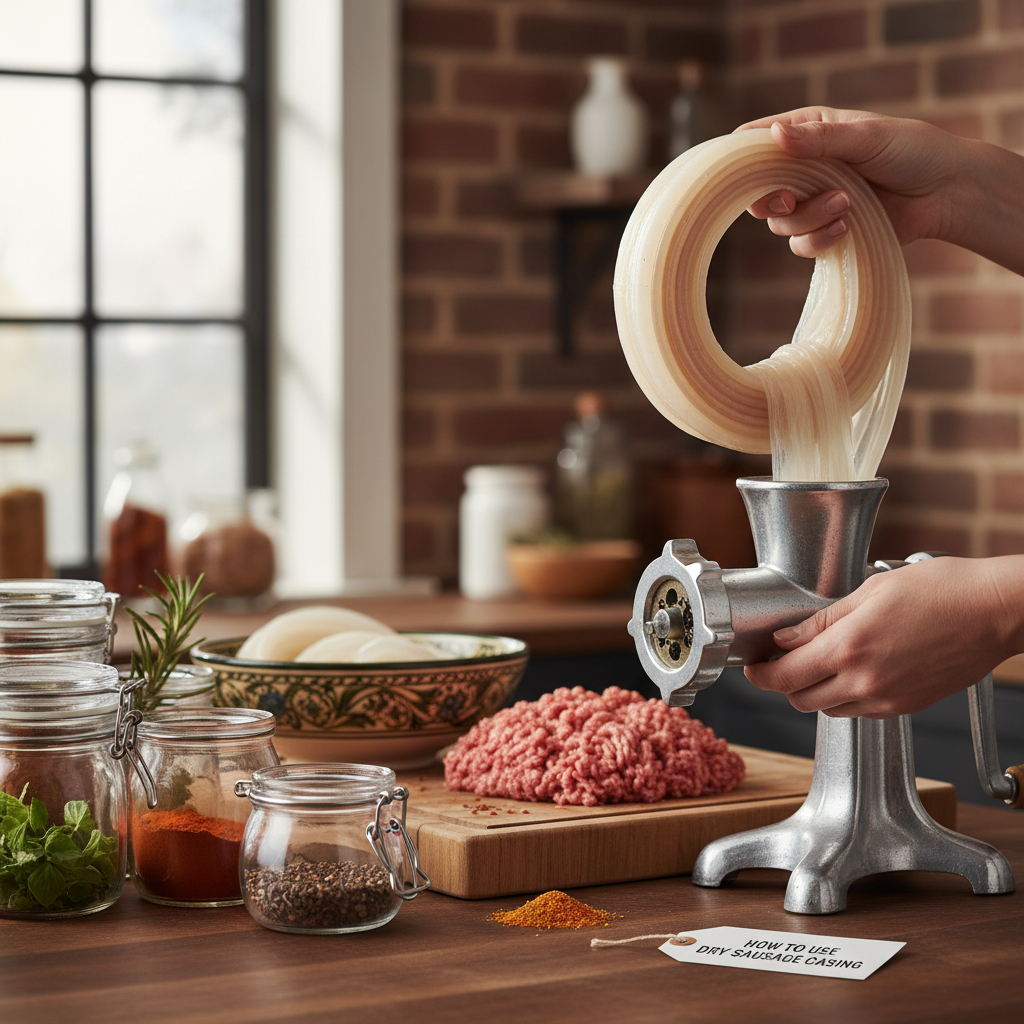
In the modern industrial landscape, the purpose of these casings has expanded to include economic scalability. By using salted or dried tubed casings, processors can store materials for extended periods and hydrate them exactly when needed, reducing the overhead costs associated with cold-chain logistics and perishability.
Core Components of High-Quality Large Casings
The primary factor in the success of large sausage casings is tensile strength. Because of the increased volume and weight of the meat filling, the casing must possess high elastic limits to prevent rupturing during the stuffing process. A high-quality casing maintains its shape under pressure, ensuring that the final product is aesthetically uniform and professional.
Permeability is another critical component. In the production of salted and dried casings, the porosity of the membrane determines how efficiently the product can be smoke-cured. If a casing is too dense, smoke cannot penetrate; if it is too porous, the sausage may lose moisture too quickly, leading to shriveled edges and inconsistent weight.
Finally, the purity and processing method—such as the salt-curing precision—define the stability of the product. For large sausage casings, the absence of impurities and the consistency of the tubed diameter are essential to avoid "blow-outs" during the cooking or smoking phase, which directly impacts the profitability of the manufacturing line.
Technical Performance Metrics for Large Casings
Evaluating the efficacy of different casing types requires a data-driven approach. Manufacturers typically look at burst pressure, shrinkage rates, and hydration speed to determine which material is best suited for their specific recipe. For instance, a highly elastic casing may be preferred for hot-dog style products, whereas a more rigid, less permeable casing is ideal for long-term dried salamis.
The following analysis compares various processing methods for large sausage casings based on industry performance ratings, highlighting how different preparation styles impact the final output quality.
Performance Analysis of Large Sausage Casings Methods
Global Applications and Use Cases
The application of large sausage casings varies significantly by region. In Southern Europe and the Mediterranean, these casings are used extensively for traditional Salami and Mortadella, where the natural texture of the hog casing is prized for its authenticity and mouthfeel. In these regions, the focus is often on the "natural" label and the traditional drying process that takes place in controlled cellar environments.
Conversely, in the North American and East Asian markets, the use of large casings is more closely tied to industrial efficiency and the production of "giant" sausages for the retail market. In these industrial zones, the priority is often on the uniformity of the tubed casings, allowing for seamless integration into high-speed stuffing machines that can process thousands of units per hour with minimal human intervention.
Long-Term Value and Sustainability
Investing in high-grade large sausage casings provides tangible long-term economic value. By reducing the rate of casing bursts, manufacturers can significantly lower their waste ratios. A 2% reduction in product loss due to casing failure can translate into thousands of dollars in saved raw materials annually for a medium-sized processing plant.
From a sustainability perspective, the move toward biodegradable and natural porcine casings aligns with the global push to reduce synthetic plastics in food packaging. Natural casings are fully edible and compostable, offering a circular economy solution where byproduct materials from the livestock industry are repurposed into high-value food components.
Moreover, the reliability of these materials builds consumer trust. When a customer purchases a large-format cured sausage, the integrity of the casing ensures that the product remains vacuum-sealed and free from contamination, upholding the brand's reputation for safety and quality.
Future Innovations in Casing Technology
The future of large sausage casings is being shaped by the digital transformation of the meat industry. We are seeing the introduction of "smart" processing, where sensors on the stuffing line can detect the tension of the casing in real-time and adjust the filling speed to prevent ruptures. This integration of IoT and traditional manufacturing is dramatically increasing the yield of large-diameter products.
Additionally, there is a significant trend toward "green" curing agents. Researchers are developing new ways to salt and dry hog casings that reduce sodium levels while maintaining the same preservative properties. This addresses the growing health-conscious consumer demand for lower-salt meats without compromising the structural stability of the casing.
Automation in the cleaning and tubed-processing stage is also reducing human error. New ultrasonic cleaning systems ensure that natural large sausage casings are perfectly prepped for hydration, ensuring a seamless fit on the machine and a more consistent final product diameter.
Comparative Analysis of Large Sausage Casing Specifications
| Casing Type |
Elasticity Score (1-10) |
Permeability Rate |
Primary Use Case |
| Dried Tubed Hog |
9 |
Medium-High |
Traditional Salami |
| Salted Casing |
8 |
Medium |
Summer Sausages |
| Large Collagen |
7 |
Low-Medium |
Industrial Bologna |
| Fibrous Casing |
10 |
Very Low |
Large Deli Loaves |
| Cellulose Large |
6 |
High |
Peelable Products |
| Premium Natural |
9 |
Medium |
Artisan Charcuterie |
FAQS
The primary difference lies in the caliber (diameter) and the reinforced tensile strength. Large sausage casings are specifically processed to handle the increased internal pressure of high-volume meat fillings without bursting. They are often sourced from larger animals or engineered specifically for wide-diameter products like salami and bologna, offering a different elasticity profile compared to thin breakfast link casings.
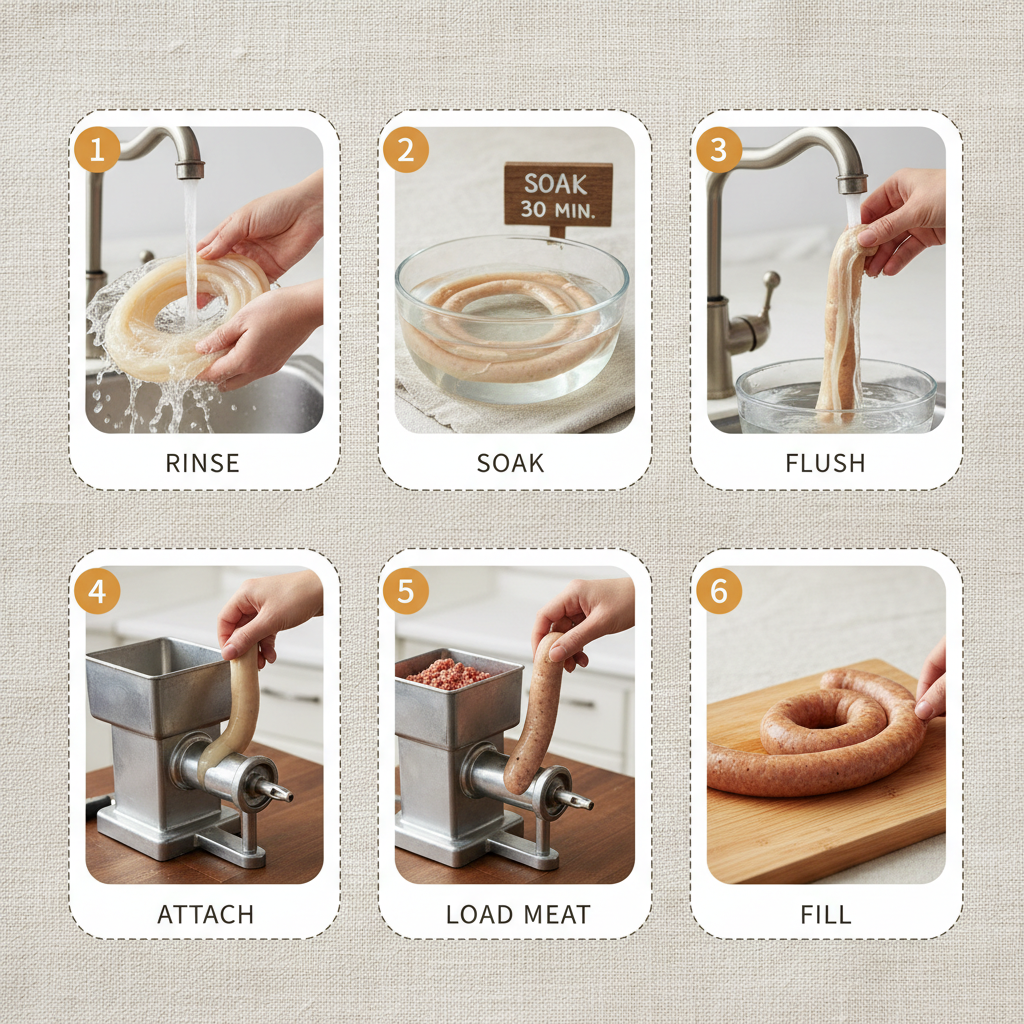
Preventing bursts requires a combination of proper hydration and filling speed. Ensure that the casings are fully hydrated in water of the correct temperature for the recommended time. Additionally, monitor the vacuum levels in your stuffing machine; too much air trapped in the emulsion can create pressure pockets that lead to ruptures. Using a high-quality salted or dried tubed casing also helps provide consistent wall thickness.
Neither is objectively "better," as the choice depends on your logistics and product type. Dried tubed casings offer a longer shelf life and easier transport due to their lower weight and stability. Salted casings are often preferred for certain traditional curing processes where a specific salt-to-membrane ratio is desired. Both provide the structural integrity needed for large sausage casings applications.
Natural hog casings cannot be used for vegan products as they are animal-derived. For vegan meat alternatives, producers use large-diameter collagen casings (if non-animal collagen is used) or cellulose and algae-based casings. These synthetic alternatives are designed to mimic the snap and appearance of natural large sausage casings while adhering to plant-based dietary requirements.
Storage depends on the type: dried tubed casings should be kept in a cool, dry place away from direct sunlight and humidity to prevent premature degradation. Salted casings should be stored in a temperature-controlled environment, typically refrigerated, to prevent the salt from leaching and to maintain the elasticity of the membrane. Always keep them tightly sealed to avoid contamination.
The right caliber depends on your target product's final diameter and the shrinkage rate of your meat emulsion. We recommend testing several calibers on a small batch. Remember that natural casings shrink during the drying and smoking process; therefore, you should select a caliber slightly larger than your desired final diameter to account for this contraction.
Conclusion
The strategic selection of large sausage casings is far more than a simple procurement decision; it is a critical factor in ensuring product consistency, reducing industrial waste, and meeting the high expectations of the global meat market. From the essential metrics of tensile strength and permeability to the logistical advantages of dried tubed and salted options, the right casing allows producers to scale their operations while preserving the artisanal quality of their products.
As the industry moves toward greater automation and sustainable materials, the integration of high-performance casings will continue to be a cornerstone of success for meat processors. By focusing on quality sourcing and precise technical application, manufacturers can enhance their efficiency and deliver premium, safe, and visually appealing products to consumers worldwide. To explore our full range of high-quality solutions, visit our website: www.rtcasing.com.