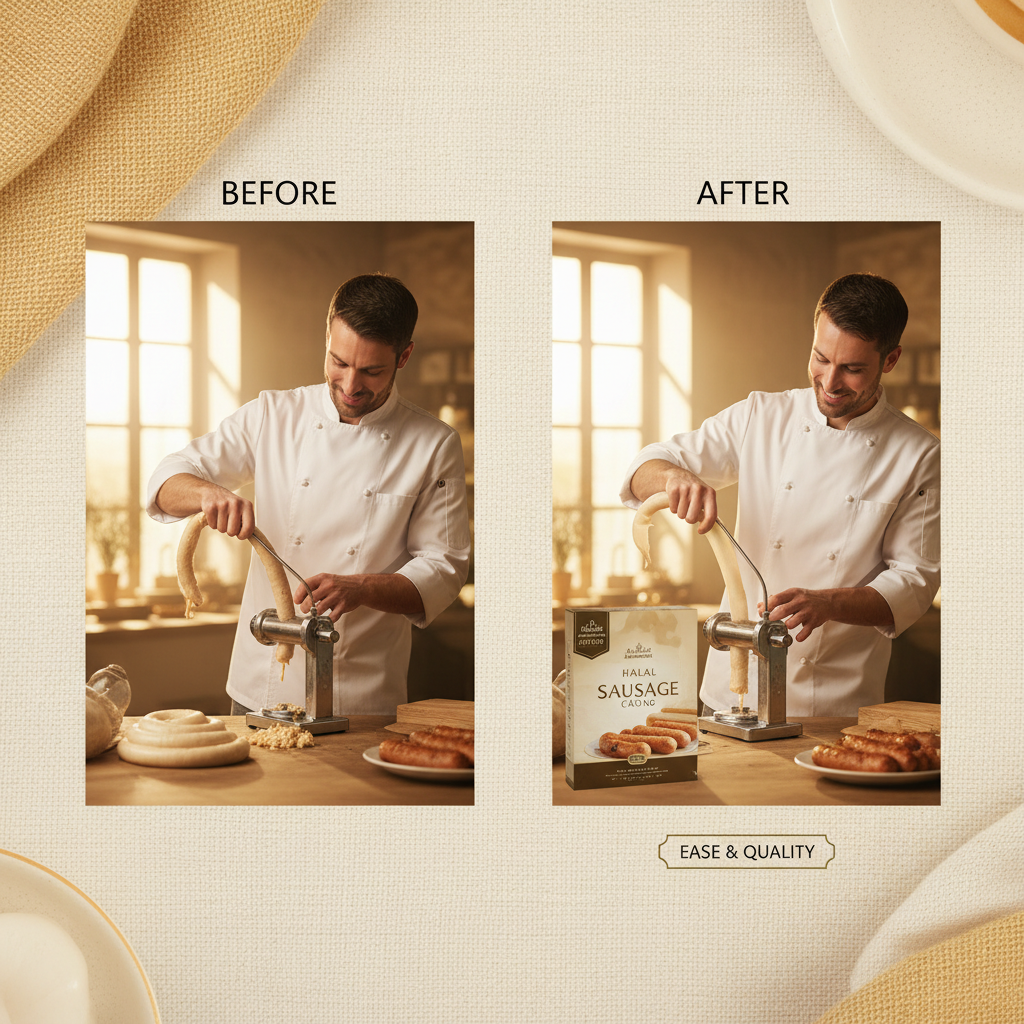
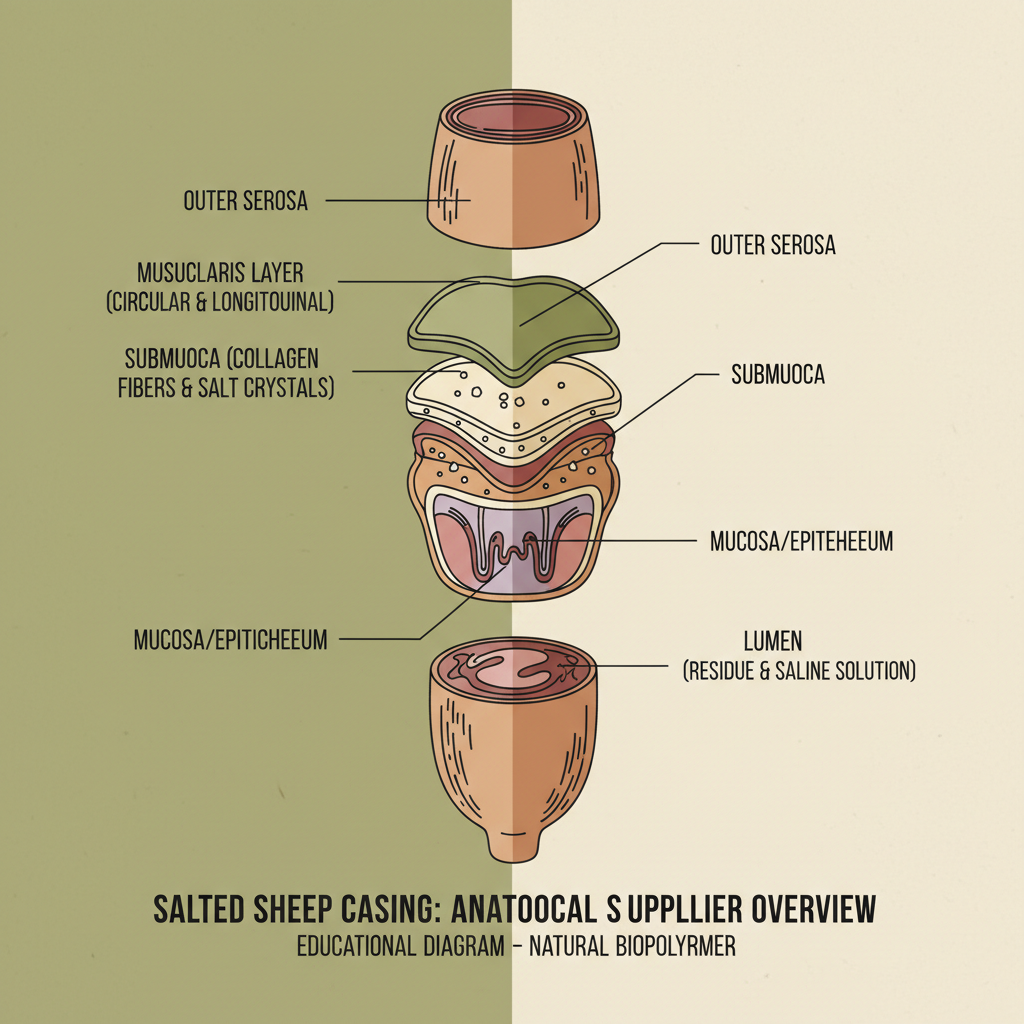
In the global meat processing industry, the demand for specialized packaging materials has surged, particularly for products that adhere to strict dietary laws. The use of halal sausage casing is not merely a technical requirement but a commitment to religious integrity and consumer trust. By ensuring that every component of the sausage, including the casing, is derived from permissible sources, manufacturers can tap into the rapidly growing global Halal market.
Understanding the intricacies of Halal certification for casings involves navigating the complexities of animal origin, processing methods, and cross-contamination prevention. Whether using collagen, cellulose, or natural bovine casings, the critical factor is the traceability of the source material. This ensures that the final product meets the rigorous standards required by Islamic dietary laws, providing peace of mind to millions of consumers worldwide.
From a commercial perspective, implementing high-quality halal sausage casing solutions allows food producers to expand their export capabilities into the Middle East, Southeast Asia, and other regions with significant Muslim populations. By combining technical excellence in casing durability with strict Halal compliance, brands can achieve a competitive edge in a market that values both quality and spiritual purity.
Global Relevance of Halal Sausage Casing
The global Halal food market is witnessing exponential growth, driven by a rising Muslim population and an increased awareness of food safety and ethics. According to recent industry trends and data aligned with ISO standards, the demand for certified halal sausage casing has become a pivotal factor for meat processors aiming for international scale. The challenge lies in the strict prohibition of porcine-derived materials, which have traditionally dominated the sausage casing industry.
To address this, manufacturers are shifting toward bovine-based or synthetic alternatives that meet Sharia law. This transition is not just about replacing a material; it is about restructuring the entire supply chain to ensure that no cross-contamination occurs during the cleaning, processing, or packaging stages. For the modern manufacturer, mastering this process is the key to unlocking massive market shares in territories like Indonesia, Malaysia, and the GCC countries.
Defining Halal Standards in Casing Production
In simple terms, halal sausage casing refers to a protective outer layer for meat products that is free from any prohibited (haram) substances, most notably pork. This includes not only the primary material of the casing but also any additives, lubricants, or processing aids used during the manufacturing process. The goal is to create a product that is permissible for consumption under Islamic law.
Modern industry connects this requirement to the broader concept of "Tayyib," which implies that food should not only be Halal (permissible) but also pure, healthy, and ethically sourced. This intersection of religious law and food science has pushed the meat processing equipment industry to develop specialized machinery that prevents the mixing of porcine and non-porcine lines, ensuring absolute purity.
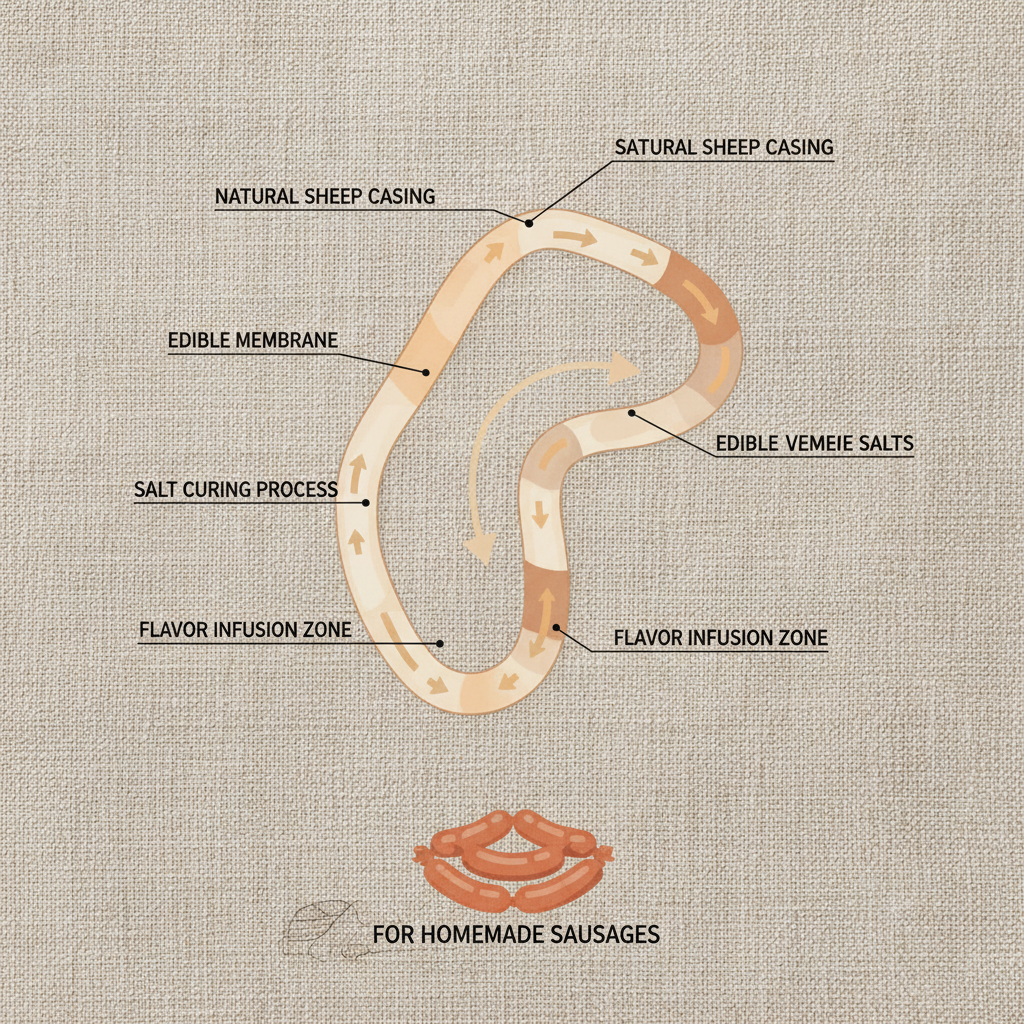
Whether the casing is a natural bovine intestine or a high-tech collagen alternative, the certification process involves rigorous auditing. This includes verifying the slaughter method of the animal and ensuring that the chemicals used in the "salting" or "tubing" process do not contain alcohol or non-halal enzymes. This holistic approach ensures that the casing supports the integrity of the entire meat product.
Core Components of High-Quality Halal Casings
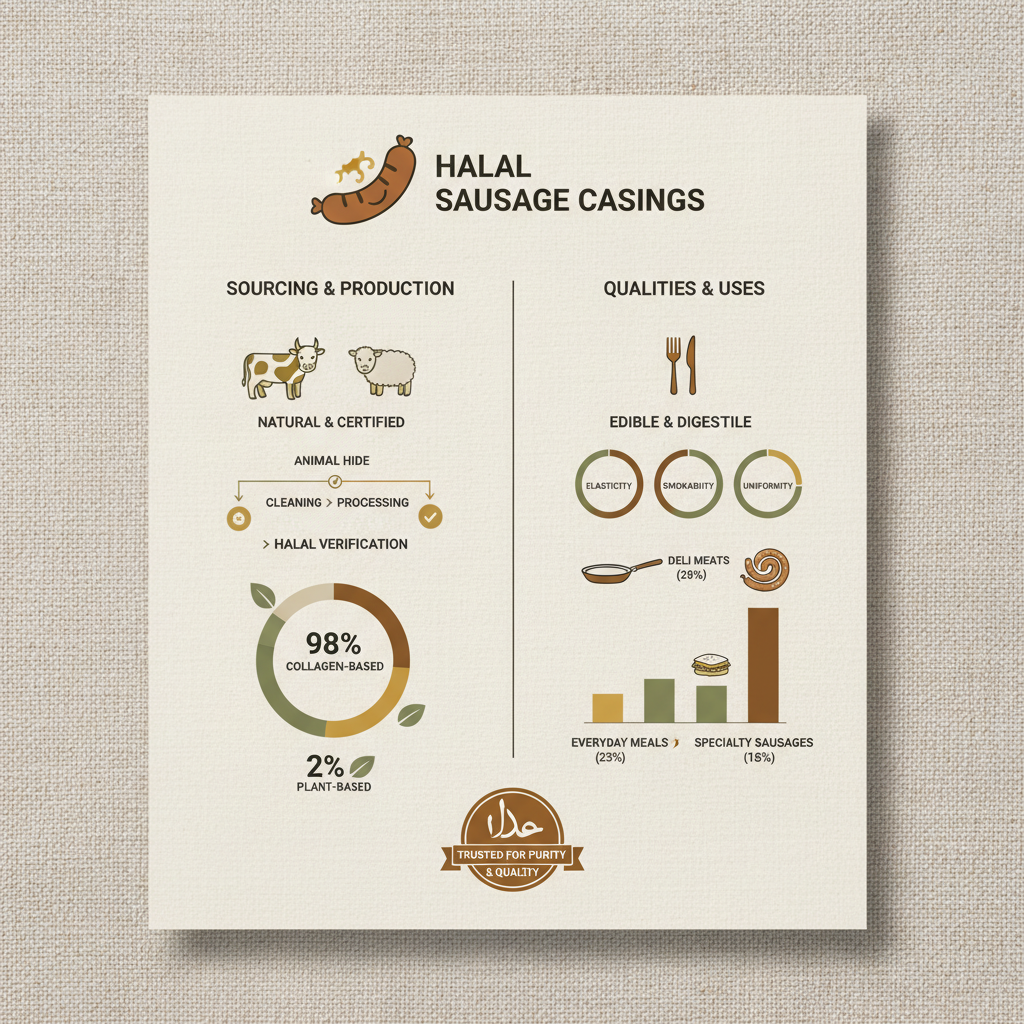
One of the primary factors for halal sausage casing is Material Purity. The source must be 100% certified bovine or a plant-based alternative. Any trace of prohibited materials renders the entire batch unusable for Halal markets, making strict raw material sourcing the foundation of the entire production cycle.
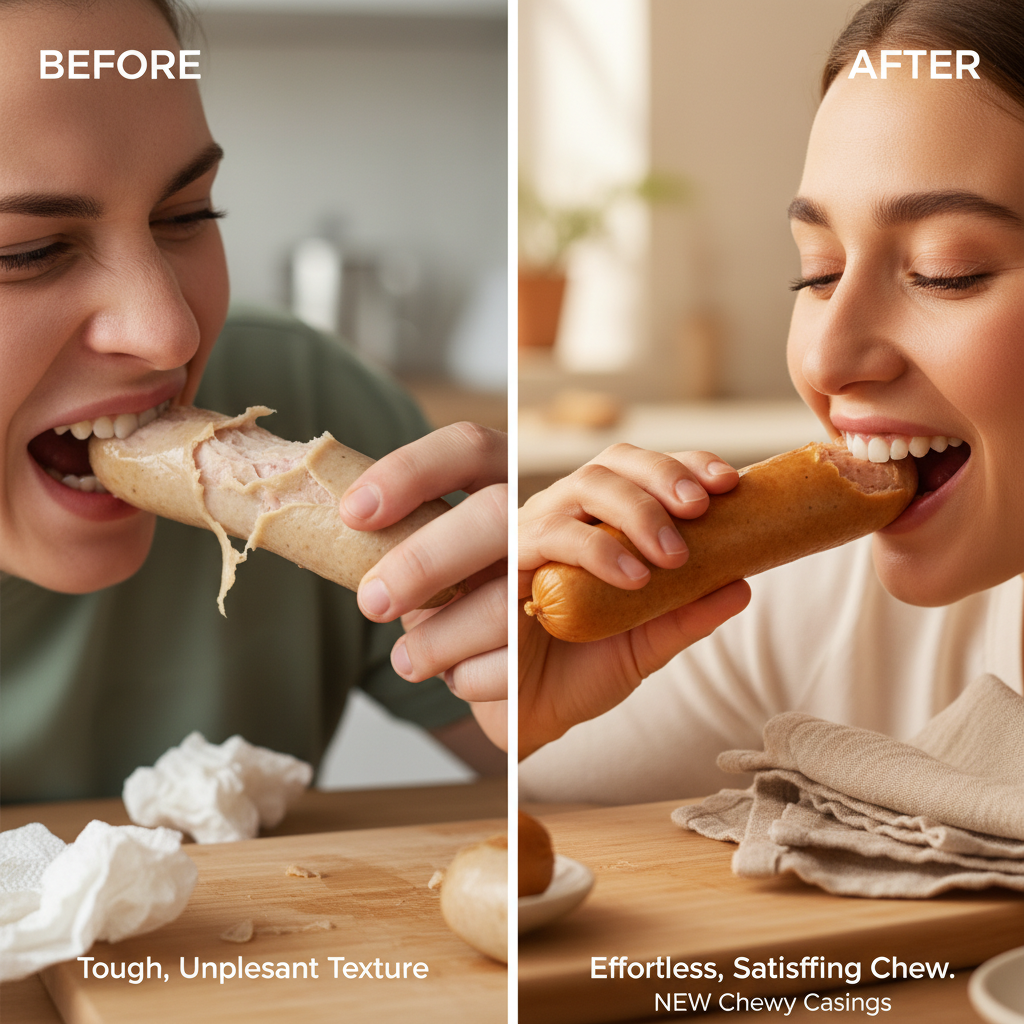
Structural Integrity and Durability are equally critical. A high-quality Halal casing must withstand the stuffing pressure of industrial fillers without bursting. This is especially important for Dried Tubed Hog Casing alternatives, where the bovine or collagen substitute must mimic the elasticity and "snap" of traditional casings to maintain product appeal.
Finally, Processing Traceability ensures that every step from the abattoir to the final packaging is documented. This includes the use of Halal-certified salts for curing and ensuring that the tubing equipment is dedicated solely to non-porcine products, thereby eliminating the risk of cross-contamination and upholding the highest ethical standards.
Performance Metrics for Industrial Applications
When evaluating different types of halal sausage casing, manufacturers look at specific KPIs such as smoke penetration, permeability, and ease of stuffing. These technical parameters determine how the sausage will cure and how long it will remain shelf-stable. For instance, collagen-based Halal casings offer highly consistent diameters, which is essential for automated packaging lines.
Comparing various methods reveals that certified bovine casings often provide the best traditional mouthfeel, while synthetic Halal options provide superior scalability and cost-efficiency for mass production. The following data illustrates the relative performance of different Halal-compliant casing types across key industrial dimensions.
Industrial Performance Comparison of Halal Sausage Casing Types
Global Use Cases and Regional Adoption
The application of halal sausage casing varies significantly by region. In Southeast Asia, particularly Malaysia and Indonesia, there is a strong preference for traditional natural bovine casings in artisanal sausages, where the authentic "snap" is highly valued. These regions often employ strict government-led certification boards that audit the entire supply chain of the casing provider.
In contrast, in European and North American markets, where Halal products are often sold to diverse diaspora populations, there is a higher adoption of collagen-based Halal casings. These are preferred for their consistency in large-scale industrial production, allowing companies to produce standardized "Halal-certified" frankfurters and bratwursts that can be distributed across multiple retail chains with minimal variance in quality.
Long-Term Value and Consumer Trust
Investing in certified halal sausage casing provides more than just market access; it builds deep-seated consumer trust. In the food industry, trust is the most valuable currency. When a consumer sees a Halal certification, they are not just looking for a lack of pork; they are looking for a brand that respects their values and dietary restrictions with precision and care.
From a logical standpoint, the reliability of Halal casings reduces the risk of costly product recalls. A single instance of cross-contamination with porcine materials can lead to a total loss of brand reputation within the Muslim community. By utilizing dedicated Halal production lines and verified casings, companies protect their bottom line and ensure long-term sustainability.
Emotionally, the provision of high-quality Halal options promotes inclusivity and dignity. It allows individuals to enjoy traditional culinary experiences—like a gourmet sausage—without compromising their spiritual beliefs. This creates a powerful emotional bond between the brand and the consumer, leading to higher loyalty and word-of-mouth growth.
Future Innovations in Halal Casing Technology
The future of halal sausage casing is leaning heavily toward biotechnology and sustainability. We are seeing a rise in the development of "lab-grown" collagen and algae-based casings that are inherently Halal. These innovations eliminate the need for animal slaughter altogether, aligning with the growing global trend toward veganism and cruelty-free food production while remaining strictly compliant with Halal laws.
Digital transformation is also playing a role through the implementation of Blockchain for traceability. Imagine a QR code on a package of sausages that allows a consumer to trace the halal sausage casing back to the specific certified farm and the date of Halal slaughter. This level of transparency will soon become the industry standard, replacing paper certificates with immutable digital ledgers.
Furthermore, automation in the "tubing" process is reducing human error. Smart sensors can now detect impurities in the casing material in real-time, ensuring that only 100% pure Halal materials enter the stuffing machine. This convergence of AI, biotech, and religious compliance is set to revolutionize how the world produces and consumes Halal meat products.
Analysis of Halal Casing Material Specifications and Compliance
| Casing Material |
Halal Certification Level |
Elasticity Score (1-10) |
Industrial Scalability |
| Natural Bovine |
Strict/Traditional |
9 |
Medium |
| Bovine Collagen |
Standard Certified |
8 |
High |
| Cellulose (Halal) |
Additive-Based |
6 |
Very High |
| Alginate (Plant) |
Inherently Halal |
7 |
Medium |
| Synthetic Halal Poly |
Chemical Certified |
10 |
Extreme |
| Bio-Engineered Collagen |
Lab Certified |
8 |
Emerging |
FAQS
A casing is considered Halal if it is derived from an animal slaughtered according to Islamic rites (such as bovine) or from plant-based/synthetic materials. Crucially, it must be completely free from any pork-derived ingredients or cross-contamination from porcine processing lines. Certification is typically granted by an authorized Halal body after auditing the source and processing methods.
Yes, provided the collagen is extracted from bovine (cow) hides and not porcine (pig) skins. The extraction process must also avoid the use of non-Halal enzymes or chemicals. Many industrial halal sausage casing options are bovine collagen because they offer the consistency required for high-speed production while adhering to religious laws.
You should request a valid Halal Certificate issued by a recognized authority (such as JAKIM, MUI, or GAC). Additionally, ask for a "Product Specification Sheet" that clearly lists the origin of the raw materials and a "Guarantee Letter" stating that the production line is dedicated to Halal products and free from porcine contamination.
In terms of physical properties like elasticity and durability, there is no inherent difference. However, Halal casings often have higher traceability and stricter quality control due to the rigorous certification process. Some consumers find that high-quality bovine natural casings offer a superior "snap" compared to some synthetic alternatives.
Generally, yes, as they do not contain animal products. However, a professional Halal certification is still recommended to ensure that the processing aids, lubricants, or additives used in the plant-based casing production are also permissible and free from alcohol or other prohibited substances.
Strict Halal standards usually require dedicated equipment. If a machine is shared, it must undergo a rigorous ritual cleaning process (known as 'Sertu' in some traditions) to remove all traces of non-Halal materials. To avoid risk and maintain certification, most professional manufacturers utilize separate, dedicated lines for halal sausage casing production.
Conclusion
The adoption of halal sausage casing is a strategic necessity for any meat processor looking to thrive in the globalized food economy. By prioritizing material purity, ensuring rigorous traceability, and embracing technical innovations in bovine and synthetic alternatives, manufacturers can bridge the gap between industrial efficiency and religious compliance. The core value lies not just in the material itself, but in the trust and respect established with a vast and growing global consumer base.
Looking forward, the industry will likely see a shift toward even more sustainable and bio-engineered Halal solutions that reduce animal reliance while maintaining the sensory qualities consumers love. For businesses, the recommendation is clear: invest in certified supply chains and transparent documentation now to future-proof your brand. To discover the highest quality standards in casing solutions, visit our website: www.rtcasing.com