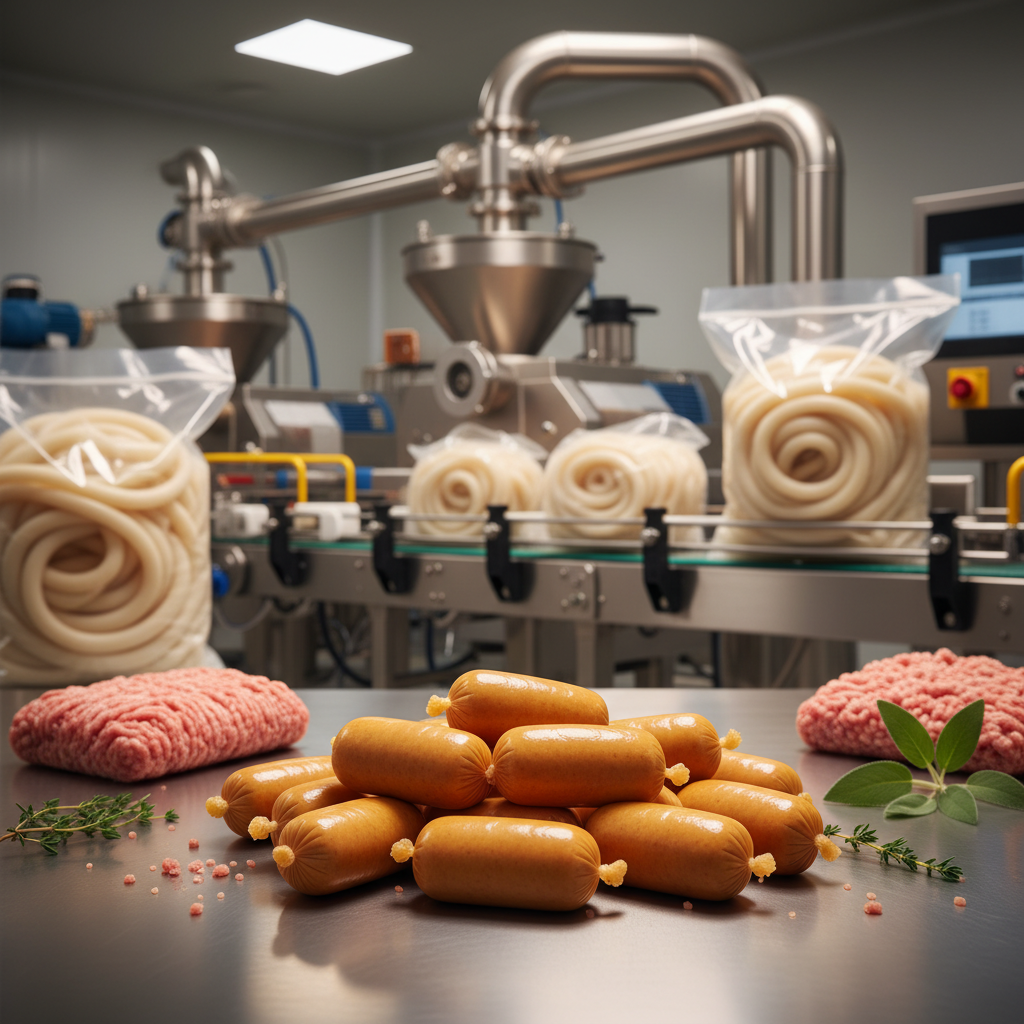
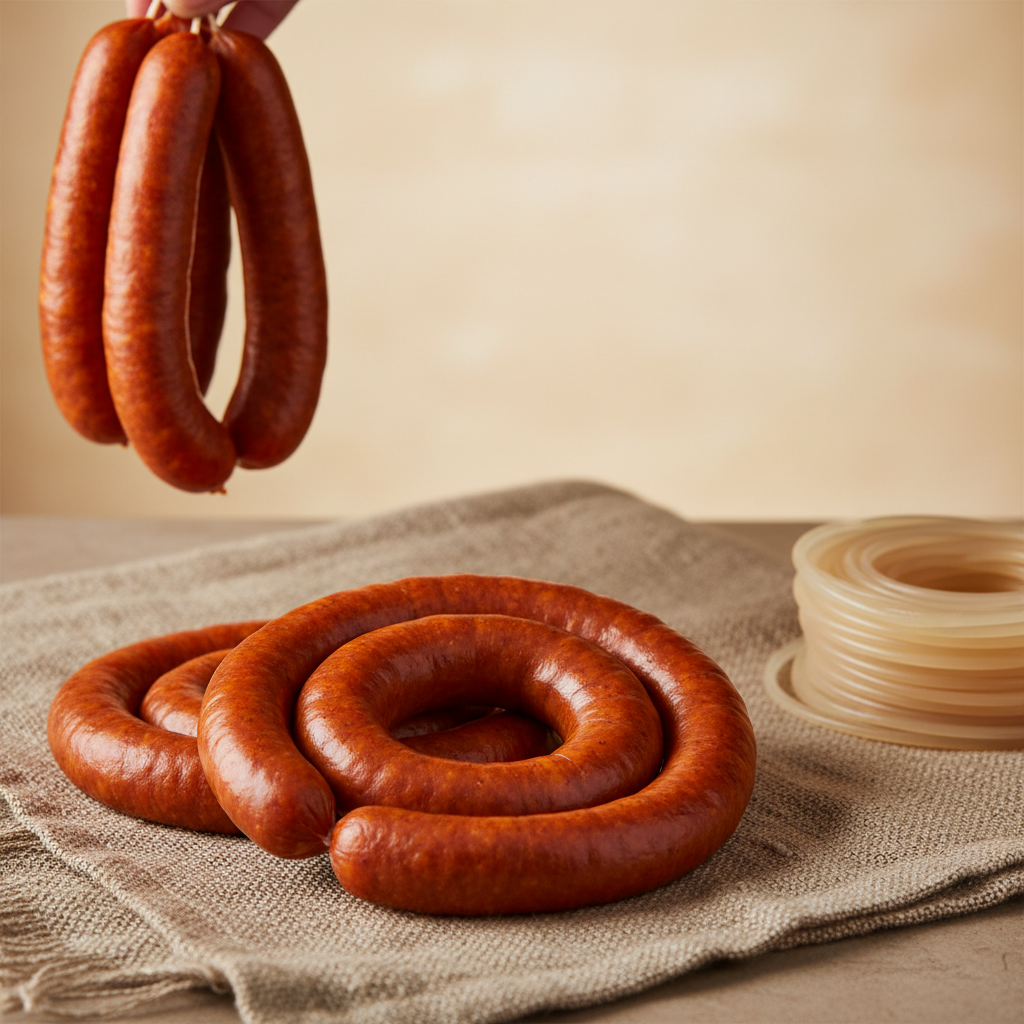
In the precision-driven world of meat processing, the selection of the right casing can make or break the quality of a finished product. For producers focusing on the breakfast market, small breakfast sausage casings represent more than just a container; they are a critical component that determines the "snap," the texture, and the visual appeal of the sausage. Whether utilizing natural hog casings or advanced collagen alternatives, the goal remains the same: achieving a consistent diameter that meets consumer expectations for bite-sized convenience.
Globally, the demand for processed breakfast meats has surged as urban lifestyles necessitate quick, protein-rich morning meals. This shift has placed immense pressure on manufacturers to optimize their production lines, moving away from manual stuffing toward high-speed automation. The efficiency of these systems relies heavily on the uniformity and elasticity of the casings used, as any variation in caliber can lead to bursting during the filling process or uneven cooking in the consumer's pan.
Understanding the nuances of small breakfast sausage casings—from their salt-curing levels to their permeability—is essential for any operator looking to scale their business. By balancing technical specifications with culinary requirements, producers can ensure that their products maintain structural integrity from the factory floor to the breakfast table, ultimately driving brand loyalty and reducing waste in the supply chain.
Global Industry Context of Small Breakfast Sausage Casings
The global meat processing industry has seen a significant pivot toward "portion-controlled" products, with small breakfast sausage casings leading the charge in the processed pork sector. According to industry benchmarks aligned with ISO quality standards, the consistency of the casing diameter is the primary KPI for operational efficiency. In markets like North America and Europe, where breakfast links are a staple, the ability to produce thousands of identical units per hour is what separates market leaders from small-scale artisans.
However, the industry faces a persistent challenge: the volatility of raw material supply. Natural casings, derived from animal by-products, vary by season and livestock breed, which can lead to unpredictable stuffing yields. This instability has driven a global movement toward standardized, treated casings that offer predictable performance, ensuring that high-speed stuffing machines do not suffer from frequent downtime due to casing ruptures or diameter fluctuations.
Defining Small Breakfast Sausage Casings and Their Purpose
At its core, small breakfast sausage casings are specialized membranes used to encapsulate ground meat mixtures, typically in diameters ranging from 15mm to 22mm. These casings serve as the structural skeleton of the sausage, holding the emulsion together during the smoking, cooking, and packaging phases. Without a high-quality casing, the meat would lose its shape and moisture, resulting in a product that is dry and visually unappealing.
Beyond mere containment, these casings play a vital role in the sensory experience of the consumer. The "snap"—that distinct resistance and subsequent pop when biting into a sausage—is a direct result of the casing's tensile strength and elasticity. In the modern food industry, this characteristic is closely tied to perceived quality and freshness, making the choice of casing a strategic decision rather than just a procurement task.
From a humanitarian and industrial perspective, the optimization of these casings helps reduce food waste. By utilizing precise calipers and high-strength membranes, manufacturers can minimize "blow-outs" (bursts) during the thermal processing stage. This efficiency ensures that more protein reaches the consumer and fewer resources are wasted during the manufacturing cycle, aligning with global sustainability goals for food production.
Core Technical Components for Casing Quality
The primary factor in the performance of small breakfast sausage casings is Tensile Strength. This refers to the casing's ability to withstand the internal pressure of the meat emulsion during high-speed stuffing. A casing with poor tensile strength will frequently tear, leading to costly production halts and wasted raw materials.
Permeability and Smoke Absorption is equally critical. High-quality small breakfast sausage casings must allow smoke and curing salts to penetrate the meat evenly while preventing excessive moisture loss. If the casing is too dense, the sausage remains pale and lacks the traditional smoked flavor; if it is too porous, the product shrinks excessively during cooking.
Lastly, Caliber Uniformity ensures that every link is identical in size. For automated packaging machines, even a 1mm deviation in the diameter of the small breakfast sausage casings can cause jamming in the conveyor systems. Therefore, rigorous sorting and grading of casings are essential to maintain a seamless flow from stuffing to vacuum sealing.
Practical Applications in Commercial Meat Processing
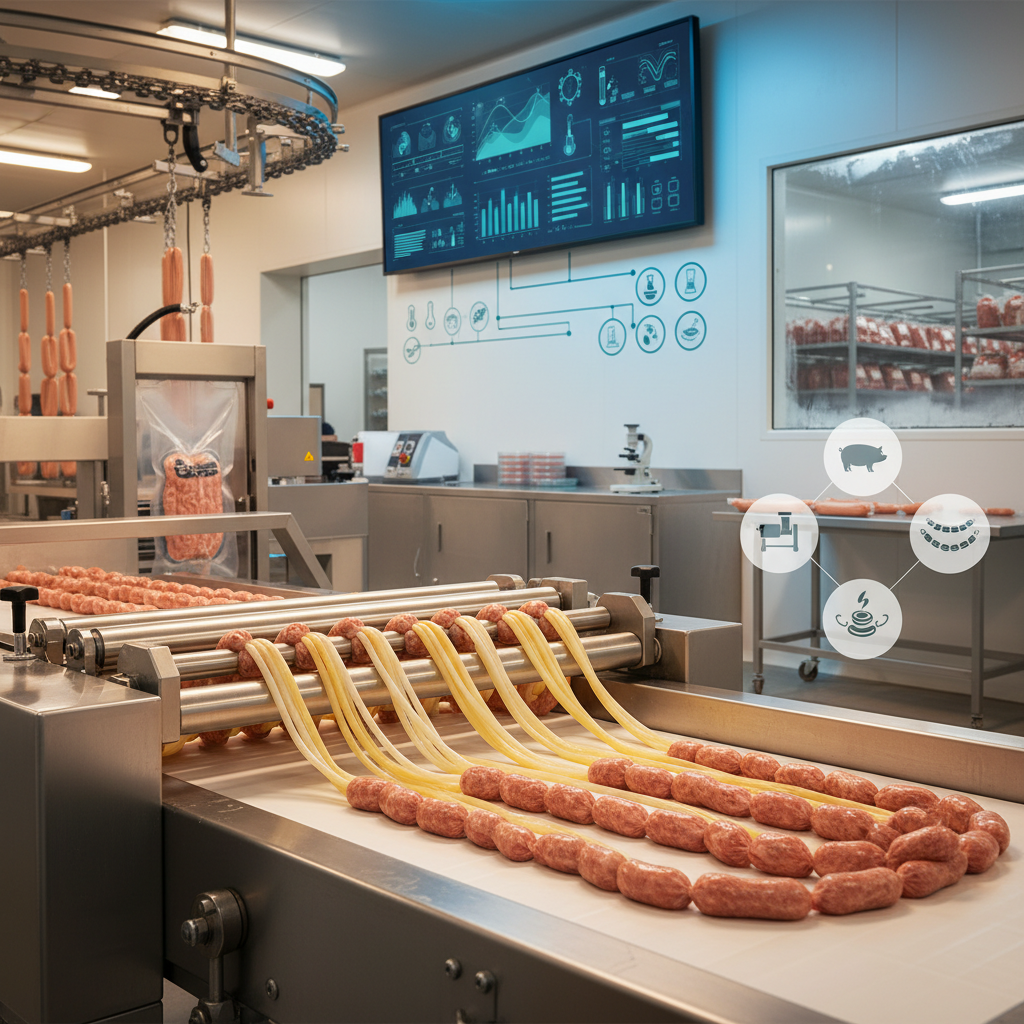
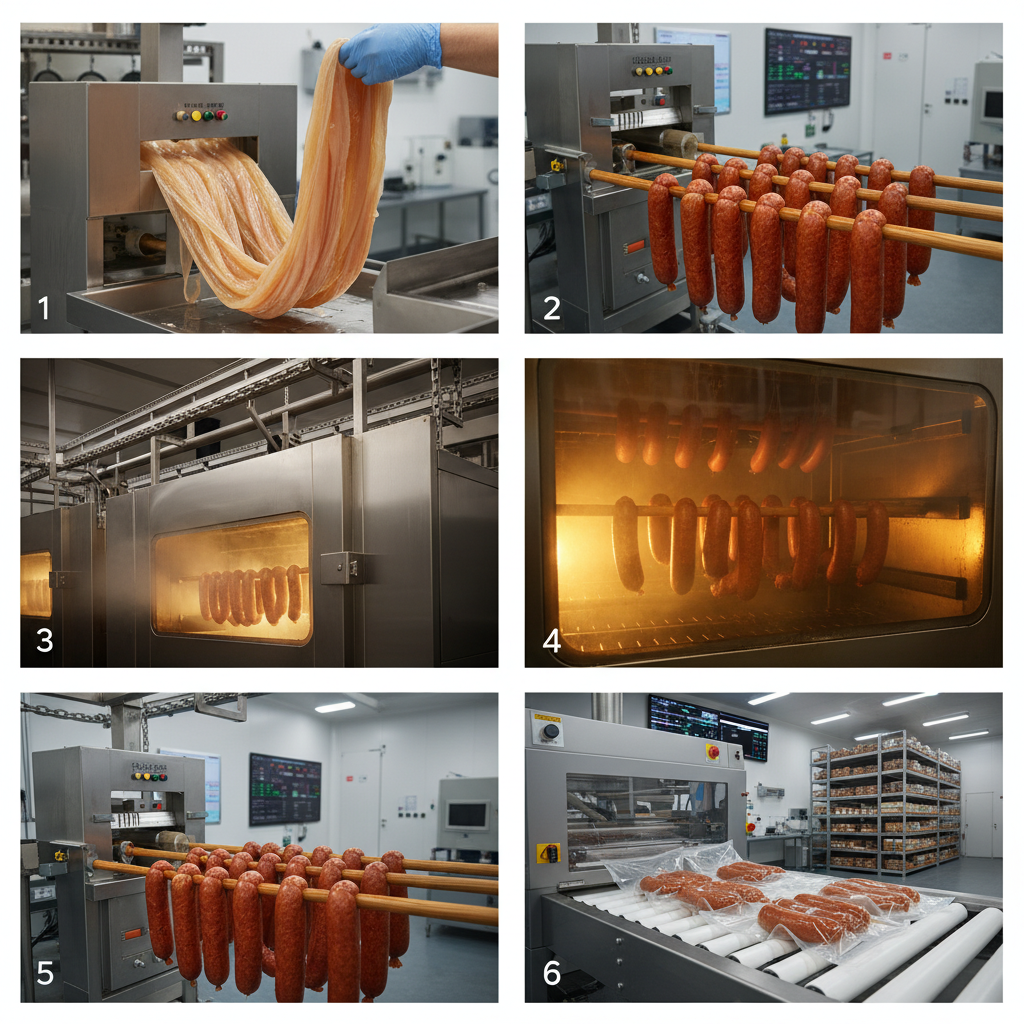
In large-scale industrial zones, the application of small breakfast sausage casings is integrated into fully automated "stuffer-twister-linker" lines. These systems require casings that can be loaded in large tubes and processed without manual intervention. The reliability of the casing determines the overall OEE (Overall Equipment Effectiveness) of the plant, as high-quality casings reduce the need for human operators to clear jams or tie off broken links.
In the artisanal or gourmet sector, these casings are used to create premium "farm-style" breakfast links. Here, the focus shifts toward natural, non-salted casings that offer a more organic look and a superior mouthfeel. Whether it is for a high-volume frozen food brand or a boutique butcher shop, the selection of the casing is tailored to the specific cooking method—whether it be poaching, frying, or grilling—to ensure the casing does not split under heat.
Performance Comparison of Casing Types for Breakfast Sausages
Long-term Value and Economic Advantages
Investing in premium small breakfast sausage casings provides significant long-term cost savings by reducing scrap rates. When a casing bursts during the cooking process, the entire batch may be downgraded or discarded. By utilizing casings with high burst strength, manufacturers can increase their first-pass yield, directly boosting the bottom line and reducing the cost per unit produced.
Beyond the financial metrics, there is an emotional value tied to consumer trust. A consistent, perfectly shaped breakfast sausage suggests a professional and hygienic manufacturing process. This reliability builds brand equity; when a customer knows that every link of a specific brand's breakfast sausage will cook evenly and have the perfect "pop," they are more likely to remain loyal, ensuring a stable revenue stream for the producer.
Future Innovations in Casing Materials
The future of small breakfast sausage casings is leaning heavily toward sustainability and "clean label" trends. We are seeing a rise in plant-based casings developed from seaweed or cellulose derivatives to cater to the growing vegan and vegetarian breakfast markets. These innovations aim to replicate the sensory properties of natural hog casings while eliminating animal-derived ingredients, opening up new market segments for meat processors.
Digital transformation is also touching the casing industry. Advanced sensors in stuffing machines are now being paired with "smart casings" that have specific markers to help AI-driven vision systems detect defects in real-time. This allows for the automatic ejection of flawed links before they enter the packaging stage, ensuring that only perfect products reach the consumer.
Furthermore, the integration of biodegradable materials into collagen casings is reducing the environmental footprint of the meat industry. By shifting toward materials that decompose faster in landfills, manufacturers are aligning their operational goals with global ESG (Environmental, Social, and Governance) criteria, making the production of breakfast sausages more eco-friendly.
Common Production Challenges and Expert Solutions
One of the most common challenges when working with small breakfast sausage casings is "telescoping," where the casing slides off the meat during stuffing. This is often caused by a mismatch between the casing's lubricity and the meat's fat content. Experts recommend adjusting the stuffing vacuum pressure and ensuring that the casings are properly hydrated—especially in the case of salted casings—to create a better bond between the membrane and the emulsion.
Another frequent issue is uneven shrinking during the drying or smoking phase. This occurs when the casing wall thickness varies. The solution lies in sourcing "grade A" calibrated casings that undergo rigorous mechanical sorting. By implementing a strict quality control check upon the arrival of raw materials, producers can avoid the nightmare of "wrinkled" sausages that fail visual inspections.
Finally, many producers struggle with the balance between shelf-life and casing permeability. To solve this, the industry is moving toward multi-layer casing technologies that provide a barrier against oxidation while still allowing for a traditional cooking experience. Combining high-quality small breakfast sausage casings with optimized vacuum packaging is the most effective way to extend product freshness without compromising taste.
Comparative Analysis of Casing Types for Breakfast Sausage Production
| Casing Material |
Burst Strength (1-10) |
Uniformity Score |
Market Price Point |
| Natural Hog (Fresh) |
7 |
6 |
Premium |
| Natural Hog (Salted) |
9 |
8 |
Mid-Range |
| Standard Collagen |
8 |
10 |
Economical |
| Premium Collagen |
9 |
10 |
Mid-Range |
| Cellulose (Peelable) |
10 |
10 |
High Cost |
| Plant-Based / Vegan |
6 |
9 |
Premium |
FAQS
The ideal diameter typically ranges from 15mm to 22mm, depending on the specific regional preference. For classic American-style breakfast links, a 16mm to 18mm caliber is most common, as it allows for a quick cook time while maintaining a satisfying "snap" and juicy interior.
Salted casings are preserved in a brine solution, making them more shelf-stable and easier to transport. However, they require a thorough rinsing and soaking process before use to remove excess salt. Fresh casings offer a more natural taste but have a much shorter shelf life and require strict cold-chain management.
Bursting is usually caused by one of three things: over-stuffing (too much internal pressure), using casings with low tensile strength, or cooking at temperatures that are too high too quickly. Ensuring you use high-quality, calibrated small breakfast sausage casings and monitoring your stuffing pressure can eliminate this issue.
Modern premium collagen casings are engineered to closely mimic the texture of natural hog casings. While some connoisseurs can still tell the difference, most consumers find the "snap" of high-grade collagen to be nearly identical, with the added benefit of perfect uniformity across every single link.
Natural fresh casings should be kept refrigerated at 0-4°C. Salted casings can be stored in a cool, dry place, but keeping them refrigerated extends their lifespan. Always ensure the packaging is airtight to prevent the casings from drying out, which would lead to brittleness and increased rupture rates during stuffing.
Yes, the industry is shifting toward cellulose-based and plant-derived casings. These options are often biodegradable and cater to the vegan market. While they may have slightly different cooking properties than animal casings, they offer a sustainable path for manufacturers looking to reduce their environmental impact.
Conclusion
In summary, the selection of small breakfast sausage casings is a pivotal decision that influences every stage of the meat production cycle—from the operational efficiency of the stuffing line to the ultimate sensory experience of the end consumer. By focusing on key metrics such as tensile strength, permeability, and caliber uniformity, producers can significantly reduce waste, enhance product consistency, and build a stronger, more reliable brand in a competitive global market.
Looking ahead, the integration of sustainable materials and AI-driven quality control will further refine the production of breakfast sausages. For manufacturers, the goal should be to balance traditional culinary expectations with modern industrial precision. We recommend auditing your current casing supply to ensure it meets the highest standards of durability and consistency. To find the perfect fit for your production needs, visit our website: www.rtcasing.com.