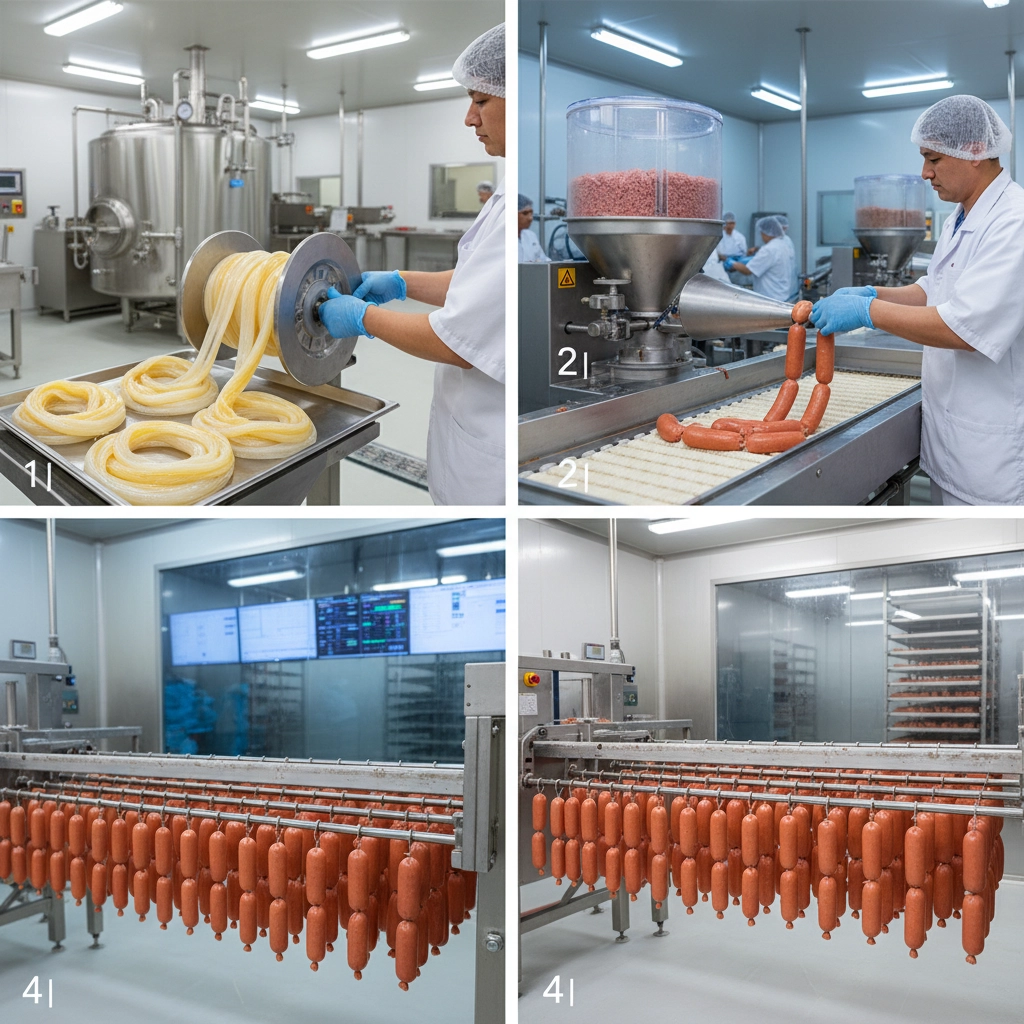
Finding the perfect small sausage casing is a critical decision for any meat processing operation, as the casing serves as both the structural vessel and the primary sensory interface for the consumer. In the competitive landscape of artisanal and industrial charcuterie, the diameter, elasticity, and permeability of the casing directly influence the final product's "snap," appearance, and shelf stability.
Across global markets, the demand for smaller-diameter sausages—ranging from cocktail franks to specialized snack sticks—has surged, driven by a shift toward portion-controlled eating and gourmet appetizers. This shift requires a high-performance small sausage casing that can withstand high-speed stuffing machinery while maintaining a consistent caliber across thousands of units.
Understanding the nuances between natural, collagen, and cellulose options allows producers to optimize their production lines for maximum yield and minimal waste. By focusing on the technical specifications of small sausage casing, manufacturers can ensure that their Dried Tubed Hog Casing or Salted Casing products meet stringent international food safety standards while delivering a premium culinary experience.
The Global Market Context of Small Sausage Casing
The global meat processing industry is currently witnessing a pivot toward specialized, small-format products. According to international trade trends and ISO food safety benchmarks, the demand for precision-engineered small sausage casing has grown as emerging economies in Asia and Latin America adopt Western-style snack sausage cultures. This growth is not merely about size but about the logistical efficiency of transporting smaller, high-density meat products.
However, this growth brings challenges in sourcing consistent raw materials. The volatility of natural hog casing supplies often leads to irregularities in caliber, which can cause significant downtime in automated stuffing plants. By implementing standardized small sausage casing protocols, manufacturers can reduce breakage rates and ensure that every link meets the precise weight and length requirements demanded by retail chains.
Defining the Technical Standards of Small Sausage Casing
In professional meat processing, small sausage casing refers to the outer membrane—either natural, semi-synthetic, or synthetic—used to encase meat emulsions with a diameter typically ranging from 12mm to 22mm. Unlike larger casings used for salami or summer sausages, these smaller variants must possess a higher ratio of elasticity to wall thickness to prevent bursting during the high-pressure filling process.
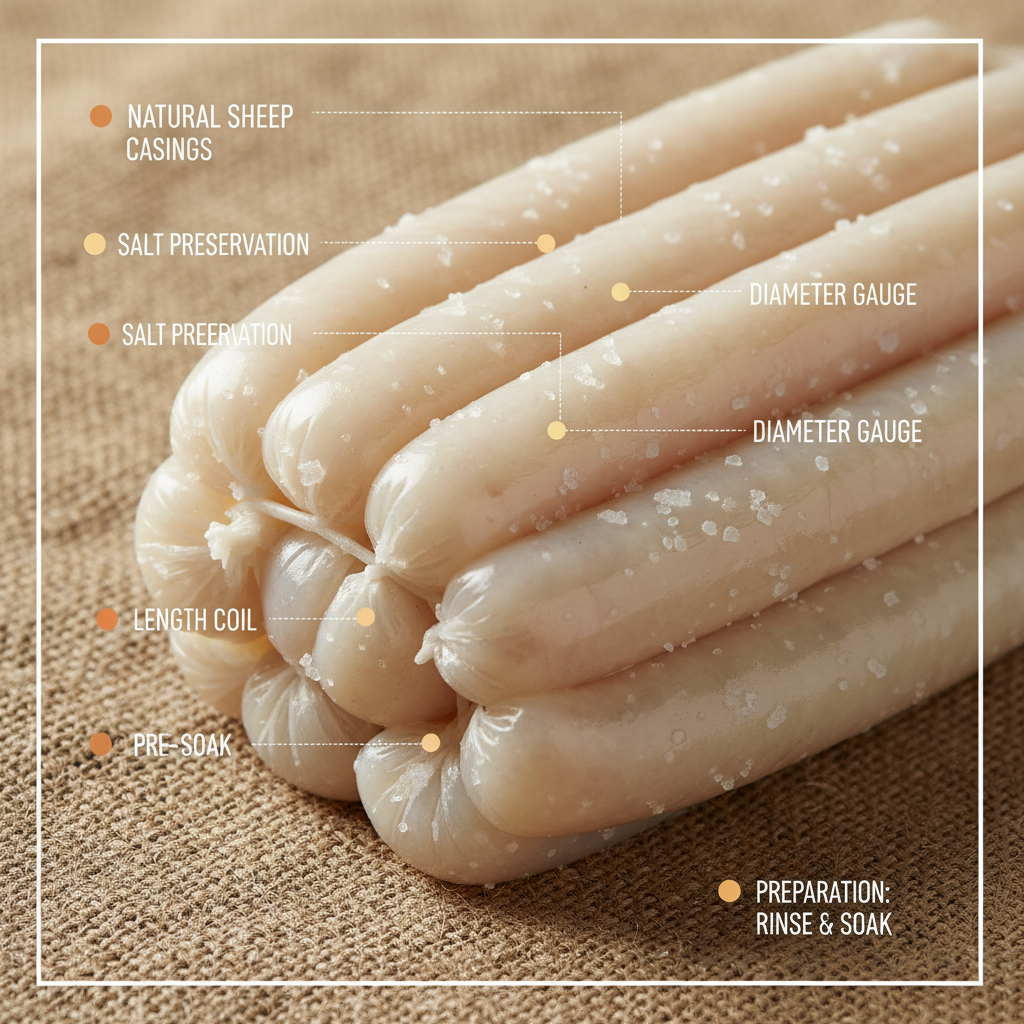
Modern industry standards emphasize the "smokeability" and "edibility" of the material. For instance, salted casings must be processed to maintain a specific moisture level to ensure they don't shrink excessively during drying, while collagen-based small sausage casing is engineered for uniformity, allowing producers to guarantee an identical "snap" in every single bite.
From a humanitarian and food security perspective, the development of high-yield small sausage casing allows for the efficient preservation of meat proteins in regions where refrigeration is limited. By utilizing salt-cured or dried tubed casings, producers can extend the shelf life of nutrient-dense proteins, making high-quality nutrition more accessible in remote industrial zones.
Core Components for Optimal Casing Performance
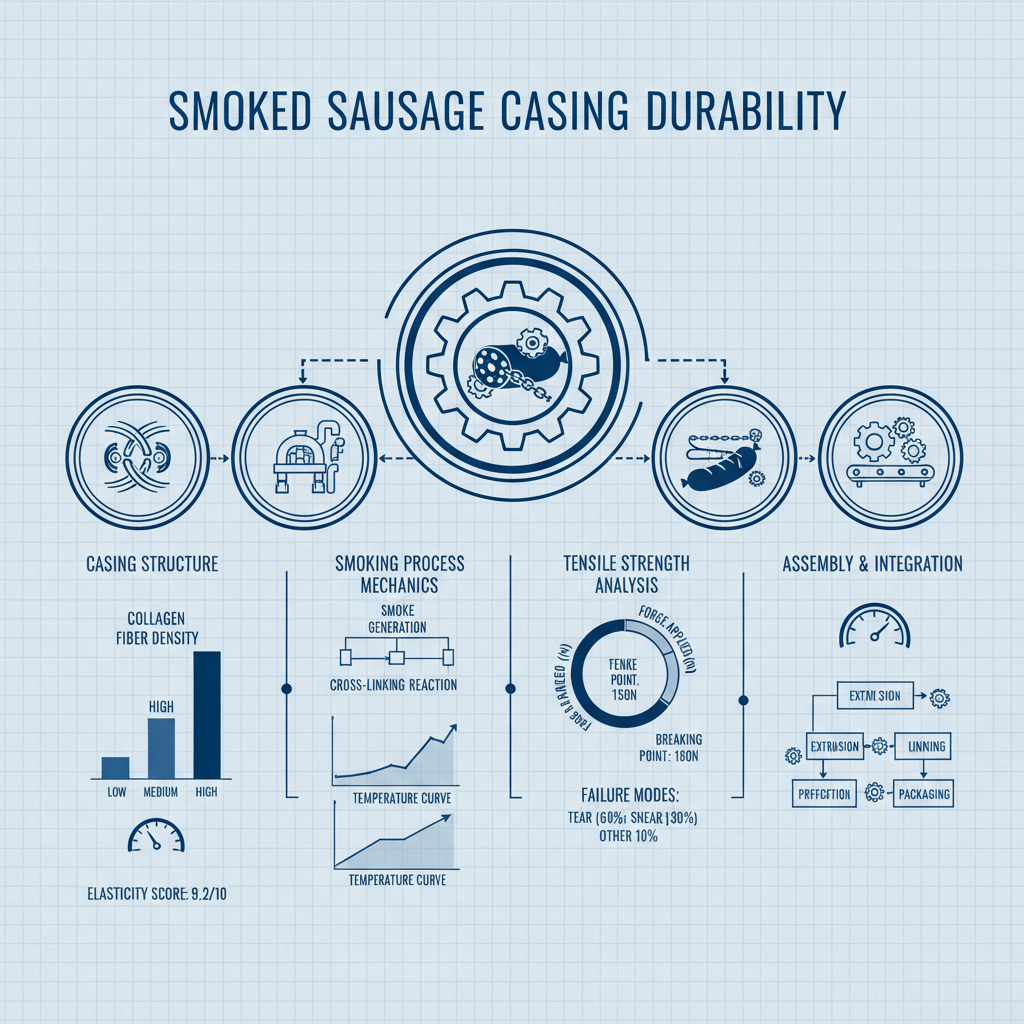
The efficiency of a small sausage casing is primarily determined by its tensile strength. This ensures that the casing can stretch to accommodate the meat emulsion without tearing, which is essential for maintaining high-speed production lines where any single rupture can stop an entire batch.
Permeability is another critical factor; a high-quality small sausage casing must allow smoke and curing agents to penetrate the meat evenly while preventing excessive moisture loss. This balance is what creates the signature texture of premium dried sausages and ensures a consistent color profile across the entire product line.
Finally, caliber consistency—the uniformity of the diameter throughout the length of the tube—is what separates industrial-grade small sausage casing from amateur options. Consistent calibers prevent "bulging" and ensure that the final packaged product fits perfectly into standardized retail trays and vacuum packs.
Industrial Applications and Global Use Cases
In the heart of European charcuterie hubs, small sausage casing is used to produce traditional cocktail sausages and mini-salamis that are staples of the luxury appetizer market. These regions prioritize natural hog casings for their superior mouthfeel and authentic tradition, requiring meticulous cleaning and sorting processes to maintain a small, consistent diameter.
Conversely, in large-scale North American meat plants, the focus shifts toward collagen-based small sausage casing. This allows for massive scalability, as these casings can be produced in endless tubes, eliminating the need for constant reloading of the stuffing horns and significantly increasing hourly output.
Performance Comparison of Small Sausage Casing Types
Long-Term Value and Sustainability Benefits
Investing in premium small sausage casing provides a tangible return on investment by reducing product loss. When casings burst during cooking or drying, the resulting waste is not just the casing itself but the expensive meat emulsion inside. High-reliability casings ensure that waste margins are kept below 1%, directly impacting the bottom line of the manufacturer.
Beyond the financial aspect, there is a strong move toward sustainability. The industry is shifting toward biodegradable and natural small sausage casing options to reduce the environmental footprint of plastic-based alternatives. By utilizing natural by-products from the livestock industry, producers are embracing a circular economy model that appeals to the modern, eco-conscious consumer.
Future Trends in Casing Material Science
The future of small sausage casing lies in the intersection of biotechnology and automation. We are seeing the emergence of "smart casings" that can be infused with natural antioxidants or antimicrobial agents, which migrate slowly into the meat to extend shelf life without the need for synthetic preservatives.
Automation is also redefining the process. New stuffing technologies are being designed to work specifically with ultra-thin small sausage casing, utilizing vacuum-assisted filling to ensure that no air pockets remain in the sausage. This not only improves the aesthetic appeal but also prevents oxidation and spoilage.
Furthermore, the rise of plant-based meat alternatives is driving the creation of vegan small sausage casing made from seaweed or algae polymers. These innovations ensure that the traditional "sausage experience" can be replicated for all dietary preferences while maintaining the structural integrity required for industrial processing.
Common Challenges and Expert Solutions
One of the most persistent challenges in using small sausage casing is "telescoping," where the casing slides or bunches during stuffing. This is often caused by a mismatch between the casing's lubricant level and the stuffer's pressure. The expert solution is to calibrate the stuffing speed and utilize a controlled hydration process for salted casings to ensure an optimal glide.
Another common issue is the uneven drying of the sausage, which can lead to wrinkles or "shriveling" of the small sausage casing. This is typically a result of improper humidity control in the drying chamber. Implementing a phased humidity reduction schedule allows the casing to shrink uniformly with the meat, maintaining a smooth, professional finish.
Finally, sourcing consistency remains a hurdle for many small-to-medium enterprises. By partnering with specialized suppliers of small sausage casing who provide certified caliber grading, producers can avoid the unpredictability of open-market sourcing and ensure their production line remains efficient and predictable.
Comparison of Small Sausage Casing Technical Specifications
| Casing Material |
Elasticity Score (1-10) |
Smoke Permeability |
Production Speed |
| Natural Hog |
9 |
Excellent |
Moderate |
| Collagen |
8 |
Good |
Very High |
| Cellulose |
5 |
Low (Peelable) |
Maximum |
| Salted Casing |
7 |
Moderate |
Moderate |
| Fibrous |
6 |
Moderate |
High |
| Vegan Polymer |
7 |
Developing |
Moderate |
FAQS
For cocktail franks, natural hog casing is generally considered the gold standard due to its exceptional "snap" and edible nature. However, for high-volume commercial production, collagen casings are preferred because they offer extreme uniformity in diameter, ensuring that every frankfurter is identical in size and weight, which is crucial for retail packaging.
Bursting is usually caused by excessive air pockets or incorrect pressure. To prevent this, ensure your meat emulsion is properly vacuum-mixed to remove air. Additionally, check that your stuffing horn is the correct size for the casing caliber; if the horn is too small, the friction increases, causing the casing to stretch and rupture.
Yes, salted casings are excellent for snack sticks as they are preserved for longer storage and provide the necessary structure for the drying process. However, they must be properly rinsed and hydrated according to the manufacturer's specifications to ensure they remain flexible enough to withstand the filling process without tearing.
Collagen casings are edible and made from bovine proteins, providing a natural-like experience. Cellulose casings are non-edible, made from plant fibers, and are typically used for sausages that are peeled after cooking (like hot dogs). Cellulose offers the highest production speed but requires a peeling step before the product reaches the consumer.
Humidity is critical during the drying phase. If the environment is too dry, the casing shrinks faster than the meat, leading to surface wrinkles. If it is too humid, the casing may not dry properly, increasing the risk of mold or spoilage. A controlled, gradual reduction in humidity is key to achieving a smooth, professional finish.
Yes, the industry is innovating rapidly with plant-based polymers derived from algae and seaweed. These alternatives aim to replicate the elasticity and mouthfeel of collagen casings while being 100% animal-free. They are becoming increasingly popular for the growing plant-based meat market.
Conclusion
Selecting the right small sausage casing is far more than a simple procurement task; it is a technical decision that impacts product quality, production efficiency, and consumer satisfaction. From the critical balance of permeability and tensile strength to the strategic choice between natural and collagen materials, every detail contributes to the final "snap" and shelf-life of the product. By focusing on caliber consistency and adopting modern material science, processors can significantly reduce waste and increase their market competitiveness.
As the global appetite for gourmet, small-format meat products continues to grow, the integration of sustainable materials and automated filling technologies will define the next generation of charcuterie. We encourage producers to evaluate their current casing performance and consider the long-term value of high-grade, standardized solutions. For premium sourcing and professional guidance on the best casings for your needs, visit our website: www.rtcasing.com.