0%

Table of Contents

Chorizo sausage casing plays a vital role in the global meat processing industry, providing a critical component for the production of this popular sausage. Its importance extends beyond culinary applications, impacting food security and economic stability in regions where chorizo is a staple food. Understanding the nuances of chorizo sausage casing – from sourcing and processing to quality control – is essential for manufacturers seeking to meet growing consumer demand and maintain product integrity.

The global chorizo market continues to expand, driven by evolving consumer preferences for authentic and flavorful food experiences. This demand places increased pressure on casing suppliers to deliver consistent, high-quality products. Chorizo sausage casing isn’t merely a container; it’s integral to the final product's texture, snap, and overall eating experience. Innovations in casing technology are directly linked to the ability to satisfy this increasingly discerning market.

Furthermore, the efficient production and reliable supply of chorizo sausage casing contribute significantly to the sustainability of the meat industry. Minimizing waste, optimizing resource utilization, and ensuring traceability are critical concerns that require ongoing research and development in this specialized field.
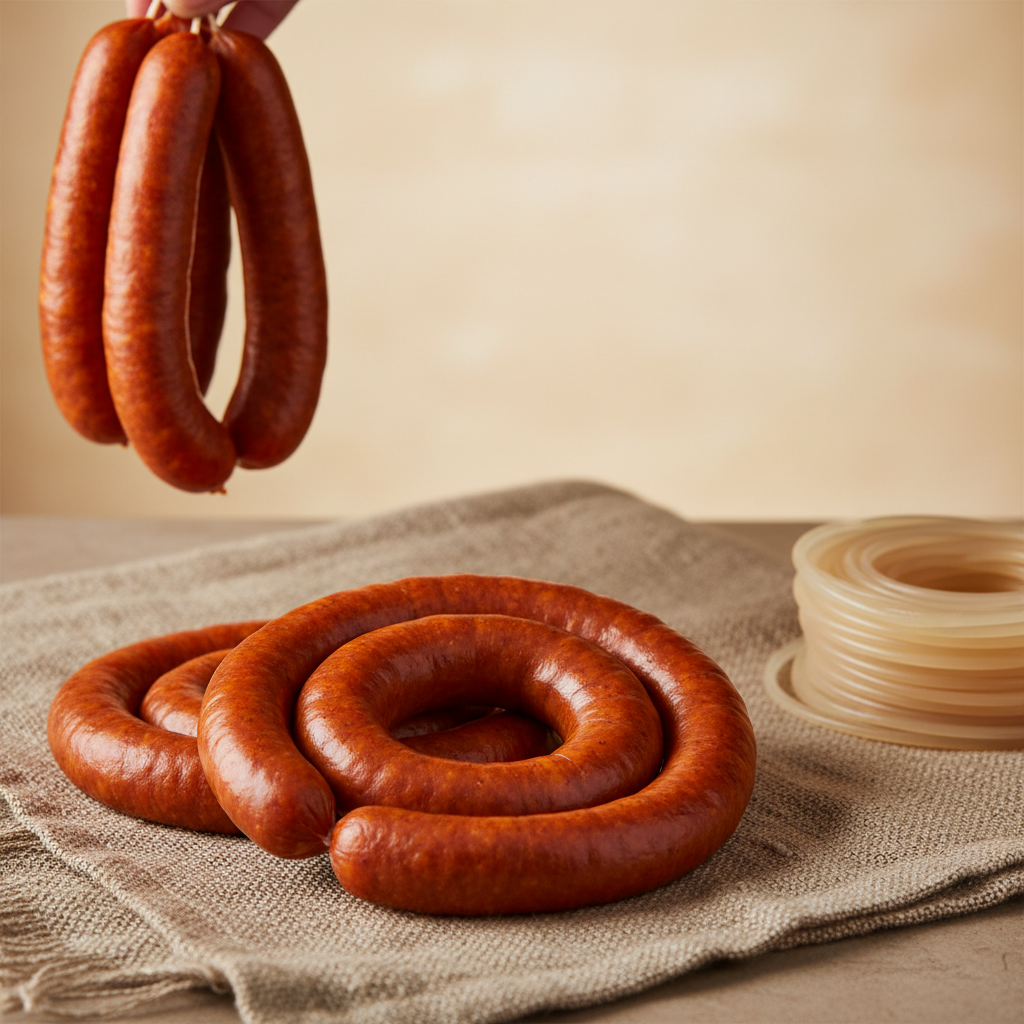
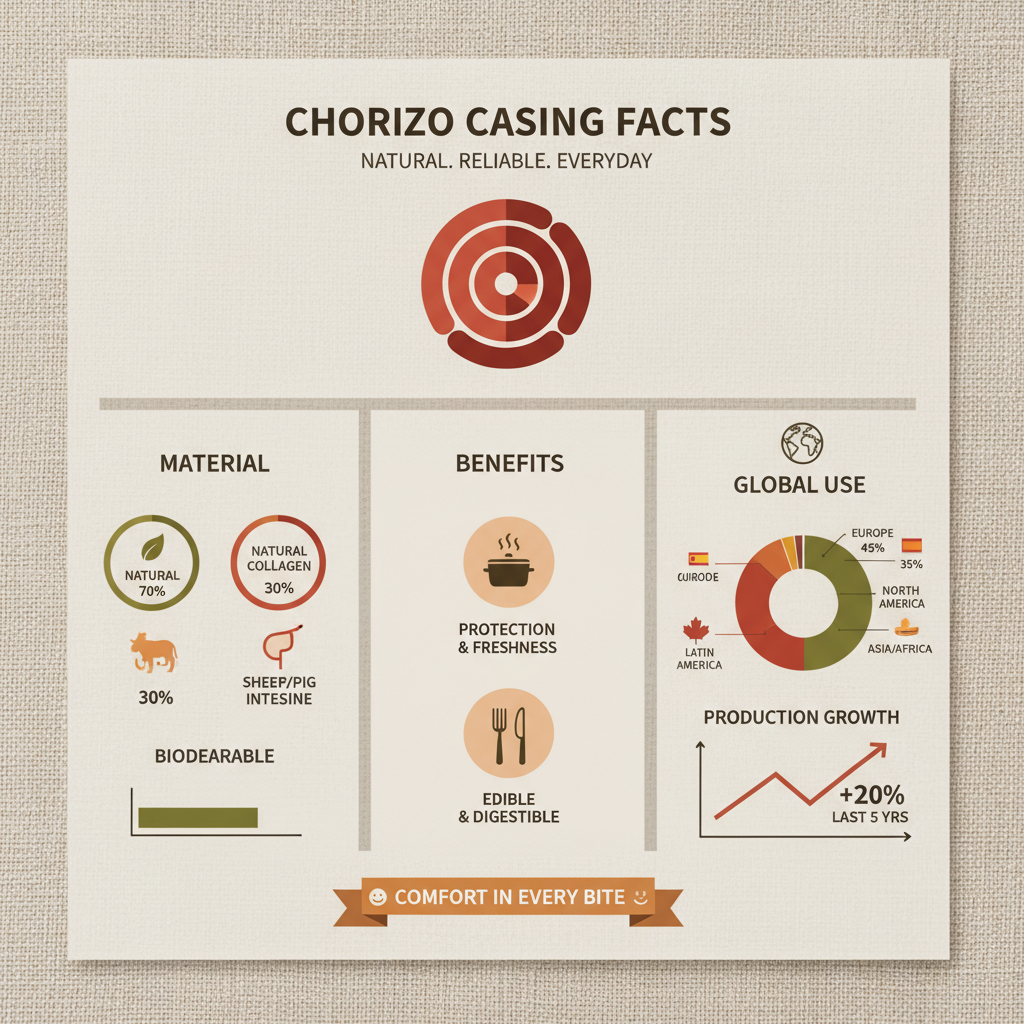
The Crucial Role of Chorizo Sausage Casing in Global Meat Production

The Importance of Chorizo Sausage Casing

The Crucial Role of Chorizo Sausage Casing in Global Meat Production

The quality of chorizo sausage casing directly impacts the final product’s appeal and consumer satisfaction. A well-chosen casing not only contains the meat mixture but also contributes to the sausage’s texture, ‘snap’, and overall eating experience. Manufacturers rely on consistent, high-performing casings to maintain product standards and meet customer expectations.

Effective chorizo sausage casing is integral for controlling the fermentation process within the sausage, contributing to the development of characteristic flavor profiles. Selection impacts processing efficiency, minimizing breakage and ensuring a streamlined production line.

Defining Chorizo Sausage Casing: A Comprehensive Overview

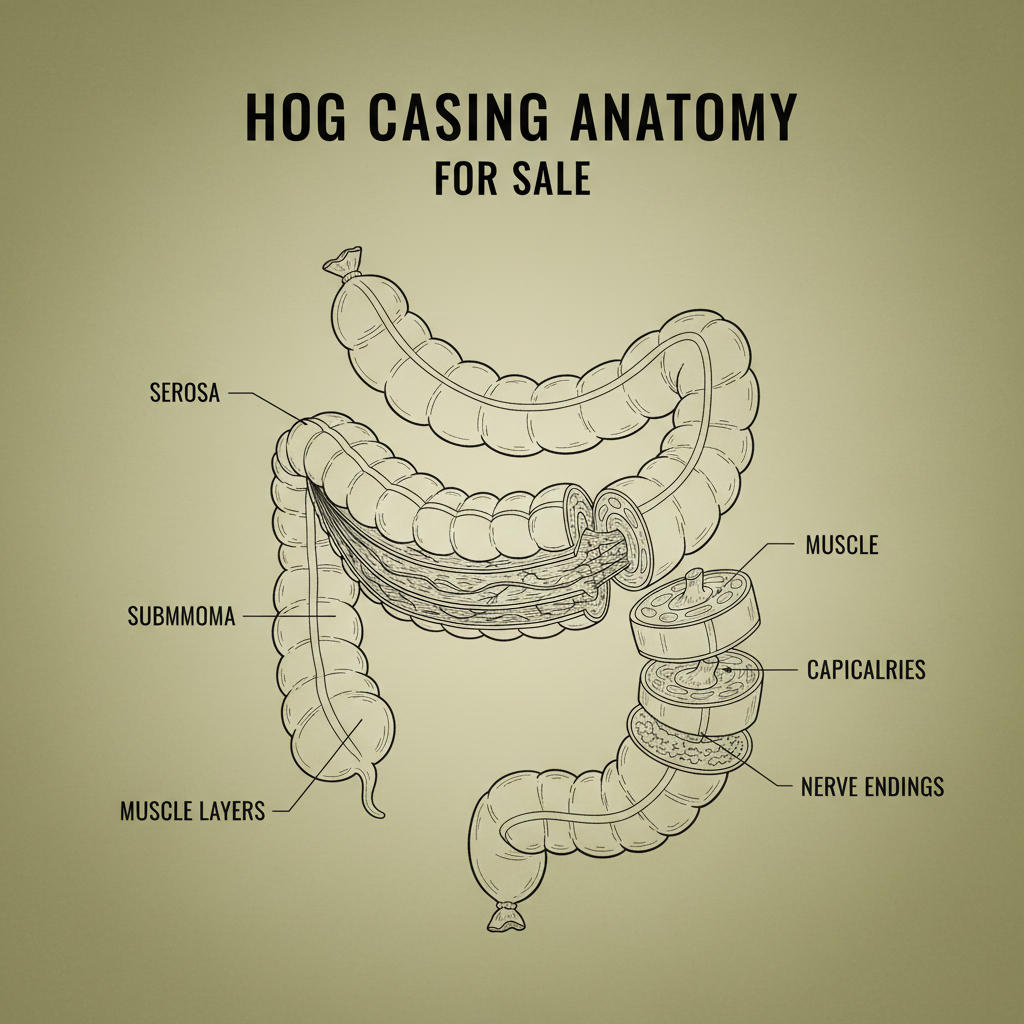
Chorizo sausage casing refers to the outer layer used to contain the meat mixture during processing and cooking. Traditionally, these casings were derived from the intestinal lining of pigs, specifically the small and large intestines. Modern casings, however, encompass a wider range of materials including collagen, cellulose, and even plastic.

The selection of casing material significantly influences the final product characteristics. Natural casings provide a distinct texture and “snap” favored by many consumers. Collagen and cellulose casings offer greater consistency and ease of use, while plastic casings are primarily used for cooked or smoked sausages requiring barrier properties. Understanding the properties of each material is crucial for optimizing the production of chorizo sausage casing.

In the modern food industry, tracing the origin and processing of casings is increasingly important. Consumers are demanding greater transparency and assurance of food safety, driving a need for robust traceability systems and adherence to stringent quality control standards.

Key Characteristics of Superior Chorizo Sausage Casing

Several key characteristics define a superior chorizo sausage casing. First and foremost is consistency in diameter and wall thickness, which ensures uniform filling and optimal sausage shape. This consistency also contributes to efficient slicing and portioning during packaging.

Another crucial factor is permeability. The casing must allow for sufficient gas exchange during fermentation and smoking processes, contributing to the development of the characteristic chorizo flavor and color. However, it must also provide adequate barrier properties to prevent excessive moisture loss or contamination.

Finally, tensile strength and elasticity are paramount. The casing must be strong enough to withstand the stresses of filling, handling, and cooking without tearing or bursting. Its elasticity allows it to expand with the filling and maintain its integrity throughout the production process.

Performance Metrics for Chorizo Sausage Casing

Evaluating the performance of chorizo sausage casing requires careful consideration of several key metrics. These include tensile strength (measured in MPa), elongation at break (%), permeability to gases (cm³/m²/day), and shrinkage rate (%).

These metrics are crucial for ensuring consistent product quality and minimizing production losses. Manufacturers often establish strict specifications for these parameters and conduct regular testing to verify that casings meet their requirements.

Comparative Performance of Chorizo Sausage Casing Types


Global Applications of Chorizo Sausage Casing

Chorizo sausage, and consequently its casing, enjoys widespread popularity across numerous countries and cultures. Spain and Portugal are the traditional heartlands of chorizo production, but its appeal has extended globally, particularly in Latin America and increasingly in North America and Asia.

The specific type of chorizo sausage casing used often varies depending on regional preferences and traditional recipes. In Spain, natural casings remain highly favored, while in some Latin American countries, collagen or cellulose casings are more common due to their affordability and consistency.

Advantages of Using High-Quality Chorizo Sausage Casing

Employing high-quality chorizo sausage casing offers a multitude of benefits for manufacturers. These include reduced product waste due to fewer casing ruptures, improved consistency in product appearance, and enhanced consumer satisfaction.

Furthermore, consistent casing performance streamlines the production process, reducing downtime and improving overall efficiency. This translates into lower production costs and increased profitability.

High-quality casings also contribute to the safety and shelf life of the finished product by providing a reliable barrier against contamination and moisture loss.

Emerging Trends and Future Innovations in Chorizo Sausage Casing

The chorizo sausage casing industry is witnessing several exciting trends. There's a growing demand for sustainable and biodegradable casing materials, driven by consumer concerns about environmental impact.

Research into plant-based casings and casings made from renewable resources is gaining momentum. Furthermore, advancements in casing technology are focused on improving permeability control and enhancing barrier properties.

Digitalization and traceability are also playing a larger role, with manufacturers implementing systems to track casings from origin to finished product, ensuring food safety and transparency.

Core Analysis of Emerging Trends in Chorizo Sausage Casing

Trend Category Impact on Sustainability Impact on Production Costs Adoption Rate (1-10)
Biodegradable Casings High - Reduces plastic waste. Moderate - Initially higher cost. 6
Plant-Based Casings Very High - Renewable resource. High - R&D investment needed. 5
Digital Traceability Moderate - Supports responsible sourcing. Moderate - Implementation costs. 8
Permeability Control Tech Low - Primarily quality improvement. Low - Incremental cost improvements. 7
Enhanced Barrier Properties Moderate - Extends shelf life, reducing waste. Low - Minimal cost increase. 9
Automated Casing Handling Low - Indirectly improves efficiency. Moderate - Requires upfront investment. 7

FAQS

What are the key differences between natural and collagen chorizo sausage casings?

Natural casings, derived from animal intestines, offer a distinct 'snap' and texture that many consumers prefer. They are also permeable, allowing for natural fermentation. Collagen casings, however, provide greater consistency in diameter and strength, are easier to handle, and can be customized for different applications. They generally require less preparation and offer better control over the final product’s appearance. The choice depends on desired product characteristics, cost considerations, and production capabilities.

How do I ensure the proper storage of chorizo sausage casings to maintain their quality?

Proper storage is crucial for preserving the quality of chorizo sausage casings. Natural casings should be refrigerated or frozen, depending on their preparation. Collagen and cellulose casings typically have longer shelf lives when stored in a cool, dry place away from direct sunlight. Always follow the manufacturer's recommendations for optimal storage conditions. Protect casings from moisture, temperature fluctuations, and physical damage to prevent degradation and maintain their integrity.

What is the impact of casing permeability on the flavor development of chorizo?

Casing permeability plays a significant role in the flavor development of chorizo. The casing allows for gas exchange during the fermentation and smoking processes, which contributes to the development of characteristic flavors and aromas. Proper permeability ensures the right balance of oxygen and carbon dioxide, influencing the sausage’s texture and overall taste profile. Controlling permeability is key for achieving consistent product quality.

Are there any regulations regarding the use of chorizo sausage casings?

Yes, the use of chorizo sausage casing is subject to various regulations depending on the country and region. These regulations typically cover aspects such as food safety, hygiene, and traceability. Manufacturers must ensure their casings meet the required standards and comply with relevant labeling requirements. Regulations also govern the materials permitted for use in casings, with restrictions on certain synthetic materials.

How can I minimize casing breakage during the stuffing process?

Minimizing casing breakage requires careful attention to several factors. Ensure the casings are properly hydrated before stuffing. Use a stuffing machine with adjustable pressure and speed settings. Avoid overfilling the casings, and ensure the meat mixture is properly chilled. Regularly inspect the casings for defects before use. Employing skilled operators and maintaining equipment are also crucial for reducing breakage rates.

What are the benefits of using salted casings for chorizo production?

Salted casings offer extended shelf life and reduced spoilage risk compared to fresh casings. The salt acts as a preservative, inhibiting bacterial growth. Salted casings are typically easier to handle and require less preparation. They are particularly well-suited for larger-scale production and long-distance transportation. However, it's essential to carefully control the salt content to avoid affecting the final product's flavor profile.

Conclusion

In conclusion, chorizo sausage casing is a critical component in the production of this globally beloved sausage. Understanding its properties, selecting the right material, and adhering to quality control standards are essential for manufacturers seeking to deliver consistently high-quality products. From traditional natural casings to innovative plant-based alternatives, the industry is continually evolving to meet changing consumer demands and sustainability goals.

Looking ahead, the future of chorizo sausage casing will be shaped by a growing emphasis on sustainability, traceability, and technological innovation. Manufacturers who embrace these trends will be well-positioned to thrive in a competitive market. Visit our website at www.rtcasing.com to learn more about our range of high-quality casings and solutions.

David Miller

David Miller

David Miller is the Chief of the HACCP Group at Runtai (Hebei) Casings Co., Ltd. With a background in food science and safety, David ensures our production processes consistently meet and exceed international standards. He joined Runtai in 2015, bringing with him over 8 years of experience in quality control
Previous Optimizing Meat Production Through Thorough cleaning sausage casings Practices
Next Utilizing Chewy Sausage Casings for Sustainable and Durable Concrete Construction

If you are interested in our products, you can choose to leave your information here, and we will be in touch with you shortly.