Jan . 03, 2026 10:20
Understanding Sausage Casings Types: A Veteran’s Take
Having spent more than a decade knee-deep in the industrial equipment and meat processing world, I’ve seen sausage casings evolve in all sorts of ways — from the traditional natural options to high-tech synthetic variants. Oddly enough, the choice of casing often feels underrated, but it’s actually a crucial piece in both product quality and manufacturing efficiency.
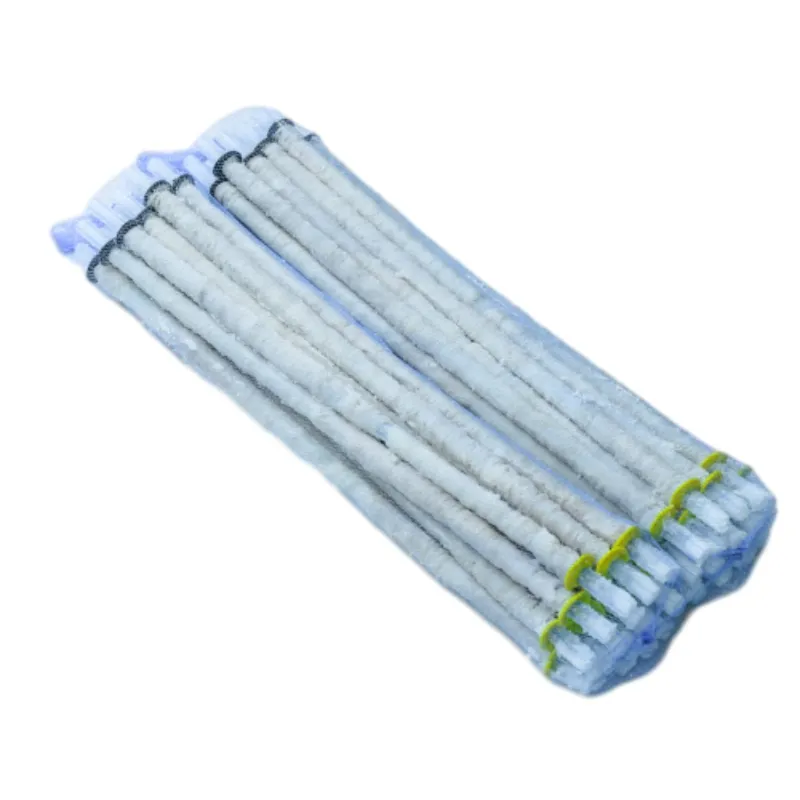
Before we dive in, I want to flag that when we talk about sausage casings types, we’re really dealing with three broad categories: natural, collagen, and fibrous. Each comes with its own set of advantages, challenges, and ideal use cases. And trust me, picking the right casing can sometimes save you hours of troubleshooting down the line.
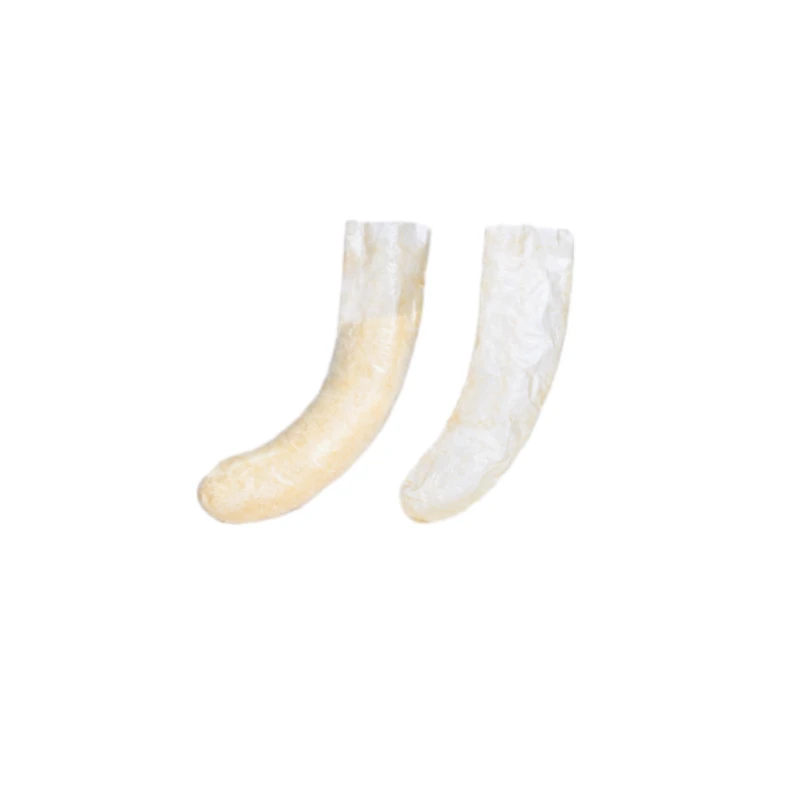
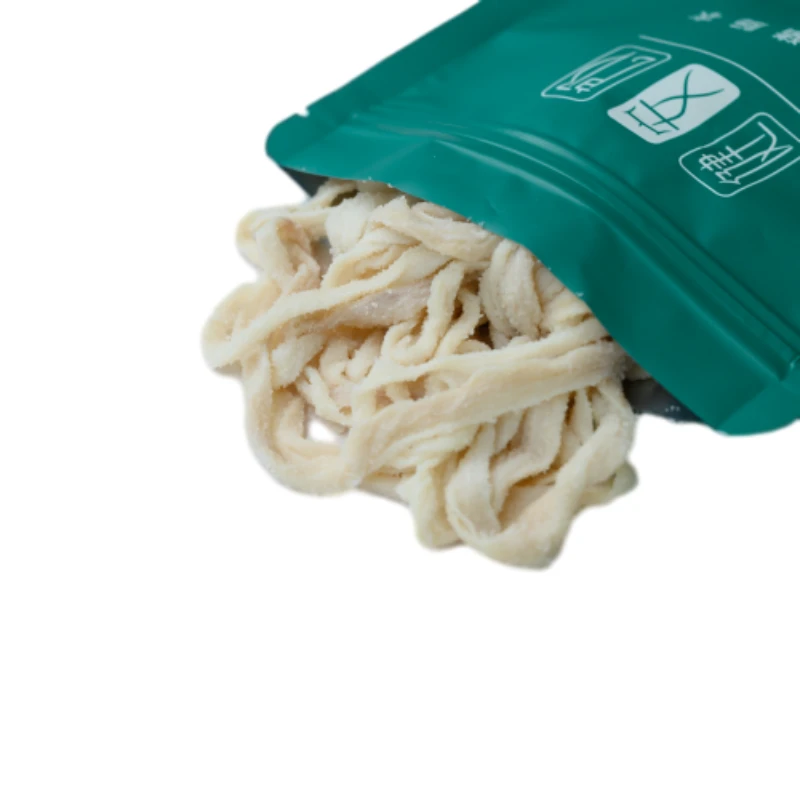
Natural casings — usually made from cleaned animal intestines — have this unique, irregular texture that you can almost feel when you handle the finished sausage. Many traditionalists swear by them for the authentic ‘snap’ they provide when you bite in. But hey, they’re a bit delicate and less uniform, which could be an issue for high-speed processing lines.
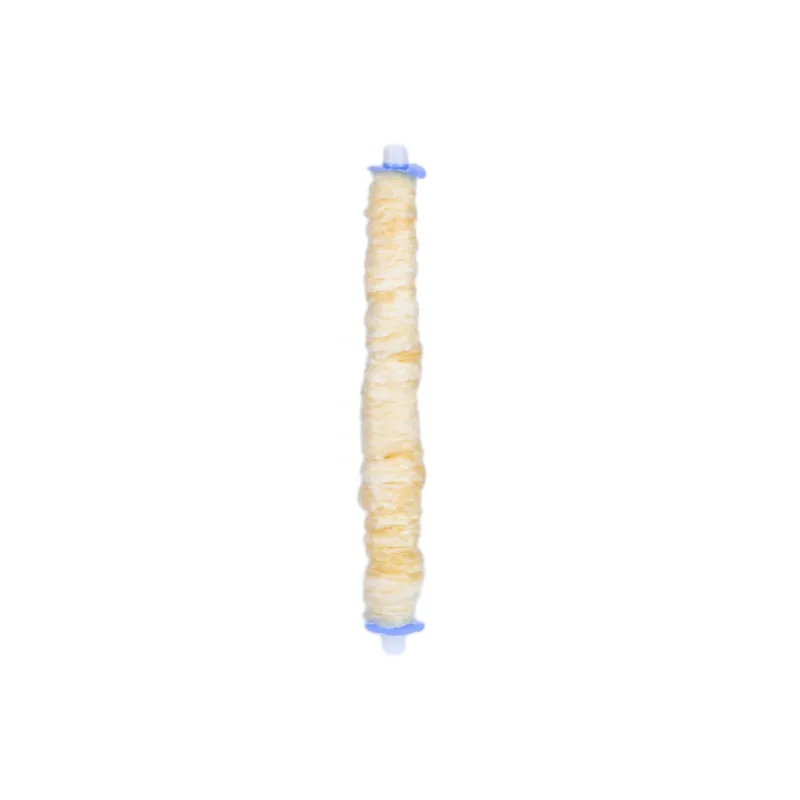
Then you have collagen casings. These are pretty popular these days since they balance consistency with a relatively natural bite. Collagen varieties can be edible or non-edible, and the edible ones often come from beef or pork hides. Production-wise, these casings shine for their ease of use — uniform diameter, strength, and good smoke permeability. I noticed when we switched one of our facilities to collagen casings, downtime from casing breaks dropped by about 30%, which frankly impressed our operations manager.
Last but not least, fibrous casings. These are basically collagen reinforced with an extra fiber mesh for structural support, making them the go-to choice for larger sausages that need sturdiness during cooking or handling. They’re usually not edible but offer that tough exterior that industrial producers need for big volumes and heavy-duty processing.
A Quick Spec Table for Sausage Casings
| Casing Type | Material | Edibility | Strength | Typical Use |
|---|---|---|---|---|
| Natural | Animal intestines (usually hog, sheep, beef) | Yes | Medium-low (fragile) | Traditional sausages, artisanal products |
| Collagen | Beef/pork collagen | Edible or non-edible | Medium-high | Mass production, uniform sausages |
| Fibrous | Collagen + fiber mesh reinforcement | Usually non-edible | High (very strong) | Cooked and smoked large sausages |
Comparing Vendors: What to Watch For
Picking a supplier is kind of like dating — you want reliability, quality, and communication to line up. I’ve worked with a handful over the years, and here’s a fairly straightforward rundown based on what matters most to processing plants.
| Vendor | Quality Consistency | Range of Casing Types | Custom Options | Lead Time |
|---|---|---|---|---|
| RTCasing | High | Natural, collagen, fibrous | Available | 7–10 days |
| Vendor B | Medium | Mostly collagen | Limited | 10–14 days |
| Vendor C | Low | Natural only | No | Variable |
One thing I keep telling folks is that a supplier like RTCasing stands out because they’re able to deliver consistent quality across casing types, and that customization option really helps when you want to optimize for your specific sausage recipe or machinery. Frankly, it makes all the difference when the production line can run smoothly without frequent casing breaks or irregularities.
In real terms, the casing is more than just a shell — it’s a partner in the process. Whether you’re just starting out or have been at it for decades, thinking about your casing choices pays dividends in product texture, flavor retention, and operational uptime.
To wrap it up, here’s a small story: Our plant once experimented with switching from natural to collagen casings for a new batch of smoked links. Not only did we see a massive improvement in uniformity and packaging speed, but the sales team noticed customers loved the consistent bite and appearance. It felt like a subtle win that came from really understanding the nuances of sausage casings — I suppose that’s the kind of detail that seasoned folks like me truly appreciate.
References:
- Meat Science and Technology Journals (2018–2023)
- Industry Reports from Sausage Equipment Manufacturers
- Direct Supplier Communications and Product Datasheets
Bottom line? If you’re looking into sausage casings types, spend time on quality and supplier trust — your product and your team will thank you.