Dec . 05, 2025 15:22
Why Salted Hog Casing Matters in Today’s Global Market
Salted hog casing might sound like something a charcuterie enthusiast only needs to care about, but in reality, it's a vital commodity with global significance. For decades, producers and processors worldwide have relied on this natural material to create high-quality sausages and specialty foods. Beyond food, its traditional, yet dependable qualities have helped sustain livelihoods and cultural identities. Understanding salted hog casing—what it is, why it’s chosen, how it’s used—gives you a peek behind the scenes of an entire industry driven by tradition and innovation.
Global Context: Why Salted Hog Casing Still Counts
According to the Food and Agriculture Organization (FAO), the global meat market continues to grow steadily, with pork being one of the leading proteins consumed worldwide. The salted hog casing industry supports this demand directly, serving local producers in Europe, Asia, and North America. Oddly enough, while synthetic casings have become popular for mass production, salted hog casing remains preferred for authentic, artisanal sausages prized in many cultures.
However, there’s a challenge: sourcing consistent-quality casings is tricky. Supply chains often get tangled amid fluctuating livestock availability, hygiene standards, and transport demands. This tension pushes companies and governments to look for reliable, traceable sources of salted hog casing to meet both consumer expectations and export demands.
What Exactly is Salted Hog Casing?
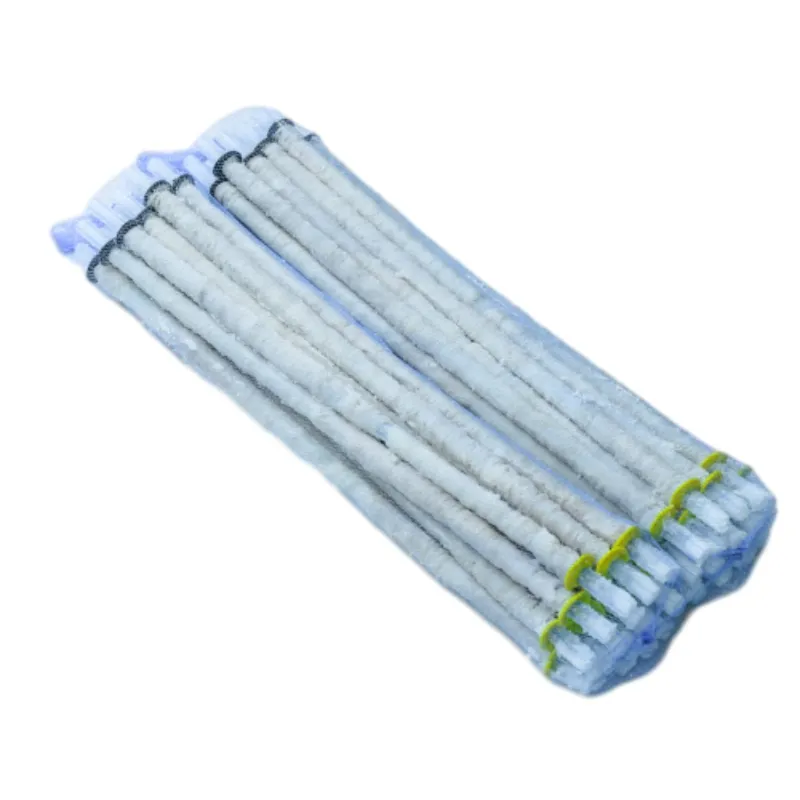
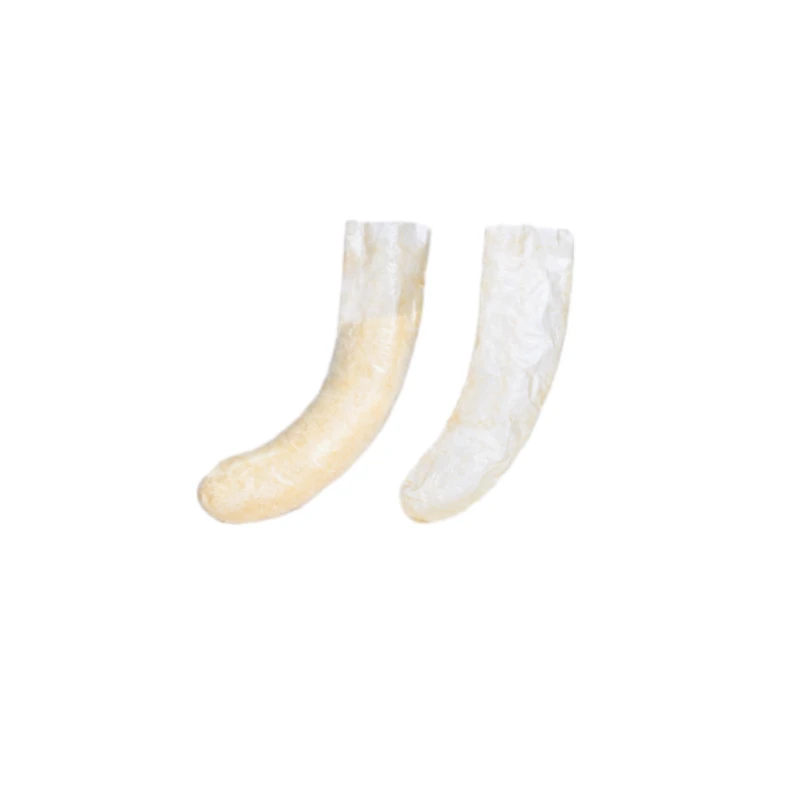
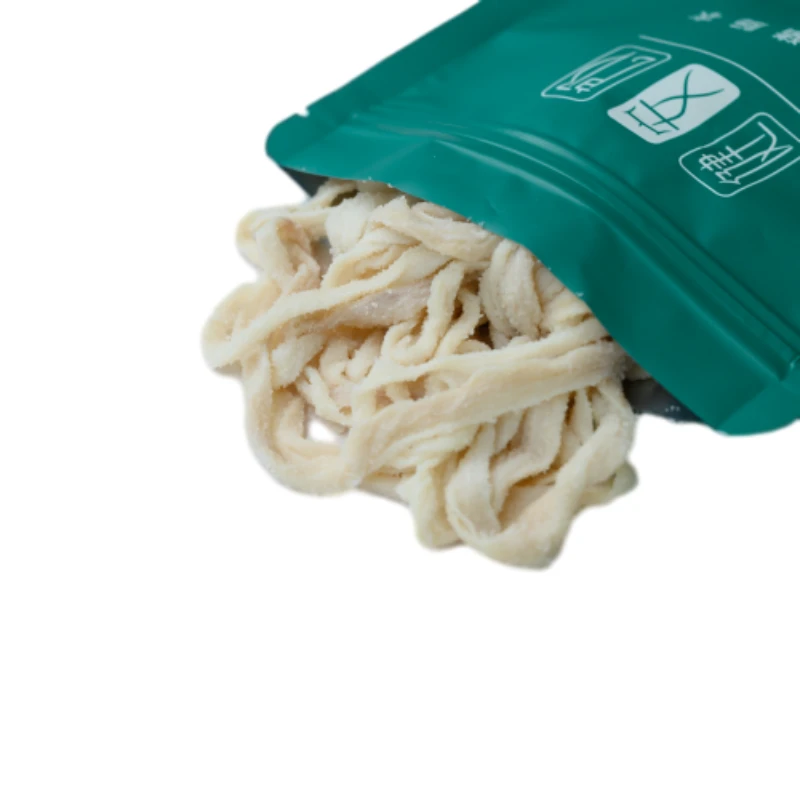
Simply put, salted hog casing is the cleaned, preserved intestine of pigs, mainly used as sausage casings. After removal, the intestines are rinsed and packed in salt, which preserves their texture and prevents spoilage during transport. This natural casing provides a unique snap and bite to sausages, impossible to fully replicate by synthetic alternatives.
In the modern food industry, salted hog casings bridge the old and the new. They fit small artisanal operations perfectly and scale to some industrial needs. Plus, they align with growing consumer demand for natural ingredients and cleaner labels.
Key Characteristics Driving Salted Hog Casing Utility
Durability and Strength
One of the reasons salted hog casing is so prized is that its collagen-rich structure makes it incredibly strong and flexible. This is essential when filled, cooked, or smoked — it must hold shape but also be edible without tearing. Many producers have told me it’s the “gold standard” for texture in premium sausages.
Natural Preservation
The salting process itself acts as a natural preservative. Salt draws moisture out, preventing bacterial growth during shipping and storage. It's old-fashioned, yes, but sometimes old school beats the high-tech stuff, especially when refrigeration isn’t guaranteed.
Scalability and Supply
Because pig farming is common across many regions—especially in Europe and parts of Asia—the supply of hog intestines is relatively reliable. However, processing facilities that meet hygiene and food safety standards remain uneven globally. This limits availability to some extent but also supports local economies when efficiently managed.
Cost Efficiency Compared to Synthetics
Though the upfront cost of salted hog casings tends to be marginally higher than synthetic casings, many producers find the overall value better. This is due to reduced waste (less tearing, fewer returns), and premium product reputation that can command higher prices in gourmet markets.
Salted Hog Casing in Real-World Applications
Where does salted hog casing really flex its muscles? The obvious answer is sausage-making, but even within that, the details matter.
- Traditional Sausages: In German bratwurst, Spanish chorizo, or Chinese lap cheong, salted hog casing preserves authentic textures and flavors — crucial in markets where tradition rules.
- Small & Medium Enterprises: Many local butchers and artisanal makers rely on these casings because they’re local, natural, and aligned with their handmade ethos.
- Export Markets: European exporters seek premium salted hog casing to satisfy demanding overseas markets in North America and Asia, where “natural” and “traditional” mean quality.
For example, in post-disaster relief efforts, access to reliable, preserved food sources like sausages using salted hog casing can be part of food aid packages where refrigeration is limited. It's an odd but practical application that many overlook.
Advantages & Long-Term Value of Salted Hog Casing
If you think about it, salted hog casing represents a balance — between tradition and modern food production demands. Its sustainability roots come from being biodegradable and sourced from byproducts otherwise wasted. Unlike plastic-based synthetic casings, it naturally decomposes, appealing to eco-conscious brands.
Emotionally, consumers tend to trust natural casings more. They evoke a sense of authenticity and artisan skill, which helps brands build loyalty. Logically, producers benefit from the casing’s reliability during manufacture, less product loss, and better end-user satisfaction.
Future Trends & Innovations Impacting Salted Hog Casing
There’s been a slow but steady shift toward better hygiene and traceability in salted hog casing production. Blockchain and supply chain transparency software increasingly make rounds here, reassuring buyers on origin and safety.
On the materials side, while synthetics fight their way in with price and consistency, an emerging trend is hybrid casings: natural intestine enhanced with thin polymer coatings to extend shelf life and ease handling.
Finally, sustainability efforts encourage producers to optimize the salting and rinsing processes to reduce water and salt usage without compromising preservation. These small but important tweaks respond to tightening environmental regulations globally.
Challenges in the Salted Hog Casing Industry & How to Tackle Them
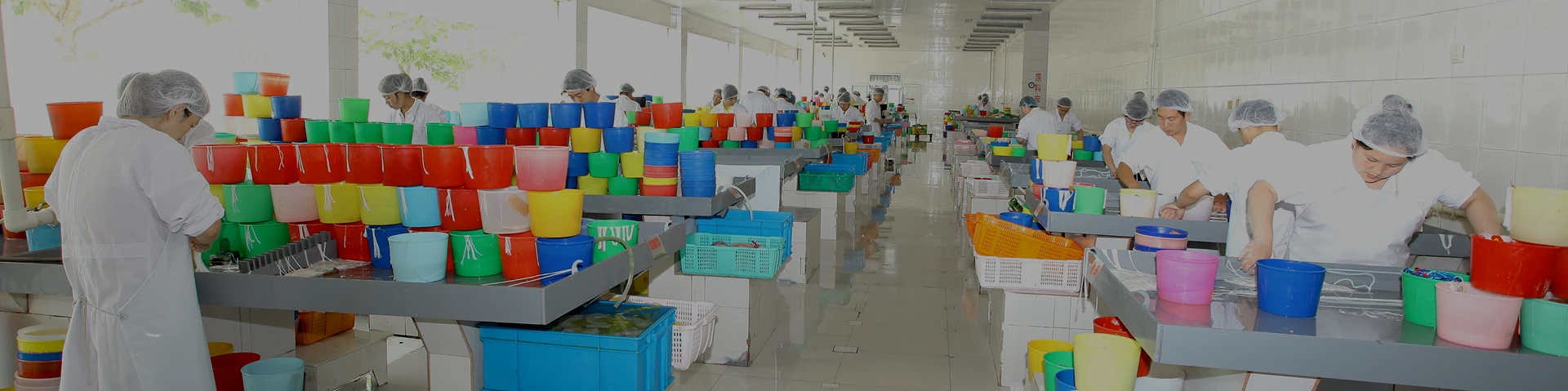
The most persistent challenges are contamination control, supply chain unpredictability, and inconsistent sizing between batches. In talks with industry specialists, the consensus is investing in modern processing facilities — with better monitoring and quality control — is a must for scaling.
Innovations like automated casing sorting and grading systems help boost uniformity, while partnership models between farms and processors stabilize supply. Lastly, educating buyers about proper casing storage is key; even salted products spoil when neglected.
Product Specification Table: Typical Salted Hog Casing Qualities
| Specification | Details |
|---|---|
| Diameter Range | 16 - 28 mm (varies by product type) |
| Salt Concentration | ~18-20% by weight for preservation |
| Shelf Life (Unopened) | 8-12 months at 0-5 °C |
| Tensile Strength | 30-40 N (approximate) |
| Source | High-quality pig intestines from approved farms |
Vendor Comparison: Leading Salted Hog Casing Suppliers
| Vendor | Origin | Price (per kg) | Certifications | Specialty |
|---|---|---|---|---|
| FreshGut Corp. | Germany | $9.50 | ISO 22000, HACCP | Premium consistency |
| PureSkin Naturals | China | $7.20 | ISO 9001 | High volume output |
| Tradition Casings Ltd. | USA | $10.30 | USDA Organic, HACCP | Organic & specialty hog casings |
Frequently Asked Questions About Salted Hog Casing
Is salted hog casing better than synthetic casings for commercial sausage production?
It depends on your target market. Salted hog casing offers superior texture and is preferred in premium or traditional sausages. Synthetic casings excel in consistency and lower cost for mass production, but they lack the natural bite many consumers expect.
How long can salted hog casings be stored before use?
When properly salted and refrigerated at 0-5 °C, casings can last between 8 to 12 months unopened. Once rinsed and prepared, they should be used within 48 hours for best quality.
Can salted hog casing be imported internationally? What are typical restrictions?
Yes, salted hog casings are widely traded internationally. However, import regulations vary by country and often require compliance with food safety certifications and veterinary health inspections to prevent disease transfer.
How do I ensure quality when sourcing salted hog casing?
Look for suppliers with strong certifications like ISO 22000 and HACCP, who publicly document their processing hygiene and source quality. Sampling and small test orders help verify consistency before large purchases.
What are some tips for storing salted hog casing at a small artisanal facility?
Keep casings in a cool environment, ideally refrigerated between 0-5 °C. Avoid exposure to air and moisture after opening. Daily rinsing for at least 30 minutes before use helps remove excess salt and prepare them for stuffing.
Wrapping Up: Why Salted Hog Casing Still Holds Its Ground
In a world rushing towards synthetic and industrial alternatives, salted hog casing quietly remains essential for many producers worldwide. It carries centuries-old tradition but meets today’s demands for quality, sustainability, and authenticity. Whether you’re crafting local delicacies or exporting internationally, understanding this natural casing unlocks many benefits — from texture to trust.
Curious to explore salted hog casing options or speak with industry experts? Feel free to visit our website for more information and tailored support.
Mini Summary
- Salted hog casing is a time-tested natural product crucial in authentic sausage making.
- Its strength, preservation, and sustainability make it preferred over synthetics in many uses.
- Global demand continues despite some supply challenges and evolving industry standards.
- Innovation focuses on hygiene, traceability, and environmental impact reduction.
References:
1. FAO - Global Meat Market Overview: faostat.fao.org
2. ISO Food Safety Standards: iso.org
3. USDA Organic Certification: usda.gov