Dec . 04, 2025 01:32
20mm Sausage Casing Factories: A Look Inside the Industry
Having worked hands-on in the industrial equipment sector for over a decade, I’ve noticed that when people think of sausage casings, they rarely pause to consider the complexity behind making them, especially those 20mm varieties so common in many markets. Oddly enough, these seemingly simple tubes have entire factories dedicated to their production, sourcing, and customization. Today, I thought I’d share what I’ve learned about 20mm sausage casing factories – you know, the places where quality meets precision on a surprisingly granular level.
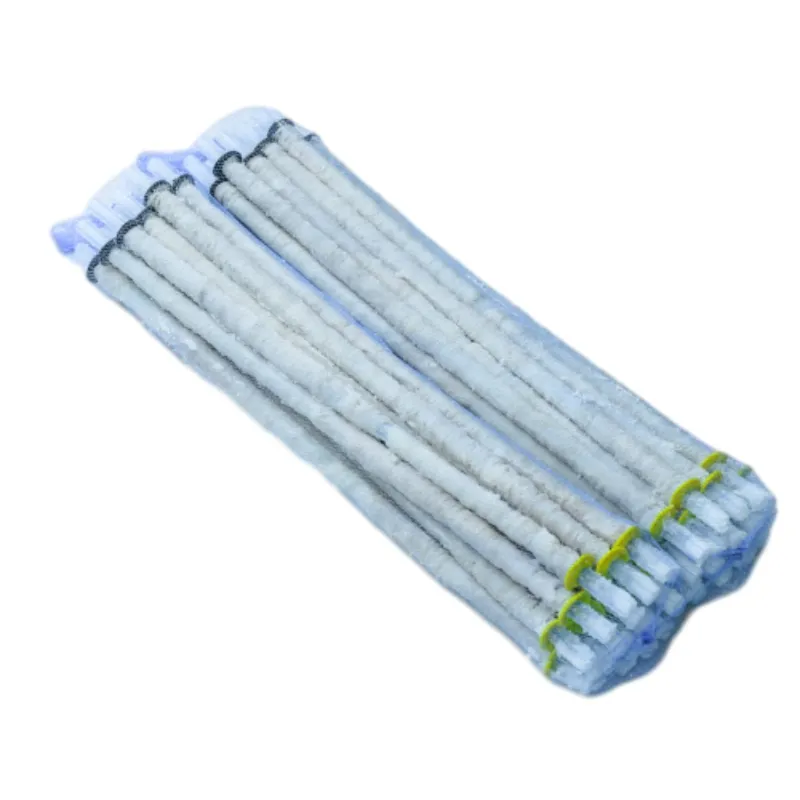
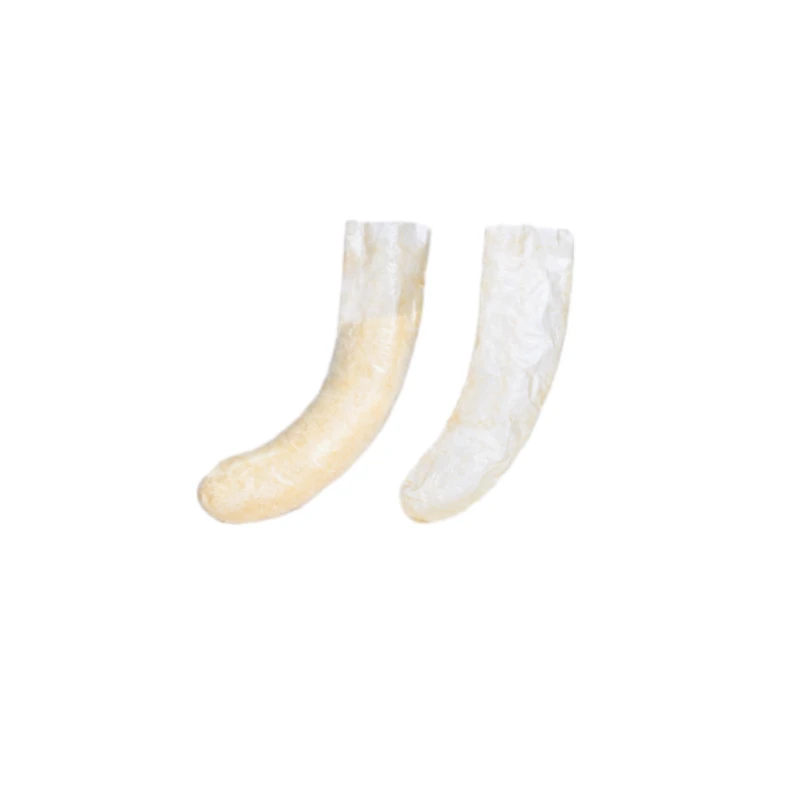
First off, let’s talk materials. While natural casings (like hog or sheep intestines) maintain their place in artisan circles, most factory-produced 20mm casings are made from collagen or cellulose. Collagen casings, frankly, offer a combination of strength and elasticity that many processors find essential, especially for automated sausage linkers. I recall visiting a plant where they were fine-tuning collagen formulations to meet various softness and permeability standards – it’s not just plug-and-play.
Customization is key here. Many factories offer adjustable diameter tolerances, coloration, and even surface treatments to help casing performance during smoking or cooking. That flexibility was what impressed me the most; it drives home how technical the process truly is. Testing rigs evaluate tensile strength, hydration levels, and even microbial safety before these casings ever hit the production lines of meat processors.
| Specification | Detail |
|---|---|
| Diameter | 20 ± 0.3 mm |
| Material | Collagen / Cellulose |
| Length per bundle | 50 m to 200 m |
| Moisture Content | 35%-45% |
| Tensile Strength | 3.5–5.5 N/mm² |
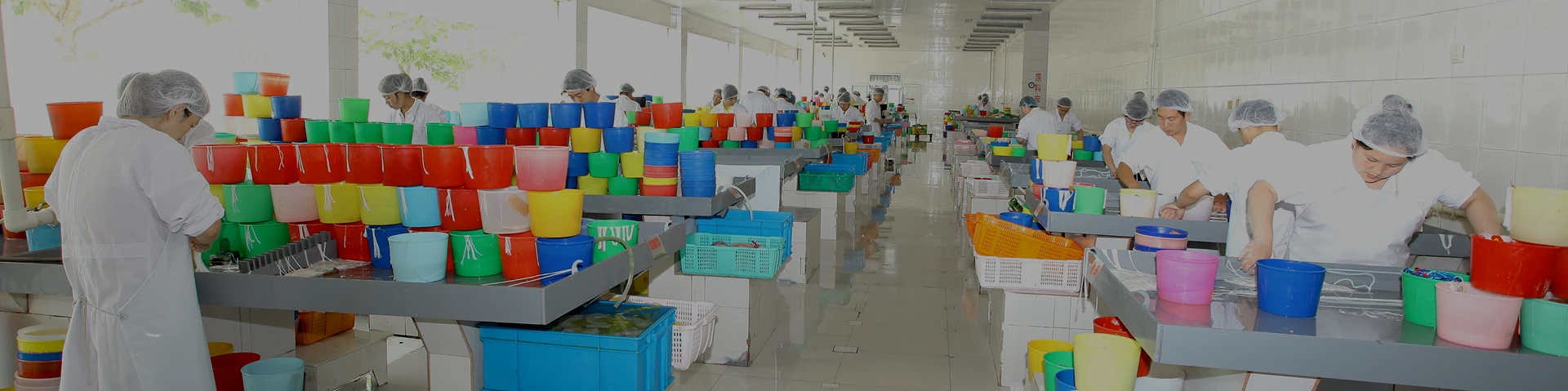
Now, about the factories themselves. I visited factories across a few countries that stood out for efficiency and innovation. One thing many engineers say is that not all casing factories are created equal. Some prioritize volume over quality, which can translate into more frequent breakage on packaging lines. Others have made substantial investments in automated quality control – high-res cameras, laser profilometry, moisture sensors – it’s like manufacturing meets high-tech science.
| Vendor | Material Options | Customization | Quality Control Level | Typical Lead Time |
|---|---|---|---|---|
| RTCasing | Collagen, Cellulose | Diameter, Color, Surface | Automated & Manual Checks | 4-6 weeks |
| Generic Supplier A | Primarily Collagen | Limited | Manual Only | 6-8 weeks |
| Industrial Casings Ltd. | Cellulose Focused | Average | Some automation | 5-7 weeks |
One little story that stuck with me: a mid-sized meat processor was struggling with frequent casing breaks — lots of downtime, frustrated line workers. After switching to a more reliable, customizable 20mm casing supplier, the downtime dropped dramatically. They emphasized how a better casing was “almost invisible” in their daily ops – it just worked, seamlessly, every time. That kind of reliability makes all the difference in real terms.
To wrap it up, 20mm sausage casing factories blend traditional material expertise with surprisingly high-tech quality protocols. While smaller suppliers might cut corners, those that invest in automation and customization tend to raise the bar — and frankly, that’s what the industry needs if we want machines humming smoothly and end products tasting great. For anyone dipping toes into this niche, knowing the factory’s capabilities is half the battle won.
If you’re curious to explore a reputable option, do check out 20mm sausage casing factories like RTCasing, whose product lines and quality controls stood out in my experience.
At the end of the day, it's a small component worth big attention.
References:
1. Industry visits and interviews, 2019-2023.
2. Material Testing Protocols Manual, 2022.
3. Feedback from mid-sized sausage producers, 2021.