Apr . 07, 2026 02:35
Understanding Intestine Sausage Casing: A Comprehensive Guide
Intestine sausage casing is a vital component in sausage making, providing the necessary structure and texture for a wide variety of products. From traditional European sausages to modern American favorites, the casing plays a critical role in both the appearance and eating experience. This article delves into the different types of intestine sausage casing, their applications, advantages, and considerations for choosing the right casing for your specific needs. We’ll explore both natural and synthetic options, providing valuable insights for sausage manufacturers and enthusiasts alike.
Types of Intestine Sausage Casing
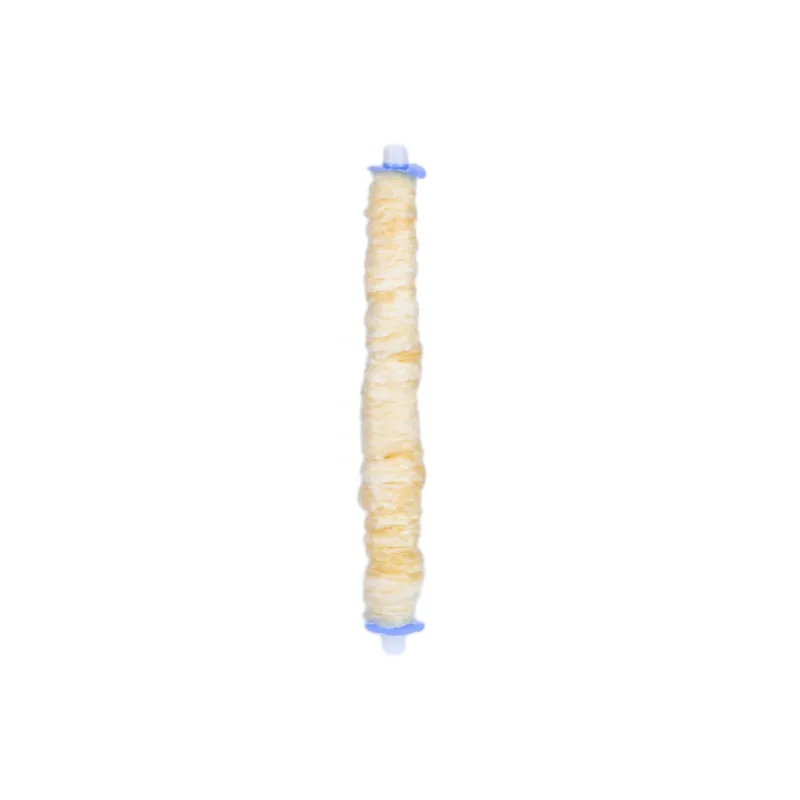
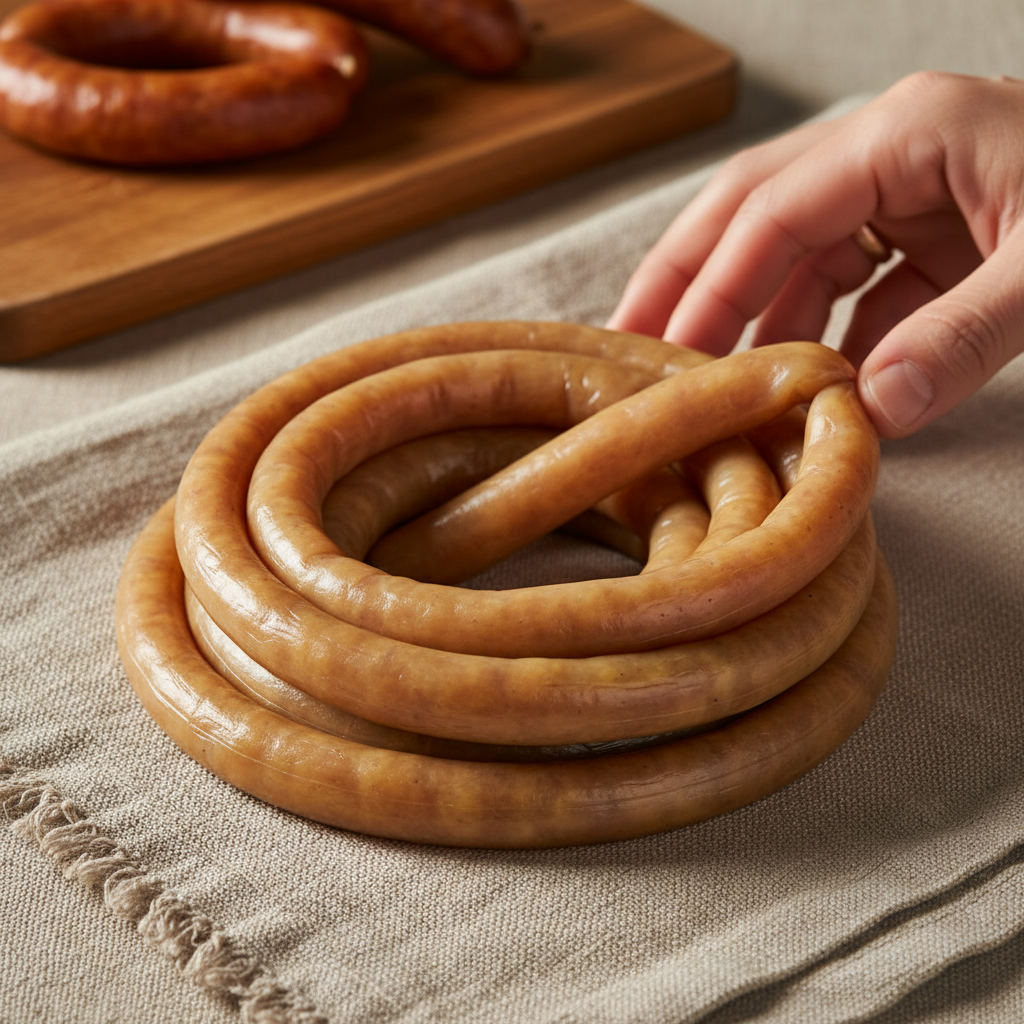
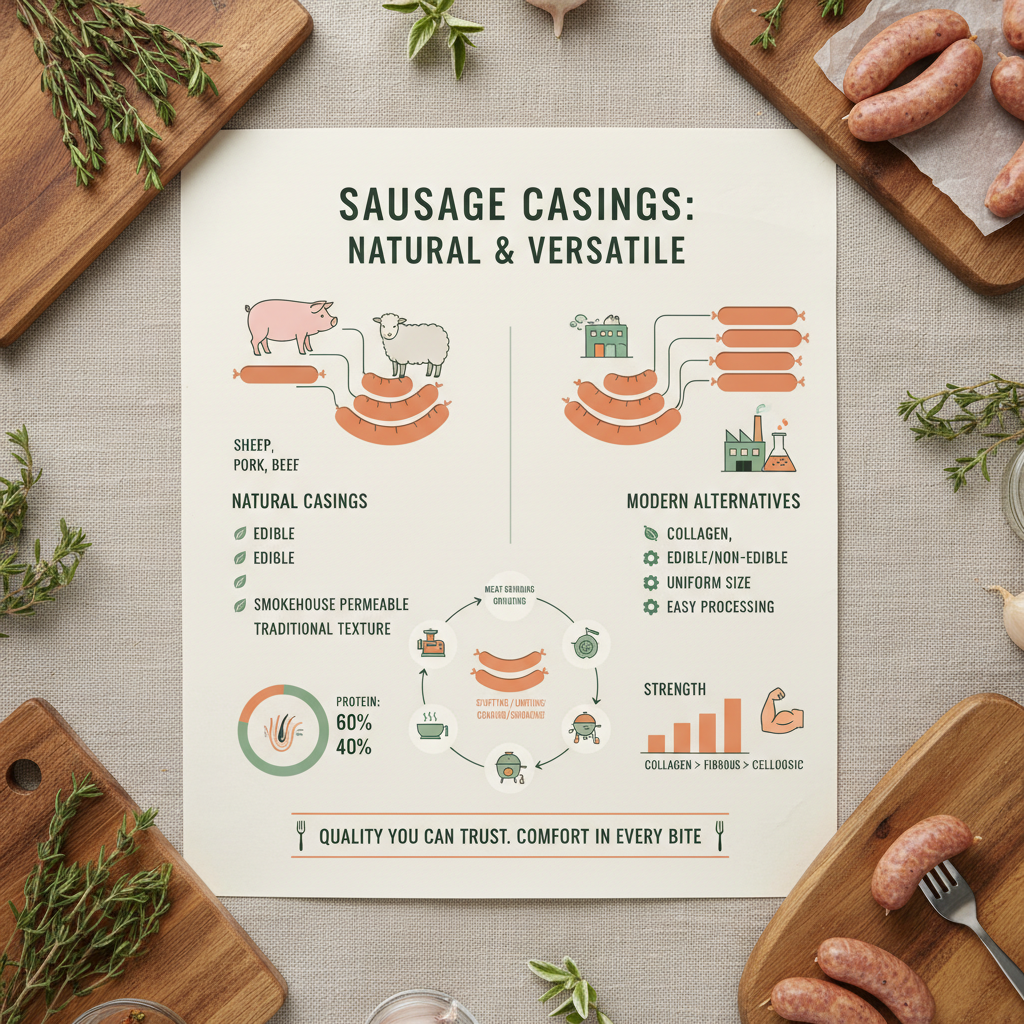
Intestine sausage casing broadly falls into two categories: natural and synthetic. Natural casings are derived from the intestinal walls of animals – typically pigs, sheep, and cattle. Synthetic casings, on the other hand, are manufactured from materials like collagen, cellulose, or plastic. Each type offers distinct advantages and disadvantages, impacting the final product's texture, appearance, and shelf life. Natural casings provide a characteristic snap and texture, favored for traditional sausages. Synthetic casings offer consistency in size and shape, as well as enhanced processing efficiency.
Key Highlights: Natural casings offer superior texture and traditional flavor, while synthetic casings provide consistency and processing advantages.
Natural Intestine Sausage Casing: Varieties and Benefits
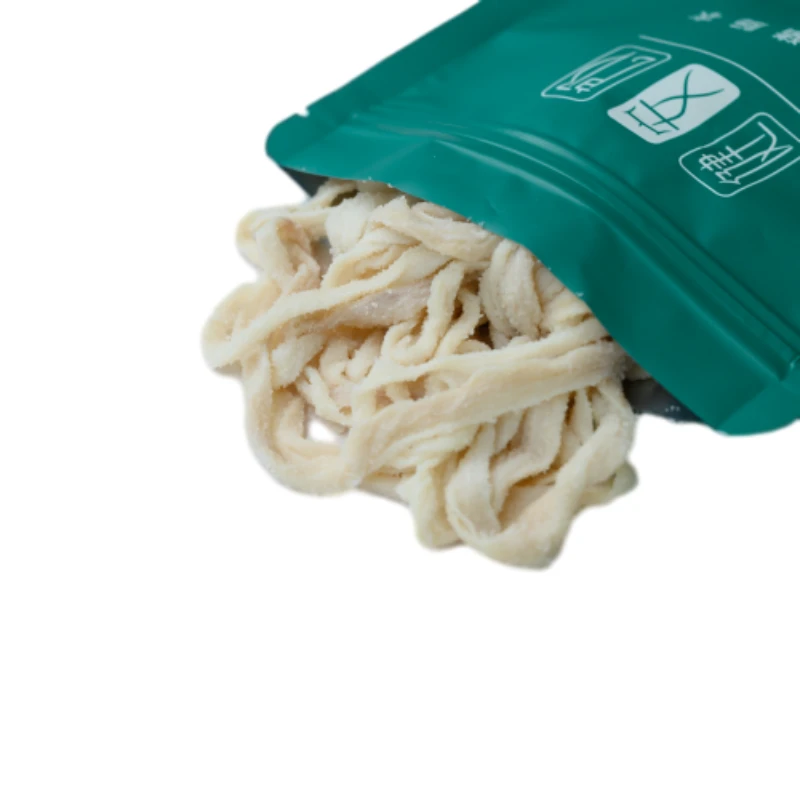
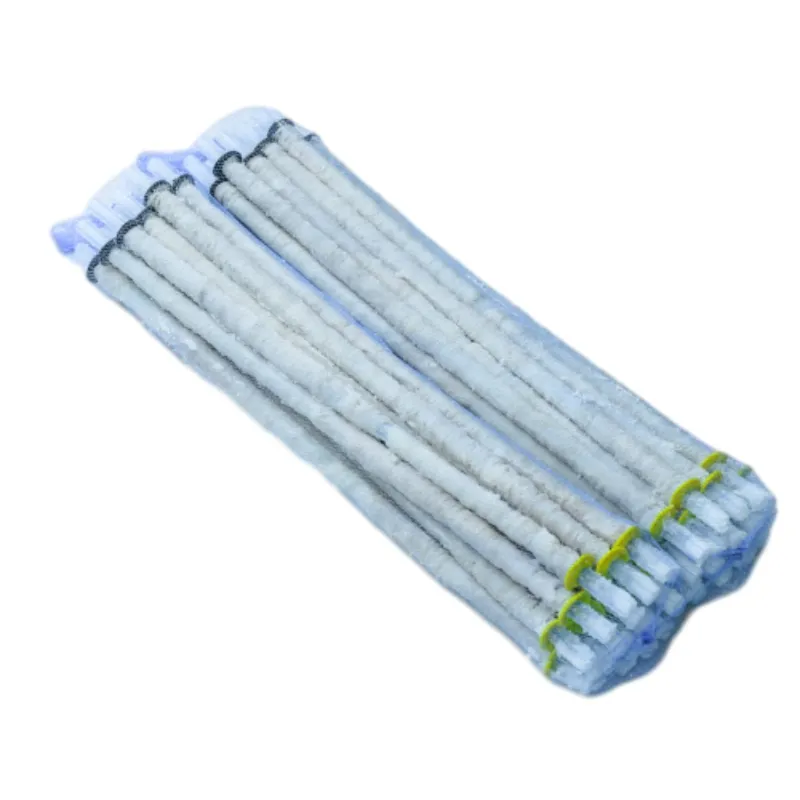
Natural casings are prized for their ability to breathe, allowing smoke to penetrate during cooking, resulting in a more flavorful sausage. The most common types include hog casings (from pigs), sheep casings (narrower, used for smaller sausages), and beef casings (larger, used for bologna and other large-diameter products). Hog casings are particularly popular due to their versatility and availability. Careful preparation – including cleaning, soaking, and salting – is crucial to ensure optimal performance. Choosing high-quality natural casings is essential for achieving the desired texture and appearance in your sausages. RTCasing provides high quality natural casing options.
Benefits of Natural Casings:
• Superior texture and ‘snap’
• Allows for smoke penetration during cooking
• Traditional flavor profile
• Biodegradable and edible
Synthetic Intestine Sausage Casing: Collagen and Cellulose Options
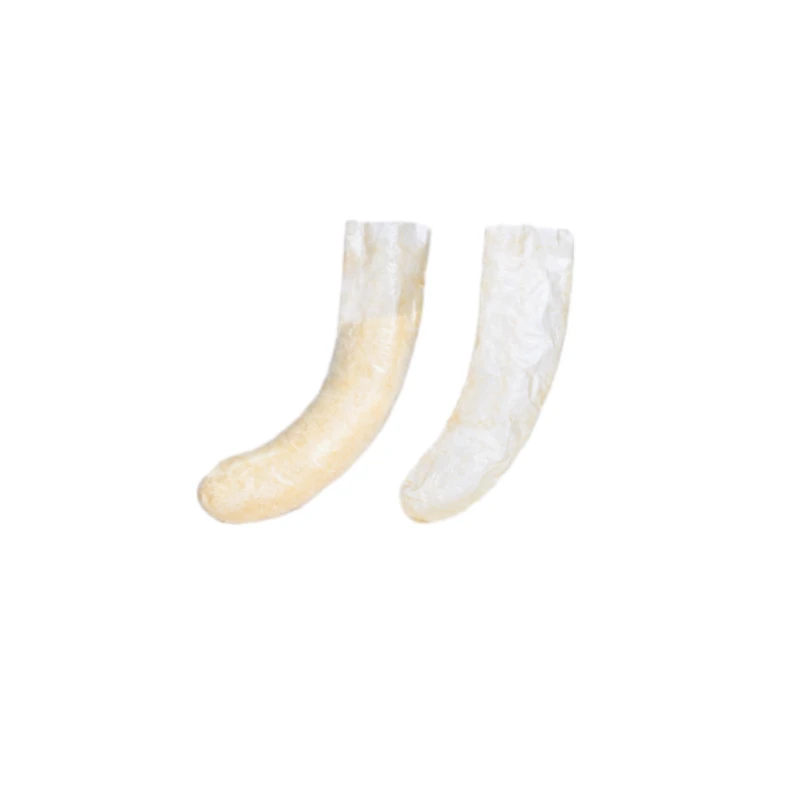
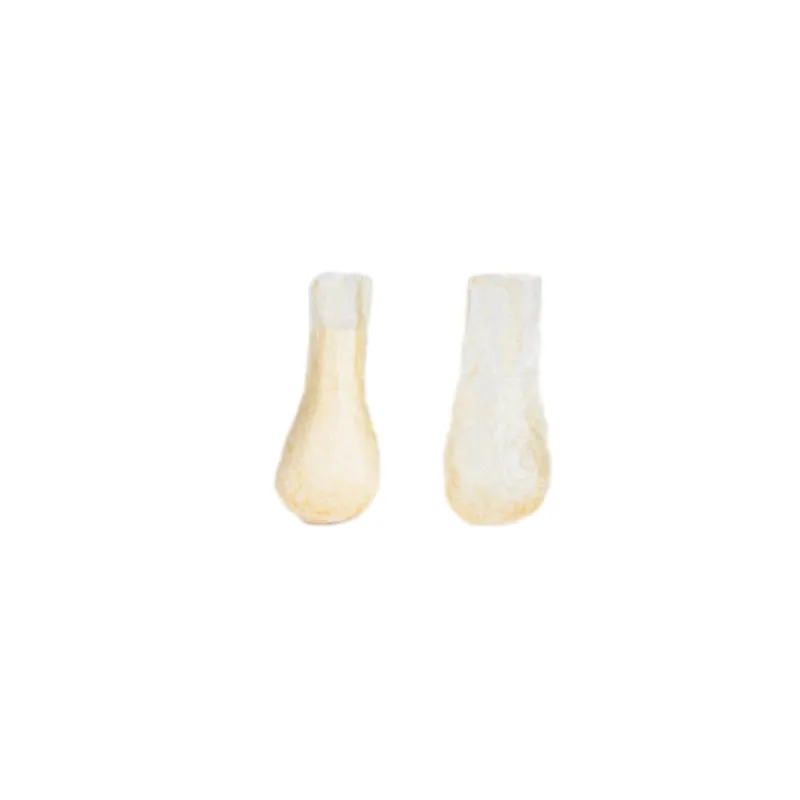
Synthetic casings offer a cost-effective and consistent alternative to natural casings. Collagen casings are made from the collagen found in animal hides and provide a texture similar to natural casings, although with less ‘snap’. Cellulose casings are derived from wood pulp and are typically used for emulsified sausages like hot dogs and bologna. They are often removed after cooking, leaving a skinless product. Plastic casings, although less common for traditional sausages, are used for certain applications requiring extended shelf life. Choosing the right synthetic casing depends on the desired texture, appearance, and processing requirements.
Selecting the Right Intestine Sausage Casing for Your Product
The choice between natural and synthetic casing depends on several factors, including the type of sausage being produced, desired texture, cost considerations, and processing capabilities. For artisanal sausages emphasizing traditional flavor and texture, natural casings remain the preferred choice. For high-volume production of emulsified sausages, cellulose casings offer efficiency and cost savings. Understanding the properties of each type allows manufacturers to optimize their products and meet consumer expectations. RTCasing offers a consultation service to help you determine the best casing for your needs.
Conclusion: Ensuring Quality and Consistency in Sausage Production
Intestine sausage casing is a crucial element in the art of sausage making. Whether you opt for the traditional appeal of natural casings or the consistent performance of synthetic options, selecting the right casing is paramount to achieving a high-quality product. By understanding the properties, benefits, and applications of each type, you can ensure your sausages deliver the flavor, texture, and appearance that consumers demand. Trusting a reliable supplier like RTCasing is vital for securing consistent quality and reliable supply.
Frequently Asked Questions (FAQs)
What is the shelf life of intestine sausage casing?
The shelf life varies depending on the type of casing and storage conditions. Natural casings, when properly salted and refrigerated, can last for several months. Synthetic casings generally have a longer shelf life, often exceeding a year. However, it's crucial to follow the manufacturer's instructions for storage. Exposure to moisture, heat, and sunlight can significantly reduce shelf life. Proper storage in a cool, dry, and dark environment is essential to maintain casing quality and prevent spoilage. Always check the expiration date before use.
How do I prepare natural intestine casings for use?
Preparing natural casings involves several steps: First, rinse the casings thoroughly with cold water to remove excess salt. Then, soak them in cold water for several hours, changing the water frequently. This rehydrates the casings and makes them pliable. Next, gently flush the inside of the casings with water to ensure they are clean. Finally, carefully inspect the casings for any tears or defects before use. Proper preparation is crucial for preventing breakage during stuffing and ensuring a smooth, consistent product.
Are synthetic casings edible?
The edibility of synthetic casings depends on the material. Collagen casings are edible, while cellulose casings are often removed after cooking, making them non-edible. Plastic casings are not edible and must be removed. It’s important to check the manufacturer's specifications for each type of casing to determine its edibility. Choosing an edible casing can reduce waste and simplify the production process, but careful consideration must be given to consumer preferences and regulatory requirements.
What size intestine casing should I use for my sausages?
The appropriate casing size depends on the diameter of the sausage you want to produce. Hog casings are typically used for larger sausages, while sheep casings are ideal for smaller varieties. Synthetic casings are available in a wide range of diameters to accommodate different product specifications. Consider the filling process and the desired final appearance when selecting a casing size. Consulting with a casing supplier like RTCasing can help you choose the optimal size for your specific needs.