Dec . 13, 2025 14:30
How to Use Casings for Sausage: Insights from the Industrial Trenches
Having spent quite a few years in the industrial equipment sector, especially around meat processing, I’ve come to appreciate the unsung hero of great sausage: the casing. It might seem like a simple component, but picking and using the right casings honestly makes or breaks the product’s texture, shelf life, and customer satisfaction.
Understanding casings for sausage: Natural vs Artificial
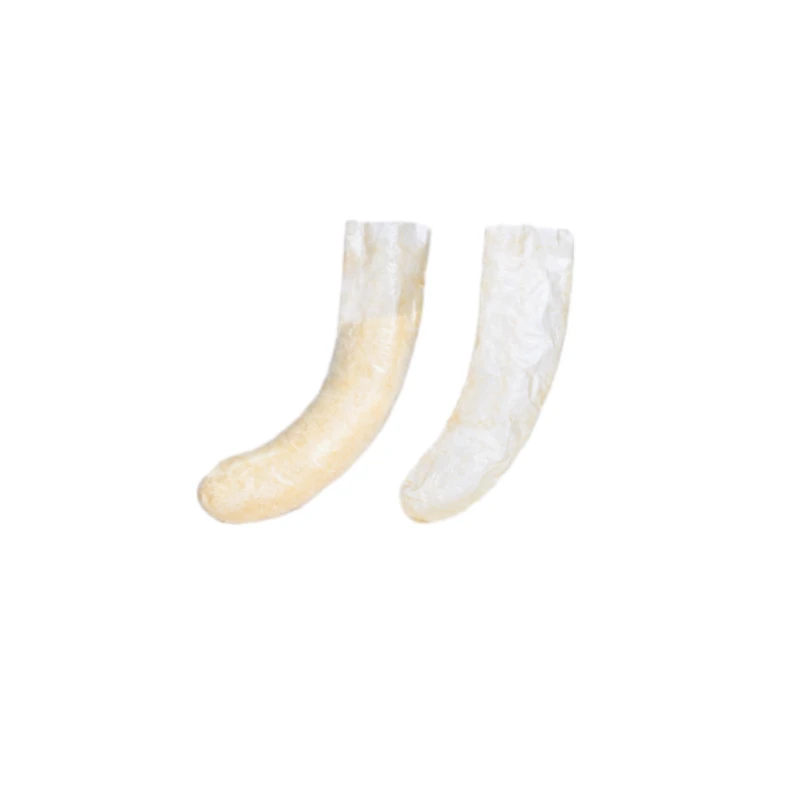
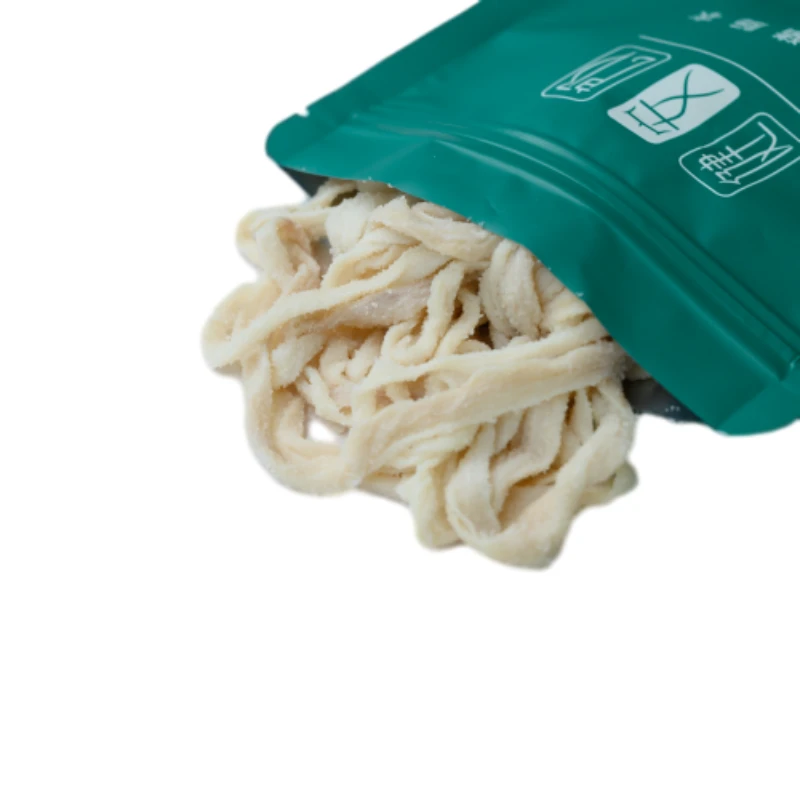
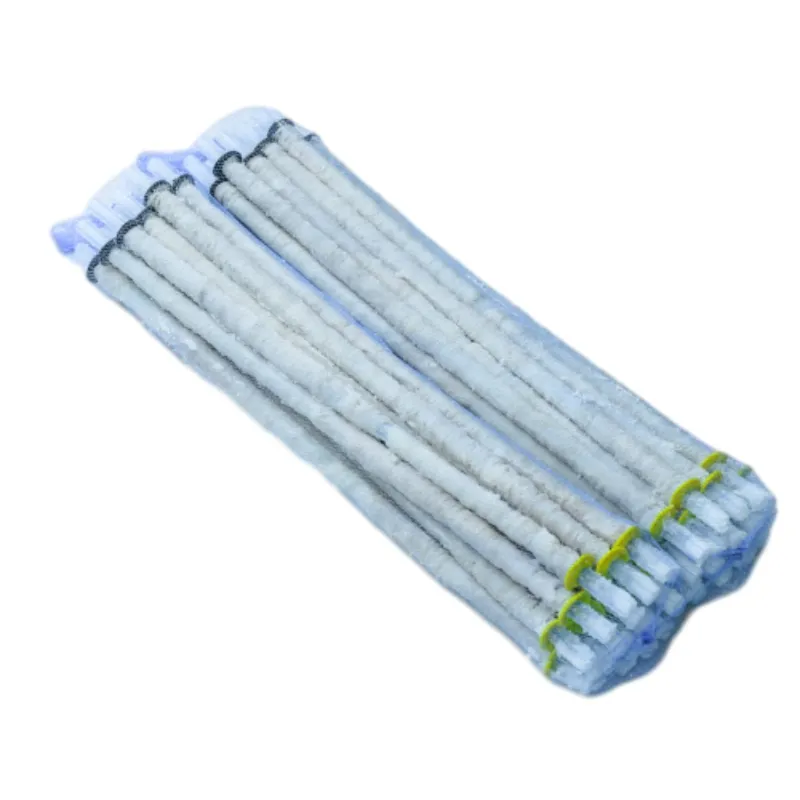
Before jumping into usage tips, it helps to know the basic types — natural casings, typically from intestines, and artificial ones, like collagen or cellulose. Both have their places. I’ve seen customers swear by the rustic chew and snap of natural casings, especially for artisan sausages. Meanwhile, manufacturers processing millions of units annually often prefer collagen for its consistency and scalability.
Oddly enough, some tend to overlook how much the casing material affects production speed and waste management. Natural casings require soaking and careful handling, but the flavor and final bite often justify the extra attention. Artificial casings simplify automation but can sometimes fall short on the old-school “mouth feel.”
Tips on Using Casings for Sausage: From Soaking to Stuffing
Most engineers and production managers I’ve chatted with agree immersion in clean, cold water for a few hours is non-negotiable for natural casings. It’s not just tradition – it softens the casing, making stuffing less of a pain and reducing breakage. Plus, a little salt in the soaking water helps preserve freshness if there’s a delay before stuffing.
When it comes to stuffing, maintaining a steady, gentle pressure keeps the casing from tearing. I remember one plant where they underestimated this and had casings bursting like balloons during peak runs. Not fun when downtime racks up.
The equipment plays a big role too — using calibrated machines with precise flow control harmonizes nicely with quality casings, especially the tightly calibrated collagen types. For those using natural casings, regular training for staff on quick re-casing and quality inspections can save loads of product and frustration.
| Specification | Natural Casings | Collagen Casings | Cellulose Casings |
|---|---|---|---|
| Material Source | Pork or sheep intestines | Collagen from beef or pork hides | Plant cellulose, biodegradable |
| Thickness | 0.15 - 0.30 mm | 0.10 - 0.20 mm | 0.05 - 0.12 mm |
| Preparation | Soak 30-60 min, rinse | Ready to use | Requires peeling or watering off |
| Shelf Life | Refrigerated ~6 weeks | 6-12 months, dry storage | 6-12 months, dry storage |
| Best Use Cases | Traditional, artisanal sausages | High volume, uniform products | Skinless sausages, hot dogs |
Comparing Vendors: What to Look for When Buying Casings
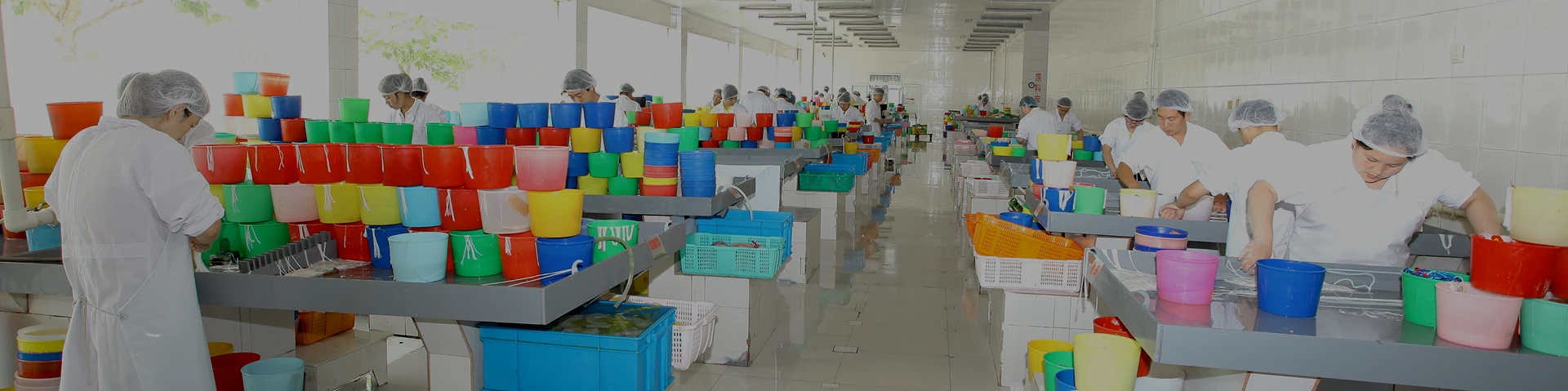
In real terms, not all casing suppliers are created equal. I’ve worked with a handful over the years, and the differences can be as subtle as the salt content in natural casings or as obvious as packaging freshness. The company’s ability to provide technical support and customization options can save your day.
| Feature | RTCasing | Vendor B | Vendor C |
|---|---|---|---|
| Product Range | Wide (natural & artificial) | Limited (mostly artificial) | Moderate |
| Customization | Flexible diameter & length | Standard sizes only | Custom orders on request |
| Support & Service | 24/7 technical assistance | Business hours only | Limited support |
| Quality Consistency | High (ISO certified) | Medium | Variable |
| Pricing | Competitive | Lower for artificial only | Higher for custom |
One memorable experience I had was switching a client’s supply to RTCasing last year. They noted fewer casing failures and better customer feedback on the finished product — which, frankly, means less waste, less stress, and happier buyers. When you’re running a high-volume operation, those margins matter.
Conclusion: Why Choosing the Right Casing Really Counts
In the end, using casings for sausage isn’t just about stuffing meat into a tube. It’s a balance of material science, manual skill, and supplier reliability. Whether you’re after the authentic bite of a natural casing or the efficiency of a collagen wrap, knowing your products inside out and investing in good support pays off.
So, next time you’re sourcing casings, think beyond price and ask about testing protocols, shelf life, and customization options. It’s a small detail that gives your sausage that perfect finish.
Stay curious, keep tasting, and happy stuffing!
References / Thoughts:
1. Industrial Sausage Production Handbook, 3rd Ed.
2. Interview with senior meat processing engineers, 2023
3. RTCasing product and support resources