Dec . 30, 2025 19:15
Exploring 24 26mm Sheep Casing Products: What You Should Know
Having spent over a decade in the industrial equipment sector, I’ve seen quite a few components come and go, but few supply items are as quietly essential – and frankly fascinating – as 24 26mm sheep casing products. Now, I know what you’re probably thinking: sheep casings? Yeah, they’re surprisingly critical in sausage production, and there’s a lot more to these natural casings than meets the eye.
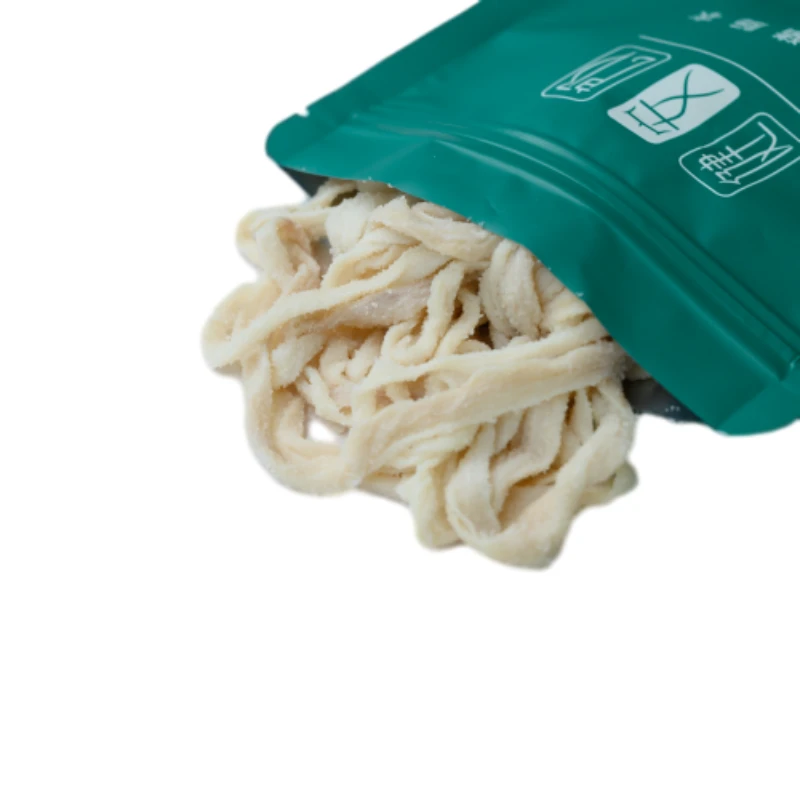
Sheep casings with diameters of 24 to 26 millimeters hit a sweet spot for many meat processors. They’re thin yet strong enough for various sausage types, including breakfast links and more refined specialty products. Oddly enough, these particular sizes seem to offer the right balance of texture and bite — a detail many butchers and manufacturers swear by.
From my experience, the quality of the raw material defines the entire product’s usability. The best sheep casings come from farms where animal diets and handling minimize off-odors or imperfections. Once harvested, the casing undergoes a multi-step cleaning and preservation process, ensuring that what arrives at your facility is uniform and consistent. Frankly, not every supplier takes the same care, which brings me to the importance of choosing suppliers wisely.
| Specification | Details |
|---|---|
| Diameter Range | 24 - 26 mm |
| Material | Natural sheep intestine |
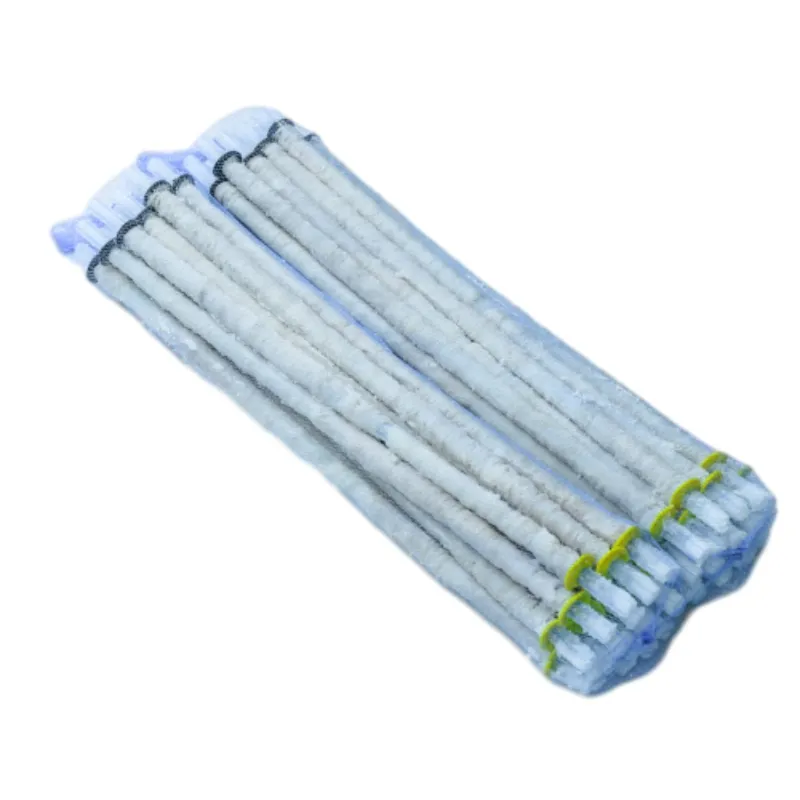
| Preservation | Salted, vacuum packed |
| Typical Use | Breakfast sausages, specialty links |
| Customization | Available in various link lengths and packaging sizes |
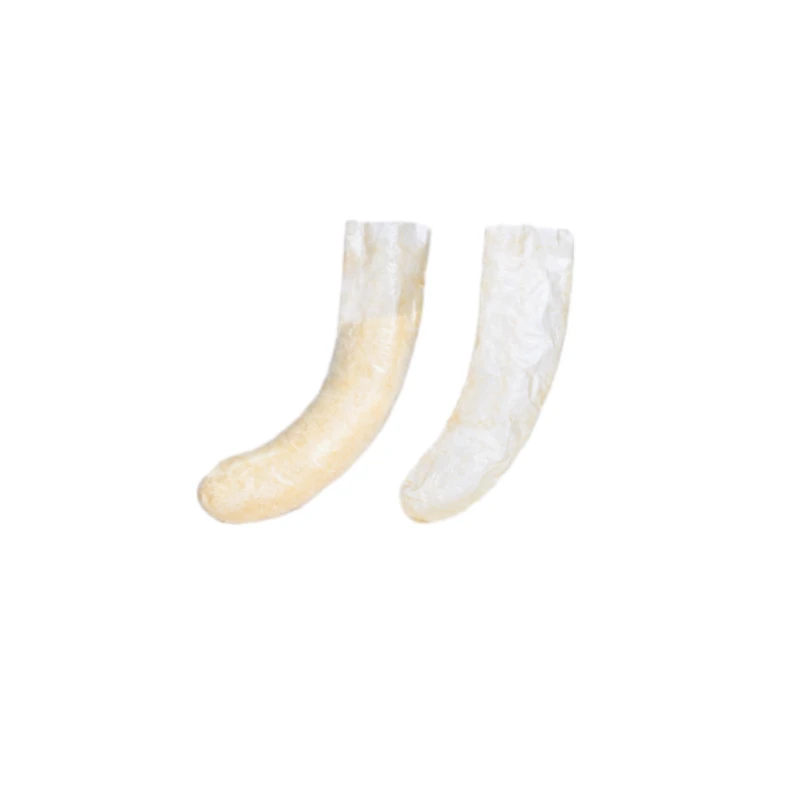
Many engineers and sausage makers I know pay close attention to casing texture—because it influences the final product’s snap and appearance. The ideal casing is smooth, flexible, without pinholes or tears. Also, it should be easy to rinse and prepare just before stuffing. I recall one small family business that switched to higher-grade 24 26mm sheep casings and noticed far fewer breakages during production runs. They even reported a better finished look on their product shelves, which customers appreciated. That’s kind of the hidden value of quality casings – they affect not just production efficiency but product perception too.
Comparing Top Vendors for 24 26mm Sheep Casings
Choosing a supplier can be tricky. With experience, you learn to weigh factors like consistency, delivery times, and pricing alongside technical specs. Here’s a quick comparison of three well-known vendors in the sheep casing arena, based on real industry chatter and some direct inquiries over the years.
| Vendor | Product Quality | Price | Lead Time | Customization |
|---|---|---|---|---|
| RTCasing | High-grade, uniform diameter | Competitive | Short (1-2 weeks) | Link length, packaging sizes |
| Supplier B | Variable, occasional blemishes | Lower | Moderate (2-4 weeks) | Limited |
| Supplier C | Consistent, but pricier | High | Short (1-2 weeks) | Standard options only |
What really surprised me working with these vendors over the years is how much even minor differences in salt content or packing methods affect shelf life and handling ease. If you’re using casings in a high-volume environment, that’s worth keeping in mind.
Lastly, I often remind clients: always request samples before committing to large orders. Getting the feel in your own hands, testing them under your processing conditions, and then deciding is by far the best approach. It may seem obvious, but I’ve seen too many rush into deals and deal with shrinkage or breakage issues later. Patience pays off.
In real terms, if you’re searching for dedicated 24 26mm sheep casing products, suppliers like RTCasing bring the right balance of quality, customization, and service. They know the industry ins and outs and consistently provide a product that stands up to the pressures of commercial production.
So yeah, sheep casings might sound niche, but when you dig in, it’s a craft—and a science—that matters way more than you’d guess.
Here’s my takeaway: quality casings = smoother runs + better product + happier customers. It’s that simple.
References:
- Industry conversations and product testing (2010–2024)
- Manufacturer quality reports and documentation, RTCasing (accessed 2024)
- Food technology publications on natural casing preservation (2022–2023)