Dec . 13, 2025 10:30
Why Natural Casings Still Reign in Sausage Making
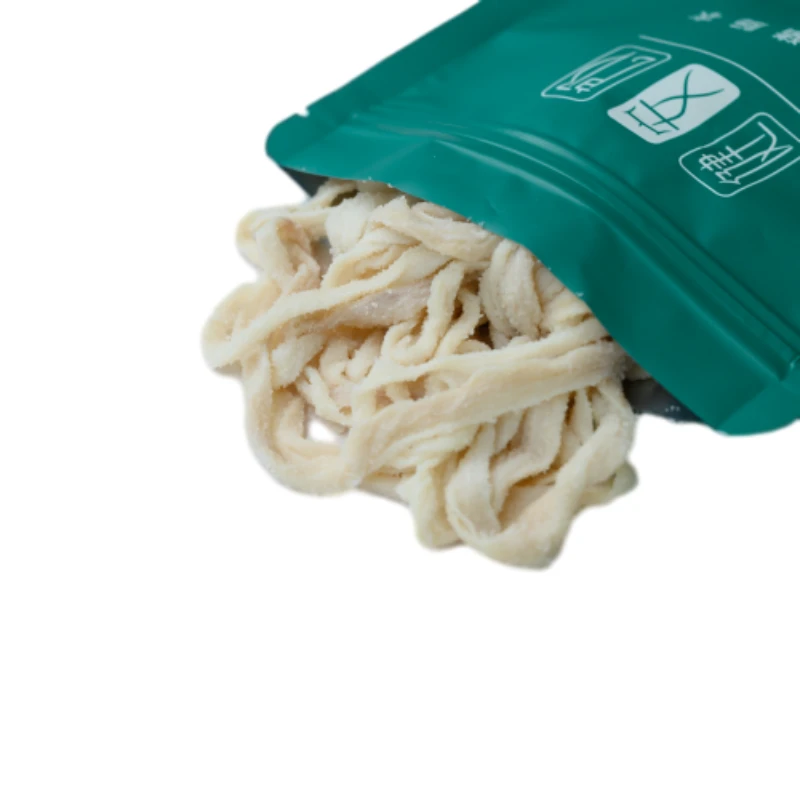
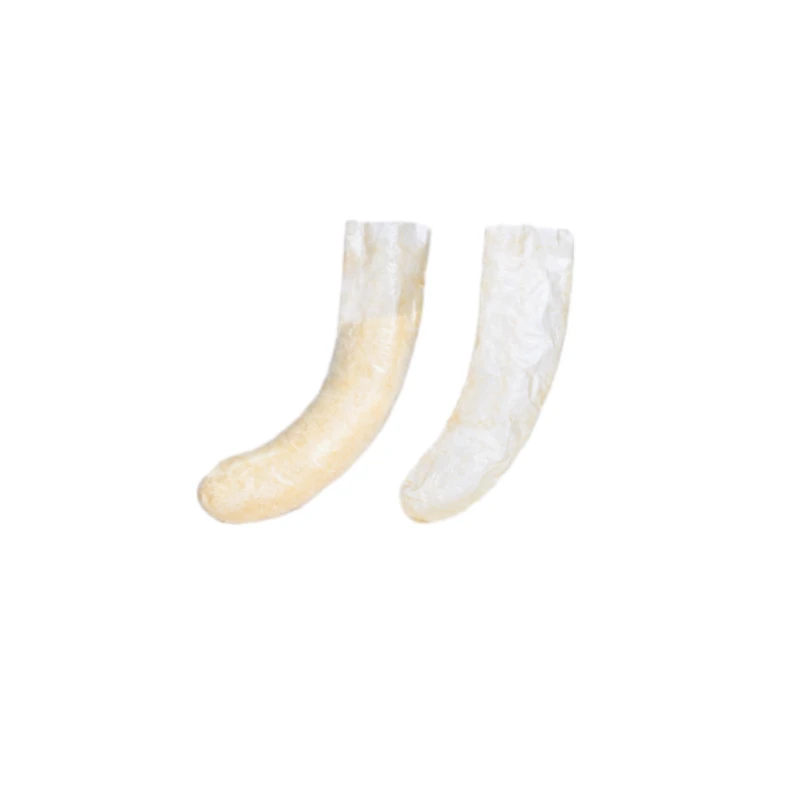
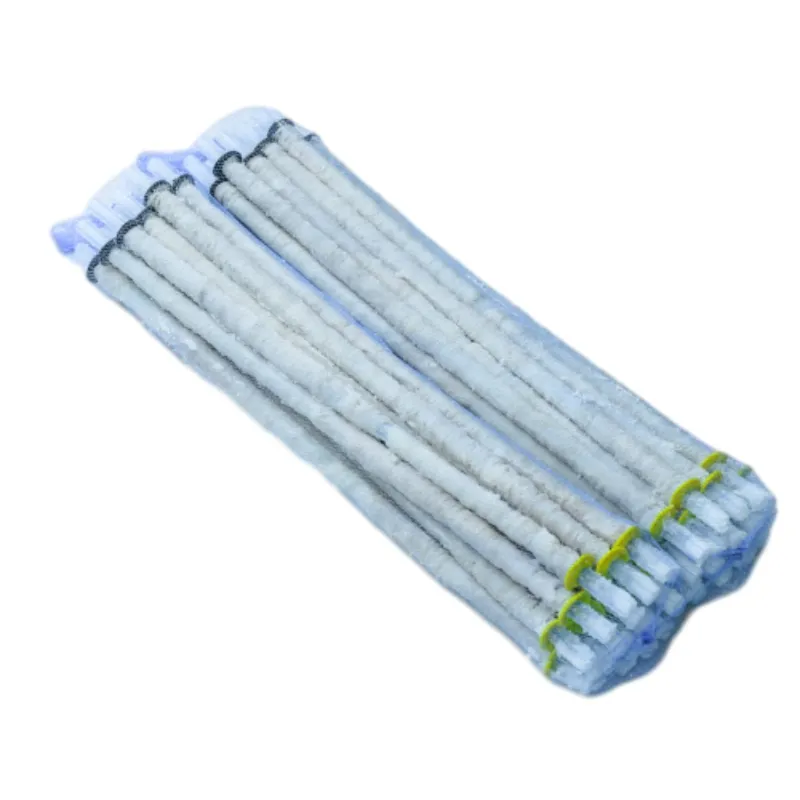
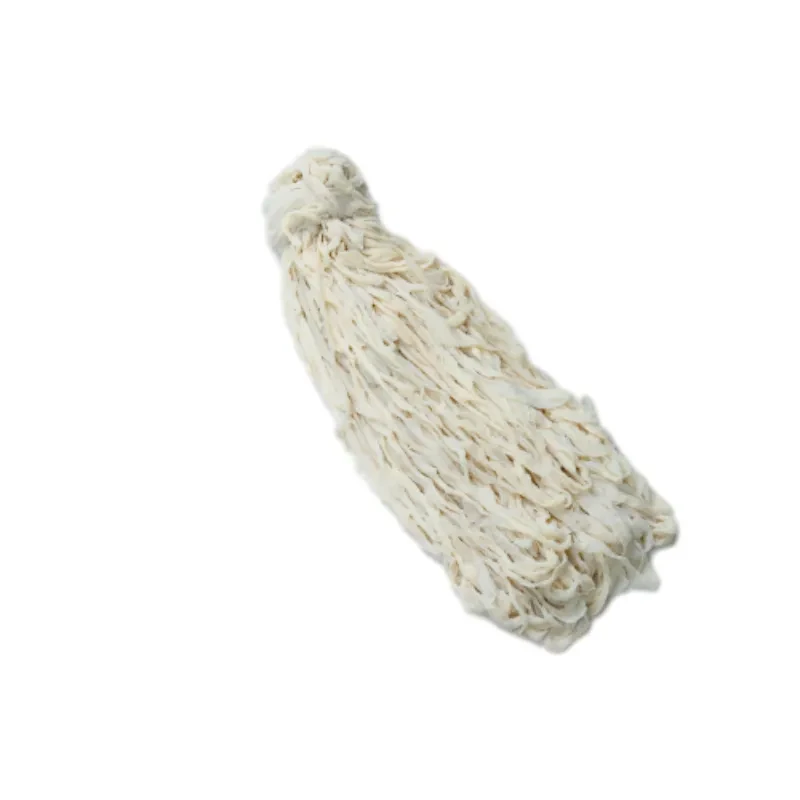
If you’ve spent any time in the sausage-making world—whether at a small artisan butcher or a sprawling meat processing plant—you know there’s something special about natural casings. They’ve been around for centuries, woven tightly into sausage history, and frankly, their popularity hasn’t waned much despite the rise of synthetic alternatives. Natural casings, essentially cleaned intestines from hogs, sheep, or cattle, offer that unique texture, snap, and flavor absorption that modern casings can only approximate. I remember chatting with a seasoned charcutier who swore by natural hog casings for their “authentic bite” that customers keep coming back for. It’s those subtle nuances—how the casing breathes, how it holds spices, even how it impacts cooking—that still tip the scale for many pros. If you’ve ever wondered why some sausages just feel “right” in your mouth, odds are, it’s the natural casing doing its job.An Insider Look at Natural Sausage Casing Specifications
One of the things that strikes me every time I get a fresh batch is the sheer range of casing sizes and types. Each type—hog, sheep, beef—has different diameters and thicknesses suited for particular sausages. For example, hog casings (commonly used for breakfast sausages or bratwurst) typically run roughly 16 to 32 mm in diameter, while sheep casings create the smaller diameter, ideal for thinner sausages like cocktail or snack sticks. Here’s a quick rundown of typical natural casing specs that you can expect when getting started or comparing products:| Casing Type | Diameter (mm) | Common Uses | Average Length Per Piece (m) |
|---|---|---|---|
| Hog | 16 – 32 | Bratwurst, breakfast sausages | 12 – 25 |
| Sheep | 14 – 22 | Snack sticks, small sausages | 12 – 20 |
| Beef | 28 – 38 | Salamis, large sausages | 10 – 20 |
Picking the Right Vendor for Natural Casings
Now, if you’re like me and have been around enough to know that all casing suppliers aren’t created equal—well, it’s true. One supplier might have an impeccable cleaning process but limited size variety. Another might be outstanding on price but sometimes inconsistent on quality. Here’s a quick vendor comparison table based on common parameters many in the industry look for when choosing natural casing suppliers:| Supplier | Size Range | Processing Quality | Packaging (Shelf Life) | Price Competitiveness |
|---|---|---|---|---|
| Vendor A | 14 – 38 mm | Excellent (automated cleaning) | Vacuum packed (3-month shelf life) | Moderate |
| Vendor B | 16 – 32 mm | Good (mostly manual) | Brine packed (6-week shelf life) | Competitive |
| Vendor C | 12 – 28 mm | Fair (limited automation) | Brine packed (4-week shelf life) | Lowest |
Final Thoughts on Natural Casings
So, wrapping this up with a bit of a personal note—natural casings feel like the last bastion of an artisanal craft in an increasingly industrialized world. They connect sausage makers to a centuries-old lineage and taste. Sure, synthetic casings have their place, especially for high-volume or certain diet restrictions, but if you want "the real thing," natural casings are it. They invite you to get a little hands-on, to appreciate the quirks and the subtle complexity of working with a “living” material rather than plastic. It’s not always easy—sometimes the fiber strength varies, sometimes cleaning requires extra care—but that’s part of the charm and the craft. If you’re considering diving into sausage production seriously, starting your venture or scaling it up, investing in quality natural casing is always a smart move. It pays off in texture, flavor, and honest-to-goodness authenticity. ---
References:
- Meat Industry Digest, “A Look at Sausage Casings,” 2023.
- Interview with John T., artisan butcher, 2022.
- rtcasing.com – Leading natural casing supplier info.