Mar . 12, 2026 02:45
Understanding Italian Sausage Casing: A Comprehensive Guide
Italian sausage, a culinary staple enjoyed worldwide, relies heavily on the quality of its casing. The casing not only contains the delicious filling but also contributes significantly to the sausage's texture and snap. This article will delve into the world of italian sausage casing, exploring its types, benefits, and selection criteria. Whether you're a sausage maker, retailer, or simply a foodie, understanding these casings will elevate your appreciation for this beloved food. Proper casing selection is crucial for achieving the desired final product and ensuring customer satisfaction.
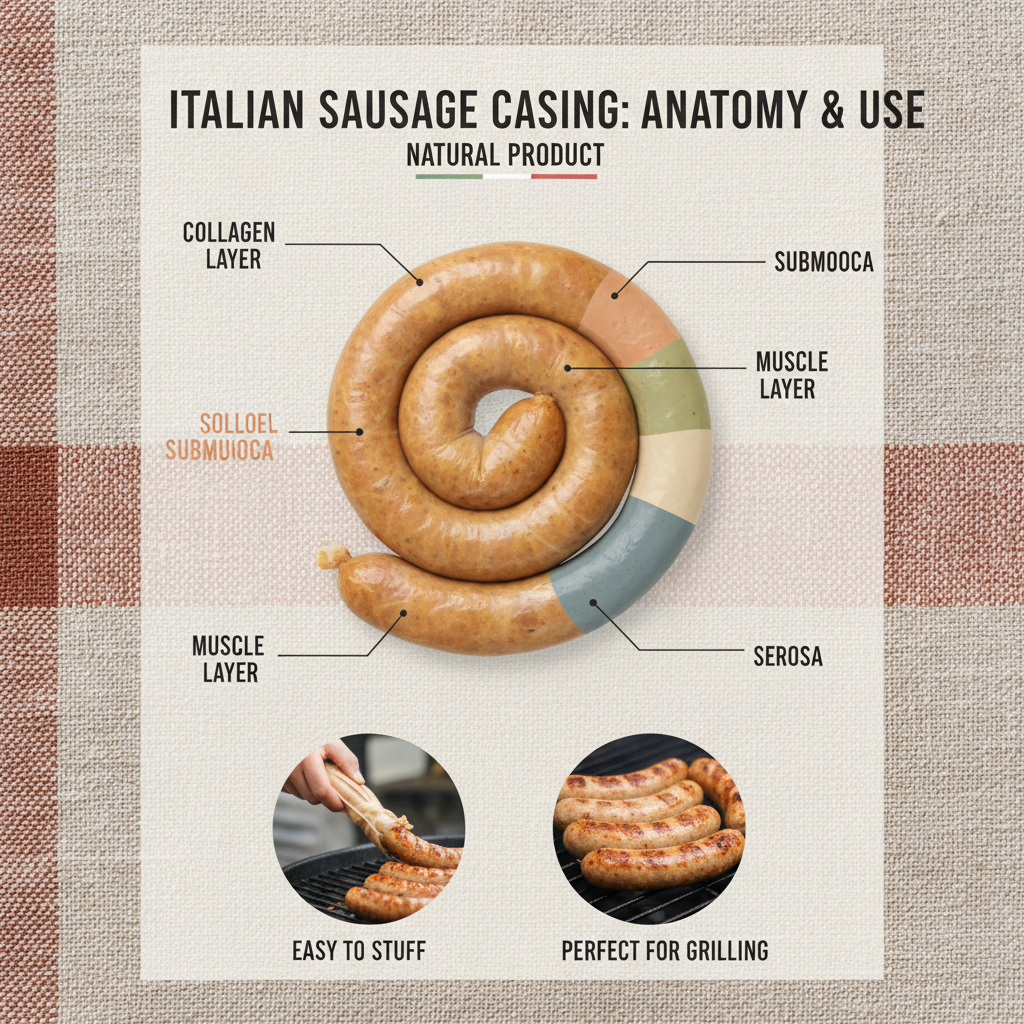
Types of Italian Sausage Casing
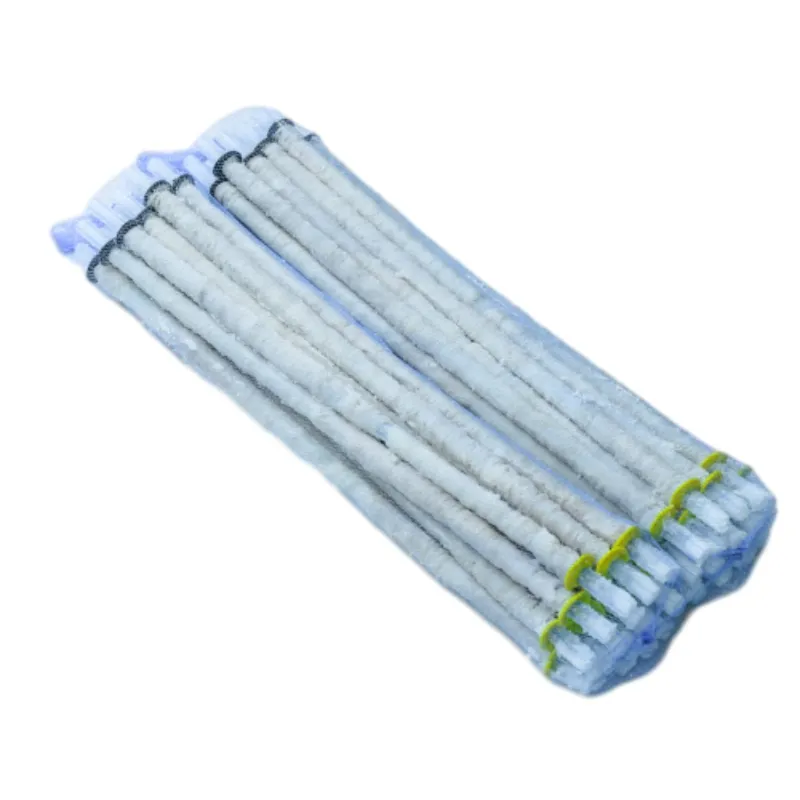
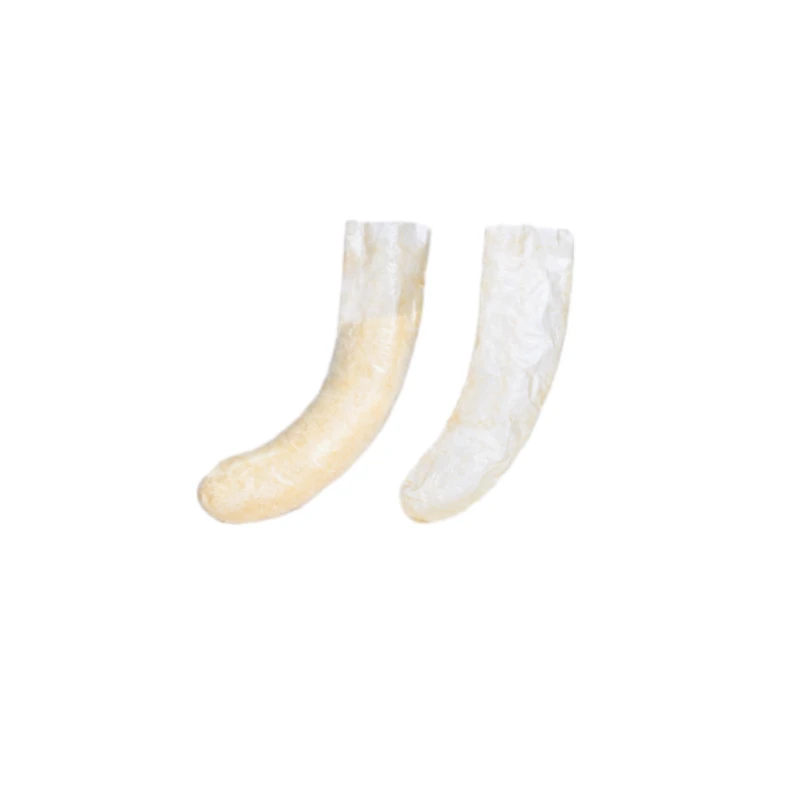
There are primarily two types of casings used for italian sausage: natural and synthetic. Natural casings are derived from the intestinal lining of animals, typically hogs or sheep. They offer a unique texture and “snap” when bitten into, highly prized by traditional sausage lovers. Synthetic casings, on the other hand, are made from collagen, cellulose, or plastic. They offer consistency in size and shape, are more readily available, and often more cost-effective. Each type has its advantages and disadvantages, depending on the desired outcome and production requirements. Choosing the right type of sausage casing is essential for achieving the desired quality and product characteristics.
Key Highlights: Natural casings deliver superior texture and snap, while synthetic casings provide consistency and cost-effectiveness.
Natural Casings: The Traditional Choice
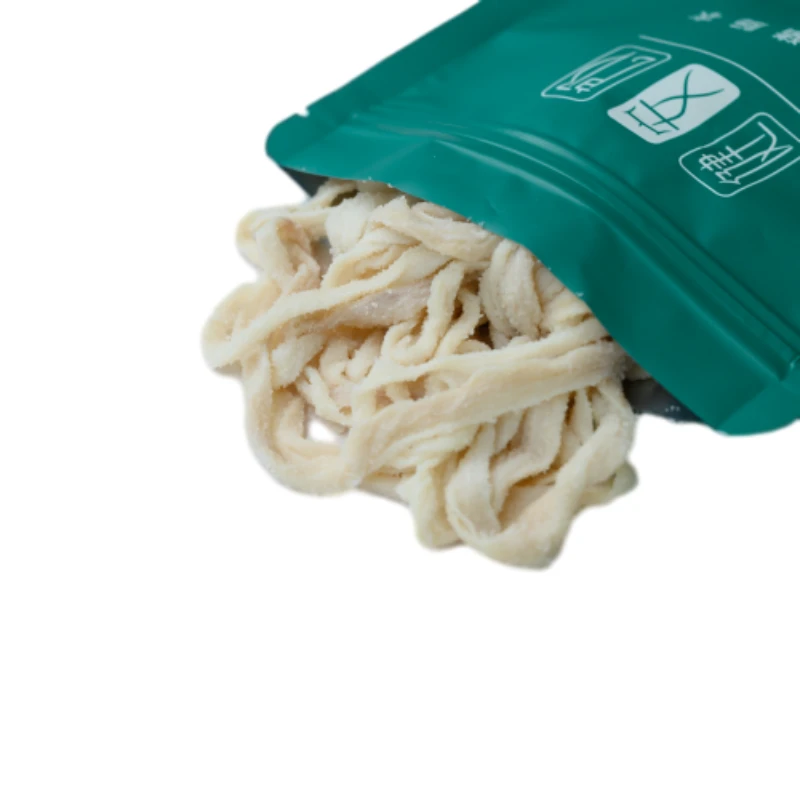
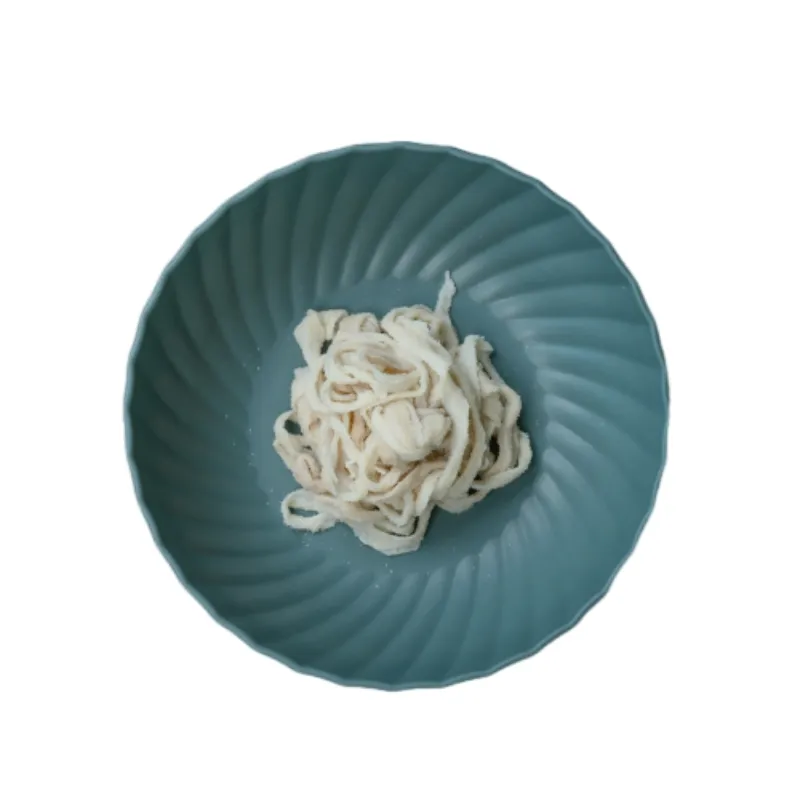
Natural hog casings are the most popular choice for italian sausage due to their size and ability to withstand the stuffing process. Sheep casings are smaller and commonly used for smaller-diameter sausages. The main benefit of natural casings is their permeability, allowing for smoke penetration during cooking, contributing to a richer flavor profile. They also offer a distinct "bite" and texture that many consumers prefer. However, natural casings require careful handling, cleaning, and brining before use, adding to labor costs. They are also more susceptible to variations in size and strength.
Benefits of Natural Casings:
• Superior texture and "snap"
• Permeable to smoke for enhanced flavor
• Traditional and highly valued by consumers
Synthetic Italian Sausage Casings: Modern Alternatives
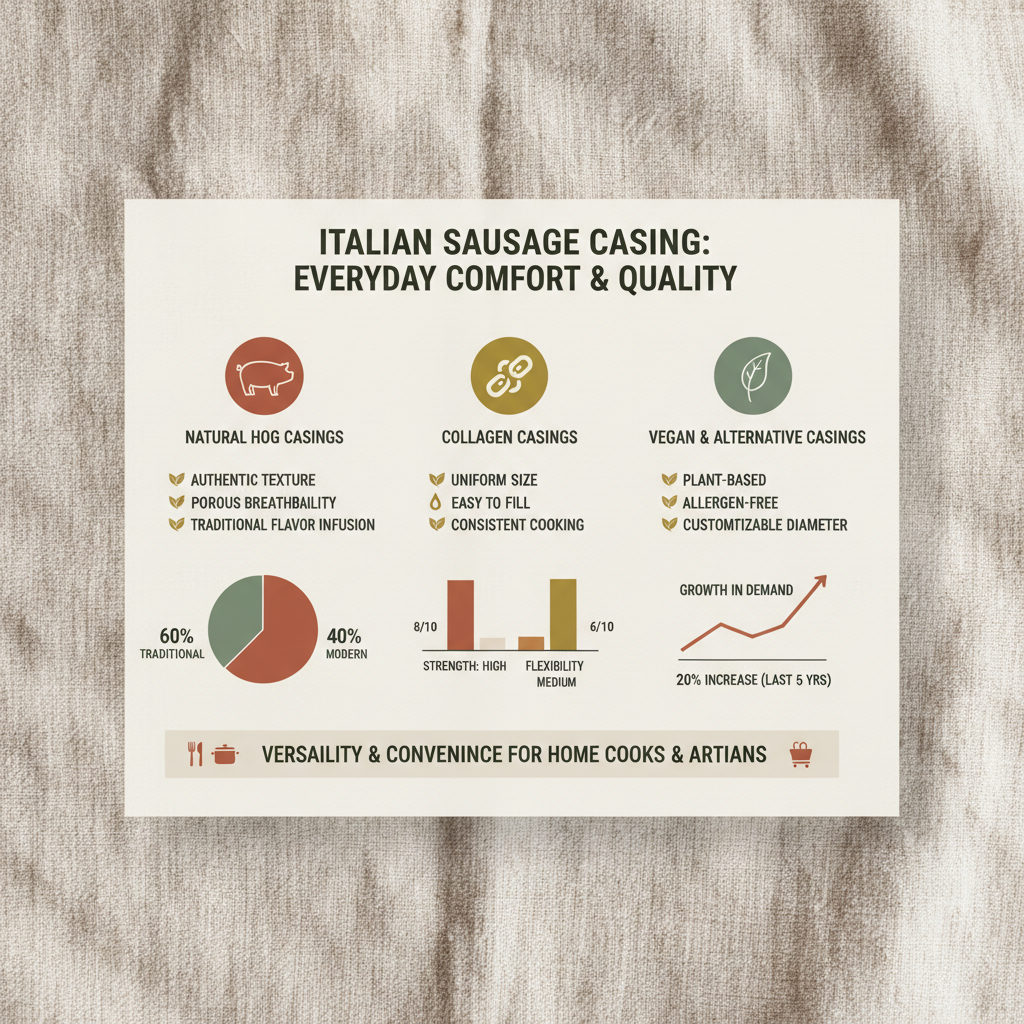
Synthetic casings offer several advantages over natural casings, particularly for large-scale production. Collagen casings, made from the collagen of beef hides, closely mimic the texture and appearance of natural casings. Cellulose casings are less expensive but require soaking in water before use and are not edible. Plastic casings are generally used for cooked sausages and are not intended to be eaten. Synthetic italian sausage casings provide consistent diameter and strength, reducing waste and improving efficiency.
Selecting the Right Casing for Your Italian Sausage
The best casing for your italian sausage depends on your specific needs and priorities. Consider factors like production volume, desired texture, budget, and consumer preferences. If you're aiming for a traditional product with a superior "snap," natural casings are the way to go. However, if consistency and cost-effectiveness are paramount, synthetic casings offer a viable alternative. RTCasing offers a wide range of both natural and synthetic casings to meet diverse sausage-making requirements.
RTCasing: Your Trusted Supplier of Italian Sausage Casings
At RTCasing, we are committed to providing high-quality italian sausage casings to meet the demands of both small-scale artisan producers and large-scale industrial manufacturers. We offer a comprehensive selection of natural hog and sheep casings, as well as collagen, cellulose, and plastic synthetic casings. Our casings are sourced from reputable suppliers and undergo rigorous quality control to ensure consistent performance and food safety. We pride ourselves on exceptional customer service and competitive pricing.
Conclusion: Choosing the Perfect Casing for Your Sausage
The right italian sausage casing can make all the difference in the quality and appeal of your product. By understanding the different types available and considering your specific needs, you can select the perfect casing to deliver a superior sausage experience. Contact RTCasing today to explore our extensive selection and discover how we can help you achieve your sausage-making goals.
Frequently Asked Questions (FAQs)
What is the best way to store natural sausage casings?
Natural sausage casings should be stored in a cool, dry place, ideally refrigerated or frozen. Before use, they must be thoroughly rinsed with cold water to remove salt and any impurities. Some casings require brining to restore their pliability. Always follow the manufacturer's instructions for proper storage and preparation. Improper storage can lead to spoilage and compromise the casing's quality. It’s vital to keep them protected from moisture and extreme temperatures.
Can synthetic casings be used for smoked sausages?
While some synthetic casings, particularly collagen casings, are permeable to smoke, the degree of smoke penetration may not be as significant as with natural casings. If smoke flavor is crucial, natural casings are generally preferred. However, many manufacturers successfully use collagen casings for smoked sausages by adjusting the smoking process or incorporating liquid smoke into the recipe. Always check the casing specifications to confirm its suitability for smoking.
What is the shelf life of different types of sausage casings?
The shelf life varies depending on the type of casing and storage conditions. Natural casings have a relatively short shelf life, typically a few days refrigerated or several months frozen. Synthetic casings generally have a longer shelf life, often exceeding a year when stored properly in a cool, dry place. Always check the manufacturer's packaging for specific expiration dates and storage instructions.
Are there any edible synthetic casings available?
Yes, collagen casings are considered edible and are often used for sausages that are not removed from the casing before consumption. Cellulose casings are generally not edible and are typically removed before cooking or eating. Plastic casings are never edible and must always be removed. Always check the product label to confirm whether a synthetic casing is edible.