Oct . 27, 2025 12:10
Buying Guide and Field Notes on natural hog casings for sale
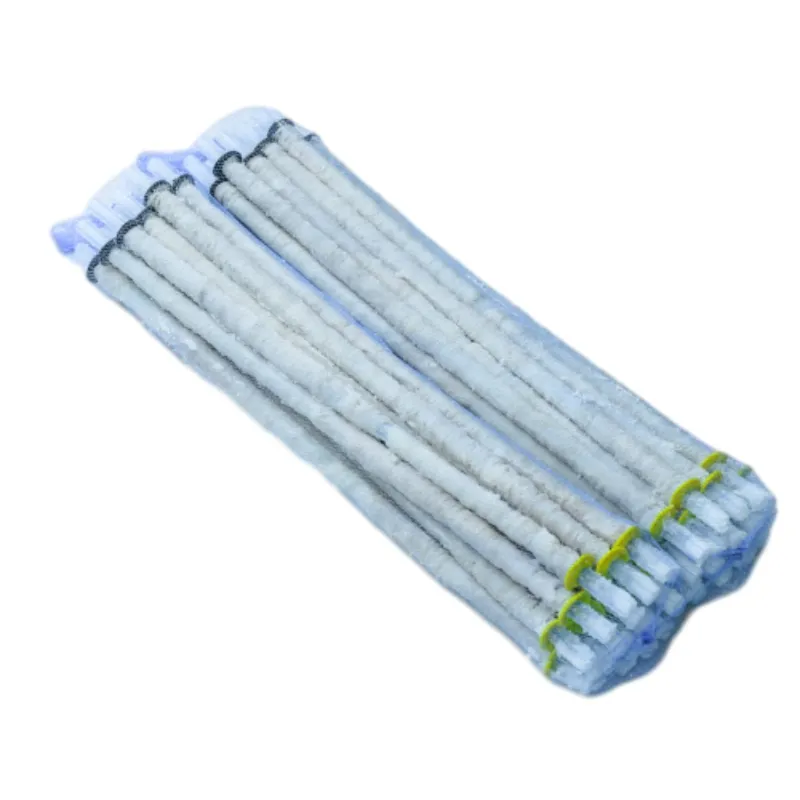
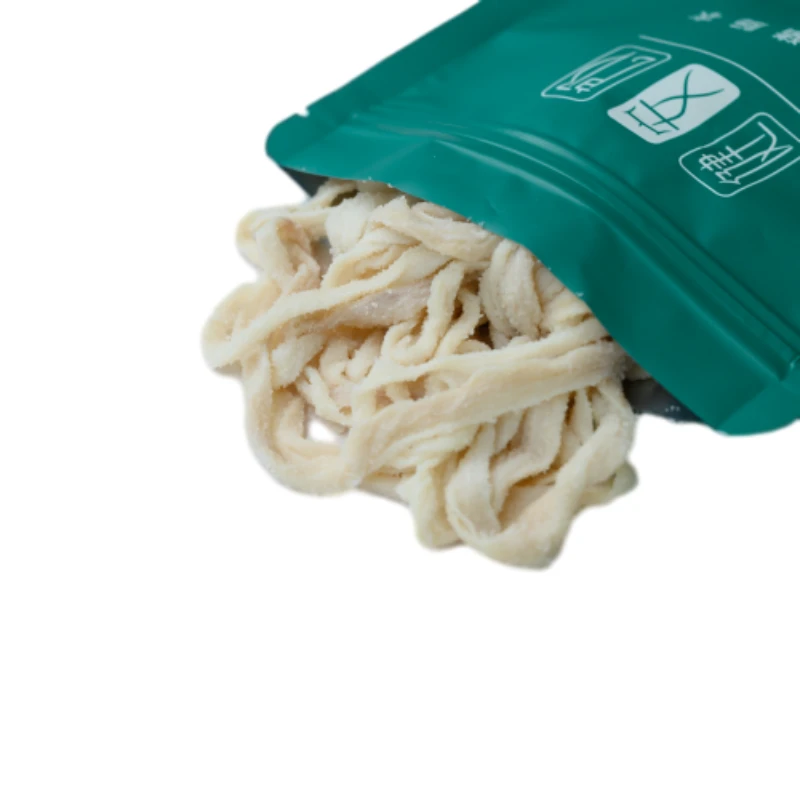
If you make sausages for a living—or for the joy of a Saturday cookout—you already know: good casings make or break texture, snap, and yield. I’ve toured plants from Hebei to Houston, and the best batches usually come from teams who obsess over caliber control and brine balance. RTCasing’s Salted Hog Casings, sourced from WEST PING’AN STREET, SHUNPING COUNTY, HEBEI, CHINA, have been turning heads lately, and for good reason.
Industry snapshot
Demand is drifting back to natural after a decade of collagen/plant-based experimentation. Why? Bite feel and smoke permeability. In fact, many customers say they’ll compromise on speed, but not on snap. However, buyers are stricter now—requiring HACCP, ISO 22000, and tighter microbiology specs than, say, 2017.
What they are and where they shine
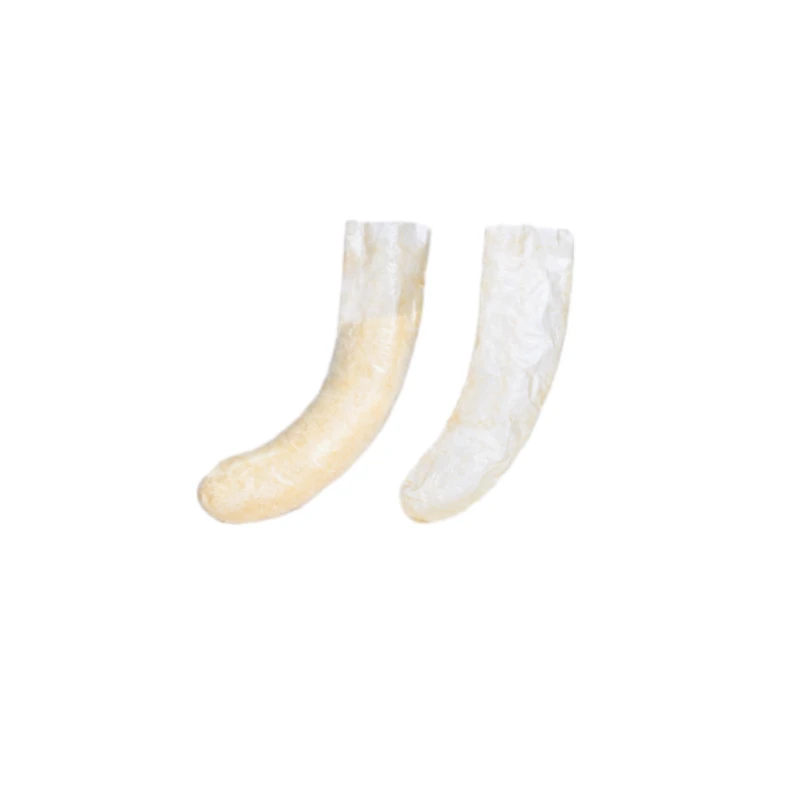
Salted Hog Casings are cleaned, graded intestines with that classic permeable structure—ideal for bratwurst, chorizo, kielbasa, breakfast links, and smoked specialties. They tolerate twist-linking and thermal cycles better than most synthetics, especially in small- to mid-size runs.
Process flow (field-verified outline)
- Materials: Fresh hog intestines, food-grade salt (NaCl), potable water.
- Methods: Flushing and scraping → desliming → salt curing → caliber grading → tubing → quality inspection → packing in brine/salt.
- Testing standards: Micro (Salmonella absent/25g; E. coli ≤ 100 cfu/g), water activity ≤ 0.85 after salting, residual moisture targets per internal SOP; burst pressure by caliber.
- Certifications sought: HACCP, ISO 22000/9001, Halal; compliance with FDA 21 CFR, EU 853/2004 and 2073/2005 for microbiological criteria.
- Service life: ≈ 24 months in heavy salt at 0–10°C, away from light; rehydrate only before use.
- Industries: Artisan butchers, co-packers, regional brands, R&D pilot lines.
Product specifications (typical, real-world use may vary)
| Parameter | Spec | Notes |
|---|---|---|
| Calibers | 28–30, 30–32, 32–35, 35–38 mm | ±0.5 mm control typical |
| Salt content | ≈ 18–22% | Preservative-free (salt only) |
| Burst pressure | ≥ 35 kPa (32–35 mm) | Hydrated, 20°C test |
| Length/“hanks” | ≈ 90 m per hank | Tubed options available |
Application notes
- Soak 30–45 minutes in 25–30°C water; for speed lines, add a splash of food-grade vinegar to improve pliability.
- Smoke permeability is excellent; color pickup is even, which—surprisingly—helps visual grading on retail pegs.
- Waste rate: many plants report ≤ 3% once operators get the feel. I guess training matters more than we admit.
Vendor comparison (indicative)
| Vendor | Certs | Caliber consistency | Lead time | Support |
|---|---|---|---|---|
| RTCasing (Hebei) | HACCP, ISO 22000, Halal | High (±0.5–1 mm) | 2–4 weeks | Tech QA, samples |
| Importer A | HACCP | Medium | 4–6 weeks | Email-only |
| Local Distributor B | Varies | Medium–High | Stock dependent | On-site visits |
Customization and QA
Options include tighter caliber windows (e.g., 30–31 mm), pre-tubed hanks for high-speed linking, and low-salt packs for export-sensitive lanes. Lab sheets typically show Salmonella not detected/25g and TVC under 10³ cfu/g. To be honest, I look for a lot number traceable back to cleaning batches—it’s saved audits more than once.
Two quick case notes
- Regional bratwurst brand cut burst defects by around 40% after switching to tighter 32–35 mm lots; waste trimmed to ≈2.2%.
- Smoked chorizo co-packer reported more uniform mahogany color after two-week spec aligning and a gentler pre-soak. Small tweaks, big payoff.
If you’re hunting for natural hog casings for sale that balance snap, yield, and audit-ready paperwork, the Hebei-made Salted Hog Casings are worth a test run. Ask for recent micro results and a couple of calibers—pilot first, then scale. And keep a few extra hanks on ice; operators always use more on busy days.
Explore specs, samples, and ordering for natural hog casings for sale directly from the manufacturer.
Authoritative citations
- EU Regulation (EC) No 853/2004 – Hygiene rules for food of animal origin.
- ISO 22000:2018 – Food safety management systems requirements.
- FDA 21 CFR (Part 117) – Current Good Manufacturing Practice, Hazard Analysis, and Risk-Based Preventive Controls for Human Food.
- Codex CAC/RCP 1-1969 – General Principles of Food Hygiene and HACCP Annex.