Dec . 02, 2025 14:52
Understanding What Are Vegetarian Sausage Casings Made Of
Sausage casings have traditionally been animal-derived—think intestines or collagen sourced from pigs or cows. However, with rising dietary restrictions, religious concerns, and environmental awareness, a growing number of consumers and manufacturers are turning to vegetarian sausage casings. So, what are vegetarian sausage casings made of, and why does it matter globally? In a nutshell, these casings provide an alternative that respects dietary choices without compromising texture, durability, or cooking performance.
Globally, meat alternatives and vegetarian food products have seen a surge in demand. According to a 2022 report by the Good Food Institute, plant-based meat alternatives will reach a market value exceeding $10 billion within the next few years. Vegetarian casings play a subtle but vital role in this shift, enabling producers to cater to vegetarians, vegans, halal, kosher, and allergy-sensitive consumers alike. Understanding what vegetarian sausage casings are made of allows businesses to innovate sustainably and customers to eat with confidence.
Mini Takeaway: Vegetarian sausage casings are a key piece in the evolving global food puzzle, linking consumer choice with sustainable production.
Global Context: Why Vegetarian Sausage Casings Are Gaining Ground
Worldwide, the food industry grapples with challenges: environmental impact, cultural diversity, food safety, and ethical sourcing. The United Nations projects the global population to near 10 billion by 2050, increasing pressure on livestock farming, which contributes roughly 14.5% of human-induced greenhouse gas emissions (source: FAO, 2021). Against this backdrop, vegetarian sausage casings represent a microcosm of a broader movement toward greener, more inclusive food systems.
The rise in vegetarian and vegan populations—estimated at more than 8% worldwide—coupled with restrictions related to religious dietary laws, means manufacturers must rethink traditional casing materials. Switching to alternatives is not just a preference but often a necessity. A hurdle for industry, then, is to produce casings that match animal-based counterparts in texture, shelf-life, and cooking integrity, but without the controversial ingredients.
Mini Takeaway: Vegetarian sausage casings address global challenges from climate change to cultural food needs, fueling innovation in food tech.
What Are Vegetarian Sausage Casings Made Of?
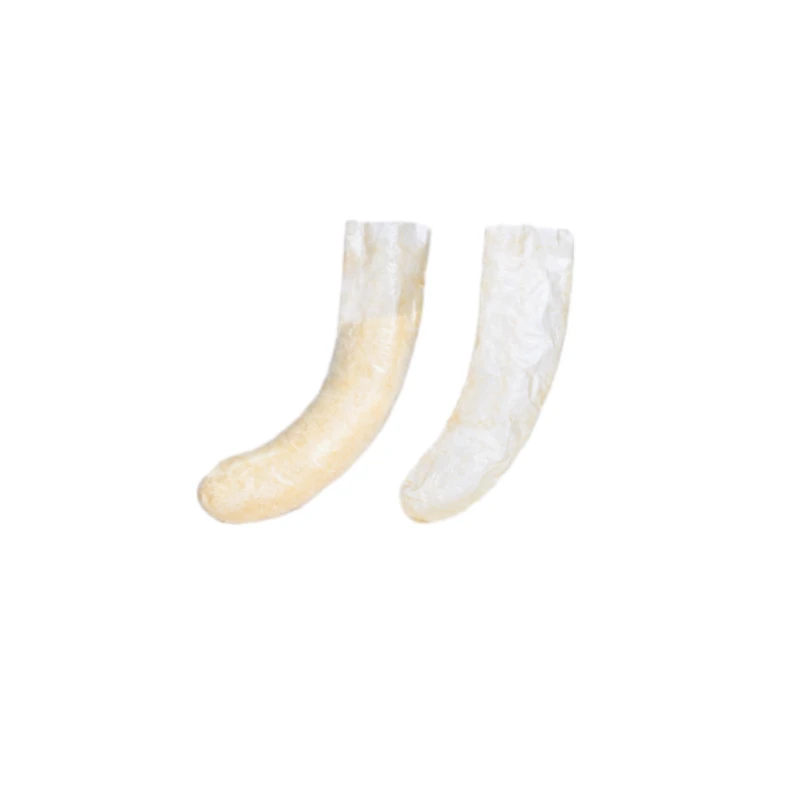
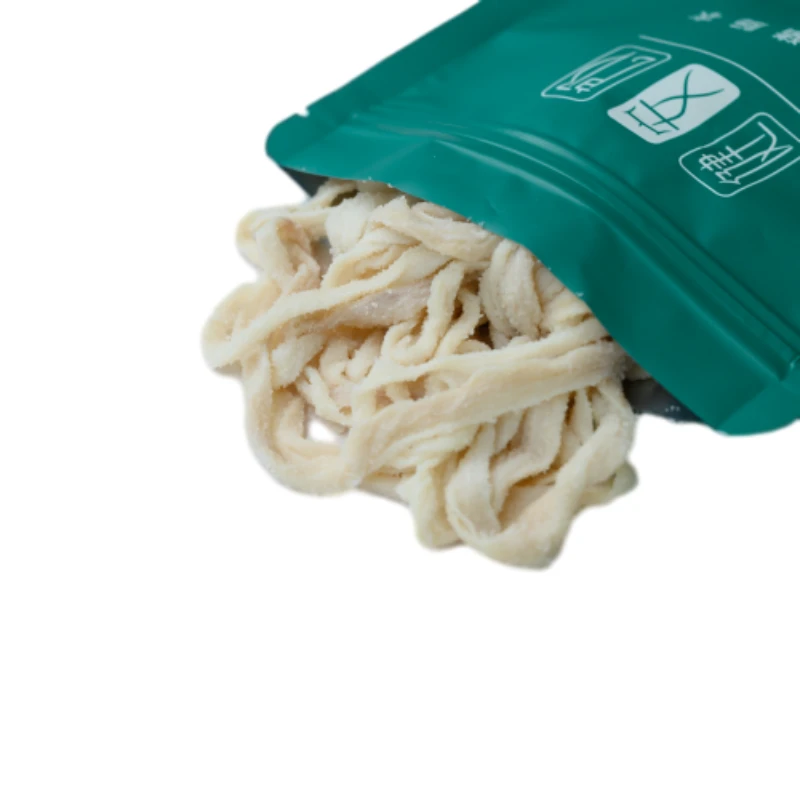
In the simplest terms, vegetarian sausage casings are made from plant-based or synthetic materials that mimic the function of traditional animal casings. Most commonly, they consist of cellulose (a plant fiber from wood pulp or cotton), alginate (a seaweed-derived gel), or various biopolymers developed in food science labs. Unlike natural casings, they contain no animal by-products.
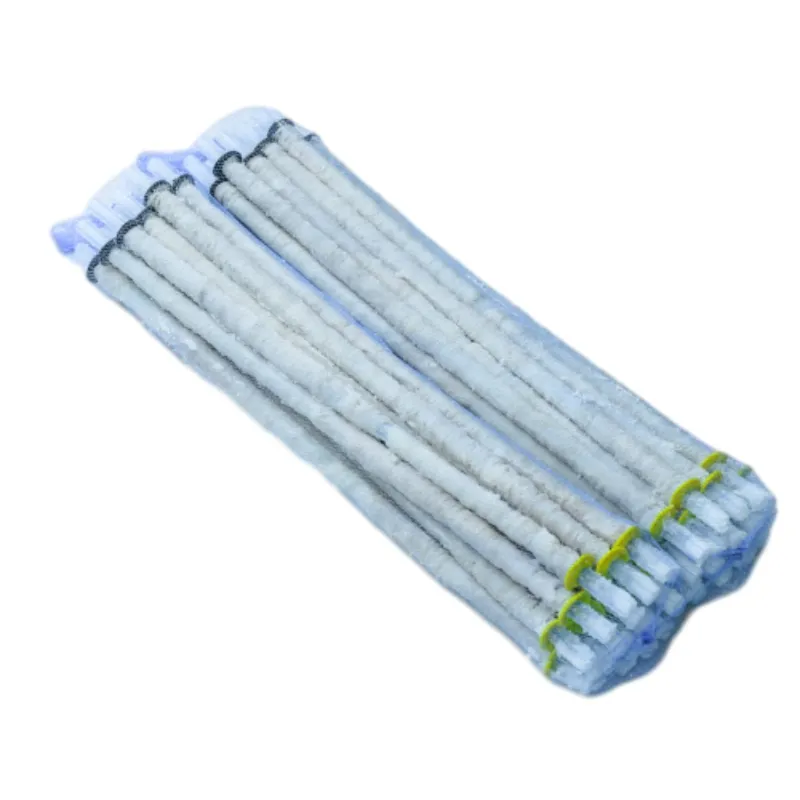
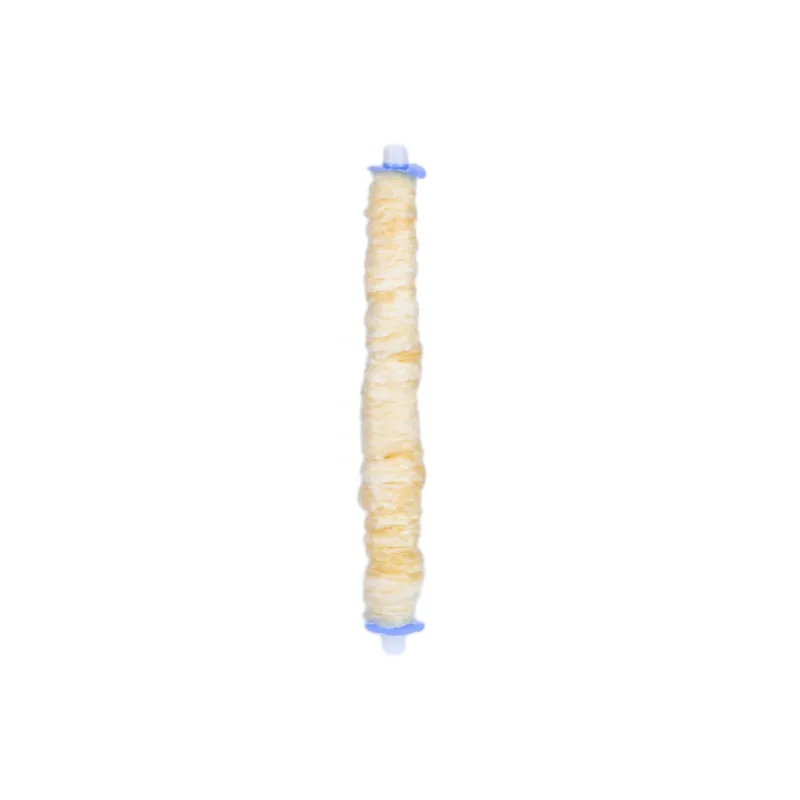
For example, cellulose casings are often used for cooked or smoked sausages because they can endure heat and hold shape well, though they’re peeled off before eating since they’re not edible themselves. Alginate casings, on the other hand, are edible and used frequently for fresh vegetarian sausages, as they form a gel-like skin during preparation.
The choice of casing depends on the sausage type and desired culinary results. The great thing? Many manufacturers tailor their vegetarian casings to meet specific texture, transparency, or moisture requirements.
Mini Takeaway: Vegetarian sausage casings are diverse—ranging from cellulose and alginate to innovative polymers—offering a texture and performance that fits multiple food applications.
Key Characteristics of Vegetarian Sausage Casings
1. Durability & Heat Resistance
Most vegetarian casings need to withstand cooking, smoking, or boiling without breaking apart. Cellulose casings are prized for their structural strength during processing but are removed afterward. Alginate casings hold together firmly but offer more flexibility in cooking processes.
2. Edibility
Edibility varies—cellulose casings are often inedible, while alginate and other biopolymer casings can be consumed safely. This trait influences both the consumer experience and packaging decisions.
3. Cost Efficiency & Scalability
Plant-based casings are generally more cost-effective than natural animal intestines. They also scale well for mass production, which is vital as vegetarian and vegan products move mainstream.
4. Sustainability Footprint
Generally, vegetarian casings require fewer natural resources to produce and generate less waste, aligning them with green manufacturing policies worldwide. They can leverage renewable raw materials like seaweed or fast-growing plants.
5. Food Safety & Consistency
Manufactured casings offer consistent dimensions and cleanliness, reducing microbial risk compared to natural casings. This reliability means fewer recalls or safety incidents.
| Attribute | Cellulose Casing | Alginate Casing | Biopolymer Casing |
|---|---|---|---|
| Material Source | Wood pulp/cotton fiber | Seaweed extract | Polylactic acid & others |
| Edible | No | Yes | Yes |
| Cooking Methods | Smoking, boiling | Steaming, boiling, baking | Various (heat sensitive) |
| Shelf Life | 12 months | 6-9 months | 8-12 months |
| Environmental Impact | Low | Very Low | Low to Medium |
Global Applications & Real-World Use Cases
Vegetarian sausage casings have found traction in multiple markets worldwide. In Europe, especially in Germany and the UK, vegetarian and vegan meat alternatives have grown by nearly 15% year-on-year, fueled partly by innovations in casings that mimic traditional textures. In Asia, especially India, where vegetarianism is culturally significant, casings from seaweed and cellulose have opened new product lines that respect religious diets.
Beyond commercial food, these casings also pop up in humanitarian efforts. For instance, in remote or disaster-affected zones, where refrigeration and processing facilities may be limited, shelf-stable vegetarian products using these casings can provide safe protein sources that benefit people with dietary restrictions or allergies.
Industrial food producers often use vegetarian casings in ready-to-eat meals, catering to schools, hospitals, or prisons where diverse dietary rules exist. This highlights a less obvious but important point—the social impact of such seemingly small ingredient substitutions.
Mini Takeaway: Vegetarian sausage casings support diverse food cultures globally and provide inclusive, stable solutions from gourmet markets to disaster relief programs.
Advantages & The Long-Term Value of Vegetarian Casings
- Environmental sustainability: Less reliance on animal farming means a smaller carbon footprint and lower water usage.
- Inclusivity: Suitable for vegetarians, vegans, halal, kosher, and allergy-sensitive consumers.
- Safety & consistency: Controlled manufacturing reduces contamination risk and improves product uniformity.
- Economic benefits: Lower raw material costs and scalable production methods contribute to affordable products.
- Consumer trust and innovation: Being transparent about ingredients builds confidence and drives product creativity.
To me, the emotional aspect is key—offering a product that respects someone’s lifestyle, religion, and conscience feels like more than just business. It’s about trust, reliability, and adapting to a changing world in ways that matter.
Looking Ahead: Innovations Shaping Vegetarian Sausage Casings
The future is buzzing with excitement. Researchers are exploring casings made from mycelium (mushroom root structures), protein-based bioplastics from pea or soy, and even fermented bacterial cellulose. These next-gen materials promise improved biodegradability and sensory experience—think tastier, more natural textures.
Meanwhile, advances in digital food printing and automation allow producers to experiment with customized casing thickness, shape, and strength, matching precisely how the sausage needs to behave during cooking or packaging.
Sustainability is the north star: companies increasingly evaluate lifecycle assessments and eco-label certifications, making vegetarian sausage casings a centerpiece of green food innovation.
Challenges and Solutions in Using Vegetarian Sausage Casings
No solution is without its bumps. Some challenges include:
- Edibility limitations: Some casings like cellulose must be removed before eating, which can reduce consumer appeal.
- Texture differences: Matching the “bite” of natural casings remains tricky, especially for premium products.
- Cost fluctuations: Raw material supply, especially seaweed, can be volatile.
- Regulatory hurdles: Ensuring new materials meet food safety standards globally is an ongoing process.
Solutions? Blending multiple materials for optimal properties, investing in supply chain diversification, and collaborating with regulators early on. Many experts suggest continuous R&D partnerships are key, because consumer expectations and food tech evolve hand in hand.
FAQ: Common Questions About Vegetarian Sausage Casings
- Q: Are vegetarian sausage casings always edible?
A: Not always. Cellulose casings are generally inedible and peeled off after cooking, whereas alginate and biopolymer casings are designed to be eaten alongside the sausage. - Q: How do vegetarian casings compare nutritionally to natural casings?
A: Vegetarian casings contribute minimal calories or nutrients, acting mostly as a protective layer. Their main benefits are non-animal origin and allergen-free nature rather than nutrition. - Q: Are vegetarian sausage casings suitable for all types of sausages?
A: They work well for many vegetarian and vegan sausages, but some specialty sausages requiring natural casing elasticity may still need animal-based products or advanced biopolymers. - Q: Can I find vegetarian sausage casings suitable for halal or kosher certifications?
A: Yes, since they're made from plant-based or synthetic materials, many vegetarian casings meet halal and kosher requirements, but always check certification with the supplier. - Q: Where to learn more about the production standards for vegetarian casings?
A: Standards by bodies like ISO and Codex Alimentarius help regulate food additives and casing safety, so consulting their documents can guide manufacturing practices.
Conclusion: Why Understanding Vegetarian Sausage Casings Matters
The story behind what are vegetarian sausage casings made of is part of a larger shift towards food that’s not only tasty but also ethical, sustainable, and inclusive. These casings expand the horizons of culinary possibility—respecting diverse needs while pushing the boundaries of materials science.
For manufacturers, embracing vegetarian casings isn’t just a trend; it’s a strategic move with global impact amid changing diets and environmental urgency. For consumers, it means more options, safer products, and mindful choices. Oddly enough, a humble casing ends up telling a tale of technology, culture, and conscience—all wrapped up in a tasty package.
Curious to dive deeper? Visit our website: https://www.rtcasing.com to explore product options and industry insights.
| Vendor | Material Types | Certifications | Global Reach | Price Range |
|---|---|---|---|---|
| VeggieCasing Co. | Alginate, Cellulose | Halal, Kosher, ISO 22000 | Europe, N. America, Asia | $$-$$$ |
| GreenWrap Solutions | Biopolymer, Mycelium | Organic, USDA Certified | Asia-Pacific, Europe | $$$ |
| PlantFiber Casings Ltd. | Cellulose | ISO 9001, Kosher | Worldwide | $-$$ |
References: