Dec . 09, 2025 04:40
22mm Sausage Casing Factories: A Closer Look From Industry Experience
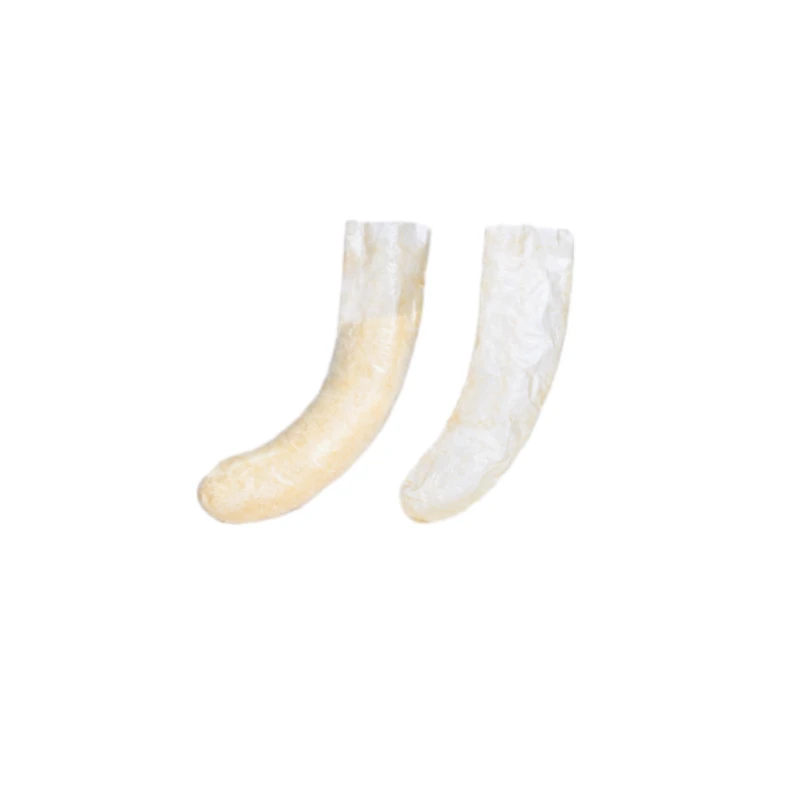
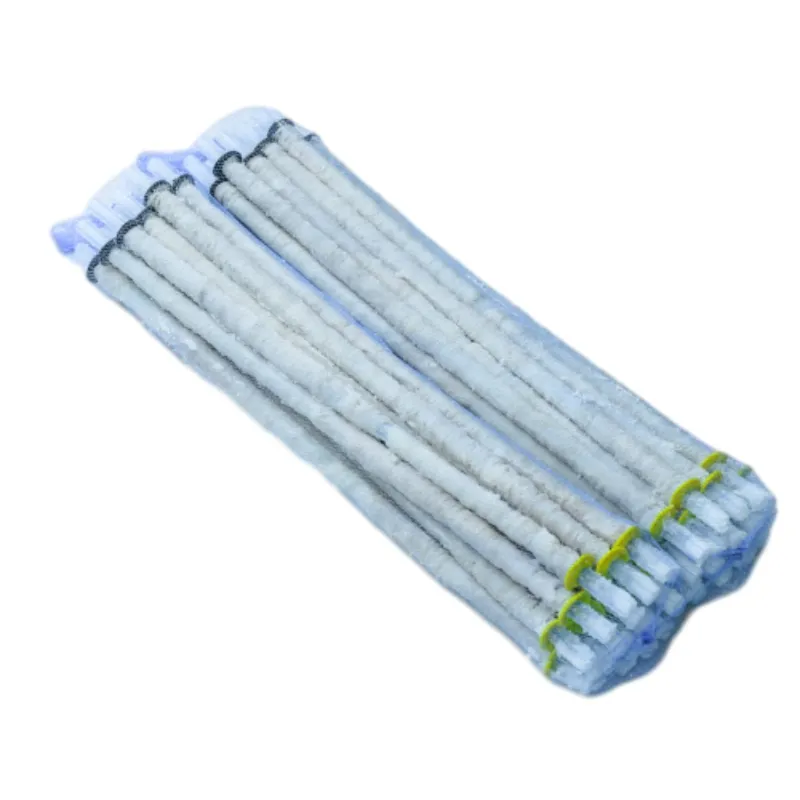
Having spent a fair share of years embedded within the industrial equipment and food packaging sectors, I’ve developed a certain appreciation for the nuances that sausage casing factories bring to the table. Now, when I say 22mm sausage casing factories, I’m talking specifically about those highly specialized operations that produce casings designed primarily for certain types of sausages — think snack sticks, pepperoni, or other slender varieties. It feels like a small niche, but honestly, it’s one with huge technical complexity and quality demands.
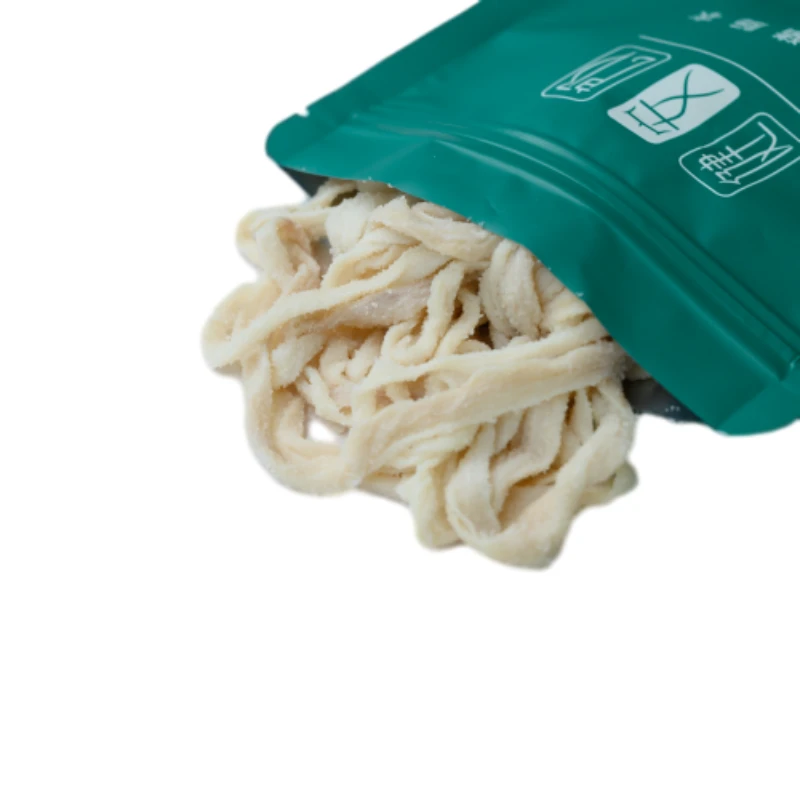
Oddly enough, not all these factories use the same raw materials or production techniques. While collagen casings have historically dominated — they’re natural, edible, and give a familiar snap — more factories are now integrating advanced cellulose and fibrous materials to meet evolving safety standards and product consistency needs. I noticed that a lot of clients tend to choose 22mm casings for their balance between size and ease of handling, especially in automated or semi-automated filling lines.
From what I gather, the trend in the last few years has leaned heavily towards customization without compromising on strict certification demands. You know how much food safety and traceability matter. Many of these factories run exhaustive quality assurance tests — tensile strength, permeability, drying uniformity — to ensure every batch performs consistently on the production floor and in consumers’ kitchens. It’s more than just making a tube; it’s about reliability under real-world pressures.
Product Specifications: 22mm Sausage Casings
| Property | Details |
|---|---|
| Diameter | 22mm ± 0.2mm |
| Material | Collagen, Cellulose, Fibrous (varies by factory) |
| Length per stick | Available in 30cm – 1m (customizable) |
| Edibility | Mostly edible (collagen); others may require removal |
| Typical tensile strength | 50-70 MPa, depending on material |
| Packaging | Tubes or reels, vacuum sealed |
In real terms, when you’re selecting a 22mm casing, the choice of material and exact specs will often come down to your product goals. For instance, a pepperoni producer might lean towards collagen for that traditional bite, whereas a plant-based sausage maker might opt for cellulose casings that better support processing and peeling.
Vendor Comparison: 22mm Sausage Casing Factories
| Factory | Materials Offered | Customization | Certifications | Location |
|---|---|---|---|---|
| RTCasing | Collagen, Cellulose | Length, Diameter, Bundle Packaging | ISO, HACCP, FDA | China |
| EuroCasing Ltd. | Collagen, Fibrous | Diameter Only | BRC, ISO | Germany |
| Global Sausage Tech | Cellulose, Fibrous | Limited; mostly stock items | FDA, ISO | USA |
One story that sticks in my memory involves a customer who was switching from an old supplier to RTCasing. They were struggling with inconsistent casing lengths messing up their automated stuffing line—really frustrating, I’m sure. After switching to RTCasing’s 22mm collagen casings with tight tolerance packaging, their line uptime improved visibly. It’s these practical improvements that often set good factories apart.
Looking ahead, I suppose factories making 22mm sausage casings will keep pushing the envelope towards sustainability and traceability. It feels like inevitable pressure from consumers and regulators alike. But until then, quality control and adaptable production remain king.
So if you're in the market trying to source reliable 22mm sausage casings, it pays to look beyond just price and availability. Consider material type, specifications, and who can truly deliver on consistency — and don’t forget to check for certifications and real-world customer feedback.
At the end of the day, a great casing isn’t flashy, but it’s the backbone of your sausage’s quality. It’s that simple.
References:
- "Collagen Sausage Casings Market & Trends," FoodTech Journal, 2023.
- RTCasing product documentation & ISO certification details.
- "Advances in Cellulose Casings," Meat Industry Quarterly, 2022.