Dec . 02, 2025 14:15
What Are Vegan Sausage Casings Made Of? A Win for Sustainability and Taste
So, you might be wondering: what are vegan sausage casings made of? It’s a surprisingly hot topic in the food industry—and not just a trend for hip cafés. As more people worldwide shift toward plant-based diets, the materials enveloping their beloved sausages also need to keep up. But it’s not only about diets; choosing vegan casings has global implications spanning sustainability, food safety, and even humanitarian relief.
Understanding what goes into these casings matters because it influences everything from environmental footprints to supply chain ethics. Plus, the right casing can make or break the sausage experience—both texture-wise and cooking-wise. Let’s pull back the curtain on this modest but mighty product and see what’s inside, why it matters, and where it’s all heading.
The Global Shift Toward Sustainable Food Packaging
The world’s appetite for meat alternatives is soaring. According to the United Nations Food Systems Report, plant-based eating is not just a fad but a necessity for future food security and environmental health. The sausage market, particularly in Europe and North America, is witnessing a bust of vegan options, and savvy manufacturers are scrambling to find fitting casings.
However, a recurring problem remains: Traditional casings often come from animal intestines or synthetic plastics, which don't align with vegan ethics or sustainability goals. This is where vegan sausage casings work their charm, tackling the dual challenge of being plant-based and good for the planet.
Frankly, without such innovations, the green food revolution would always carry a bit of irony—vegan sausages wrapped in animal byproducts or problematic plastics. It’s a tricky spot that vegan casings help sidestep.
Defining Vegan Sausage Casings: What's Inside?
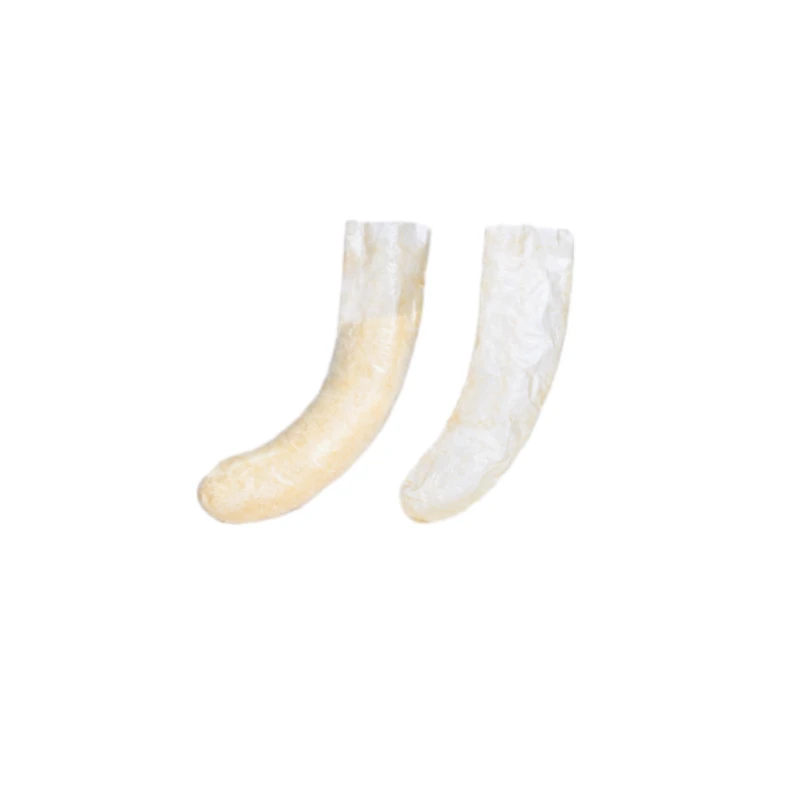
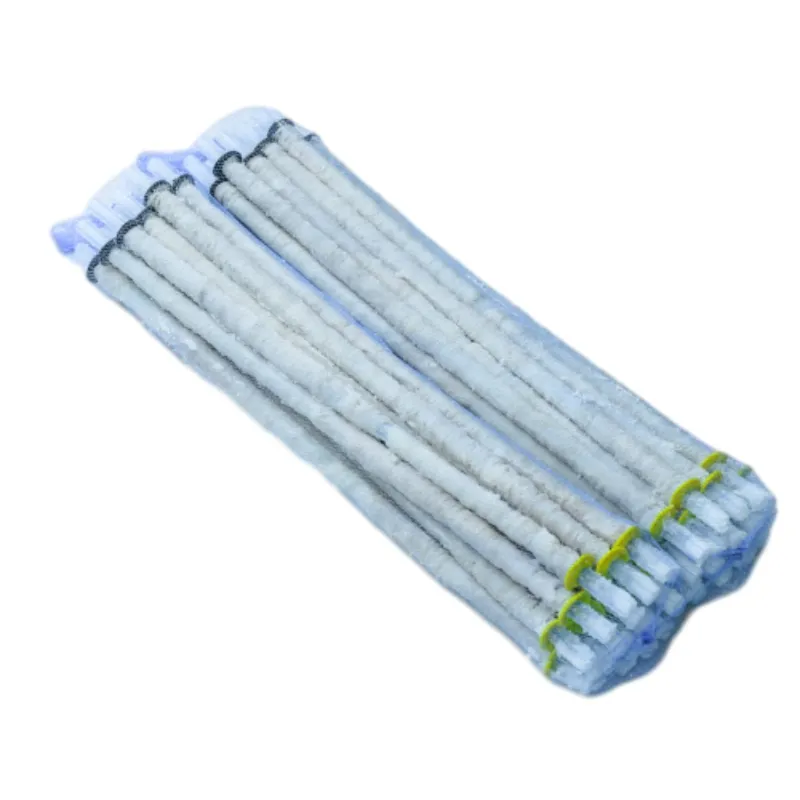
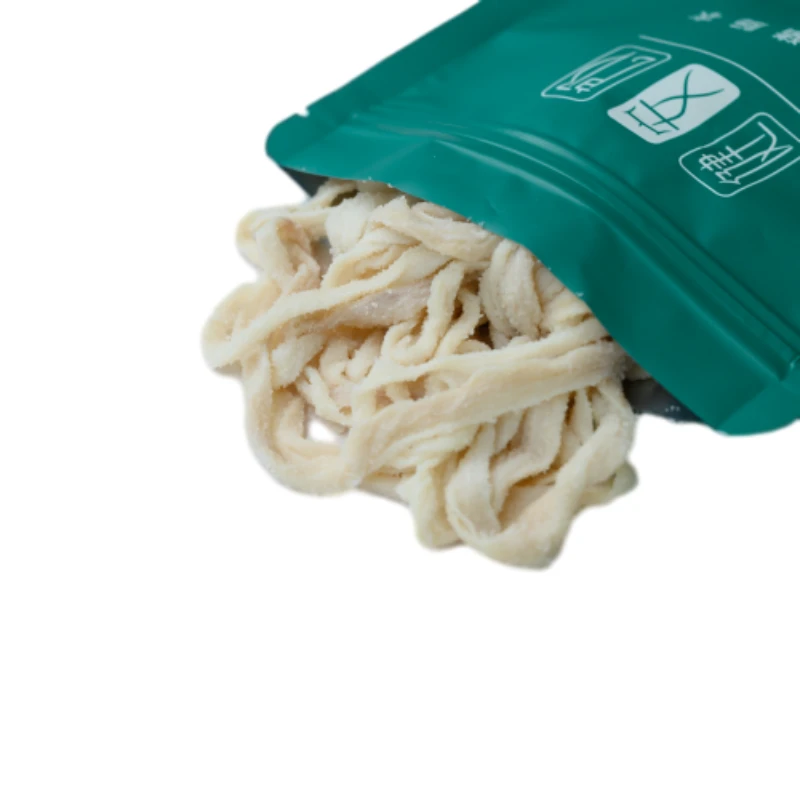
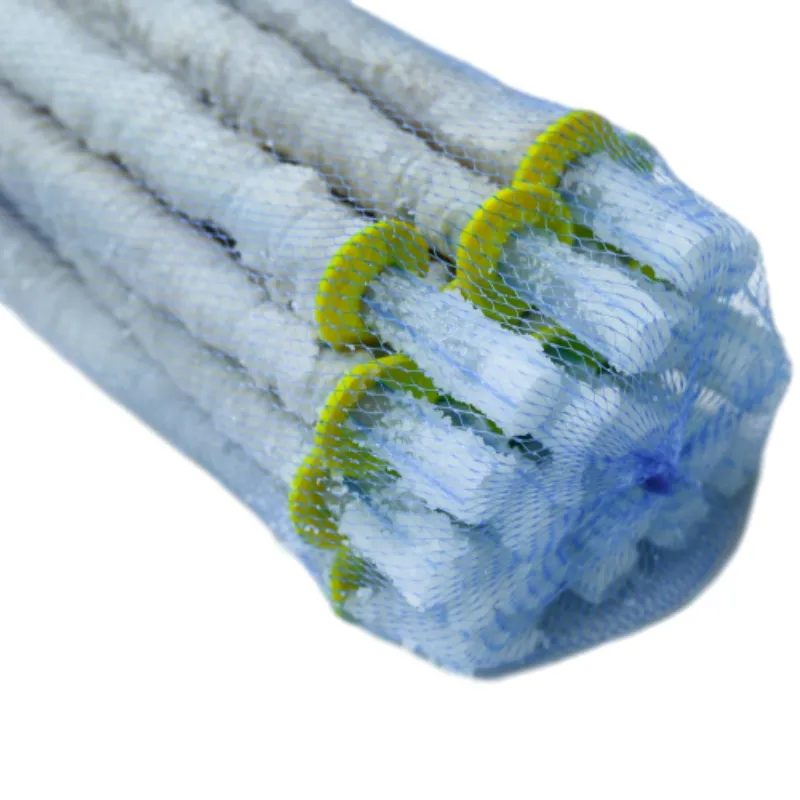
In simple terms, vegan sausage casings are protective covers made entirely from plant-based or non-animal derived materials. Their role? To hold the sausage mix together, provide structure, and often give that delightful snap when you bite in.
Unlike traditional gut casings (animal intestines), or synthetic alternatives (which can be plastic-based), vegan casings must be edible, biodegradable, and suitable for cooking methods ranging from steaming to grilling. They connect the dots between modern consumer ethical demands and practical food manufacturing needs.
Typically, these casings are crafted from ingredients like:
- Cellulose: A natural polymer from wood pulp or cotton linters, processed to form edible films.
- Pea Protein: Emerging as a strong contender for its elasticity and strength.
- Seaweed Extracts (Alginate): Used especially for gel-like casings with a tender bite.
- Starches and Gums: Such as tapioca or carrageenan, adding texture and moisture retention.
This variety shows that vegan sausage casings are less about one magic ingredient and more about smart combinations designed to meet specific culinary and manufacturing challenges.
Mini takeaway:
Vegan casings blend natural polymers with plant proteins to form sturdy, edible sausage covers that align with ethical and sustainability goals.
Key Components Shaping Vegan Sausage Casings
Durability
One of the trickiest challenges is durability. Your casing needs to cling to the meat—or meat alternative—without tearing during stuffing or cooking. Luckily, cellulose from wood pulp is surprisingly resilient and widely used. Pea proteins offer elasticity, making sausages chewy and satisfying without cracking.
Scalability
Scaling production to match demand is vital. Cellulose casings, processed through industrial extrusion, can be produced in vast quantities. This contrasts with niche bio-sourced materials that sometimes struggle to meet factory-level speeds without cost hikes.
Cost Efficiency
Cost always drives decision-making. While synthetic casings can be cheap but questionable environmentally, vegan casings strike a balance. Their raw materials—wood pulp, seaweed—are renewable and increasingly affordable with technological advances.
Food Safety and Quality
No one wants a casing that affects taste or food safety. Vegan casings are often easier to sterilize and offer consistent quality, which also reduces waste—a big bonus across all supply chains.
Customization
Manufacturers can tweak thickness, elasticity, or moisture barrier properties to suit spicy, delicate, or even smoked vegan sausages. This adaptability fuels creativity in vegan charcuterie.
Environmental Impact
Probably the top consideration these days, vegan casings have lower carbon footprints, are biodegradable, and avoid animal agriculture’s heavy toll—multiple wins rolled into one humble casing.
Mini takeaway:
Balancing strength, production scale, cost, safety, and environmental responsibility is the secret sauce behind quality vegan sausage casings.
Applications Across the Globe
Vegan sausage casings aren’t confined to just hipster bistros in Berlin or Portland. They’re making waves worldwide:
- Europe: A leader in vegan products, companies here use cellulose casings for extensive commercial vegan sausage lines.
- Asia: Countries like Japan and South Korea integrate seaweed-based casings for culturally adapted vegan sausages, adding umami elements.
- North America: Rapidly expanding markets drive innovation; pea protein-based casings are a rising star here.
- Disaster Relief & Humanitarian Organizations: Plant-based casings are favored for their shelf stability, safety, and ethical appeal when quick high-protein meals are needed.
- Specialized Vegan Brands and Startups: Small-batch producers use these casings to catch both ethical and quality-conscious consumers.
In fact, according to ISO standards on food packaging, materials used in these casings undergo rigorous testing for safety and suitability to diverse climate conditions—a consideration critical for global deployment.
Product Specifications of Popular Vegan Sausage Casings
| Specification | Cellulose-Based Casings | Pea Protein Casings | Seaweed (Alginate) Casings |
|---|---|---|---|
| Material Origin | Wood pulp, cotton linters | Yellow pea protein isolates | Brown seaweed extract |
| Edibility | Usually removed post-cook | Fully edible | Fully edible, soft texture |
| Typical Thickness | 30–50 microns | 40–60 microns | 20–40 microns |
| Water Permeability | Low | Moderate | High |
| Shelf Life | 18–24 months (dry) | 12–18 months | 8–12 months |
Comparing Vegan Sausage Casing Providers
| Vendor | Material Focus | Sustainability Certification | Customization | Average Lead Time |
|---|---|---|---|---|
| EcoWrap Solutions | Cellulose | FSC, ISO 14001 | Thickness, diameter | 4 weeks |
| GreenPea Innovations | Pea Protein | Organic, Non-GMO | Elasticity, flavor infusion | 6 weeks |
| OceanGel Casings | Seaweed Alginate | MSC Certified, Vegan | Texture, moisture barrier | 3 weeks |
Advantages & Long-Term Value of Vegan Casings
Choosing vegan sausage casings signals more than just a product preference; it embodies a commitment to sustainability, ethical consumption, and innovation. The benefits stack up nicely:
- Eco-friendly production: Using renewable resources and biodegradable materials reduces landfill waste and carbon emissions.
- Consumer trust: Aligns with growing vegans' and flexitarians’ values — an emotional connection that sells.
- Consistency & safety: Vegan casings tend to offer standardized quality and fewer contamination risks than gut casings.
- Adaptability: They make crafting ever more creative plant-based “meats” easier.
When you think about it, these casings are kind of the unsung heroes making meatless sausages genuinely satisfying while making the planet smile a little more.
Emerging Trends & Innovations in Vegan Casings
The research community and industry innovators are buzzing. Recent advances include:
- Bio-engineered proteins: Scientists are developing new casing materials using lab-grown organic proteins that could mimic animal casing properties perfectly.
- Multi-layered biodegradable films: Offering better moisture retention without synthetic plastic layers.
- Automation & AI in manufacturing: Speeding up production, reducing waste, and tailoring casings to consumer preferences in real-time.
- Regulatory shifts: Globally, new food labeling and safety standards are pushing manufacturers to adopt transparent, fully plant-based casings.
Challenges & Solutions Facing Vegan Sausage Casings Today
No product is without bumps along the way. Common issues include:
- Fragility under thermal stress: Some plant-based casings can weaken at high heat. Ongoing chemical modifications and blending with plant gums are mitigating this.
- Cost premiums: Though decreasing, some vegan casings remain pricier than traditional alternatives.
- Limited global supply chains: As demand grows, producing enough consistent raw material can lag behind.
Innovators are tackling these challenges head-on, with startups partnering directly with sustainable raw material growers and investing heavily in R&D.
FAQ: What Are Vegan Sausage Casings Made Of?
- Q: Are vegan sausage casings safe for all cooking methods?
- A: Yes, most vegan casings—especially cellulose and pea protein varieties—are designed to withstand steaming, boiling, and even grilling. However, some seaweed-based casings are more delicate and better suited for steaming or gentle cooking.
- Q: Can I eat vegan sausage casings, or should they be removed?
- A: It depends on the type. Many pea protein or seaweed-based casings are fully edible and add to the texture, while cellulose casings are often removed after cooking since they’re tougher.
- Q: Are vegan sausage casings biodegradable?
- A: Yes. Since they’re made from natural plant materials, they break down relatively quickly under composting conditions, unlike plastics.
- Q: How do vegan casings compare in cost to traditional natural casings?
- A: Initially, they can be slightly more expensive due to technology and raw material sourcing, but with scale and innovation, costs are dropping steadily.
- Q: Can I customize vegan sausage casings for my product?
- A: Absolutely. Many suppliers offer customization options such as thickness, diameter, and elasticity to match your product’s requirements.
Wrapping Up: Why Vegan Casings Are Here to Stay
In the grand scheme, what are vegan sausage casings made of isn’t just a niche question — it’s a reflection of evolving consumer ethics, sustainability imperatives, and food science innovation. They enable producers to make delicious, ethical sausages that consumers feel good about, without compromise.
So next time you bite into a vegan sausage with that familiar snap, you might just appreciate the plant-powered tech behind it. Hungry for more insights or keen to explore vegan casing options? Visit our website: https://www.rtcasing.com for details, samples, and expert advice to elevate your product line.