Dec . 07, 2025 20:01
Why You Should Consider Where to Buy 22mm Sausage Casing
Having worked in the industrial equipment sector for more than a decade, I’ve seen firsthand how small choices—like the type of sausage casing you use—can ripple through production quality and cost-efficiency. If you’re on the lookout to buy 22mm sausage casing, you’re entering a world where the decision might seem straightforward, but frankly, it’s layered with nuances that affect your final product more than you might imagine.
Let’s start with the basics. The 22mm size refers to the diameter, suitable for producing sausages that strike a good balance between a firm snap and ease of cooking. Oddly enough, many factories overlook the impact of casing quality, focusing instead on stuffing machinery or recipes, but picking the wrong casing can lead to unnecessary product waste, poor shelf life, or inconsistent cooking.
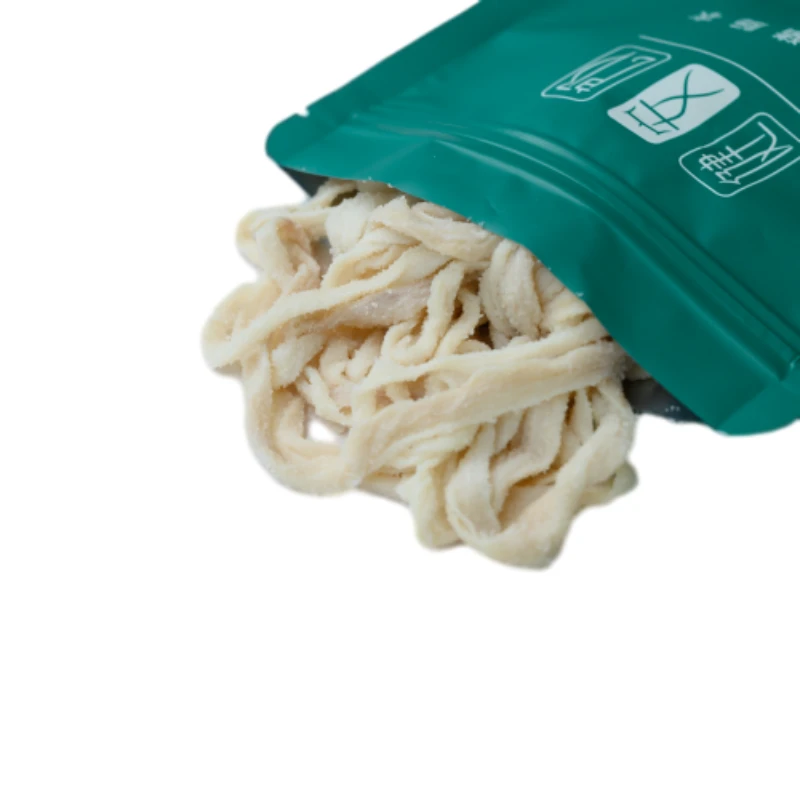
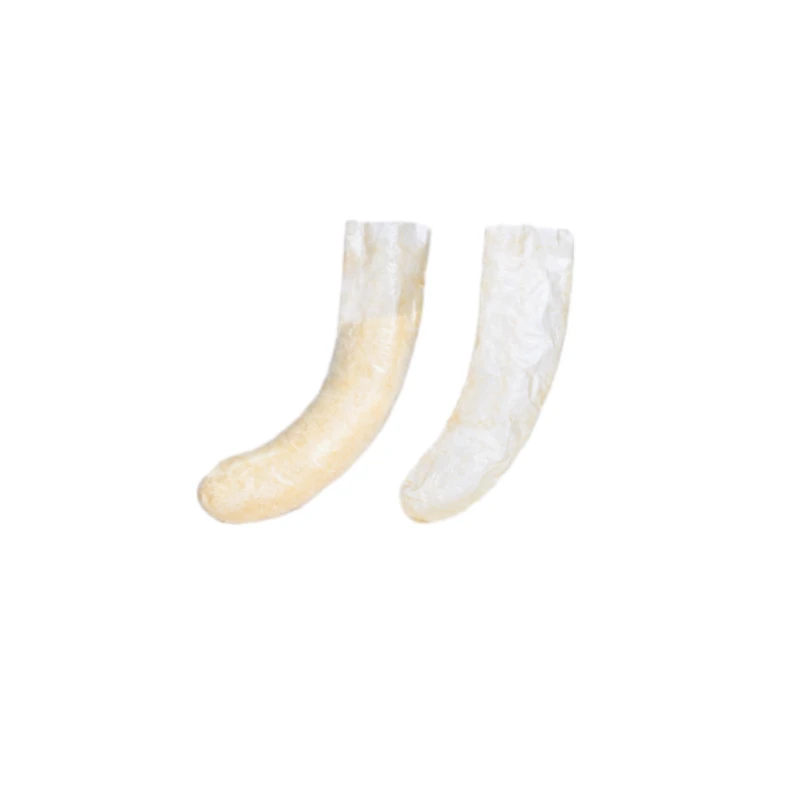
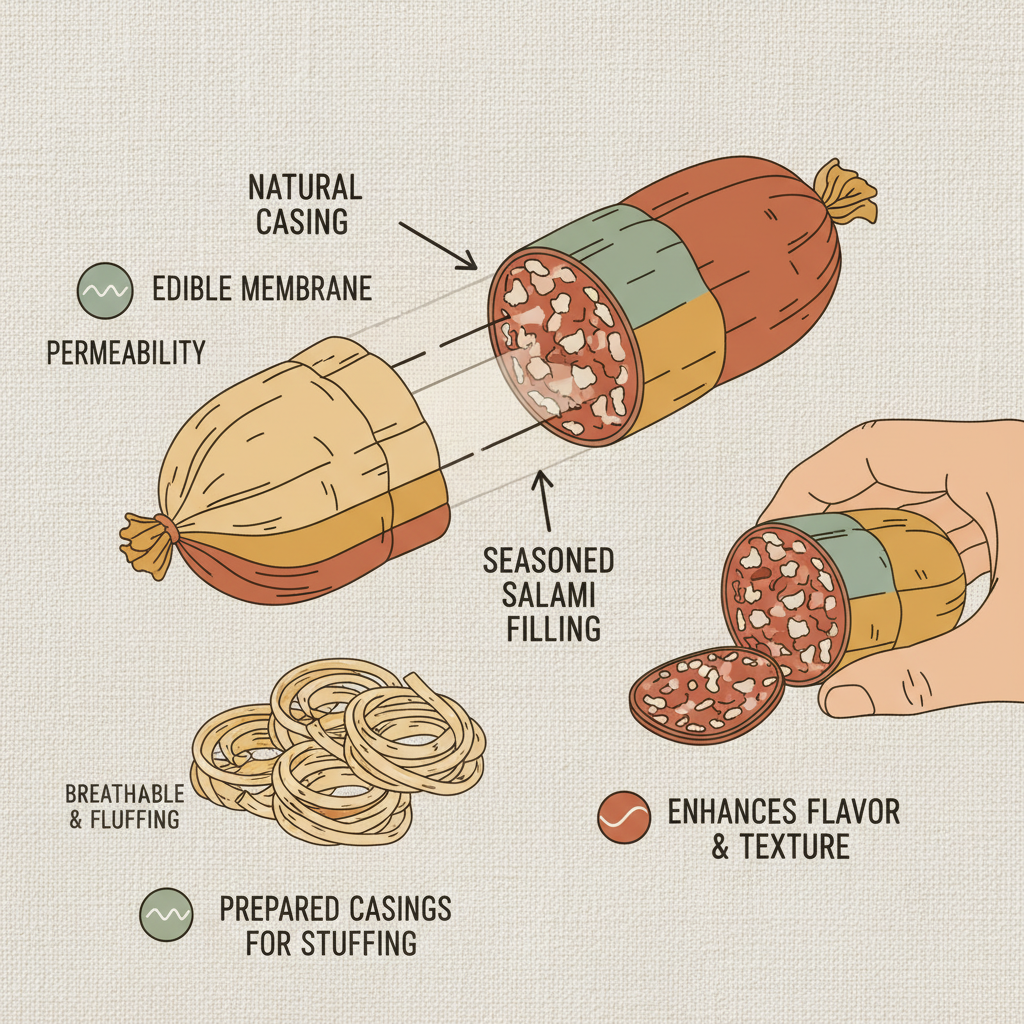
Sausage casings generally fall into two main categories: natural and synthetic. For 22mm casings, collagen-based synthetics dominate the market, especially when you want a uniform diameter and consistent strength. Natural casings come from animal intestines, which can be charming for artisanal producers but offer less uniformity—and frankly, more handling challenges.
I’ve seen production lines face stoppages simply because a casing split prematurely under pressure—that’s the kind of headache you want to avoid, especially in large batches. Collagen casings, specifically edible ones, bring a smooth surface, less breakage, and are more predictable under varying stuffing pressures.
Before you pick a supplier, it’s crucial to understand the materials and testing standards. Many reputable vendors provide casings that have undergone microbiological testing, water content analysis, and tensile strength verification. These numbers matter. For example, tensile strength affects the casing’s ability to resist bursting during filling, which, trust me, saves you tons of downtime.
| Specification | Details |
|---|---|
| Diameter | 22mm ± 1mm |
| Material | Collagen (edible), synthetic variants |
| Tensile Strength | ≥ 65 MPa |
| Water Content | 45–55% |
| Shelf Life | 12 months (unopened) |
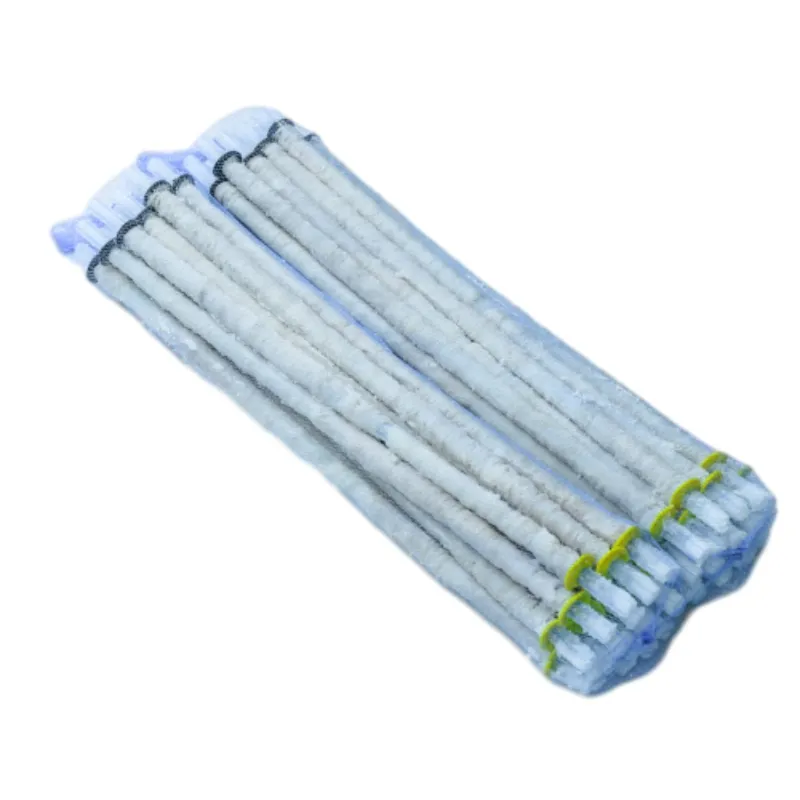
| Packaging | Vacuum-sealed rolls or sticks |
It’s also worth mentioning customization. Some vendors offer branded casing colors or seasoning-infused casings, though from what I’ve encountered, it doesn’t often translate to a significant production boost but can elevate brand perception. Many engineers say it’s the eke-out factor in competitive markets.
Speaking of vendors, the choice isn’t just about the product specs. It’s about reliability, delivery speed, and customer support. In real terms, I once worked on an order where a delayed casing shipment halted a full shift. You can guess how costly that was. You want a supplier who understands your timelines, communicates well, and offers post-sale assistance.
| Vendor | Product Quality | Lead Time | Customer Support | Pricing |
|---|---|---|---|---|
| RTCasing | High – Consistent with testing certificates | 3-5 days | Responsive, technical support available | Competitive |
| Generic Supplier | Medium – Inconsistent batches reported | 7-10 days | Minimal, slow responses | Lower upfront |
| Premium Casings Co. | Very High – Premium collagen sourced | 5-7 days | Excellent – 24/7 support | Higher cost |
To illustrate, a client once switched to a quality 22mm collagen casing after consistently facing casing bursts. The switch brought a 15% reduction in waste and noticeably improved their product consistency. It wasn’t just about savings — their chefs noticed improved ease of handling, which matters in a busy kitchen environment.
So, the takeaway? Picking where to buy 22mm sausage casing has to be a decision weighted by specs, vendor reliability, and your production realities — not simply price. And oddly enough, the right casing feels like a silent partner in your product’s success.
References:
1. Industry standards for sausage casing (ISO 23036)
2. RTCasing Technical Data Sheets
3. Personal experience and client case studies (2014-2023)