Nov . 27, 2025 18:50
Understanding Hog Casing Manufacturers: Why They Matter in Today’s World
At first glance, “hog casing manufacturers” might not sound like the buzzword of international trade or industrial innovation — but I’m telling you, they hold a surprisingly pivotal place in the global supply and food processing chain. Simply put, these manufacturers produce the essential natural or synthetic casings that shape and preserve sausages, meats, and even specialty food items. Across continents, especially in countries with strong meat industries, reliable hog casing manufacturers have become linchpins that support economies, food safety, and even cultural culinary heritage.
People rarely stop to think of the humble sausage casing — but it’s the shell that makes certain delicacies possible, maintaining both taste and texture. Beyond just food, hog casings also play indirect roles in industries like pharmaceuticals and bioengineering, where materials must have specific properties like strength and biodegradability.
Global Context: How Hog Casing Manufacturers Fit Into the Bigger Picture
Globally, the meat processing industry is enormous — according to the UN Food and Agriculture Organization, over 330 million tons of meat are produced annually. A significant chunk of this product line depends on hog casing manufacturers who supply natural and synthetic casings to processors worldwide.
But here’s where it gets tricky: supply chain disruptions, animal disease outbreaks, and evolving consumer preferences challenge hog casing manufacturers to adapt fast. For example, African Swine Fever drastically cut hog populations in some regions, prompting manufacturers to seek alternatives or innovate synthetic casings. Meanwhile, sustainability concerns spur the industry to develop eco-friendlier options, not to mention tackling hygiene regulations that keep evolving.
In short, these manufacturers don’t just “make sausage skins” — in many ways, they solve critical challenges of scale, safety, and sustainability for various stakeholders.
Mini takeaway: Hog casing manufacturers are more than food suppliers - they're global problem solvers adapting to evolving meat industry demands.
What Exactly Are Hog Casing Manufacturers?
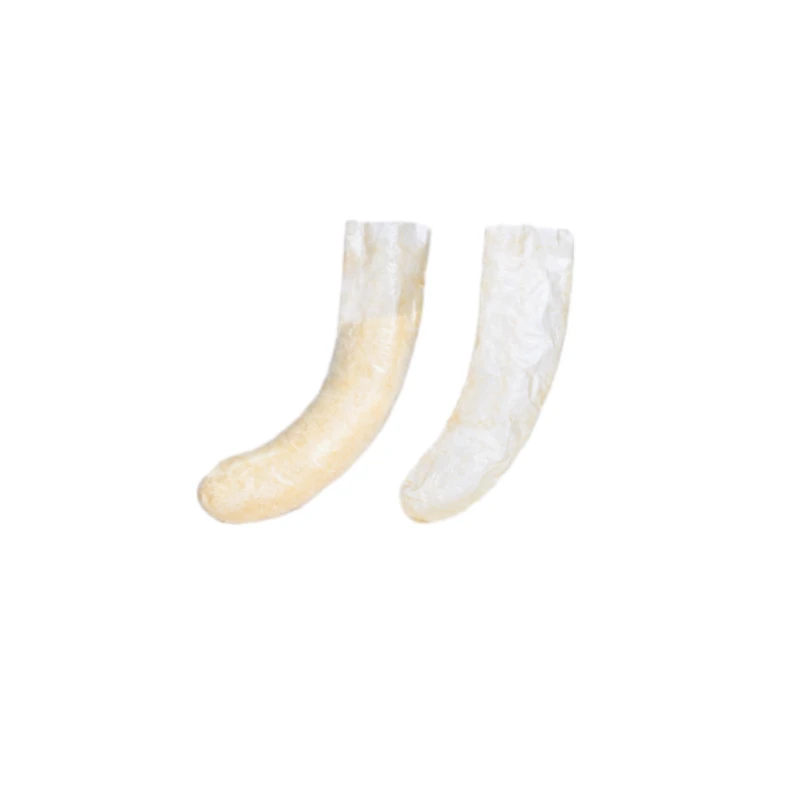
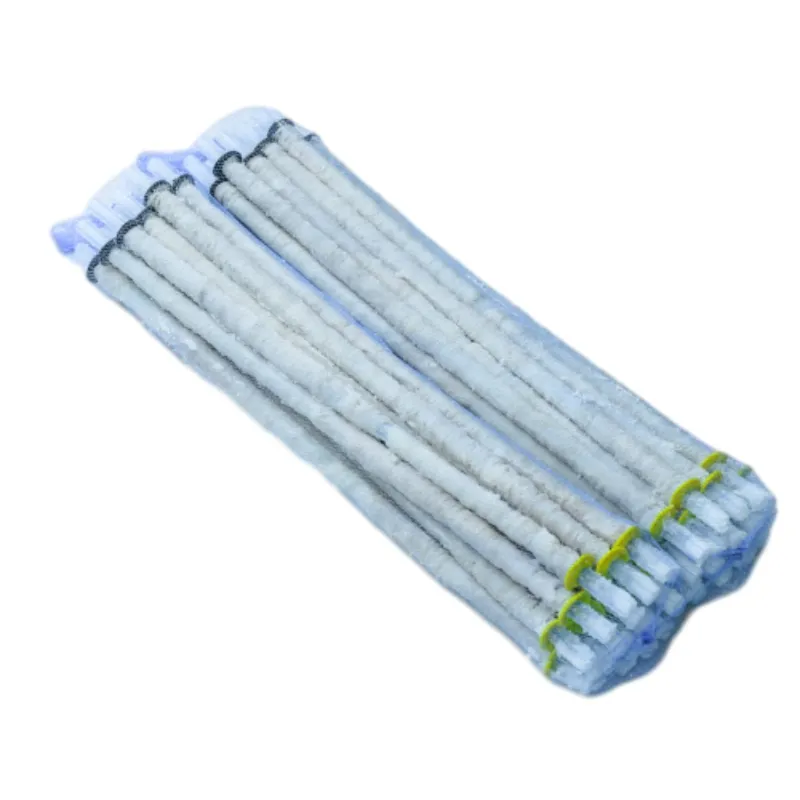
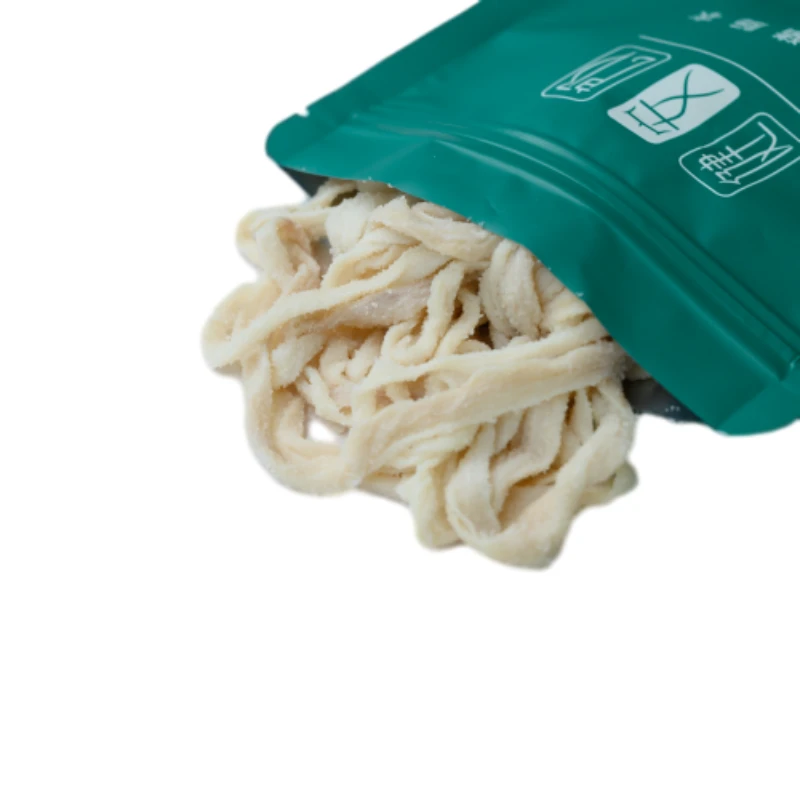
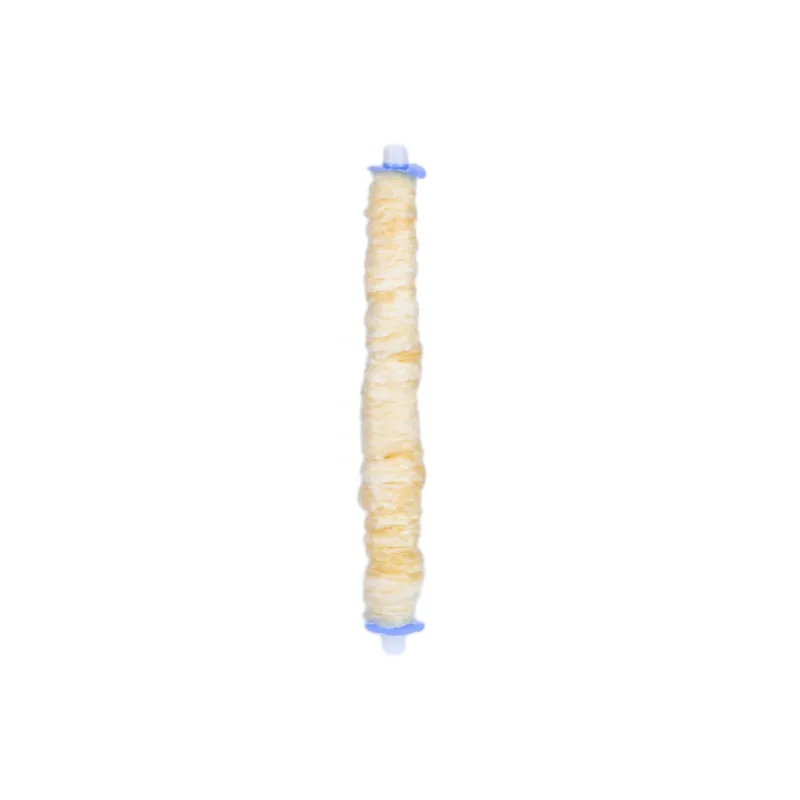
Let’s break it down into basics: hog casing manufacturers produce casings — usually derived from the intestines of pigs (hence “hog”) — used mainly as natural sausage casings. The process involves cleaning, grading, and treating these natural materials to make them safe and functional.
While the traditional casings come from real animal intestines, bioengineered or collagen-based casings are also crafted by innovative hog casing manufacturers. This blend of nature and technology ensures that as consumer habits shift, the industry keeps pace.
These casings are crucial to the meat processing segment but are also increasingly relevant in biotech or specialty packaging industries, where precise material properties matter.
Mini takeaway: Hog casing manufacturers combine traditional know-how with modern technology to serve food and beyond.
The Core Factors That Define Quality Hog Casing Manufacturers
1. Durability and Strength
One of the most critical features hog casings must have is mechanical strength. The casing must withstand stuffing machines, cooking processes, and storage. Manufacturers invest heavily in quality control to ensure their products don’t burst or become brittle.
2. Food Safety Compliance
Given these casings directly contact food, they’re subject to strict health standards: ISO certifications, FDA regulations, and industry-specific audits. Reputable hog casing manufacturers continually monitor microbial risks and chemical residues.
3. Scalability of Production
Meeting global and seasonal demands means manufacturers need scalable operations — some can produce hundreds of tons annually, others specialize in niche artisan-quality products. Flexibility is key in adapting to market needs.
4. Sustainability and Waste Reduction
Across the board, there’s an increasing push to reduce environmental footprints. Forward-thinking hog casing manufacturers recycle byproducts, employ energy-efficient processing, and innovate biodegradable or synthetic alternatives to reduce reliance on animal-based materials.
5. Customization & Innovation
Not all casings are one-size-fits-all. Many manufacturers offer tailored sizes, thicknesses, and collagen blends to match specific client needs — from large-scale meatpacking operations to boutique charcuteries.
Mini takeaway: Quality hog casing manufacturers balance strength, safety, scale, sustainability, and client-specific innovation.
Real-World Applications: From Farms to Food Processors and Beyond
Hog casings don’t just sit in a factory waiting for a sausage to come alive; their use channels through multiple industries and regions.
- Meat Processing Plants: Sites in Europe, the US, and Asia rely on high-volume hog casings to produce sausages, salamis, and hams. For example, German butchers have a tradition of using hog casings for distinctive regional sausages.
- Disaster Relief & Humanitarian Aid: It might sound odd, but in places with disrupted supply chains, synthetic casings have been used to package portable protein sources efficiently.
- Export and Trade: Countries like China and the US lead in consuming natural casings, but manufacturers in Latin America and Eastern Europe have grown as exporters, linking rural communities to global markets.
- Pharmaceutical Encapsulation: Some hog casing manufacturers partner with pharma companies for gelatin sources used in capsule production.
Example:
During the floods in Southeast Asia (2018), regional food producers depended on hog casings from nearby suppliers to support large-scale meat preservation efforts — a small but vital fact that often flies under the radar.
Mini takeaway: Global dependence on hog casing manufacturers spans culinary, humanitarian, and industrial sectors.
The Lasting Value and Advantages of Choosing the Right Hog Casing Manufacturer
Why does it matter so much to find a reliable manufacturer?
- Cost-Effectiveness: Long-lasting, uniform casings reduce waste and downtime for food producers.
- Product Safety and Hygiene: Trusted manufacturers mitigate contamination risks, indirectly protecting end consumers.
- Sustainability: By sourcing responsibly and innovating with biodegradable materials, manufacturers support global environmental goals.
- Cultural Significance: In many regions, traditional sausage recipes hinge on authentic natural casings, sustaining culinary heritage.
- Innovation Drives Market Edge: Manufacturers pioneering new collagen blends or synthetic options help clients expand product lines and meet changing regulations.
Choosing a top-tier hog casing supplier can mean the difference between a batch that ships on time versus one that delays or reaches consumers second-rate.
Mini takeaway: High-quality hog casing manufacturers ensure safety, sustainability, cost savings, and respect cultural traditions.
Trends and Innovations Ahead in Hog Casing Manufacturing
Oddly enough, this traditional industry is buzzing with innovation.
- Green Manufacturing: New processing methods are cutting water and energy use drastically.
- Synthetic Blends: Collagen casings made from plant derivatives or lab-grown proteins aim to meet vegan or allergen-free trends.
- Digital Quality Testing: Automated scanners assess casing thickness and porosity mid-production to avoid defects.
- Global Regulatory Alignment: Manufacturers are adapting products to meet EU, US, and Asian standards simultaneously for smoother trade.
Mini takeaway: The mix of tradition and tech promises a future where hog casings become even safer, greener, and more versatile.
Addressing Challenges: What Keeps Hog Casing Manufacturers Up at Night?
Challenges abound in this sector.
- Supply Vulnerability: Disease outbreaks in livestock can impact raw material availability unexpectedly.
- Market Volatility: Fluctuating demand worldwide, especially with dietary trends shifting towards plant-based options.
- Quality Control Complexity: Maintaining consistent output across natural products is tricky.
Thankfully, many manufacturers have turned to vertical integration, digital traceability, and diversification of casing types to soften these hits.
Mini takeaway: Despite setbacks, strategic planning and innovation keep the industry resilient.
FAQ: Common Questions About Hog Casing Manufacturers
- Q: How do hog casing manufacturers ensure food safety?
- A: They follow stringent cleaning and sterilization protocols, comply with international certifications like ISO 22000 and FDA guidelines, and conduct routine microbial testing to ensure casings meet safety standards.
- Q: Can synthetic casings match natural hog casings in performance?
- A: Modern synthetic and collagen casings can closely mimic natural casings in strength and cooking behavior, though some traditionalists prefer natural for texture and flavor impact.
- Q: Are hog casing manufacturers adapting to sustainability trends?
- A: Yes, many are incorporating waste reduction, renewable energy, and biodegradable materials into their production, seeing sustainability as a competitive advantage.
- Q: How long does shelf life last for natural hog casings?
- Typically, properly stored natural hog casings can last up to 12 months refrigerated or frozen, but this varies per treatment by manufacturers.
- Q: Where can I find reputable hog casing manufacturers?
- Regions like Europe, North America, and parts of Asia host established manufacturers. For a detailed directory, check resources like hog casing manufacturers specializing in both natural and synthetic options.
Product Specification Table for Typical Hog Casings
| Specification | Typical Range | Notes |
|---|---|---|
| Diameter | 18-32 mm | Depends on sausage type |
| Length per bundle | 10-20 meters | Varies by supplier |
| Material | Natural pork intestine / Collagen | Synthetic casings also available |
| Shelf Life | Up to 12 months refrigeration | Keep frozen for extended storage |
| Certification | ISO 22000, FDA approved | Mandatory for food safety |
Comparing Leading Hog Casing Manufacturers
| Manufacturer | Region | Specialty | Sustainability | Certification |
|---|---|---|---|---|
| Global Casings Co. | Europe | Natural & Collagen | Energy-efficient plants | ISO 22000, EU Food Safety |
| Asia MeatProtect | Asia | Synthetic & Plant-based | Biodegradable casings | FDA, HACCP |
| American Natural Casings | North America | Artisan Natural Casings | Byproduct recycling | USDA, ISO 22000 |
Wrapping Up: Why Hog Casing Manufacturers Deserve Your Attention
Whether you’re a food producer, a logistics expert, or simply a curious consumer, the role of hog casing manufacturers is one worth knowing about. Behind every traditionally made sausage or innovative new protein product lies the quality and innovation of these suppliers. They connect centuries-old animal processing traditions with modern demands for safety, sustainability, and customization.
If you want to dive deeper or source quality hog casings, I'd recommend starting with trusted experts in the sector — you can check reputable lists at hog casing manufacturers who balance tradition and future-ready technology.
It’s that delicate interplay of nature and technology, cost and care, heritage and innovation that makes hog casing manufacturers quietly vital in our global food systems.