How to Use Dry Sausage Casing: Easy Homemade Cured Sausage

Sep . 19, 2025 16:10

Leveraging Dried Hog Casings in Modern Food Production: An In-Depth Guide

In the intricate world of meat processing and artisan charcuterie, the selection of appropriate sausage casings is paramount to achieving desired product quality, texture, and consumer appeal. Among the various options available, how to use dry sausage casing effectively has become a critical skill for manufacturers seeking authenticity and superior performance. Dried hog casings, specifically, offer a compelling combination of natural aesthetics, robust strength, and excellent permeability, making them indispensable for a wide array of sausage products, from fresh links to complex cured specialties. This detailed guide explores the technical aspects, application scenarios, and strategic advantages of integrating these natural casings into your production workflow.
How to Use Dry Sausage Casing: Easy Homemade Cured Sausage

Industry Trends Driving Demand for Natural Casings

The global food industry is currently witnessing a significant shift towards natural and minimally processed products. Consumers are increasingly scrutinizing ingredient lists and favoring items that convey authenticity, traditional craftsmanship, and superior sensory qualities. This trend directly fuels the demand for natural sausage casings, such as dried hog casings, over synthetic alternatives. Manufacturers are recognizing that the distinctive "snap" (a technical term referring to the bite resistance and clean break of the casing), the natural appearance, and the excellent smoke permeability offered by natural casings are key differentiators in a competitive market. Furthermore, sustainability and ethical sourcing are growing concerns, pushing suppliers to ensure their natural casing products meet stringent environmental and welfare standards, adhering to certifications like ISO 14001. The market for premium, artisanal meat products also continues to expand, where the unique characteristics of natural casings are not just preferred but expected.

The Meticulous Process of Manufacturing Dried Hog Casings

The production of high-quality dried hog casings is a sophisticated process that begins with careful sourcing and meticulous handling of raw materials. Unlike industrial processes such as CNC machining or forging, the manufacturing of natural casings relies on biological material processing and preservation techniques, ensuring product integrity and food safety.

Process Flow Schematic for Dried Hog Casing Production:

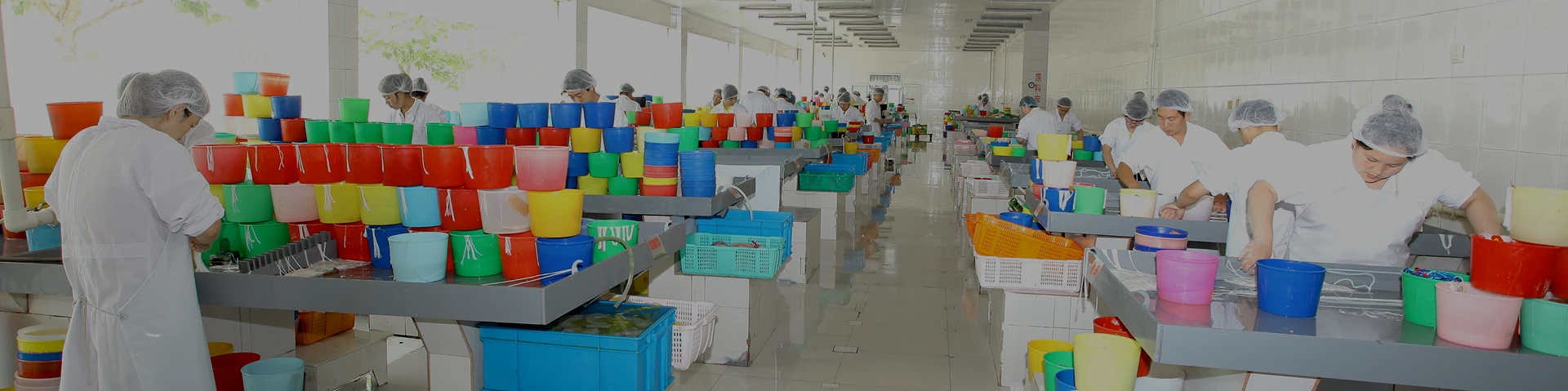
  1. 1. Raw Material Sourcing & Initial Cleaning: Fresh hog intestines are collected from USDA/FDA inspected facilities. They undergo initial washing to remove chyme and extraneous material, ensuring hygienic handling from the outset.
  2. 2. Stripping & Sliming: The intestines are carefully stripped to remove internal mucosa and external serosa layers, leaving only the submucosa, which forms the robust and elastic casing. This is a critical step for strength and permeability.
  3. 3. Flushing & Washing: Casings are thoroughly flushed with potable water and extensively washed to remove any remaining impurities, adhering to strict food safety protocols.
  4. 4. Calibration & Selection: Casings are precisely calibrated for diameter (caliber) and sorted by length and quality grade. This ensures consistent product specification vital for automated stuffing machines.
  5. 5. Salting & Curing: Casings are heavily salted with food-grade salt. This acts as a natural preservative, drawing out moisture and inhibiting microbial growth, preparing them for the drying phase. This step is governed by ISO 22000 standards for food safety management.
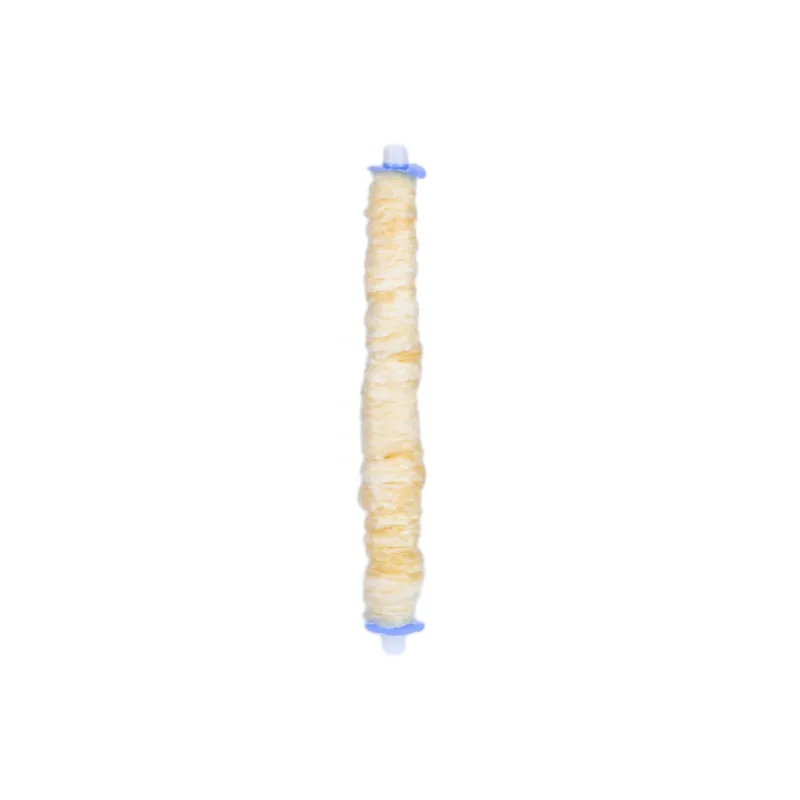
  6. 6. Drying: The salted casings are then carefully air-dried in controlled environments, typically at specific temperatures and humidity levels, over several days or weeks. This process reduces moisture content significantly, achieving long-term shelf stability without refrigeration. The resulting product is a high-quality dried sausage casing.
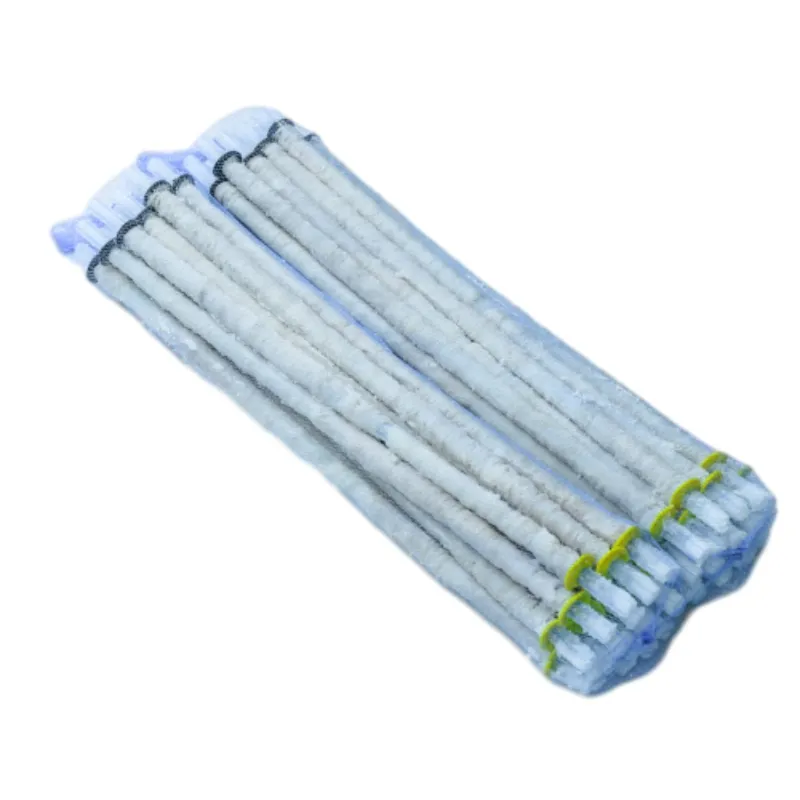
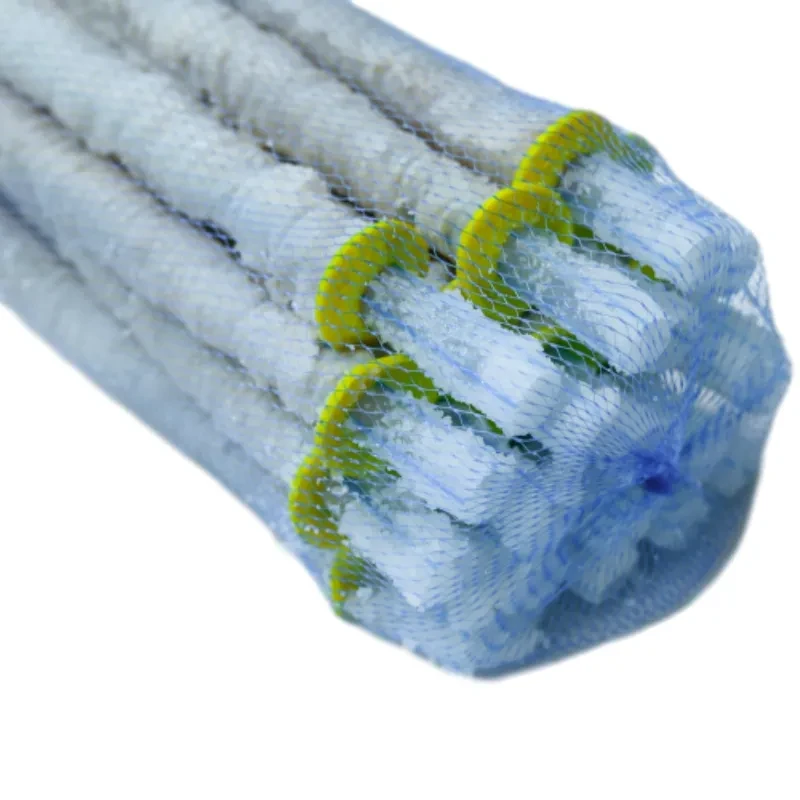
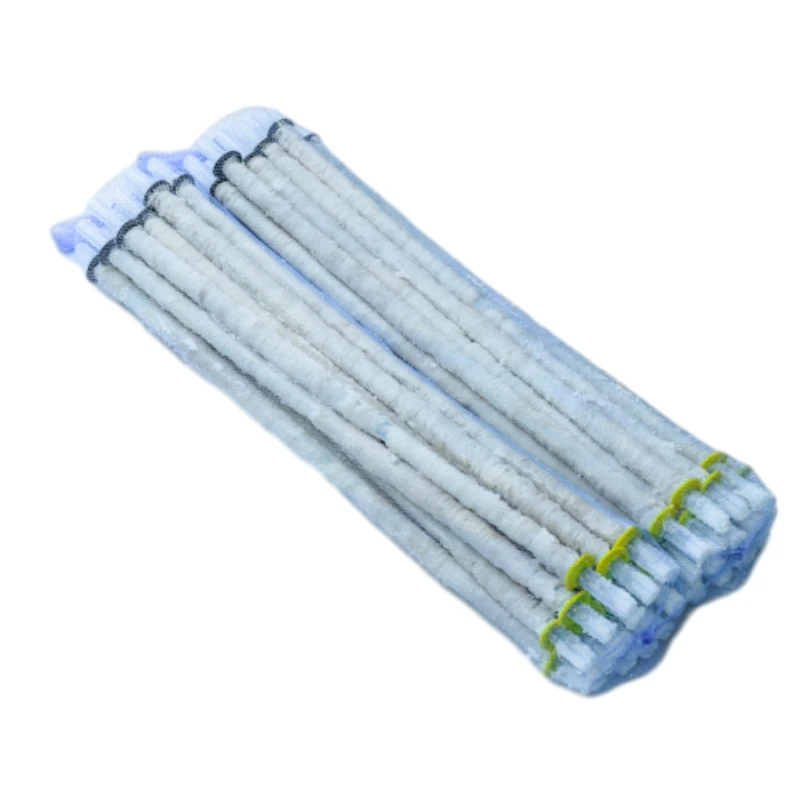
  7. 7. Final Inspection & Packaging: Each strand or hank undergoes a final visual inspection for defects, strength, and adherence to specified dimensions. They are then packed, often in net bundles or vacuum-sealed, for shipment.

Testing standards are rigorous, encompassing visual inspection for defects, measurement of tensile strength, and precise caliber verification to meet industry benchmarks such as ISO 9001 for quality management. The typical service life of properly stored dried hog casings can extend for up to two years, provided they are kept in cool, dry conditions away from direct sunlight.

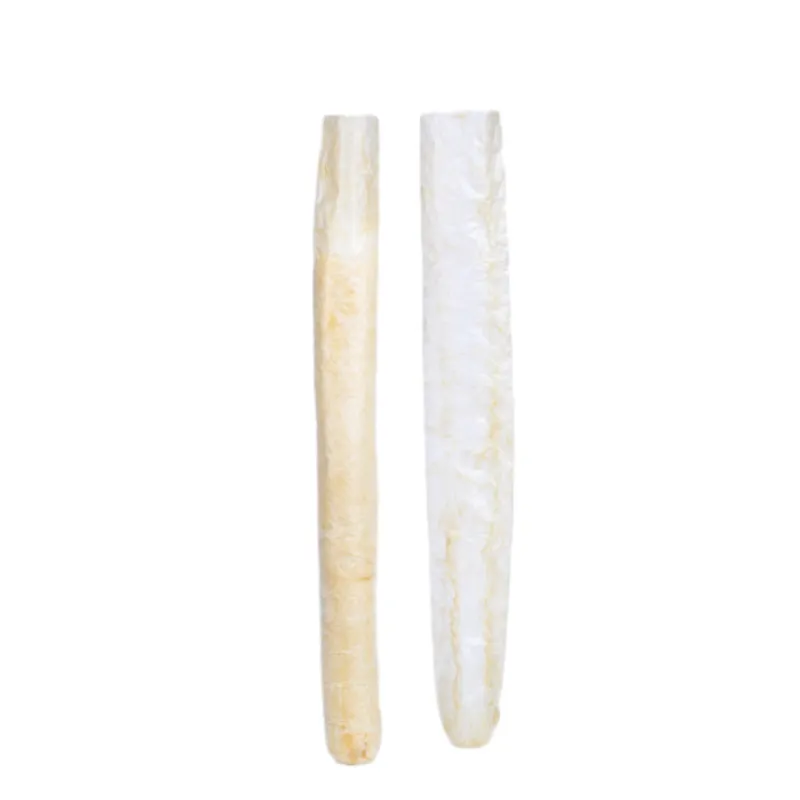
Target industries for these casings primarily include large-scale meat processors, artisan charcuterie producers, gourmet food manufacturers, and even specialized restaurants. The advantages in typical application scenarios include superior energy savings due to ambient storage (no refrigeration required for the dry product), and inherent corrosion resistance (as a natural material, it does not corrode). Critically, it offers unparalleled sensory appeal and authenticity compared to synthetic alternatives.
How to Use Dry Sausage Casing: Easy Homemade Cured Sausage

Technical Specifications of Dried Hog Casings

Understanding the precise technical parameters of dried hog casing is crucial for optimal product development and consistent manufacturing. RTCasing provides a range of specifications to meet diverse production needs.

Typical Product Specifications: Dried Hog Casing
Parameter Specification Range Measurement Standard
Caliber (Diameter) 28mm - 40mm (in 2mm increments) Micrometer / Visual Gaugue
Length per Hank 91.44 meters (100 yards) standard Certified Measuring Devices
Salt Content (as % NaCl) Min. 20% (Dry Weight Basis) AOAC 920.153 (Moisture), 971.27 (Chloride)
Moisture Content Max. 10% (Dry Weight Basis) Karl Fischer Titration
Tensile Strength Min. 250 kPa (Rehydrated) ASTM D638 (Modified)
Shelf Life (Storage) 24 months (Cool, Dry Conditions) Accelerated Shelf Life Testing
Origin North America, EU, South America, China (Certified) Traceability Logs

These specifications ensure that the casings perform consistently under various industrial processing conditions, from high-speed stuffing to thermal processing and smoking. The inherent elasticity and strength of dried hog casings make them suitable for both coarse and fine emulsion sausages.
How to Use Dry Sausage Casing: Easy Homemade Cured Sausage

Application Scenarios and Usage Best Practices

The versatility of dried hog casings allows for their application across a broad spectrum of sausage products. Proper preparation, particularly rehydration, is key to maximizing their performance.

Typical Applications:

  • Fresh Sausages: Ideal for products like bratwurst, Italian sausage, breakfast links, and various regional specialties where a tender bite and natural appearance are desired. Their strength accommodates high-speed stuffing.
  • Smoked Sausages: Excellent smoke permeability allows for deep flavor penetration and rich color development in frankfurters, kielbasa, and smoked country sausages.
  • Cured Sausages: Utilized for dry-cured products like salami, chorizo, and pepperoni. The casing contributes to the drying process by allowing moisture release while protecting the meat emulsion. The natural adhesion of the casing to the meat also minimizes fat cap formation and promotes even drying.

Best Practices for how to use dry sausage casing:

Prior to stuffing, dried hog casings must be rehydrated. This critical step ensures elasticity and prevents breakage.

  1. Rinsing: Rinse the dried hog casings thoroughly under cool, running water to remove excess salt.
  2. Soaking: Soak the casings in warm water (approx. 30-35°C / 86-95°F) for at least 30 minutes to 2 hours, or until they become pliable and transparent. For a deeper clean or to reduce saltiness further, an optional soak in a diluted vinegar solution (1 part vinegar to 10 parts water) can be performed, followed by another plain water rinse.
  3. Flushing: Before stuffing, flush the inside of the casings with water to ensure they are fully open and ready for the meat emulsion.
"Our transition to RTCasing's dried hog casings significantly improved the textural integrity of our smoked bratwurst. The consistent caliber reduced breakage on our automated stuffers, and the superior smoke penetration gave our product a richer, more authentic flavor profile that our customers consistently praise." - Senior Production Manager, Midwest Artisan Meats.
How to Use Dry Sausage Casing: Easy Homemade Cured Sausage

Technical Advantages of Dried Hog Casings

From an engineering and food science perspective, dried hog casings present several distinct advantages over alternative casing types. These benefits translate directly into superior product quality and operational efficiency.

  • Exceptional Permeability: The natural collagen structure of hog casings allows for optimal transfer of smoke, moisture, and curing agents. This is crucial for flavor development, even drying, and achieving the desired color in smoked and cured products. This natural permeability is difficult to replicate with synthetic materials.
  • Robust Elasticity and Strength: While dried, upon proper rehydration, hog casings exhibit remarkable elasticity and tensile strength. This allows them to withstand the pressures of high-speed stuffing equipment without excessive breakage, minimizing production downtime and waste. Their resilience is vital for maintaining product integrity throughout thermal processing.
  • Excellent Adhesion: Post-stuffing and during cooking or curing, natural casings adhere tightly to the meat emulsion. This prevents the formation of fat pockets and air gaps, which can lead to spoilage or undesirable texture. The tight adhesion also contributes to the characteristic "snap" upon biting.
  • Natural Appearance and Bite: For consumers, the irregular, natural curvature and tender bite of sausages encased in hog casings are highly prized. This sensory experience is a hallmark of premium sausage products and cannot be fully replicated by uniform synthetic casings.
  • Cost-Effectiveness & Storage: The dried format significantly reduces shipping weights and eliminates the need for refrigerated storage, offering considerable logistical and operational cost savings. Their extended shelf life in ambient conditions also simplifies inventory management.
How to Use Dry Sausage Casing: Easy Homemade Cured Sausage

Vendor Comparison: Choosing Your Dried Hog Casing Supplier

Selecting the right supplier for your dried hog casings is critical for consistent quality and supply chain reliability. A thorough vendor comparison should consider several key factors beyond just price.

Dried Hog Casing Vendor Comparison
Feature/Criterion RTCasing (Our Offering) Competitor A Competitor B
Caliber Range (mm) 28-40 (precision graded) 30-42 (broader increments) 26-38 (limited availability)
Quality Certifications ISO 9001, HACCP, FDA-compliant, EU Certified HACCP, ISO 9001 Basic Food Safety
Origin of Raw Material Globally Sourced, Traceable to Origin Regional Sourcing Undisclosed
Minimum Order Quantity (MOQ) Flexible, from 50 hanks 100 hanks 200 hanks
Lead Time (Standard Orders) 7-14 business days 14-21 business days 21-30 business days
Customization Options Yes (pre-flushed, pre-tied, specific lengths) Limited (pre-flushed only) No
Technical Support Dedicated Technical Team Standard Customer Service Email Only

RTCasing is committed to transparency and stringent quality control, backed by over 20 years of experience in the natural casing industry. Our partnerships with leading food safety bodies and a robust supply chain ensure consistent product availability and compliance with international standards.
How to Use Dry Sausage Casing: Easy Homemade Cured Sausage

Customized Solutions for Specialized Production Needs

Recognizing that every meat processor has unique requirements, RTCasing offers tailored solutions for dried hog casings. We understand that optimal performance on specific machinery or for proprietary product formulations often necessitates precise adjustments.

  • Caliber and Length Specificity: While standard ranges are available, we can source and prepare casings to very tight caliber tolerances or specific hanking lengths to optimize stuffing efficiency for automated lines, minimizing waste.
  • Pre-Flushed and Pre-Tied Casings: To reduce labor and preparation time on the production floor, we can provide pre-flushed (internal salt removed) or pre-tied (one end knotted) casings, ready for immediate rehydration and stuffing. This is particularly beneficial for high-volume operations seeking to streamline their workflow for dried sausage casings.
  • Special Drying Protocols: For certain unique applications or regional preferences, modifications to the drying process can be explored to achieve specific textural properties or moisture retention levels in the final casing.
  • Packaging Innovations: From bulk barrels for large processors to smaller, vacuum-sealed packs for artisan butchers, our packaging solutions are designed for convenience, extended shelf life, and protection during transit.

Our technical sales team works closely with clients to understand their operational challenges and product goals, leveraging our extensive expertise to propose and deliver custom casing solutions.

Application Case Studies: Real-World Impact

Case Study 1: Large-Scale Frankfurther Production

A major European meat processor faced challenges with inconsistent caliber and frequent breakage when using a competitor's dried hog casing for their high-speed frankfurter lines, leading to significant product waste and downtime.

  • Challenge: Inconsistent casing diameter and fragility resulted in production bottlenecks and a high percentage of rejected product during stuffing and linking.
  • Solution: RTCasing provided a specialized batch of 30-32mm precision-graded dried hog casings, pre-flushed and pre-tied, tailored for their automated equipment. Our technical support team also provided on-site training for optimal rehydration techniques.
  • Outcome: Within three months, the client reported a 15% reduction in casing breakage, a 10% increase in stuffing speed, and a noticeable improvement in the uniform appearance and "snap" of their frankfurters. This resulted in significant cost savings and enhanced market appeal.

Case Study 2: Artisan Salami Curing

An award-winning artisan charcuterie producer specializing in slow-fermented and dry-cured salami sought a casing that would promote even drying and prevent case hardening, a common issue in lengthy curing processes.

  • Challenge: Previous casings (both natural and synthetic) led to uneven moisture loss, resulting in hard exteriors and soft interiors, compromising product quality and increasing shrink.
  • Solution: RTCasing supplied carefully selected 38-40mm dried sausage casings with specific permeability characteristics. We advised on optimal rehydration to achieve a balance of elasticity and porosity for their 90-day curing cycle.
  • Outcome: The new casings provided superior moisture vapor transmission, facilitating a more even and controlled drying process. This virtually eliminated case hardening, improved the texture and flavor consistency of their salami, and reduced overall product loss by 8%. The natural aesthetic also resonated strongly with their premium brand image.
How to Use Dry Sausage Casing: Easy Homemade Cured Sausage

Frequently Asked Questions (FAQ) about Dried Hog Casings

Q1: What is the optimal rehydration method for dried hog casings?
A1: First, rinse thoroughly under cool water to remove excess salt. Then, soak in warm water (30-35°C) for 30 minutes to 2 hours until fully pliable. Flushing the interior with water just before use ensures complete rehydration and elasticity. Do not use hot water as it can damage the collagen structure.
Q2: How should dried hog casings be stored?
A2: Store in a cool, dry place, ideally between 10-20°C (50-68°F), away from direct sunlight and strong odors. The dried nature of the casing means it does not require refrigeration, unlike salted wet casings. Properly stored, they have a shelf life of up to 24 months.
Q3: Can dried hog casings be used for both fresh and cured sausages?
A3: Yes, dried hog casings are highly versatile. They are excellent for fresh sausages due to their strength and tender bite after cooking, and also ideal for cured and smoked sausages because of their superior smoke permeability and ability to facilitate controlled moisture release during drying.
Q4: What are the common caliber ranges available?
A4: Dried hog casings typically range from 28mm to 40mm in diameter. Specific calibers like 30-32mm or 32-35mm are common for products like bratwurst and frankfurters, while larger calibers are suited for broader sausages or some salami types. RTCasing offers a wide range of precision-graded options.
How to Use Dry Sausage Casing: Easy Homemade Cured Sausage

Lead Time, Fulfillment, and Warranty Commitments

RTCasing understands the critical importance of timely delivery and product reliability in the B2B food sector.

  • Lead Time: Standard orders for dried hog casings typically ship within 7-14 business days, depending on order volume and destination. Expedited shipping options are available upon request. For customized solutions or large-volume contracts, lead times will be mutually agreed upon with our sales team.
  • Fulfillment: Our robust logistics network ensures efficient and secure delivery worldwide. All shipments are carefully packed to maintain product integrity, regardless of transit duration. We provide comprehensive tracking information for all orders.
  • Warranty: RTCasing guarantees that all dried sausage casings meet the specified technical parameters and are free from defects in material and workmanship at the time of shipment, provided they are stored and handled according to our recommendations. Any claims must be reported within 10 days of receipt. We are committed to resolving any quality issues promptly and fairly.

Dedicated Customer Support

At RTCasing, our commitment extends beyond delivering high-quality products. We offer comprehensive customer support to ensure your operational success.

  • Technical Assistance: Our team of casing specialists is available to provide guidance on rehydration techniques, stuffing optimization, troubleshooting, and selecting the ideal casing for your specific product.
  • Order Support: For inquiries regarding orders, logistics, or custom requirements, our dedicated sales and customer service representatives are ready to assist.
  • Contact Information: For support, please visit our contact page at www.rtcasing.com/contact.html or call us directly.

References

  1. Pearson, A. M., & Young, R. G. (1989). Meat and Processed Meat Products. AVI Publishing Company.
  2. USDA Food Safety and Inspection Service. (2007). FSIS Directive 7120.1: Safe and Suitable Ingredients Used in the Production of Meat and Poultry Products.
  3. ISO 9001:2015 - Quality management systems — Requirements. International Organization for Standardization.
  4. Honikel, K. O. (2018). The Science of Meat and Meat Products. Food & Nutrition Press.
  5. FDA - Code of Federal Regulations, Title 21, Part 170.3(i). U.S. Food and Drug Administration.
Hot Sale Natural Casings

Hot Sale Natural Casings

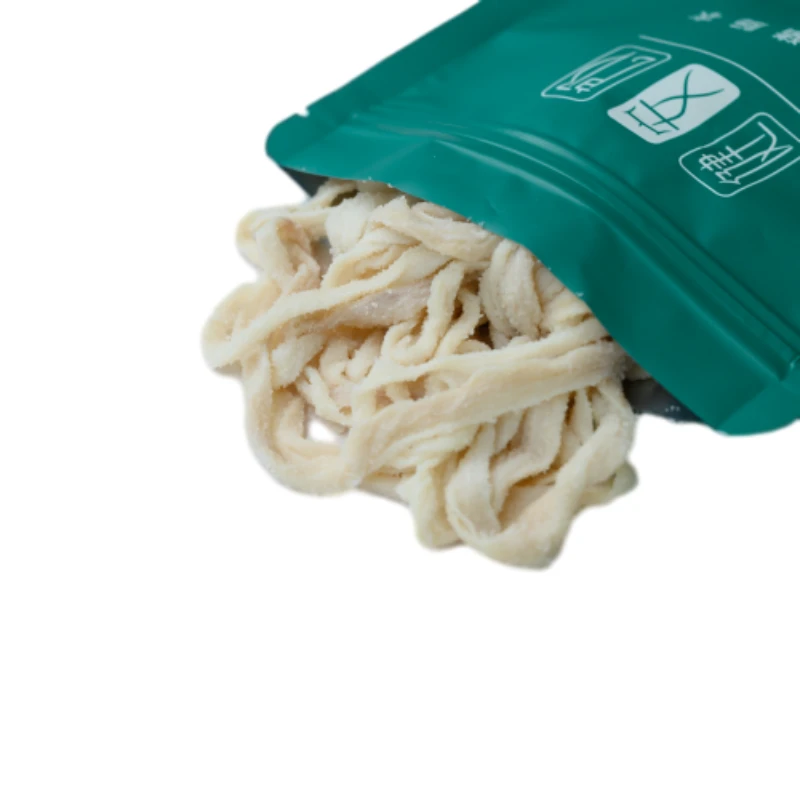
Our Salted Casings preserve this tradition through careful brine curing, delivering ready-to-use convenience without compromising the natural elasticity and strength that professionals demand. Meanwhile, our Dried Hog Casings offer exceptional shelf stability and lightweight handling, rehydrating to restore all the desirable qualities of fresh casings.

Dried Hog Casing
Dried casings are widely used in the food industry, particularly for sausage production, due to their convenience, consistency, and cost-effectiveness.
Salted Sheep Casings
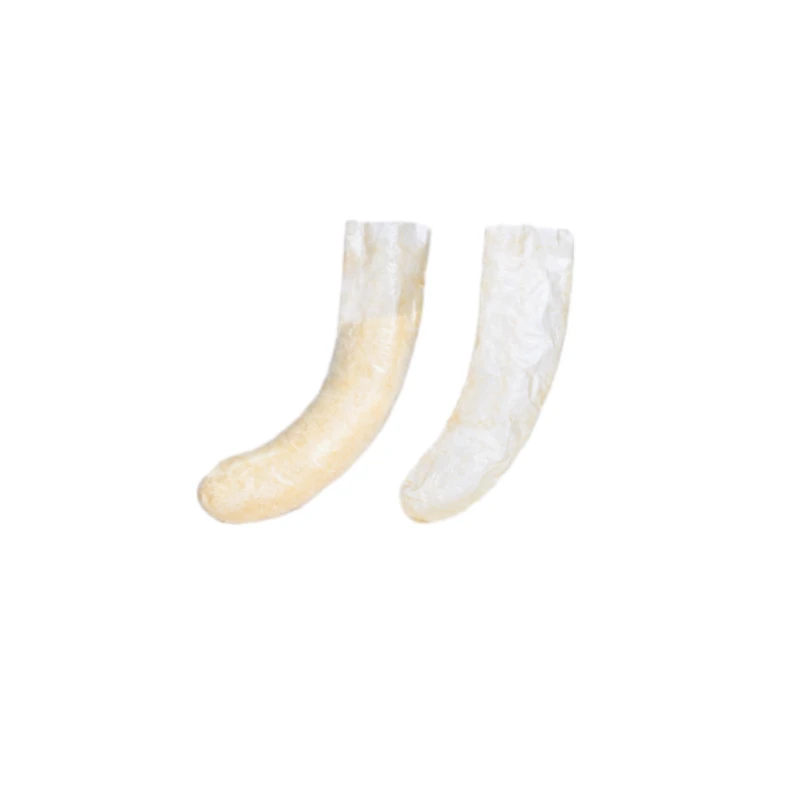
By controlling the supply chain from slaughterhouse to final product, we deliver uncompromised quality—the key to premium sausage craftsmanship.
Salted Hog Casings
Hog casings, made from the intestines of pigs, are widely used in sausage production due to their unique properties.

LATEST NEWS

Runtai Casings' Latest News delivers essential updates and expert analysis on the evolving sausage casing industry, keeping you at the forefront of technological innovations, quality advancements, and global market trends. Our carefully curated content provides valuable perspectives on emerging processing techniques, shifting international standards, and new opportunities in the global marketplace - all designed to help industry professionals make informed decisions and maintain a competitive edge.

Sep. 22, 2025

How to Use Dry Sausage Casing: Expert Tips for Homemade Curing
Understanding Dry Sausage Casings in Modern Food Production In the highly specialized domain of proc
READ MORE

Sep. 29, 2025

Dried Hog Casing: Long Shelf Life & Cost-Effective | RUNTAI (HEBEI) CASING CO., LTD.
For manufacturers and processors in the food industry, dried hog casing has emerged as a reliable an
READ MORE

How to Use Dry Sausage Casing: Easy Homemade Cured Sausage

Sep . 08, 2025 16:37

Leveraging Dried Hog Casings in Modern Food Production: An In-Depth Guide

In the intricate world of meat processing and artisan charcuterie, the selection of appropriate sausage casings is paramount to achieving desired product quality, texture, and consumer appeal. Among the various options available, how to use dry sausage casing effectively has become a critical skill for manufacturers seeking authenticity and superior performance. Dried hog casings, specifically, offer a compelling combination of natural aesthetics, robust strength, and excellent permeability, making them indispensable for a wide array of sausage products, from fresh links to complex cured specialties. This detailed guide explores the technical aspects, application scenarios, and strategic advantages of integrating these natural casings into your production workflow.

how to use dry sausage casing

Industry Trends Driving Demand for Natural Casings

The global food industry is currently witnessing a significant shift towards natural and minimally processed products. Consumers are increasingly scrutinizing ingredient lists and favoring items that convey authenticity, traditional craftsmanship, and superior sensory qualities. This trend directly fuels the demand for natural sausage casings, such as dried hog casings, over synthetic alternatives. Manufacturers are recognizing that the distinctive "snap" (a technical term referring to the bite resistance and clean break of the casing), the natural appearance, and the excellent smoke permeability offered by natural casings are key differentiators in a competitive market. Furthermore, sustainability and ethical sourcing are growing concerns, pushing suppliers to ensure their natural casing products meet stringent environmental and welfare standards, adhering to certifications like ISO 14001. The market for premium, artisanal meat products also continues to expand, where the unique characteristics of natural casings are not just preferred but expected.

The Meticulous Process of Manufacturing Dried Hog Casings

The production of high-quality dried hog casings is a sophisticated process that begins with careful sourcing and meticulous handling of raw materials. Unlike industrial processes such as CNC machining or forging, the manufacturing of natural casings relies on biological material processing and preservation techniques, ensuring product integrity and food safety.

Process Flow Schematic for Dried Hog Casing Production:

  1. 1. Raw Material Sourcing & Initial Cleaning: Fresh hog intestines are collected from USDA/FDA inspected facilities. They undergo initial washing to remove chyme and extraneous material, ensuring hygienic handling from the outset.
  2. 2. Stripping & Sliming: The intestines are carefully stripped to remove internal mucosa and external serosa layers, leaving only the submucosa, which forms the robust and elastic casing. This is a critical step for strength and permeability.
  3. 3. Flushing & Washing: Casings are thoroughly flushed with potable water and extensively washed to remove any remaining impurities, adhering to strict food safety protocols.
  4. 4. Calibration & Selection: Casings are precisely calibrated for diameter (caliber) and sorted by length and quality grade. This ensures consistent product specification vital for automated stuffing machines.
  5. 5. Salting & Curing: Casings are heavily salted with food-grade salt. This acts as a natural preservative, drawing out moisture and inhibiting microbial growth, preparing them for the drying phase. This step is governed by ISO 22000 standards for food safety management.
  6. 6. Drying: The salted casings are then carefully air-dried in controlled environments, typically at specific temperatures and humidity levels, over several days or weeks. This process reduces moisture content significantly, achieving long-term shelf stability without refrigeration. The resulting product is a high-quality dried sausage casing.
  7. 7. Final Inspection & Packaging: Each strand or hank undergoes a final visual inspection for defects, strength, and adherence to specified dimensions. They are then packed, often in net bundles or vacuum-sealed, for shipment.

Testing standards are rigorous, encompassing visual inspection for defects, measurement of tensile strength, and precise caliber verification to meet industry benchmarks such as ISO 9001 for quality management. The typical service life of properly stored dried hog casings can extend for up to two years, provided they are kept in cool, dry conditions away from direct sunlight.

Target industries for these casings primarily include large-scale meat processors, artisan charcuterie producers, gourmet food manufacturers, and even specialized restaurants. The advantages in typical application scenarios include superior energy savings due to ambient storage (no refrigeration required for the dry product), and inherent corrosion resistance (as a natural material, it does not corrode). Critically, it offers unparalleled sensory appeal and authenticity compared to synthetic alternatives.

how to use dry sausage casing

Technical Specifications of Dried Hog Casings

Understanding the precise technical parameters of dried hog casing is crucial for optimal product development and consistent manufacturing. RTCasing provides a range of specifications to meet diverse production needs.

Typical Product Specifications: Dried Hog Casing
Parameter Specification Range Measurement Standard
Caliber (Diameter) 28mm - 40mm (in 2mm increments) Micrometer / Visual Gaugue
Length per Hank 91.44 meters (100 yards) standard Certified Measuring Devices
Salt Content (as % NaCl) Min. 20% (Dry Weight Basis) AOAC 920.153 (Moisture), 971.27 (Chloride)
Moisture Content Max. 10% (Dry Weight Basis) Karl Fischer Titration
Tensile Strength Min. 250 kPa (Rehydrated) ASTM D638 (Modified)
Shelf Life (Storage) 24 months (Cool, Dry Conditions) Accelerated Shelf Life Testing
Origin North America, EU, South America, China (Certified) Traceability Logs

These specifications ensure that the casings perform consistently under various industrial processing conditions, from high-speed stuffing to thermal processing and smoking. The inherent elasticity and strength of dried hog casings make them suitable for both coarse and fine emulsion sausages.

how to use dry sausage casing

Application Scenarios and Usage Best Practices

The versatility of dried hog casings allows for their application across a broad spectrum of sausage products. Proper preparation, particularly rehydration, is key to maximizing their performance.

Typical Applications:

  • Fresh Sausages: Ideal for products like bratwurst, Italian sausage, breakfast links, and various regional specialties where a tender bite and natural appearance are desired. Their strength accommodates high-speed stuffing.
  • Smoked Sausages: Excellent smoke permeability allows for deep flavor penetration and rich color development in frankfurters, kielbasa, and smoked country sausages.
  • Cured Sausages: Utilized for dry-cured products like salami, chorizo, and pepperoni. The casing contributes to the drying process by allowing moisture release while protecting the meat emulsion. The natural adhesion of the casing to the meat also minimizes fat cap formation and promotes even drying.

Best Practices for how to use dry sausage casing:

Prior to stuffing, dried hog casings must be rehydrated. This critical step ensures elasticity and prevents breakage.

  1. Rinsing: Rinse the dried hog casings thoroughly under cool, running water to remove excess salt.
  2. Soaking: Soak the casings in warm water (approx. 30-35°C / 86-95°F) for at least 30 minutes to 2 hours, or until they become pliable and transparent. For a deeper clean or to reduce saltiness further, an optional soak in a diluted vinegar solution (1 part vinegar to 10 parts water) can be performed, followed by another plain water rinse.
  3. Flushing: Before stuffing, flush the inside of the casings with water to ensure they are fully open and ready for the meat emulsion.
"Our transition to RTCasing's dried hog casings significantly improved the textural integrity of our smoked bratwurst. The consistent caliber reduced breakage on our automated stuffers, and the superior smoke penetration gave our product a richer, more authentic flavor profile that our customers consistently praise." - Senior Production Manager, Midwest Artisan Meats.
how to use dry sausage casing

Technical Advantages of Dried Hog Casings

From an engineering and food science perspective, dried hog casings present several distinct advantages over alternative casing types. These benefits translate directly into superior product quality and operational efficiency.

  • Exceptional Permeability: The natural collagen structure of hog casings allows for optimal transfer of smoke, moisture, and curing agents. This is crucial for flavor development, even drying, and achieving the desired color in smoked and cured products. This natural permeability is difficult to replicate with synthetic materials.
  • Robust Elasticity and Strength: While dried, upon proper rehydration, hog casings exhibit remarkable elasticity and tensile strength. This allows them to withstand the pressures of high-speed stuffing equipment without excessive breakage, minimizing production downtime and waste. Their resilience is vital for maintaining product integrity throughout thermal processing.
  • Excellent Adhesion: Post-stuffing and during cooking or curing, natural casings adhere tightly to the meat emulsion. This prevents the formation of fat pockets and air gaps, which can lead to spoilage or undesirable texture. The tight adhesion also contributes to the characteristic "snap" upon biting.
  • Natural Appearance and Bite: For consumers, the irregular, natural curvature and tender bite of sausages encased in hog casings are highly prized. This sensory experience is a hallmark of premium sausage products and cannot be fully replicated by uniform synthetic casings.
  • Cost-Effectiveness & Storage: The dried format significantly reduces shipping weights and eliminates the need for refrigerated storage, offering considerable logistical and operational cost savings. Their extended shelf life in ambient conditions also simplifies inventory management.
how to use dry sausage casing

Vendor Comparison: Choosing Your Dried Hog Casing Supplier

Selecting the right supplier for your dried hog casings is critical for consistent quality and supply chain reliability. A thorough vendor comparison should consider several key factors beyond just price.

Dried Hog Casing Vendor Comparison
Feature/Criterion RTCasing (Our Offering) Competitor A Competitor B
Caliber Range (mm) 28-40 (precision graded) 30-42 (broader increments) 26-38 (limited availability)
Quality Certifications ISO 9001, HACCP, FDA-compliant, EU Certified HACCP, ISO 9001 Basic Food Safety
Origin of Raw Material Globally Sourced, Traceable to Origin Regional Sourcing Undisclosed
Minimum Order Quantity (MOQ) Flexible, from 50 hanks 100 hanks 200 hanks
Lead Time (Standard Orders) 7-14 business days 14-21 business days 21-30 business days
Customization Options Yes (pre-flushed, pre-tied, specific lengths) Limited (pre-flushed only) No
Technical Support Dedicated Technical Team Standard Customer Service Email Only

RTCasing is committed to transparency and stringent quality control, backed by over 20 years of experience in the natural casing industry. Our partnerships with leading food safety bodies and a robust supply chain ensure consistent product availability and compliance with international standards.

how to use dry sausage casing

Customized Solutions for Specialized Production Needs

Recognizing that every meat processor has unique requirements, RTCasing offers tailored solutions for dried hog casings. We understand that optimal performance on specific machinery or for proprietary product formulations often necessitates precise adjustments.

  • Caliber and Length Specificity: While standard ranges are available, we can source and prepare casings to very tight caliber tolerances or specific hanking lengths to optimize stuffing efficiency for automated lines, minimizing waste.
  • Pre-Flushed and Pre-Tied Casings: To reduce labor and preparation time on the production floor, we can provide pre-flushed (internal salt removed) or pre-tied (one end knotted) casings, ready for immediate rehydration and stuffing. This is particularly beneficial for high-volume operations seeking to streamline their workflow for dried sausage casings.
  • Special Drying Protocols: For certain unique applications or regional preferences, modifications to the drying process can be explored to achieve specific textural properties or moisture retention levels in the final casing.
  • Packaging Innovations: From bulk barrels for large processors to smaller, vacuum-sealed packs for artisan butchers, our packaging solutions are designed for convenience, extended shelf life, and protection during transit.

Our technical sales team works closely with clients to understand their operational challenges and product goals, leveraging our extensive expertise to propose and deliver custom casing solutions.

Application Case Studies: Real-World Impact

Case Study 1: Large-Scale Frankfurther Production

A major European meat processor faced challenges with inconsistent caliber and frequent breakage when using a competitor's dried hog casing for their high-speed frankfurter lines, leading to significant product waste and downtime.

  • Challenge: Inconsistent casing diameter and fragility resulted in production bottlenecks and a high percentage of rejected product during stuffing and linking.
  • Solution: RTCasing provided a specialized batch of 30-32mm precision-graded dried hog casings, pre-flushed and pre-tied, tailored for their automated equipment. Our technical support team also provided on-site training for optimal rehydration techniques.
  • Outcome: Within three months, the client reported a 15% reduction in casing breakage, a 10% increase in stuffing speed, and a noticeable improvement in the uniform appearance and "snap" of their frankfurters. This resulted in significant cost savings and enhanced market appeal.

Case Study 2: Artisan Salami Curing

An award-winning artisan charcuterie producer specializing in slow-fermented and dry-cured salami sought a casing that would promote even drying and prevent case hardening, a common issue in lengthy curing processes.

  • Challenge: Previous casings (both natural and synthetic) led to uneven moisture loss, resulting in hard exteriors and soft interiors, compromising product quality and increasing shrink.
  • Solution: RTCasing supplied carefully selected 38-40mm dried sausage casings with specific permeability characteristics. We advised on optimal rehydration to achieve a balance of elasticity and porosity for their 90-day curing cycle.
  • Outcome: The new casings provided superior moisture vapor transmission, facilitating a more even and controlled drying process. This virtually eliminated case hardening, improved the texture and flavor consistency of their salami, and reduced overall product loss by 8%. The natural aesthetic also resonated strongly with their premium brand image.
how to use dry sausage casing

Frequently Asked Questions (FAQ) about Dried Hog Casings

Q1: What is the optimal rehydration method for dried hog casings?
A1: First, rinse thoroughly under cool water to remove excess salt. Then, soak in warm water (30-35°C) for 30 minutes to 2 hours until fully pliable. Flushing the interior with water just before use ensures complete rehydration and elasticity. Do not use hot water as it can damage the collagen structure.
Q2: How should dried hog casings be stored?
A2: Store in a cool, dry place, ideally between 10-20°C (50-68°F), away from direct sunlight and strong odors. The dried nature of the casing means it does not require refrigeration, unlike salted wet casings. Properly stored, they have a shelf life of up to 24 months.
Q3: Can dried hog casings be used for both fresh and cured sausages?
A3: Yes, dried hog casings are highly versatile. They are excellent for fresh sausages due to their strength and tender bite after cooking, and also ideal for cured and smoked sausages because of their superior smoke permeability and ability to facilitate controlled moisture release during drying.
Q4: What are the common caliber ranges available?
A4: Dried hog casings typically range from 28mm to 40mm in diameter. Specific calibers like 30-32mm or 32-35mm are common for products like bratwurst and frankfurters, while larger calibers are suited for broader sausages or some salami types. RTCasing offers a wide range of precision-graded options.
how to use dry sausage casing

Lead Time, Fulfillment, and Warranty Commitments

RTCasing understands the critical importance of timely delivery and product reliability in the B2B food sector.

  • Lead Time: Standard orders for dried hog casings typically ship within 7-14 business days, depending on order volume and destination. Expedited shipping options are available upon request. For customized solutions or large-volume contracts, lead times will be mutually agreed upon with our sales team.
  • Fulfillment: Our robust logistics network ensures efficient and secure delivery worldwide. All shipments are carefully packed to maintain product integrity, regardless of transit duration. We provide comprehensive tracking information for all orders.
  • Warranty: RTCasing guarantees that all dried sausage casings meet the specified technical parameters and are free from defects in material and workmanship at the time of shipment, provided they are stored and handled according to our recommendations. Any claims must be reported within 10 days of receipt. We are committed to resolving any quality issues promptly and fairly.

Dedicated Customer Support

At RTCasing, our commitment extends beyond delivering high-quality products. We offer comprehensive customer support to ensure your operational success.

  • Technical Assistance: Our team of casing specialists is available to provide guidance on rehydration techniques, stuffing optimization, troubleshooting, and selecting the ideal casing for your specific product.
  • Order Support: For inquiries regarding orders, logistics, or custom requirements, our dedicated sales and customer service representatives are ready to assist.
  • Contact Information: For support, please visit our contact page at www.rtcasing.com/contact.html or call us directly.

References

  1. Pearson, A. M., & Young, R. G. (1989). Meat and Processed Meat Products. AVI Publishing Company.
  2. USDA Food Safety and Inspection Service. (2007). FSIS Directive 7120.1: Safe and Suitable Ingredients Used in the Production of Meat and Poultry Products.
  3. ISO 9001:2015 - Quality management systems — Requirements. International Organization for Standardization.
  4. Honikel, K. O. (2018). The Science of Meat and Meat Products. Food & Nutrition Press.
  5. FDA - Code of Federal Regulations, Title 21, Part 170.3(i). U.S. Food and Drug Administration.
  • Read phone
  • Read email
  • Read whatsapp
  • go to top

If you are interested in our products, you can choose to leave your information here, and we will be in touch with you shortly.