Dec . 03, 2025 11:42
Understanding the Role of a 19mm Sausage Casing Manufacturer in Modern Industry
Sausage casings may sound like a simple piece of culinary equipment, but when you dive deeper, the role of a 19mm sausage casing manufacturer proves to be a fascinating intersection of food science, industrial precision, and global supply logistics. From artisanal butchers in Europe to large-scale sausage production plants in Asia, these manufacturers ensure the delivery of a critical product that holds together one of humanity’s oldest culinary staples. This isn’t just about making food — it’s about meeting food safety standards, durability, and even sustainability, all wrapped up in that slim, 19mm diameter.
Introduction: Why 19mm Sausage Casings Matter Globally
You might wonder why the specific size of 19mm is relevant at a global scale. The sausage casing market is an integral segment of the broader meat processing industry, which according to the Food and Agriculture Organization (FAO) supplies billions of meals worldwide. The precision in casing size—from 16mm up to 25mm and beyond—affects product consistency, cooking quality, and market segmentation, with 19mm being a particularly popular choice for medium-sized sausage varieties.
Interestingly, a challenge faced by mass producers and smaller manufacturers alike revolves around sourcing uniform, reliable casings that optimize yield while maintaining food safety. This is where the expertise of a 19mm sausage casing manufacturer becomes crucial — balancing production scalability with quality control on an international scale.
Definition & Meaning
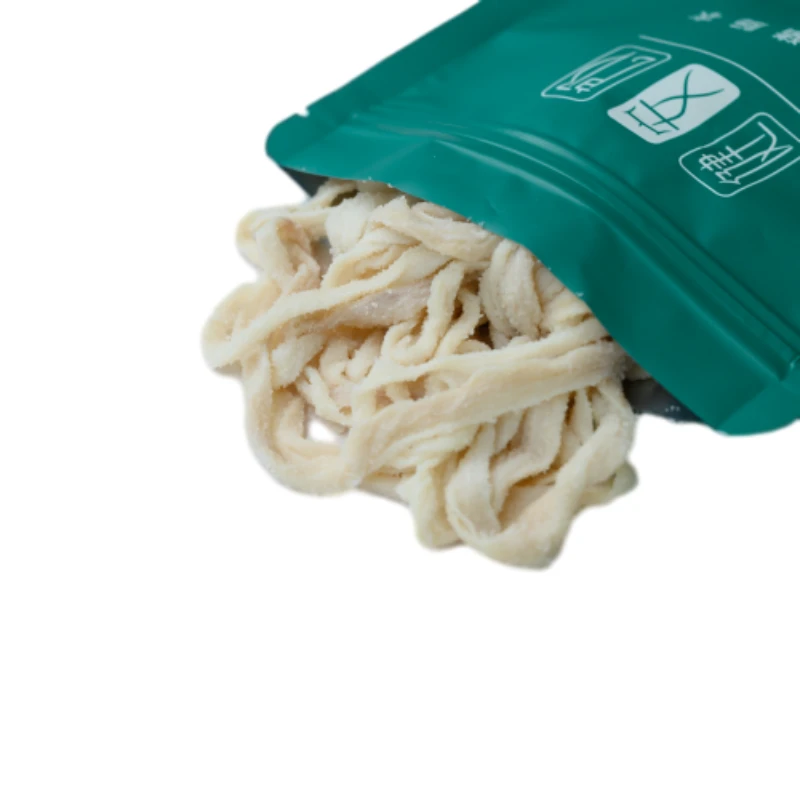
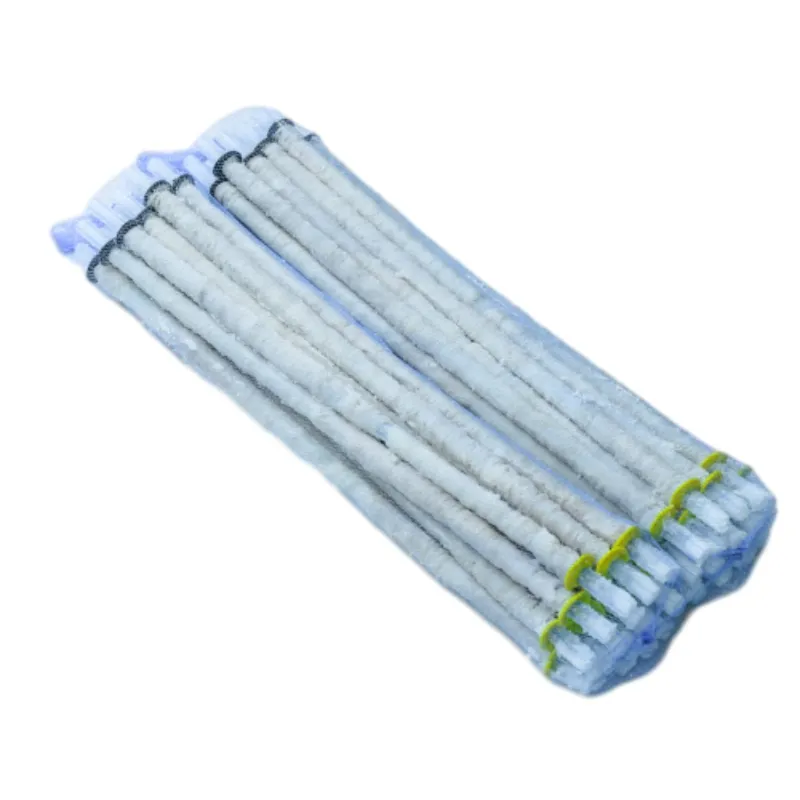
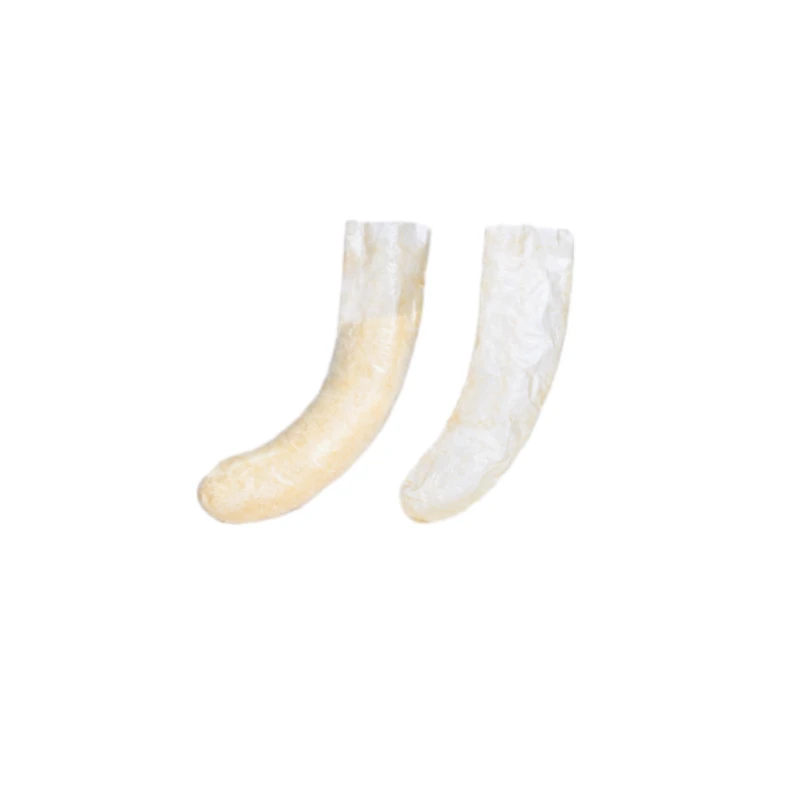
In simple terms, a 19mm sausage casing manufacturer produces the tubelike material that encases sausage filling, specifically sized to 19 millimeters in diameter. These casings may be made from natural sources, like cleaned animal intestines, or synthetic materials such as collagen, cellulose, or plastic. Their purpose? To shape, protect, and preserve the meat mixture during processing and cooking.
Beyond just the food industry, these casings represent a node where food technology meets regulatory standards and consumer expectations for safety and sustainability.
Key Factors in 19mm Sausage Casing Manufacturing
1. Consistency & Uniformity
The 19mm diameter must be consistent across batches. Variations lead to cooking irregularities and packaging issues — a headache no manufacturer wants. Technology like laser micrometers and automated filling systems ensure precision.
2. Material Durability
Casings need to withstand handling, stuffing pressure, and cooking processes without bursting prematurely. Natural casings offer unique texture but less viscosity control; synthetic ones provide uniform strength but may feel less “authentic.”
3. Food Safety Compliance
Producers must approach manufacturing under stringent sanitary standards, often regulated by bodies like the ISO 22000 Food Safety Management standards. This ensures that products remain free from contaminants.
4. Scalability & Supply Chain Reliability
For customers worldwide, dependable volume supply, lead times, and inventory management from the casing manufacturer smooths production flow and lowers downtime risk.
5. Sustainability and Environmental Impact
With a growing global focus on sustainability, manufacturers have explored biodegradable casings or byproduct reuse. This factor can affect purchasing decisions in markets prioritizing “green” certifications.
Product Specification: Typical 19mm Sausage Casing Characteristics
| Specification | Details |
|---|---|
| Diameter | 19mm ± 0.2mm |
| Material Types | Natural (hog, sheep), Collagen, Cellulose |
| Tensile Strength | > 20 N/mm2 |
| Shelf Life | 12–18 months (under refrigeration) |
| Compliance | ISO 22000, FDA (for export to US) |
Global Applications & Use Cases
The demand for 19mm casings spans small local butchers to multinational sausage producers. For example:
- Europe: Traditional sausage varieties such as bratwurst or chipolata often utilize 19mm natural casings for their delicate snap and texture.
- Asia: Large factories make mass-produced sausages requiring collagen casings that fit automated filling machines.
- Humanitarian & Relief Efforts: Processed meats needing shelf stability and hygiene are often packed in standardized casings for refugee meals.
- Specialty & Organic Markets: Casings compliant with food tracing and organic systems ensure premium product appeal.
Oddly enough, in some remote industrial zones, modest production facilities rely heavily on trusted casing suppliers since international logistics are challenging. This makes consistent access to quality 19mm sausage casings a lifeline.
19mm sausage casing manufacturer solutions, therefore, are not just about casing production—they’re part of a wider food ecosystem that shapes taste, safety, and economic opportunities in multiple contexts.
Vendor Comparison: Leading 19mm Sausage Casing Manufacturers
| Vendor | Material Range | Global Reach | Sustainability Initiatives | Price Range (USD/kg) |
|---|---|---|---|---|
| RTCasing | Natural, Collagen | Global (focus on Europe, Asia) | Biodegradable packaging, Waste reuse | $10–$15 |
| Global Casings Inc. | Cellulose, Collagen | North America, Europe | Energy-efficient plants | $8–$12 |
| Nature’s Wrap Co. | Natural only | Europe, South America | Organic certification projects | $14–$18 |
Advantages & Long-Term Value
What’s so great about sourcing from a dedicated 19mm sausage casing manufacturer? First, you get a product tailored to your exact needs with guaranteed quality and certification compliance — no unpleasant surprises during production runs. The benefits ripple outward: less waste, higher product integrity, and stronger brand trust from consumers who notice the difference.
Emotionally, there’s a quiet pride in using casings that honor tradition (natural types) or modern innovation (collagen or sustainable options) while protecting food safety — an essential factor, frankly, in an era of increasing consumer transparency.
Future Trends & Innovations
Looking ahead, it’s exciting to see manufacturers experimenting with bioengineered materials that break down faster in the environment or even edible casings enhancing flavor profiles. Automation in casing production combined with digital tracking for food chain transparency is gaining traction, supported by standards like ISO’s Food Safety extensions.
Sustainability continues to dominate R&D: reducing water usage in production, switching to renewable energy, and exploring alternative raw materials. I suppose a greener footprint is becoming not just a bonus but a necessity for every serious 19mm sausage casing manufacturer.
Challenges & Solutions
No journey is without bumps, and the sausage casing sector faces issues like raw material supply fluctuations, price volatility through meat supply chains, and evolving regulatory landscapes across regions.
One smart approach I’ve noticed is diversifying production lines between natural and synthetic casings to hedge risks and enhance client options. Also, closer partnerships with meat suppliers help stabilize supply chains, while digital quality control helps prevent costly recalls.
FAQ: Frequently Asked Questions About 19mm Sausage Casing Manufacturer
- Q1: What types of materials are commonly used for 19mm sausage casings?
- Common materials include natural animal intestines, collagen sourced from bovine or porcine hides, and cellulose derived from plant fibers. Each has distinct advantages in texture and processing compatibility.
- Q2: How should I choose between natural and synthetic casings?
- Natural casings are prized for their traditional “snap” and flavor but can vary batch to batch. Synthetic casings offer uniformity and scalability, favored in mass production. Your choice depends on end-product requirements and target markets.
- Q3: Can 19mm casings be customized for specific products?
- Yes, manufacturers often customize casing diameter tolerances, length packaging, and surface treatments to meet client sausage types and cooking methods.
- Q4: Are 19mm casings compliant with international food safety standards?
- Reputable suppliers align with standards such as ISO 22000, ensuring food-grade quality and traceability, important when exporting globally.
- Q5: What shelf life can I expect from 19mm sausage casings?
- Typically 12 to 18 months when stored refrigerated and kept sealed from moisture and contaminants.
Conclusion: The Long-Term Promise of 19mm Sausage Casings
The humble 19mm sausage casing manufacturer offers more than you might expect at first glance. From fine-tuning product consistency to introducing greener materials and upholding food safety, these manufacturers silently uphold one of humanity’s oldest culinary crafts. Whether for a local butcher or an international food giant, investing in quality casings is a foundational choice that pays dividends over time — in product excellence, customer trust, and sustainability.
Curious to explore how a trusted provider can support your sausage production goals? Visit our website here to learn more.
Takeaway: The 19mm sausage casing manufacturer is a linchpin of sausage production, balancing tradition, innovation, and global food safety demands with practical outcomes that matter every day.
References:
1. Food and Agriculture Organization of the United Nations: FAO Statistics
2. ISO 22000 Food Safety Management: ISO 22000
3. FDA Food Safety Guidance: FDA Food Safety