Nov . 15, 2025 14:30
Understanding Sausage Casing Material: Why It Matters in a Global Context
Sausage casing, at first glance, may sound like something relegated to butchers or distant smoky kitchens. Yet, its material—the very skin encasing your favorite sausage—is a surprisingly complex and essential product with global significance. From traditional food industries to humanitarian relief efforts, sausage casing material affects production efficiency, product safety, and even cultural heritage around the world.
Why should this matter to you, or frankly, anyone outside a charcuterie? Because as demand for protein grows globally, so does the need for reliable, sustainable, and safe materials that preserve food while also aligning with modern industrial needs and environmental standards. Understanding sausage casing materials helps manufacturers adapt to new challenges and consumers trust what’s on their plate.
The Global Landscape: Why Sausage Casing Material Is More Important Than Ever
In 2023, the global sausage market was valued at approximately $33 billion and is expected to grow steadily, according to Statista. But sausage casing material faces unique challenges: the need for biodegradable options, improved durability during transport, and meeting various dietary and religious needs (think kosher, halal, synthetic casings). These aren't trivial because poor casing quality can lead to waste, contamination, or customer distrust.
The United Nations’ push for sustainable food production (SDG 12: Responsible Consumption and Production) highlights that all packaging and materials, including sausage casings, must shift towards eco-friendlier alternatives. The International Organization for Standardization (ISO) sets evolving benchmarks on food safety and material bio-compatibility, demanding innovation from manufacturers worldwide.
In real terms, the sausage casing material challenges that global food processors tackle boil down to three big questions: How durable is the casing? Is the material sustainable? And how flexible is it for diverse product applications?
What Exactly Is Sausage Casing Material?
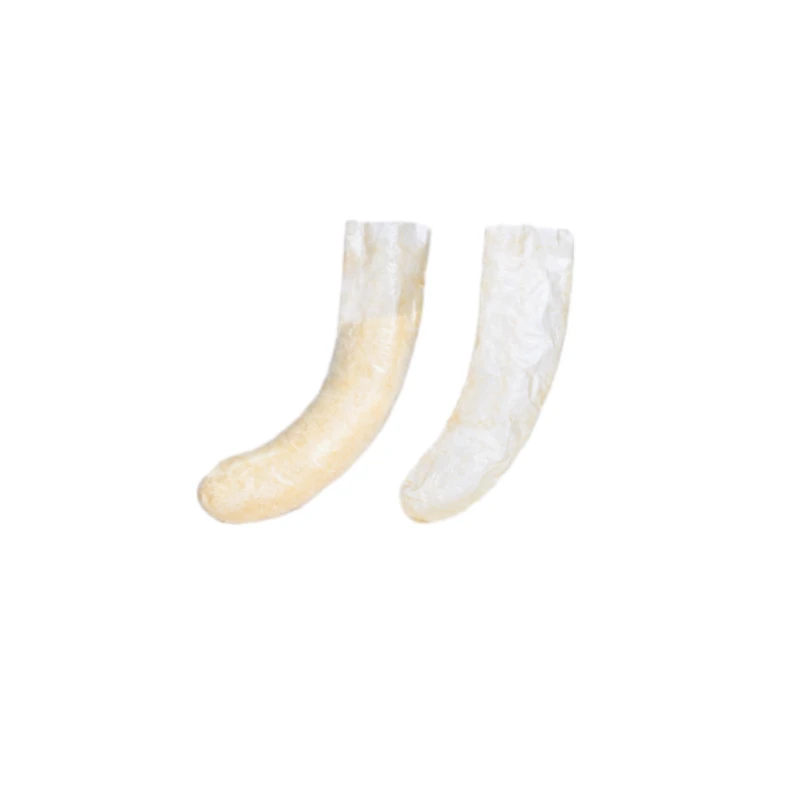
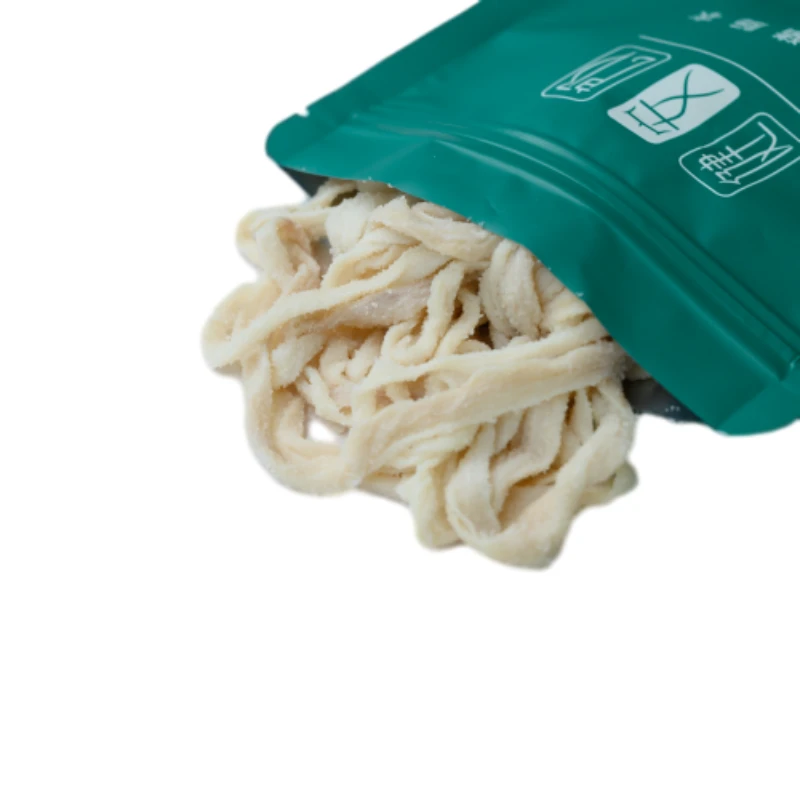
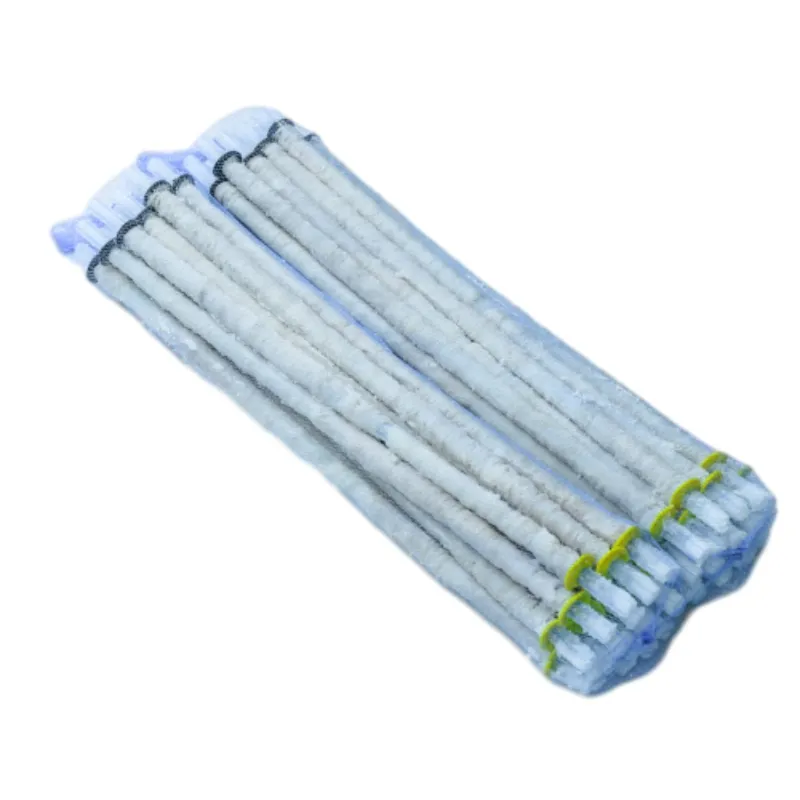
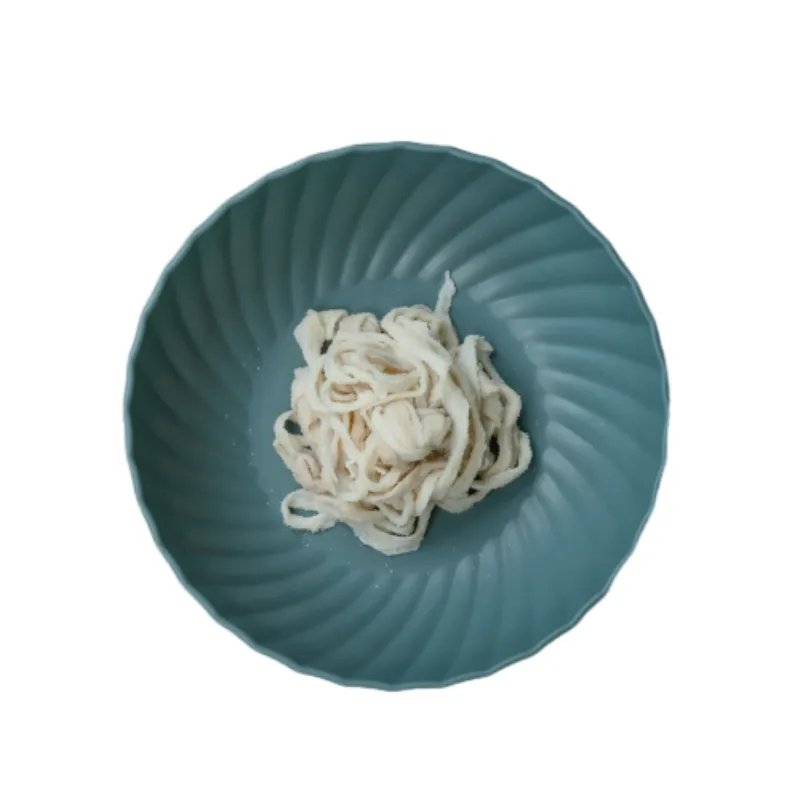
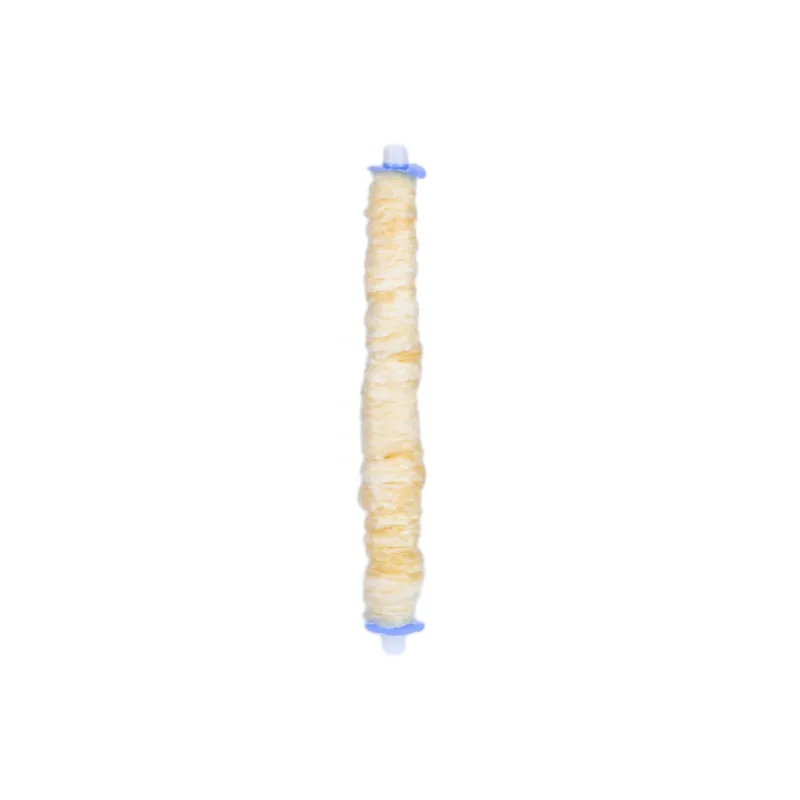
At its core, sausage casing material is the thin, flexible sheath that holds the meat mixture together during processing and cooking. It can be natural—made primarily from cleaned animal intestines—or synthetic, produced from collagen, cellulose, or even plastic-based materials. The choice depends largely on specific product needs, cultural preferences, and production techniques.
Beyond just holding meat, these casings control moisture, texture, and even the flavor infusion in sausage products. In the humanitarian space, similar materials are sometimes repurposed to create temporary protective barriers or food-grade containment units.
Core Features That Define Quality Sausage Casing Material
1. Durability
A casing’s strength during tying, stuffing, cooking, and handling is crucial. Natural casings offer great elasticity, while synthetic ones can be engineered for uniform strength. Durability also impacts shelf life and transport risks.
2. Food Grade Safety and Compliance
Since casings come into direct contact with food, they must comply with strict hygiene and chemical safety standards—often certified by ISO 22000 or USDA regulations depending on the market.
3. Biodegradability & Environmental Footprint
Synthetic plastics are falling out of favor due to pollution; more manufacturers choose collagen or cellulose-based casings, which decompose more easily. This aligns with global goals to reduce plastic waste.
4. Flexibility and Customization
Whether it’s the diameter, thickness, or texture, different sausage types demand tailored casing material. Companies often develop specialized casings for bratwursts, frankfurters, or chorizo, for example.
5. Cost Efficiency
While natural casings are prized for flavor and texture, they’re often costlier and less uniform. Synthetic alternatives offer scalability and price control for mass production.
| Specification | Natural Casings | Collagen Casings | Cellulose Casings |
|---|---|---|---|
| Source | Animal intestines (pig, sheep) | Processed collagen from hides | Wood pulp and cotton fibers |
| Durability | High elasticity, prone to variability | Consistent, engineered strength | Good for skinless products |
| Biodegradability | Fully biodegradable | Biodegrades but slower | Highly biodegradable |
| Cost | Higher cost, premium markets | Moderate | Lower cost |
| Typical Applications | Artisanal, heritage sausages | Mass-produced sausages | Skinless or cooked sausages |
Where Sausage Casing Material Makes a Difference Worldwide
Across Europe, traditional natural casings are still favored, supporting culinary heritage and local farming economies. In Asia, collagen casings dominate because they provide uniformity for large-scale factories producing hot dogs and lunch meats. Meanwhile, North America is seeing a strong push towards cellulose casings due to their suitability in skinless sausage lines and growing sustainability requirements.
Oddly enough, humanitarian agencies have experimented with sausage casing material properties—biodegradability, tensile strength—to design lightweight food packaging or protective wraps in remote relief missions. They’ve recognized the durable yet eco-sensitive properties of these materials make them suited for temporary containment or emergency rations packaging.
In post-disaster relief scenarios, such as after floods or earthquakes, reliable packaging that protects high-protein foods is a big deal. Supplies must survive rough transport and storage without contamination – which is where superior casing material tech shines.
The Tangible Advantages of Choosing the Right Sausage Casing Material
- Cost Savings: Choosing a durable yet affordable natural or synthetic casing reduces waste and improves production uptime.
- Sustainability: Bio-based casings help reduce environmental impact, supporting corporate social responsibility goals.
- Product Safety and Quality: Well-engineered casing materials ensure food hygiene and extend shelf life.
- Consumer Trust: Transparent labeling on casing types can enhance brand credibility.
- Innovation Enablement: Advanced materials let manufacturers develop novel sausages and textures.
On the emotional side, let’s not forget that sausage casings play a role in dignity and food enjoyment—two things that get deeply personal, especially in cultures where sausage-making is an art passed down generations. It’s a kind of trust between maker and eater.
Looking Ahead: Innovations Shaping the Future of Sausage Casing Material
What’s next in casing tech? Biodegradable polymers sourced from renewable botanical materials are gaining ground—things like seaweed-based sheets or nanocellulose films. These aim to completely eliminate plastic residues while upgrading strength and flexibility.
Digital manufacturing methods, such as 3D-printing collagen casings tailored to unique sausage forms, are being explored but remain in early stages. Meanwhile, automation in casing inspection and quality control is helping processors reduce defects and recalls.
The global push towards carbon neutrality is encouraging suppliers and manufacturers to rethink sourcing, processing, and waste treatment around casing materials, which feels like a natural evolution given food packaging’s environmental footprint.
Common Challenges & How the Industry Is Overcoming Them
One big hurdle is balancing cost efficiency with environmental responsibility. Natural casings are expensive and inconsistent, while synthetics can be less eco-friendly. Manufacturers often struggle to find the sweet spot—high durability, lower price, and biodegradability.
Another challenge is meeting diverse regulatory requirements. Different nations have varying safety certifications, material restrictions, and religious certifications, complicating production for global brands. Many suppliers now offer customized casing solutions certified for multiple markets.
Also, consumer awareness about packaging impacts continues to rise, pushing companies to increase transparency through eco-labeling and traceability, although this adds complexity.
Experts suggest that adopting hybrid casing materials or investing in R&D partnerships with universities can help bridge these gaps. Collaborations drive new tech faster and ensure industrial feasibility.
Vendor Comparison: Leading Sausage Casing Material Suppliers
| Supplier | Product Range | Sustainability Features | Global Reach | Customization Options |
|---|---|---|---|---|
| Natural Gut Corp | Premium natural casings | Organic sourcing, biodegradable | Europe, North America | Diameter, strength variations |
| Collagen Solutions LLC | Wide synthetic collagen range | Partially biodegradable | Global (40+ countries) | Custom thickness & texture |
| EcoSkin Tech | Bio-based cellulose casings | Fully biodegradable, compostable | Asia-Pacific, North America | Custom compostable blends |
FAQ: Common Questions About Sausage Casing Material
Q1: What are the main differences between natural and synthetic sausage casings?
Natural casings, derived from animal intestines, offer traditional texture, flavor, and biodegradability but tend to be less uniform and more costly. Synthetic casings (collagen, cellulose) provide consistent size and strength, are easier to mass-produce, and cater to specific product needs, although compostability varies.
Q2: How does the choice of casing affect sausage shelf life?
Casing materials influence moisture retention and microbial protection. Durable casings that maintain integrity during cooking and storage extend shelf life. For example, collagen casings provide good barrier properties, while natural casings breathe better but may have shorter shelf stability.
Q3: Are sausage casing materials eco-friendly?
It depends. Natural casings are biodegradable and considered sustainable but require animal resources. Synthetic casings vary—collagen casings biodegrade slowly, cellulose casings are often compostable, and plastic-based casings are less eco-friendly. New innovations focus on fully bio-based materials.
Q4: Can casing materials accommodate specific dietary or religious requirements?
Yes. Manufacturers produce kosher and halal-certified natural and synthetic casings to meet religious standards. Additionally, vegetarian and vegan synthetic casings are emerging, catering to diverse consumer demands.
Q5: How can companies source sustainable sausage casing materials?
It's best to partner with suppliers offering certified, tested materials compliant with international standards. Many provide customized solutions and assist with regulatory documentation for markets worldwide. Visit trusted vendors or sausage casing material providers for tailored options.
Wrapping Up: Why the Right Sausage Casing Material Makes All the Difference
Choosing the right sausage casing material is about more than just encasing meat; it’s a complex balance of tradition, sustainability, cost, safety, and innovation. As the world pursues greener food production and consumers demand quality and transparency, smart casing selection will remain a critical factor for success.
If you’re looking to explore the best sausage casing material options for your production or project, why not visit our website to dig deeper? You’ll find detailed specs, consultation services, and industry insights to keep you ahead in this evolving field.
Until then, remember: there's a lot behind that thin sausage skin, and knowing your material can make all the difference in flavor, safety, and sustainability.