Nov . 10, 2025 18:50
How To Use Dry Sausage Casing is a key solution in the food industry industry, specifically within Meat processing and Edible casing. This article explores how RUNTAI (HEBEI)CASING CO.,LTD. supports professionals with durable, high-performance products, and explains why this product is an ideal choice for businesses in these sectors.
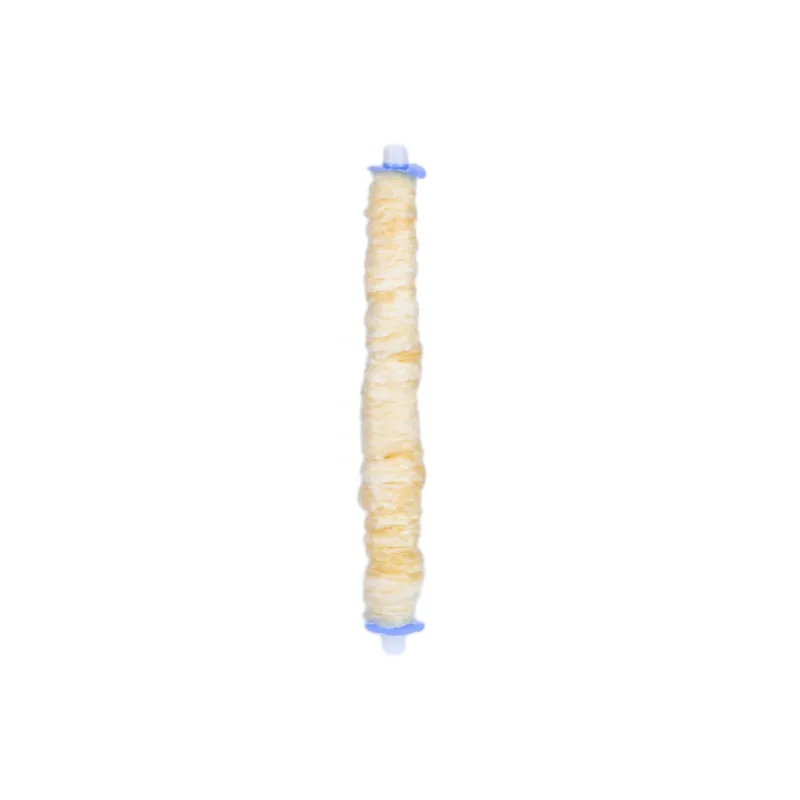
Table of Contents
- How To Use Dry Sausage Casing Overview
- Benefits & Use Cases of How To Use Dry Sausage Casing in Edible casing
- Cost, Maintenance & User Experience
- Sustainability & Market Trends in food industry
- Conclusion on How To Use Dry Sausage Casing from RUNTAI (HEBEI)CASING CO.,LTD.
How To Use Dry Sausage Casing Overview
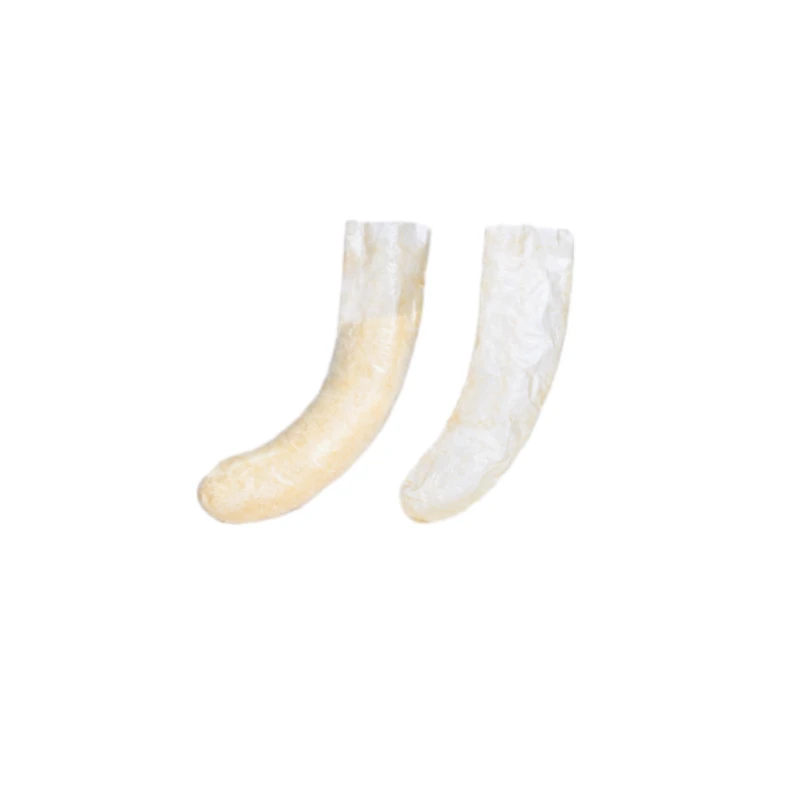
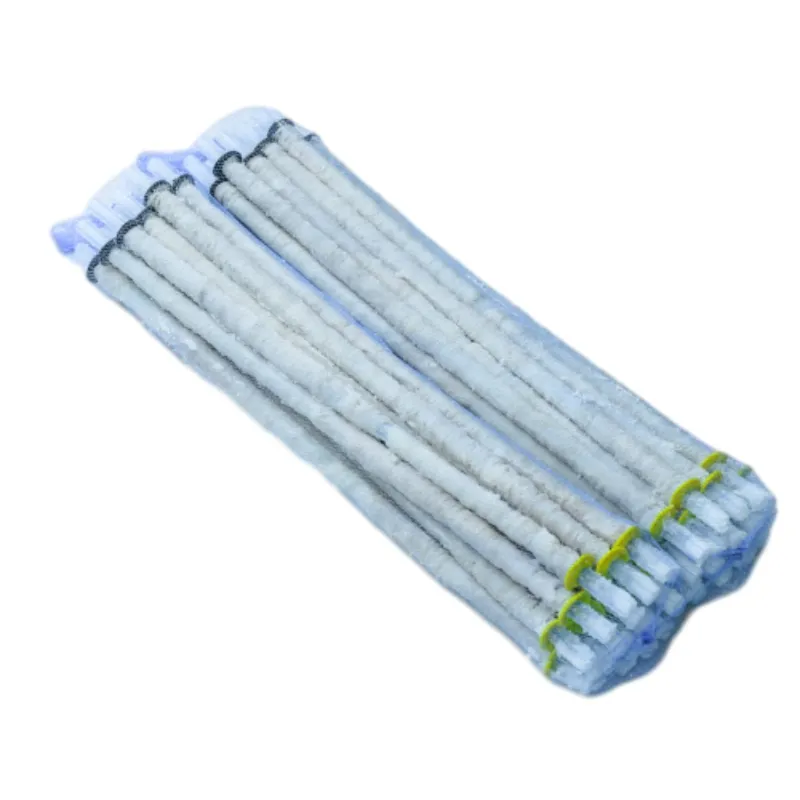
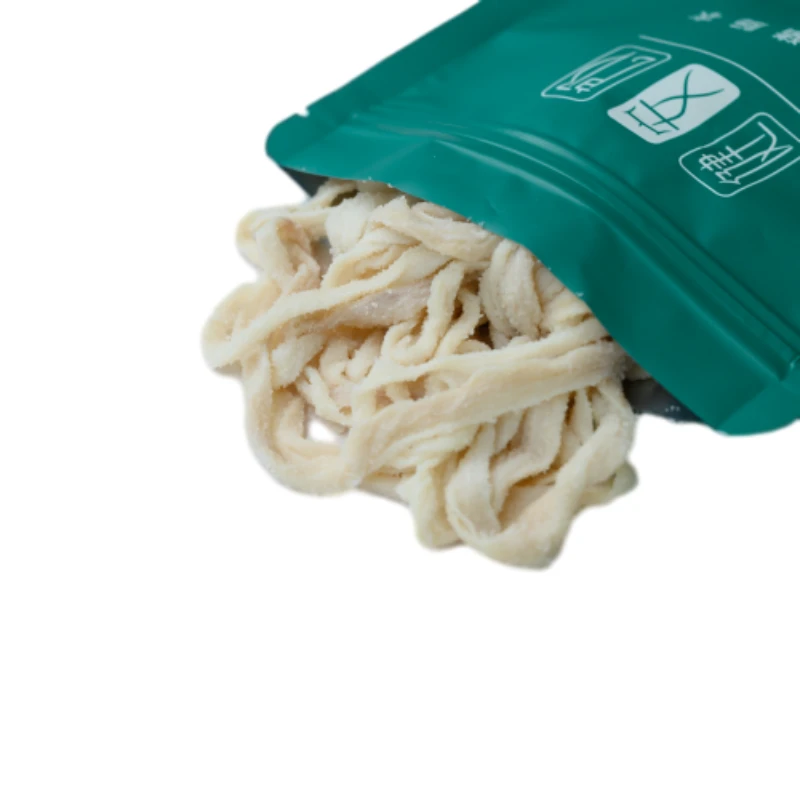
Dry sausage casings—often called dried hog casings—are natural hog casings that have been carefully dehydrated to deliver extended shelf life, easier logistics, and dependable performance for salami, chorizo, pepperoni, and semi-dry sausages. In the Meat processing supply chain, dried sausage casings let producers stock more meters per pallet, minimize brine handling, and rehydrate on demand for predictable production windows. Typical specifications include standard calibers (e.g., 28/30, 30/32, 32/35 mm and larger), pre-selected lengths, and uniform wall strength to withstand filling, linking, fermentation, and drying. Because air and smoke permeability are preserved, they support traditional flavor development and the desired “snap.” RUNTAI (HEBEI)CASING CO.,LTD. manufactures dried hog casings with strict lot traceability and consistency, giving B2B decision makers confidence in sourcing, QA, and repeatable yields across lines and shifts.
- Relevance: Enables stable global supply, reduced cold-chain dependence, and on-demand rehydration for Edible casing operations.
- Technical: Standard calibers, strong tensile properties, preserved smoke permeability, and efficient strand packing for higher stuffing uptime.
- Reliability: RUNTAI (HEBEI)CASING CO.,LTD. provides consistent grading and quality control to support multi-plant programs.
Benefits & Use Cases of How To Use Dry Sausage Casing in Edible casing
For production planners and plant managers, the biggest value is control. With dried sausage casings, crews can stage only what’s needed, rehydrate quickly, and return unused stock to dry storage. Applications include fermented salami, dry-cured chorizo, snack sausages, and smoked specialties where natural bite, bloom, and traditional appearance are critical. Competitive advantages over wet-packed alternatives include less storage space, lower transport weight, and simplified inventory. RUNTAI’s dried hog casings are designed for smooth horn loading, even filling, clean linking, and low burst rates, making them ideal for high-throughput lines and artisan batches alike.
- Applications: Dry-cured and semi-dry sausages needing consistent caliber and reliable drying behavior.
- Advantages: Shelf-stable storage, excellent smoke permeability, traditional casing bite, and streamlined logistics versus wet-packed casings.
- RUNTAI expertise: Rigorous selection, uniform grading, and support for trials/scale-ups to de-risk changeovers.
Practical steps: How To Use Dry Sausage Casing
- Stage: Select the right caliber and length for your product spec (e.g., 30/32 mm for salami).
- Rehydrate: Soak dried hog casings in clean, lukewarm water (not hot) for 20–30 minutes; refresh water once for optimal pliability.
- Rinse and flush: Rinse outside; flush inside each strand to remove salt and ensure flexibility.
- Load and stuff: Load onto horns; stuff with steady pressure to maintain uniform diameter; link as specified.
- Process: Ferment, smoke, and dry per formulation and HACCP plan; monitor weight-loss targets for consistency.
Cost, Maintenance & User Experience
Total cost of ownership improves with dried sausage casings because they reduce freight weight, eliminate brine disposal, and cut cold-storage needs. Shelf-stable packs simplify inventory and allow higher casing density per pallet, lowering logistics costs. Durability and consistent caliber reduce burst-related waste and rework, supporting better yields and more first-pass quality. Processors report easier staging for night shifts, faster changeovers, and fewer stoppages due to casing variability—key drivers of line OEE. Maintenance is straightforward: store sealed in a cool, dry place, apply FIFO rotation, and rehydrate only what the line needs.
- ROI drivers: Lower storage and shipping costs, minimized waste, and stable throughput.
- User feedback: Reliable horn loading, predictable stretch during filling, clean casing release after drying.
Sustainability & Market Trends in food industry
Natural casings are an upcycled by-product of the meat industry, aligning with circular-economy priorities and consumer demand for clean-label, traditional products. Dried hog casings support efficient global distribution and reduce the need for heavy liquid-packed formats, contributing to lower transport impact per usable meter. Regulatory expectations continue to emphasize traceability, hygiene, and process controls throughout the Edible casing supply chain. Market growth in premium charcuterie, regional specialties, and export-ready SKUs is reinforcing the shift to shelf-stable, quality-consistent formats.
- Sustainability: Natural, biodegradable material with efficient utilization of animal resources.
- RUNTAI leadership: RUNTAI (HEBEI)CASING CO.,LTD. focuses on responsible sourcing, strict quality management, and packaging optimization—positioning partners to meet evolving retailer and audit requirements.
Conclusion on How To Use Dry Sausage Casing from RUNTAI (HEBEI)CASING CO.,LTD.
For Meat processing professionals, understanding How To Use Dry Sausage Casing translates directly to better yields, smoother staffing, and premium product quality. Dried hog casings from RUNTAI (HEBEI)CASING CO.,LTD. combine logistics efficiency with the sensory performance of natural casings, making them a smart, scalable choice for edible casing programs. Count on RUNTAI for consistent grading, dependable supply, and technical support from trial to full-scale production. Contact us: email: runtaicasings@163.com — Visit our website: https://www.rtcasing.com