Oct . 20, 2026 14:57
Cost Comparison: Salted Sheep Casings vs Artificial Alternatives
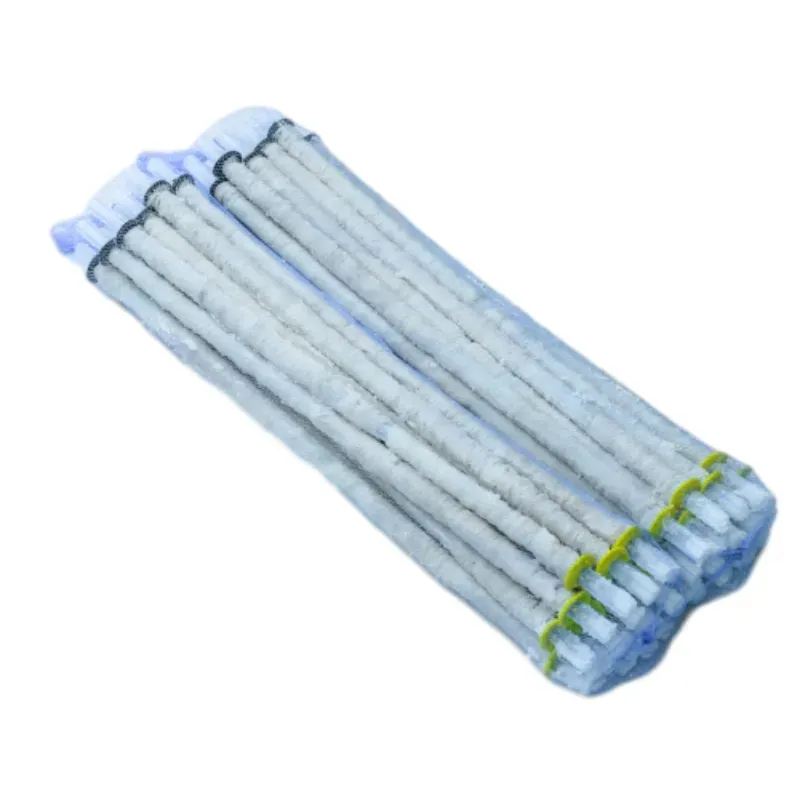
Total cost of ownership evaluations for fine-diameter sausage production require moving beyond initial invoice comparisons between natural animal-derived options and manufactured alternatives. Facility purchasing decisions depend on comprehensive financial modeling rather than baseline material quotes.
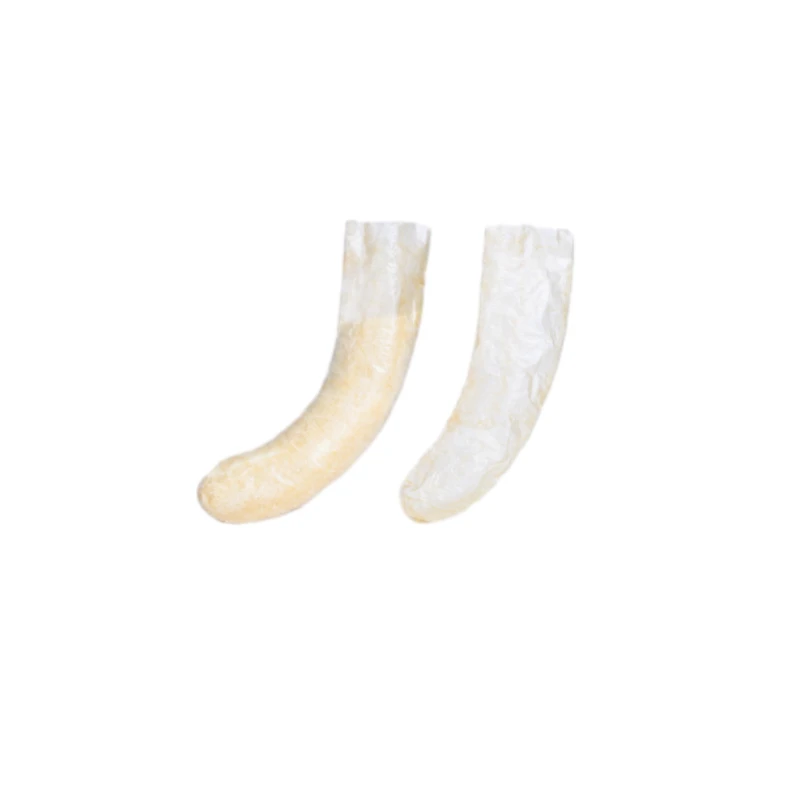
Procurement parameters encompass dimensions within the 16–28mm range for natural salted sheep casings contrasted against extruded artificial tubes. Operational overhead and preparation labor directly influence true expenses incurred across commercial meat processing workflows.
Operational teams evaluating these input materials must account for preparation friction and processing yields to determine exact unit economics.
Baseline Unit Cost Drivers for 16-28mm Salted Sheep Casings
Biological Harvesting and Curing Complexity
Natural animal tissues demand meticulous manual extraction and preservation procedures that mechanized synthetic manufacturing avoids entirely. Skilled labor must carefully strip, clean, and salt each strand by hand to maintain structural integrity.
These biological extraction steps introduce variable labor overheads into the supply chain. Industrial facilities relying on continuous extrusion lines experience entirely different baseline cost structures because synthetic tube production is fully automated.
Calibration Demanding Manual Sorting
Natural sheep casings require manual gauge sorting to separate variable diameters into precise commercial brackets. Automated synthetic tubes emerge from extrusion machinery with uniform dimensions built directly into the manufacturing parameters.
This calibration bottleneck adds significant handling time before the product ever reaches a commercial processing floor. Purchasing teams balancing initial material expenses against operational throughput must weigh these manual sorting requirements carefully, with specific cost impacts varying by purchase volume and destination market.
Yield Percentages and Biological Variability in Production
Biological Variance and Processing Loss Realities
Natural sheep casings experience distinct processing loss rates driven directly by biological variability across livestock sources. Because biological tissues lack the uniform geometry of manufactured tubes, grading batches fluctuate in wall strength and caliber.
Raw strand irregularities generate scrap percentages that must be factored into financial modeling. Scrap rates fluctuate depending on the specific batch and harvesting conditions.
Yield Comparisons Against Synthetic Alternatives
Extruded artificial alternatives emerge from automated manufacturing with fixed dimensions and minimal waste. Natural tubular materials require careful handling to manage animal-derived inconsistencies.
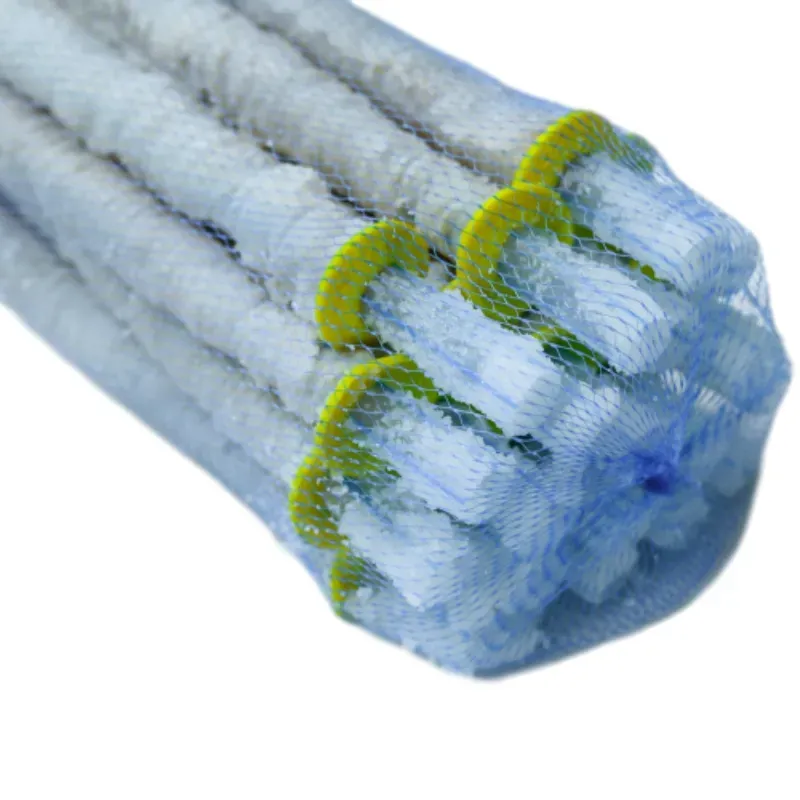
Scrap percentages generated during sorting and stuffing directly alter the baseline economics of fine-diameter production lines. Usable yield percentages form a core component of total cost of ownership calculations for commercial meat plants.
Yield Impact on Total Cost of Ownership
Purchasing directors evaluating animal-derived tubes must weigh initial material savings against real production waste. Exact yield loss percentages and related documentation requirements remain to be confirmed with the supplier based on current purchasing volumes and delivery terms.
Line Efficiency Impacts from Natural Casing Preparation
Preparation Friction on Continuous Processing Lines
Operational drag emerges immediately when processing lines switch from manufactured tubes to natural animal materials. Preparation friction directly affects daily line output because biological casings require manual intervention before they can be mounted onto stuffing horns.
Dedicated floor space and constant operator attention must be allocated for conditioning natural materials prior to stuffing operations.

Labor Allocation for Strand-Matching and Flushing
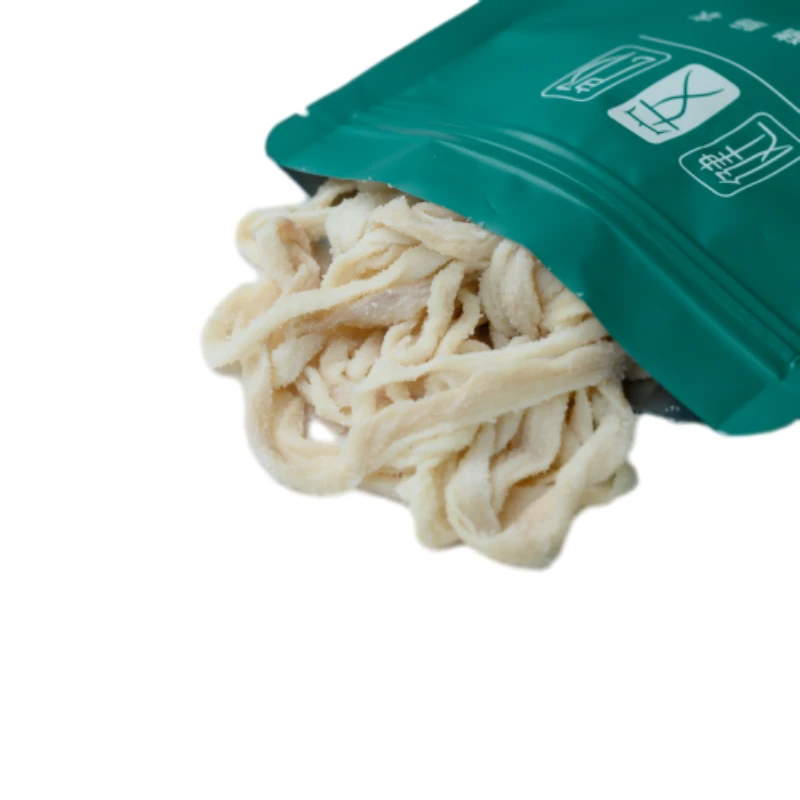
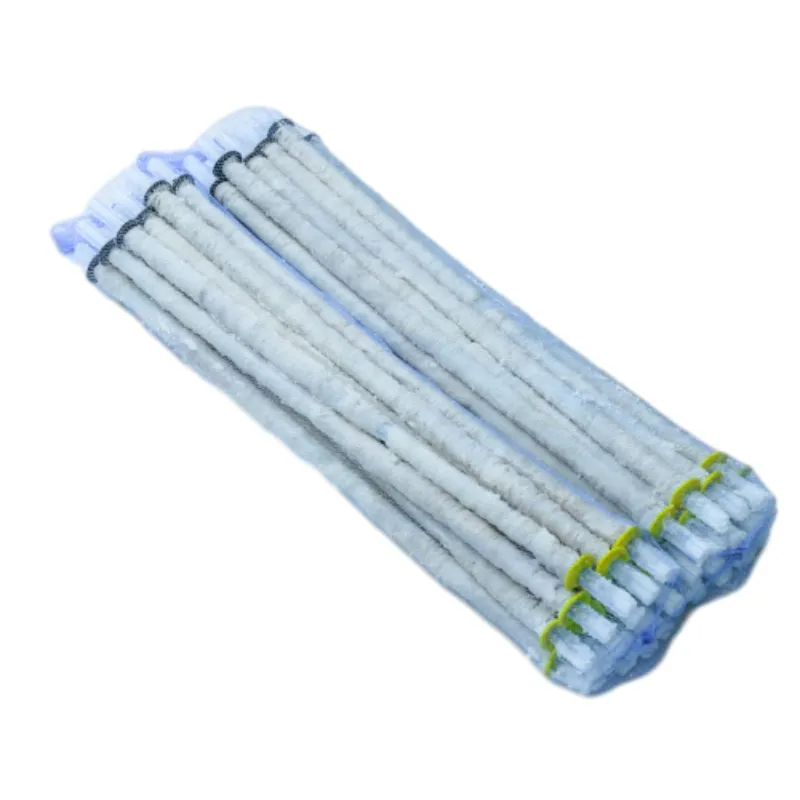
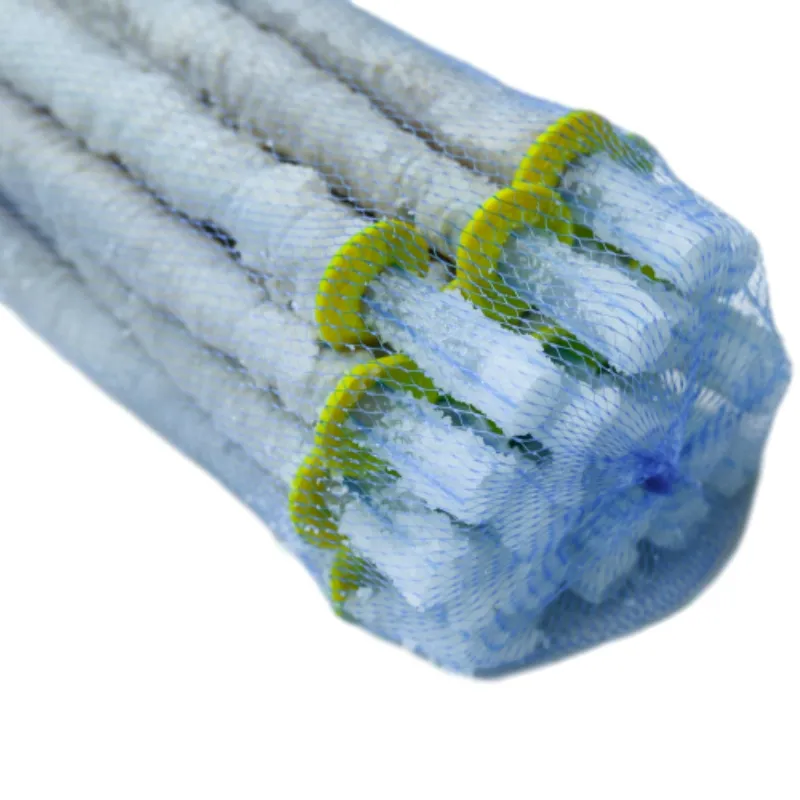
Strand-matching and flushing operations require skilled personnel to separate tangled hanks and align individual strands by caliber. Workers must manually remove residual salt from each tubular section to verify internal bore clearance.
This manual overhead contrasts sharply with the continuous supply delivered by artificial alternatives. Extruded synthetic tubes arrive spool-ready, which allows plant managers to reallocate packing personnel to downstream packaging zones.
Labor utilization rates fluctuate depending on batch consistency and worker dexterity. Facilities handling fine-diameter items such as chipolata, merguez, and breakfast links must factor these preparation workflows into total labor cost calculations.
Comparative Economic Evaluation of Casing Alternatives
Economic Comparison Framework for Sausage Casings
Commercial sausage manufacturers evaluate casing options through a multi-dimensional matrix that weighs upfront invoice totals against actual processing line performance. When purchasing teams assess the 16–28mm dimension tier for specialty links, raw material expenses represent only a fraction of total operational expenditure.
Extruded synthetic alternatives arrive with predictable per-meter pricing and zero natural biological waste, whereas natural animal inputs demand intensive preparation labor before stuffing begins. Plant managers balance these contrasting material dynamics to determine true per-unit production costs across high-volume shifts.
Comparative Analysis Matrix
| Material Type | Size Range | Application Target | Single-Unit Price Tier | Primary Processing Requirement |
|---|---|---|---|---|
| Salted Sheep Casings | 16–28mm | chipolata, merguez, breakfast links | Higher initial baseline | Manual soaking, flushing, strand-matching |
| Extruded Artificial Tubes | to be confirmed with the supplier | chipolata, merguez, breakfast links | Lower initial baseline | Ready-to-use continuous extrusion setup |
Balancing Material Expenses and Processing Yields
Upfront purchasing budgets often favor synthetic conduits due to lower initial invoice totals and automated packaging formats. However, biological variability in natural sheep casings introduces yield loss percentages that require careful adjustment in financial modeling.
To calculate true operational expenses accurately, procurement directors must factor in the labor overhead required to manage natural strands against the predictable throughput speed of manufactured alternatives. Facilities operating under applicable import requirements integrate these variable yield metrics directly into quarterly purchasing forecasts.
Regulatory Frameworks and Market Accessibility
Global distribution of animal-derived tubular materials intersects with varied animal health mandates. Products are positioned for markets governed by USDA and EU standards without implying direct facility-level export permissions.
Customs clearance procedures and veterinary inspection protocols depend heavily on the specific destination port regulations and the prevailing official guidelines. Importing distributors must verify regional entry prerequisites prior to scheduling container arrivals.
Synthesizing Total Cost of Ownership for Procurement Decisions
Weighing Material Acquisition Against Operational Yields
Plant managers evaluate procurement performance by balancing baseline material acquisition expenses against actual usable yields and preparation labor overhead on the floor. Natural tubes require continuous monitoring of strand integrity during soaking and flushing phases to prevent unexpected line stoppages.
Labor allocation directly influences the financial outcome when processing natural casings compared to automated artificial alternatives.
Balancing Biological Variability Against Manufactured Predictability
Natural biological variations introduce processing loss rates that must be factored into every batch calculation, whereas artificial counterparts offer uniform dimensions and predictable throughput. Operating teams adjust line speeds dynamically when handling natural strands to accommodate diameter fluctuations within the 16–28mm parameter range.
Purchasing directors apply structured evaluation models to quantify these operational differences based on purchase volume and specific destination market requirements.
Operational Framework for Sourcing Decisions
Auditing plant-level labor overhead involves tracking hourly wages dedicated to soaking, flushing, and strand-matching tasks across distinct seasonal batches. Actual usable yields determine the true cost per finished kilogram of chipolata, merguez, and breakfast links produced on the line.
Incurred expenses depend heavily on specific order quantities, shipping destinations, and plant-level automation degrees, which determine whether upfront savings offset preparation friction.
Frequently Asked Questions
Biological tissues lack the uniform geometry of manufactured tubes, meaning grading batches fluctuate in wall strength and caliber across livestock origins. Processing loss rates increase when inconsistent diameters require manual sorting and grading before stuffing. Procurement teams evaluate usable yield percentages rather than raw invoice quotes to determine the true operational expenses of running small-diameter production lines.
Industrial processing requires soaking, flushing, and strand-matching natural animal strands prior to stuffing. These preparatory steps introduce variable labor overheads into daily workflows, affecting throughput speed compared to ready-to-use artificial equivalents. Facilities calculate total labor utilization by factoring in these cleaning and conditioning phases alongside active stuffing times.
Casings sized between 16 and 28 millimeters require manual gauge sorting to separate variable diameters into precise commercial brackets for items like chipolata, merguez, and breakfast links. This sorting bottleneck adds handling overhead compared to uniform extruded tubes that emerge from machinery with fixed dimensions. Purchasing directors weigh these sizing demands against target processing speeds and waste tolerances.
Facilities handling animal-derived tubes must align their operational workflows with prevailing trade rules and prevailing import requirements. Operations shipping finished goods across international boundaries need to verify that their supply chains match USDA and EU standards documentation available from suppliers. Final market entry depends on destination port regulations and veterinary health compliance verified at the facility level.
Purchasing evaluations must integrate initial invoice expenses with usable yield percentages, preparation labor overhead, and daily line efficiency rates. While synthetic alternatives offer predictable geometry and lower upfront material costs, natural tubes provide specific textural and bite characteristics demanded by brand-owning customers. Total cost analysis accounts for these trade-offs based on plant-specific labor rates and target production volumes.
Conclusion
Plant directors evaluating upcoming purchasing cycles must audit current preparation labor overhead, daily throughput rates, and destination market requirements. Calculating exact expenses requires mapping biological variability against baseline material pricing before signing supply agreements.
Purchasing managers balancing these variables depend heavily on freight cost parameters, seasonal harvest volume fluctuations, and specific destination port import regulations. Audit schedules should adjust dynamically based on purchase volume tiers and local municipal compliance rules.