Oct . 20, 2026 14:57
Salted Hog Casings Price Comparison: Total Cost and Yield Analysis

Procurement evaluation of real animal intestines demands a financial model that extends far beyond the basic invoice rate. Raw purchase numbers fail to capture downstream processing expenditures, including preparation labor, biological yield variance, and automated line throughput efficiency.
Sourcing decisions for commercial sausage production depend on total cost of ownership rather than initial material outlays. Material inconsistency directly influences stuffing line downtime and overall labor overhead.
Purchasing directors must calculate hidden sorting and soaking overhead before finalizing supply contracts. Biological variability across natural animal tissues requires dedicated preparation time that synthetic alternatives bypass entirely.
Standard Commercial Specifications and Cask Packaging Units
Packaging Units and Industrial Sizing Frameworks
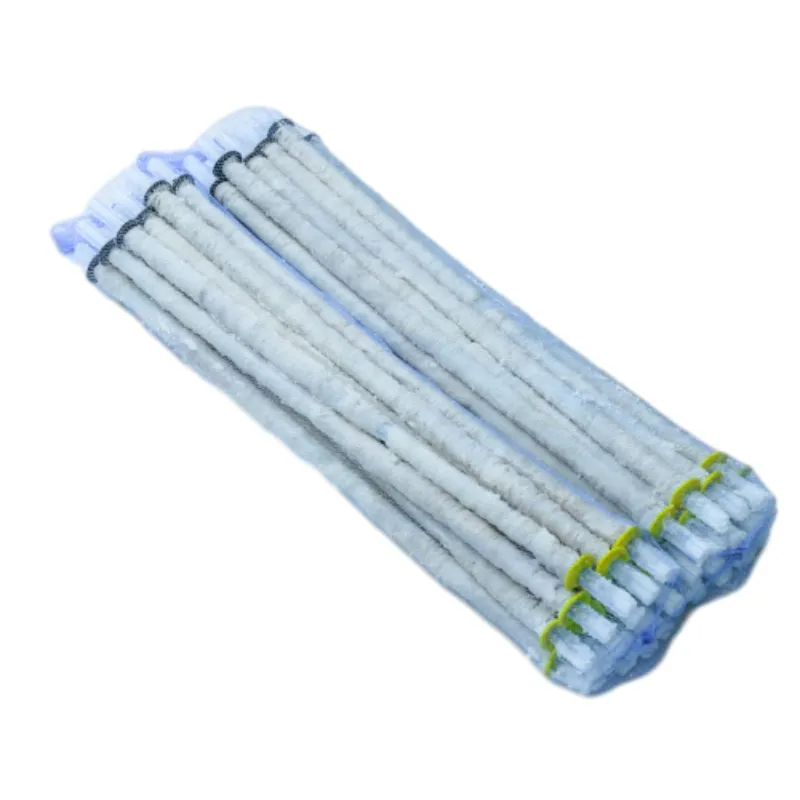
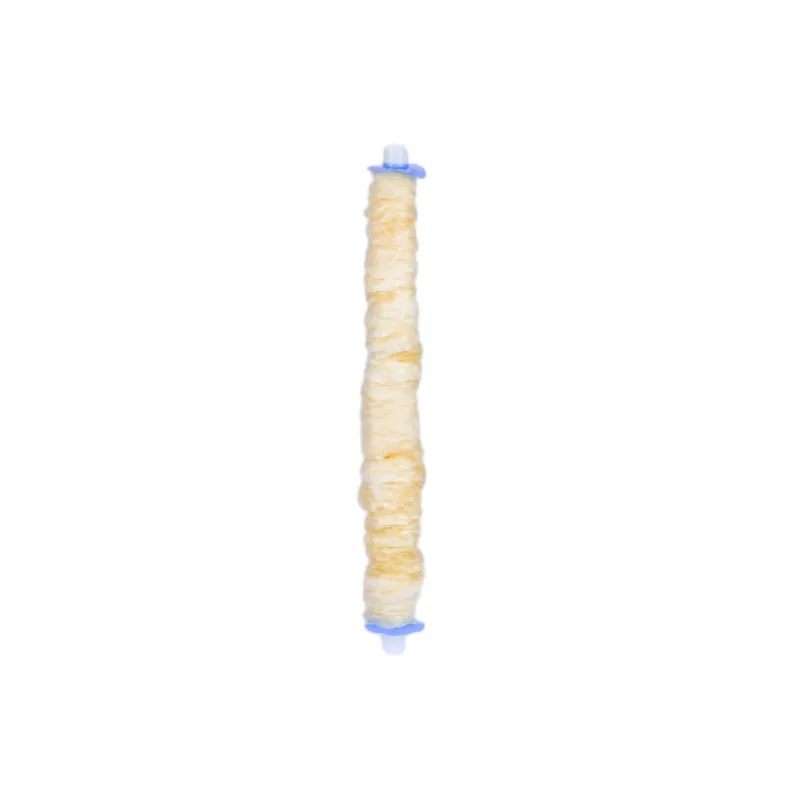
Commercial trading units for salted hog casings are established at exactly 90 meters per hank, bundled into casks containing 150 hanks. Procurement planning for industrial meat processing relies on these standardized trade metrics to forecast linear meter requirements accurately across high-volume production schedules.
Biological caliber dimensions dictate sorting protocols and machinery setup parameters. Specific diameter ranges are classified into small (28-32mm), medium (32-35mm), large (38-42mm+), and broader groupings extending up to 28-48+ mm specifications. These dimensions apply directly to real animal intestines sourced for commercial sausage lines.
| Material | Diameter Range | Meters per Hank | Hanks per Cask |
|---|---|---|---|
| real animal intestines | Small (28-32mm) | 90 | 150 |
| real animal intestines | Medium (32-35mm) | 90 | 150 |
| real animal intestines | Large (38-42mm+) | 90 | 150 |
| real animal intestines | Broad Range (28-48+ mm) | 90 | 150 |

Application Scope Across Sausage Formulations
These dimensional tiers support a diverse array of sausage applications. Commercial operations utilize these calibers for manufacturing bratwurst, Italian sausage, chorizo, breakfast sausages, hot dogs, summer sausage, salami, fresh sausages, and smoked sausages.
Precise dimension matching prevents operational bottlenecks during stuffing. Purchasing teams can contact the supplier to obtain the files regarding specific caliber tolerance specification sheets to ensure compatibility with dedicated filling nozzles.
Evaluating Yield-Adjusted Unit Costs Beyond Raw Purchase Price
Evaluating Labor Dynamics and Sorting Overheads
Biological variability in real animal intestines creates unavoidable labor demands before filling lines begin operation. Technicians must manually grade, calibrate, and sort each batch to maintain structural uniformity across automated stuffing runs.
Soaking protocols and pre-processing handling hours add non-invoice expenses directly into the baseline operational budget.
Initial purchase prices fail to capture these preparation overheads, masking the true financial impact of natural tissue handling.
Managing Breakage Losses and Line Efficiency
Mechanical tension on high-speed automated stuffing lines transforms undetected weak spots in biological tissues into costly yield drops. When lower-grade lots experience frequent tears, machine downtime increases and material waste accumulates rapidly.
Yield-adjusted unit costs depend strictly on tissue integrity and consistent caliber sizing across the entire production run. Procurement directors must calculate potential breakage losses alongside base invoice numbers to uncover the actual expense per finished kilogram.
Exact breakage thresholds and preparation parameters remain to be confirmed with the supplier based on specific lot selections.
Caliber Consistency and Processing Line Throughput Speed
Diameter Uniformity and Automated Stuffing Efficiency
Dimensional uniformity directly determines whether high-speed automated stuffing machinery maintains continuous throughput or suffers frequent mechanical bottlenecks. When real animal intestines exhibit consistent width profiles across individual hanks, filling nozzles operate without sudden pressure adjustments. Variations in width force automated lines to slow down, protecting fragile tissue sections from bursting under erratic pressure spikes.
Sausage manufacturing lines processing specific formulation groups rely heavily on predictable caliber consistency to prevent product waste. Undersized segments frequently collapse during high-speed linking, whereas oversized sections fail to fit uniform sizing gauges, causing immediate downstream clipping errors. These mechanical mismatches require unplanned line stoppages to clear jammed nozzles and recalibrate equipment settings.
Application-Specific Stress Thresholds and Plant Output
Specialized processing demands specific caliber ranges depending on the final product category and preparation method. Small diameters (28-32mm) and medium diameters (32-35mm) maintain structural integrity under the high-speed thermal expansion typical of specific breakfast items and related recipes. Large diameters (38-42mm+) and broader ranges extending up to 28-48+ mm withstand extended processing cycles required for cured items.
Plant operators managing diverse formulations must match specific caliber tolerances to particular filling nozzles based on seasonal livestock variations and processing speeds. Uncontrolled dimensional variance increases preparation overhead and directly reduces daily output across industrial meat plants. Procurement teams must request specific caliber tolerance specification sheets to align incoming biological variability with automated plant speeds.
Total Cost of Ownership Factors: Transport Curing and Storage Logistics
Calculating the true landed expenditure of real animal intestines requires evaluating specialized international transport curing standards and ambient storage requirements. Unlike dry synthetic materials, salted natural casings demand precise climate management throughout global transit routes to prevent quality degradation before factory arrival.
Logistics expenses fluctuate significantly depending on the destination port, seasonal ambient temperatures, and the chosen freight mode. Without proper temperature oversight during international shipping, salt retention drops, causing premature tissue spoilage that instantly writes off entire import batches.
Storage logistics for bulk casks holding 150 hanks each necessitate dedicated cold-room facilities equipped with humidity controls. Warehouse operators must monitor inventory turnover closely because extended storage periods without adequate salting conditions diminish the elasticity needed for high-speed stuffing lines.

Handling salted natural casings also generates wastewater and specific facility drainage overheads that dry polymers avoid entirely. Plant supervisors factor these infrastructure maintenance expenses directly into the annual raw material holding budget.
Direct Comparison: Natural Hog Casings Versus Alternatives
Structural and Cost-in-Use Comparison
Evaluating real animal intestines against synthetic alternatives requires analyzing how structural differences influence processing behavior, yield variance, and final production costs. Natural tissues provide biological elasticity and permeability that artificial counterparts often lack, though these biological traits introduce distinct sorting and soaking overheads depending on the chosen caliber and batch variability.
Synthetic options typically offer uniform diameters and predictable linear yields, which eliminates the initial calibration labor required for natural biological casings. However, purchasing decisions must weigh these upfront processing efficiencies against the downstream performance trade-offs observed during high-speed automated stuffing runs.

Comparative Performance and Cost Parameters
| Material | Size Range | Cost Profile |
|---|---|---|
| real animal intestines | small (28-32mm), medium (32-35mm), large (38-42mm+), and broad range (28-48+ mm) | variable based on preparation labor and biological sorting yield |
| synthetic alternatives | standardized artificial gauges | governed by fixed linear purchase rates with lower preparation overhead |
Processing Behavior and Yield Trade-Offs
Industrial processing lines experience distinct tension behaviors when switching between natural animal tissues and artificial alternatives. Real animal intestines adapt dynamically to moisture and expansion during the cooking phase, whereas synthetic casings maintain rigid dimensional boundaries that alter final bite textures.
Procurement teams must balance raw material expenditures against breakage risks during automated linking operations. Total cost calculations remain dependent on the specific volume of 90-meter hanks processed within each 150-hank cask shipment and the labor hours allocated to pre-soaking and calibration.
Optimizing Procurement Decisions for Industrial Meat Plants
Strategic sourcing for biological tissue inputs requires a structured scoring matrix that moves beyond simplistic initial invoice comparisons. Purchasing teams evaluate offers by integrating preparation labor, yield variance, and processing line speeds directly into weighted RFQ rubrics.
Vendor price quotes are normalized against actual baseline yield performance rather than nominal gross weight. This prevents low upfront estimates from masking expensive downstream losses caused by high breakage rates or excessive sorting overhead on the factory floor.
Industrial procurement scorecards assign specific percentage weights to caliber uniformity, tensile performance, and preparation labor requirements. Suppliers failing to meet rigorous consistency thresholds across these categories are filtered out before contract finalization.
Purchasing directors implement these multi-variable evaluation models to protect operating margins across large-scale production cycles. Standardized RFQ scoring ensures long-term operational stability without relying solely on initial purchase price.
Procuring raw animal intestines for bratwurst, Italian sausage, chorizo, breakfast sausages, hot dogs, summer sausage, salami, fresh sausages, and smoked sausages requires clear specifications. Purchasing directors request specific caliber tolerance specification sheets from suppliers to align incoming biological variability with automated filling equipment limits.
Realistic raw material budgets incorporate diameters ranging from small (28-32mm), medium (32-35mm), large (38-42mm+), up to 28-48+ mm specifications. Financial controllers build contingency percentages into hanks per cask calculations to account for soaking and sorting labor variances across different destination ports.
Frequently Asked Questions
Natural hog casings are traded with a standardized length of 90 meters per hank. Bulk shipments are packed in casks containing 150 hanks. Purchasing volume calculations depend on the linear meter requirements of the processing facility.
Calibers are categorized into specific diameter ranges including small (28-32mm), medium (32-35mm), large (38-42mm+), and a broader classification covering 28-48+ mm. Selecting the correct size depends on the specific sausage formulation and filling nozzle compatibility.
Total financial evaluation must factor in sorting labor, soaking preparation hours, and biological yield variance. Natural animal tissues require manual handling before stuffing lines start, unlike uniform artificial tubes.
Uniformity in diameter directly influences the speed and breakage rate during high-speed automated stuffing runs. Variations in tissue dimensions can cause pauses on commercial lines producing items such as bratwurst or breakfast sausages.
Preservation of salted animal intestines during international transit typically requires controlled ambient temperature conditions. Exact storage parameters depend on supplier operating guidelines and local warehouse climate variables.
Conclusion
Procurement teams finalize annual raw material budgets by balancing biological preparation overheads against automated filling line throughput speeds. Final supply agreements depend directly on order volume constraints and delivery schedules.
Purchasing managers verify exact caliber ranges for specific sausage lines to prevent casing rupture during high-speed linking operations. Plant engineers conduct trial runs under standard shift conditions before approving bulk purchase orders.
Supply chain contracts establish strict quality parameters that account for seasonal livestock variations and transport logistics. Technical buyers evaluate vendor performance metrics across annual procurement cycles to maintain consistent yield efficiency.