Oct . 20, 2026 14:57
Dried Hog Casing Procurement Checklist for Industrial Sausage Buyers
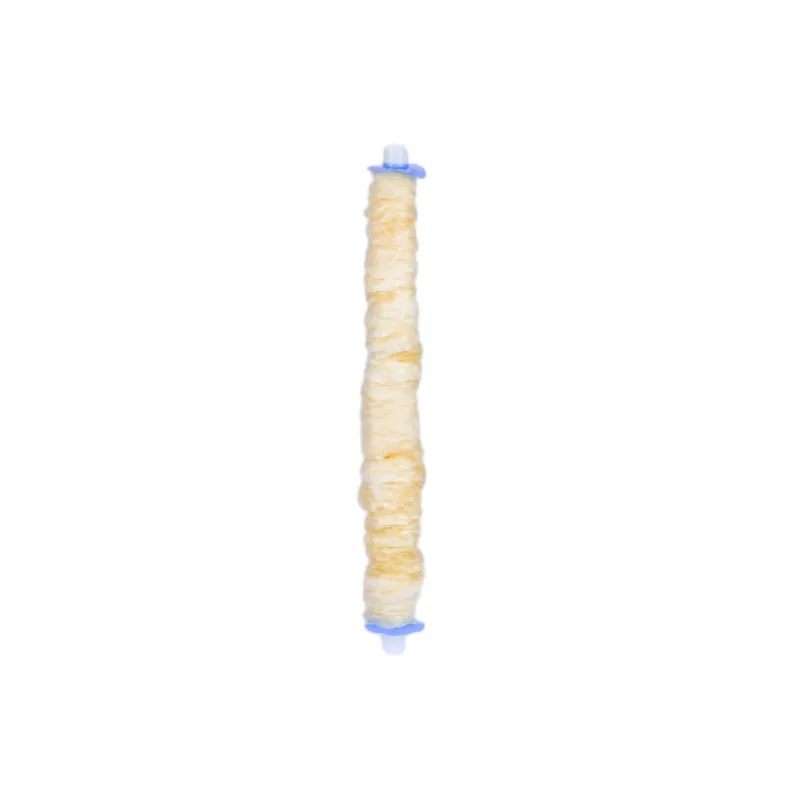
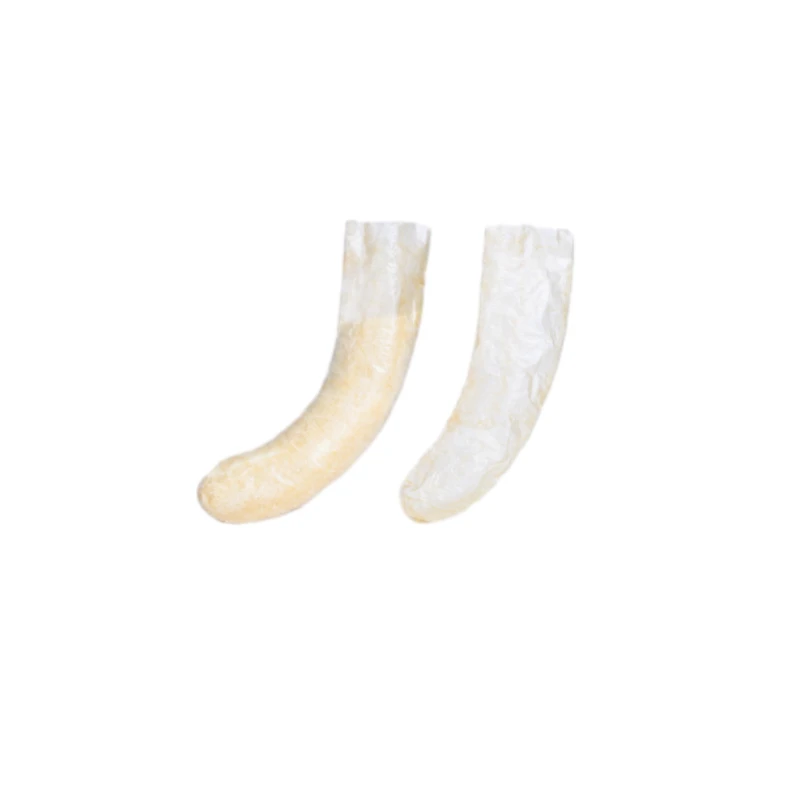
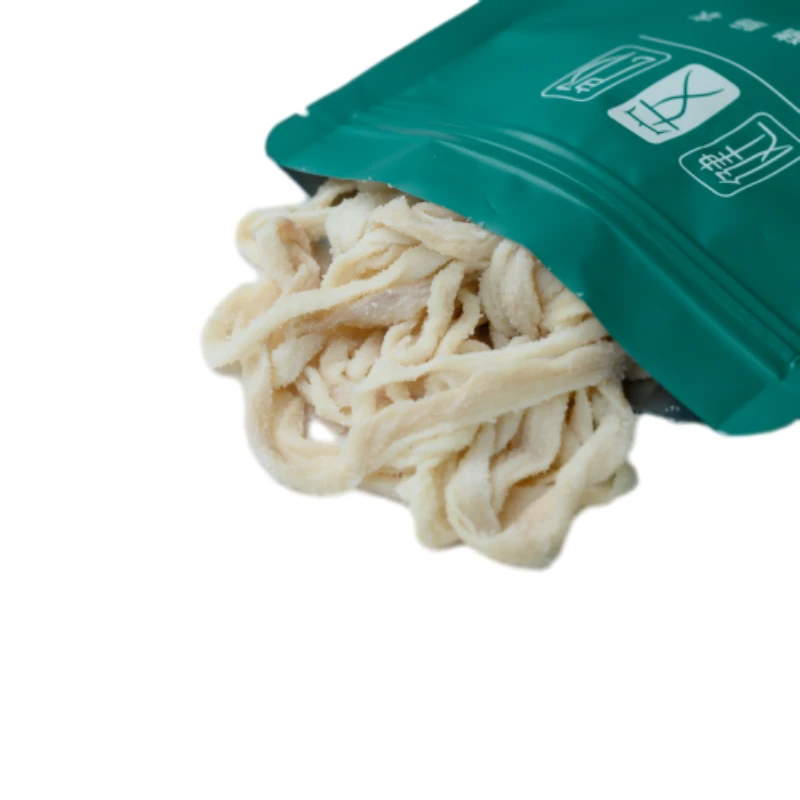
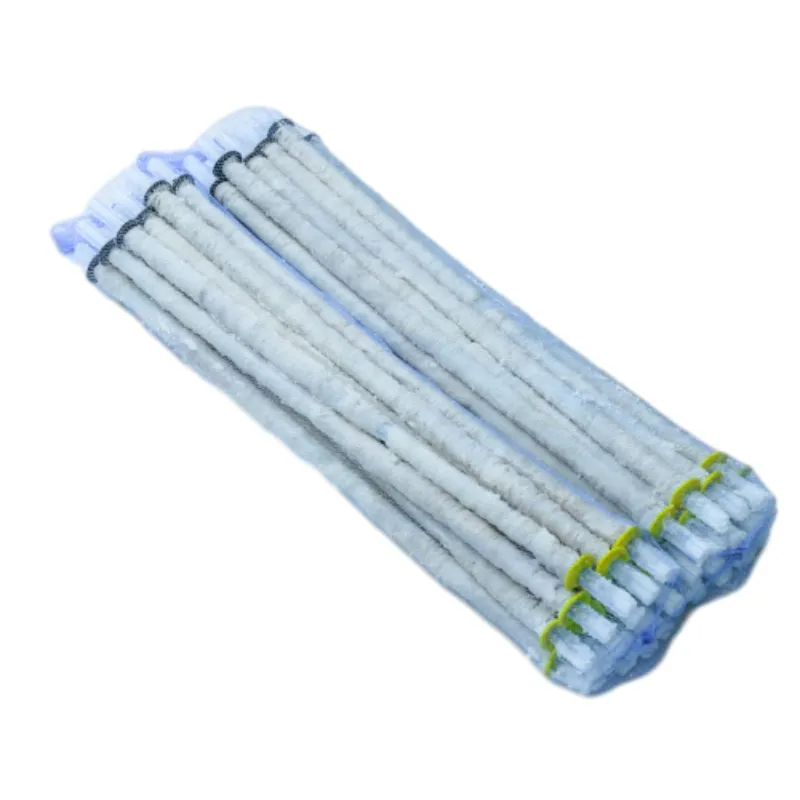
Establishing the operational scope for supply chain success requires a rigorous, multi-step framework. Commercial buyers need clear methodologies from initial sourcing generation to final dispute handling without assuming unlisted metrics. Systematic verification safeguards operational efficiency and processing yields across international supply chains.
Executing these workflows effectively depends upon precise documentation and strict adherence to verifiable parameters. Operational teams must navigate each stage with measurable criteria to eliminate ambiguities.
Defining Precise RFQ Parameters for Industrial Sausage Production
Structuring Initial Inquiry Workflows for Industrial Manufacturing Lines
Industrial sausage production requires rigorous parameter definitions at the procurement outset to prevent severe structural failures and yield losses on high-speed stuffing lines. Commercial meat processing inputs depend on exact material matching and verified application boundaries before any contract is finalized. Sourcing operations for industrial sausage production or specialty shaped products rely on clearly stated project scopes rather than unverified assumptions.Aligning Sourcing Parameters with Operational Realities
Purchasing teams map out raw material intake quantities directly according to active processing schedules and destination port logistics. Exact caliber requirements and minimum order quantities remain open to be confirmed with the supplier during the initial communication phase.
Refining Technical Scope and Eliminating Unverified Assumptions
Procurement professionals avoid assuming tolerance thresholds that lack formal documentation during the initial RFQ stage. Operational constraints dictate that every inquiry focuses strictly on designated processing formats, leaving unknown technical variables open for direct clarification. Fabricating unlisted model numbers or lead times during the first contact introduces severe compliance risks. Detailed delivery timelines remain tied strictly to the agreed purchase volume and the active logistics schedule.Executing Systematic Sample Evaluations for Processing Performance
Thermal Rehydration and Moisture Absorption Trials
Rigid sample testing prevents unexpected stuffing failures on automated production lines. Testing teams submerge sample batches in controlled thermal baths to verify moisture absorption rates under realistic shop-floor conditions.
Evaluation protocols follow established manufacturing workflows rather than arbitrary laboratory standards, recording performance data relative to specific processing speeds, nozzle sizes, and filling pressures.
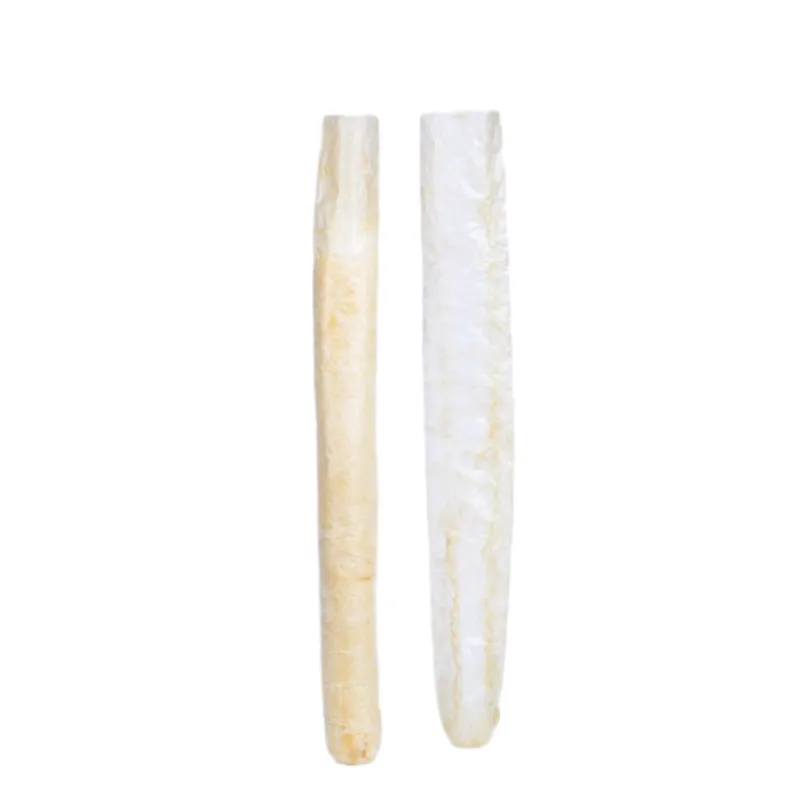
Mechanical Stress and Caliber Uniformity Protocols
Mechanical stress tolerance dictates whether a casing withstands automated linking and stuffing equipment without rupturing. Assess tensile strength by measuring burst pressure thresholds across diverse product configurations.
Caliber consistency ensures uniform portion control during high-speed operations. Variations in diameter lead to uneven product weights and packaging defects, making dimensional uniformity a mandatory checkpoint during inbound quality control inspections.
| application | Evaluation Parameter | Verification Method | Control Variable |
|---|---|---|---|
| Industrial sausage production | Rehydration behavior | Thermal bath immersion testing | Strand moisture content |
| Small-scale butchers & meat processors | Tensile strength | Burst pressure thresholds | Filling pressure and nozzle size |
| Smoked, cooked, or dried sausages | Caliber consistency | Dimensional uniformity checks | Strand length and diameter tolerance |
Documentation of trial outcomes relies on observational records rather than unverified numerical tolerances. Reviewing performance metrics against actual operational boundaries protects processing facilities from structural failures during commercial runs.
Verifying Regulatory Compliance and Processing Hygiene via Direct Documentation
Documentation Retrieval and Processing Standards
Factory sanitation protocols determine whether biological and chemical controls remain consistent during preparation. Official documentation demonstrates traceable cleaning stages and salt concentration thresholds without relying on unverified claims.
Acquiring authentic validation depends upon obtaining explicit records straight from the manufacturing source rather than accepting blanket guarantees. Procurement teams examine every testing report for alignment with destination market regulations.
- Request original lab reports covering microbial parameters directly from the manufacturing source.
- Inspect documentation for clarity regarding temperature control during storage phases.
- Ensure all provided certificates match the specific company entity executing the commercial contract.
Avoiding Unverified Compliance Claims
Assuming validity for unlisted standards creates immediate customs clearance roadblocks at international ports of entry. Importing agents reject shipments lacking verifiable paper trails regardless of verbal assurances provided by intermediary brokers.
Unauthorized issuer names or arbitrary validity dates appearing on commercial paperwork signal immediate rejection during internal quality audits. Regulatory frameworks demand exact matches between physical goods and the corresponding administrative files.
Establishing Transparent Terms for Quality Tolerances and Breakage Allowances
Establishing Commercial Boundaries for Casing Consistency
Commercial agreements for dried hog casing inputs require clearly defined boundaries regarding acceptable breakage rates and dimensional variations before shipment leaves the production facility. Unclear performance thresholds frequently lead to severe financial disputes upon arrival at international ports.
Buyers must negotiate precise stipulations governing batch acceptance criteria and defect allowances ahead of final payment execution. These financial safeguards depend directly upon the specific order volume and the agreed shipping incoterms.
Standard industry practices dictate that commercial agreements incorporate explicit language detailing acceptable variance limits for caliber consistency and rehydration performance. Without these predetermined benchmarks, assessing liability for split strands during industrial stuffing operations becomes entirely subjective. Establishing these parameters directly within the purchase agreement protects procurement teams from unexpected yield losses.
The following parameters govern commercial evaluations and defect thresholds during contract finalization.
| Commercial Parameter | Application Alignment | Contractual Handling |
|---|---|---|
| Material Grade | Industrial sausage production | Subject to agreed sample verification |
| Size Specifications | Small-scale butchers & meat processors | Dependent on destination port requirements |
| Minimum Order Quantity | Smoked, cooked, or dried sausages | Varies by production batch volume |
| Warranty Terms | All kinds of special-shaped sausages | Governed by bilateral commercial agreement |
Managing Breakage Allowances and Defect Thresholds
Predictable loss margins during high-speed processing depend heavily upon the establishment of realistic breakage allowances within the supply contract. Setting these limits prevents arbitrary rejection of entire shipments while maintaining accountability for substandard raw materials. Procurement managers must define exact compensation mechanisms for batches exceeding agreed breakage percentages during stuffing trials.

Unforeseen variations in caliber or moisture retention must be mitigated through predetermined replacement protocols rather than retroactive discounting. When material performance deviates from verified sample standards, contractual remedies must outline clear timelines for notification and claim submission.
Incorporating Provisions for Batch Traceability
Ensuring end-to-end accountability across international supply chains requires strict traceability provisions linked directly to production lot numbers. Traceability mechanisms enable quality control teams to isolate defective strands quickly without halting entire processing lines. Every commercial agreement must mandate that suppliers maintain detailed records of raw material sourcing and processing dates.
Traceability documentation serves as the primary evidentiary foundation when lodging formal claims for substandard deliveries. When discrepancies arise regarding tensile strength or rehydration behavior, lot-specific records allow both parties to trace the anomaly back to specific processing conditions. Buyers should verify that all shipping documentation includes corresponding batch identifiers before authorizing final cargo release, varying by production batch volume and intended destination port requirements.
Tracking Batches and Managing Traceability Across Supply Chains
Linking Delivered Input Batches to Meat Processing Operations
Requiring lot traceability mechanisms from suppliers allows facilities to trace raw material origins back to primary processing nodes. Destination market regulations and regional collection points dictate how comprehensive these initial origin records remain across supply chain segments.
Aligning batch identification practices with standard meat industry traceability workflows ensures seamless integration into existing plant management systems. Processing facilities integrate incoming identification codes into internal inventory databases, depending heavily on order volumes and seasonal availability.
Documenting Supply Chain Touchpoints and Operational Accountability
Documenting supply chain touchpoints ensures accountability during high-volume processing operations by tracking every transfer of custody. Destination port logistics and intermediate storage conditions determine the frequency and format of these operational touchpoints.
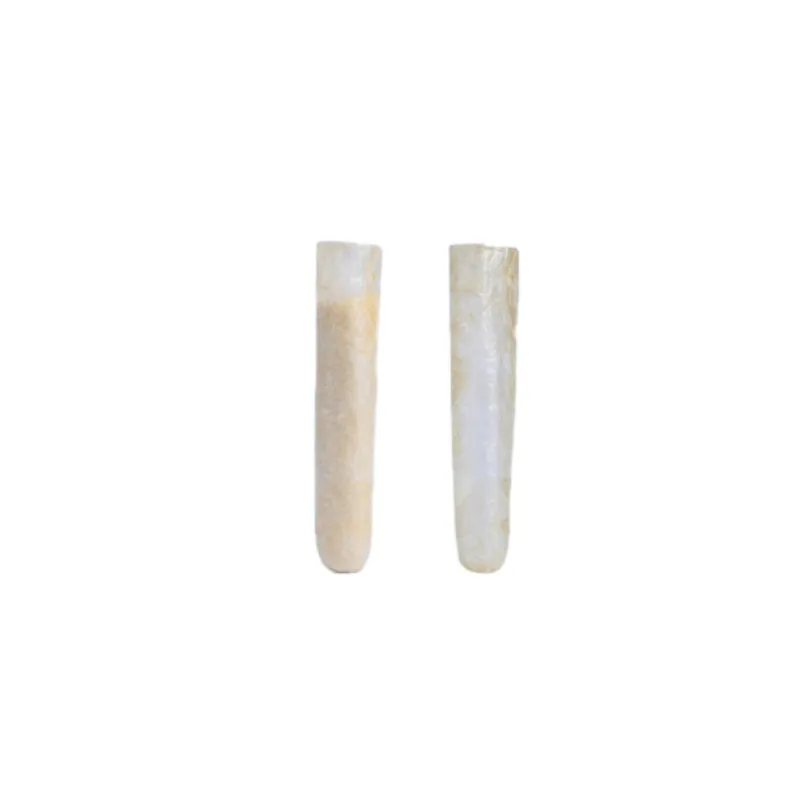
Establishing protocols for linking delivered casings to specific production lots prevents cross-contamination and simplifies root-cause analysis during quality audits. Procurement teams configure these linkages based on the destination port requirements and bilateral supply agreement terms.
Managing Claim Workflows and Commercial Dispute Resolution
Defect Reporting and Out-of-Tolerance Claim Procedures
Managing operational deviations during meat processing requires structured protocols for reporting compromised shipments. Dispute initiation windows and inspection timelines depend directly upon bilateral contract terms negotiated prior to dispatch.
When discrepancies arise, formal notice submission follows strict procedural requirements:
- Physical inspection protocols initiate immediately upon warehouse arrival, with specific notification deadlines governed by the agreed commercial contract.
- Defective batch samples are isolated in climate-controlled storage to preserve evidence for joint verification.
- Photographic records of structural failures during stuffing provide the evidentiary baseline for restitution claims.
Resolution terms rely on verifiable sample test data rather than subjective visual assessments. Financial restitution or replacement shipments remain subject to direct contract clauses and logistical constraints.
Commercial Dispute Resolution and Evidence Documentation
Documenting defect rates using standardized inspection reports supports the validity of formal claims. Resolution pathways align with standard B2B meat processing commercial practices.
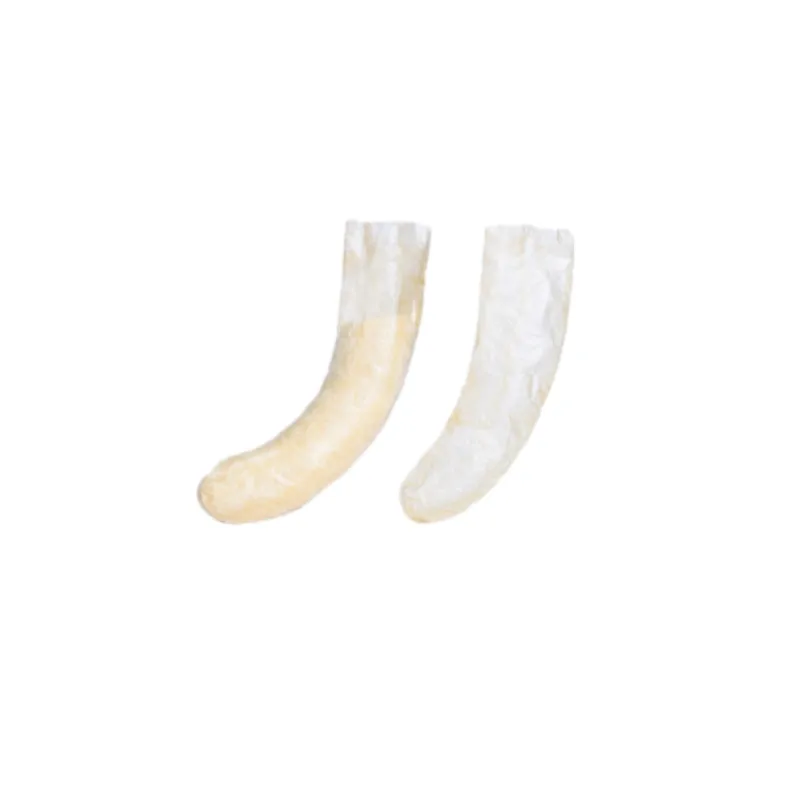
Evidence requirements and response timelines vary based on order volume and the specific severity of the reported defect. Buyers must compile comprehensive inspection logs detailing batch numbers and physical anomalies before submitting restitution requests.
Frequently Asked Questions
Evaluation teams submerge trial strands in water baths to monitor rehydration speed and elasticity under shop-floor conditions. Technicians also test tensile resistance against the stuffing demands of smoked, cooked, dried, or molded meat goods. Caliber uniformity across the sample batch is measured against standard industry meat processing baselines.
Procurement personnel request documentation directly from the manufacturing partner to inspect hygiene records and compliance files. Buyers review official disclosures rather than assuming unlisted industry certifications or regulatory approvals. All compliance validation relies strictly on files provided by the vendor during the evaluation phase.
Quality thresholds and acceptable variance limits are established based on standard commercial meat processing practices. Purchasing teams incorporate these tolerances into preliminary contract talks without assuming rigid percentage rules. Final acceptance criteria depend on the specific processing environment and raw material grade.
Batch tracking requires suppliers to link delivered casing bundles back to raw material origins. Supply chain teams document every touchpoint from harvesting to final delivery to ensure accountability. This tracking workflow aligns with established traceability standards used throughout the commercial meat sector.
Formal claim procedures require inspection reports detailing defect rates and lot numbers within specified reporting windows. Resolution pathways follow standard B2B commercial practices for perishable meat inputs. Compensation or replacement terms depend upon the documented evidence submitted by the receiving plant.
Conclusion
Initiating the procurement workflow for wholesale import requires structuring purchase requests around destination port logistical timelines and harvest cycles. Initial RFQ documentation must outline exact operational demands without assuming unlisted metrics.
Initiating Procurement Workflow
Sourcing directors begin engagement by outlining volume expectations and delivery schedules directly tied to intended meat processing applications. This foundational document establishes parameters for subsequent vendor negotiations.
Finalizing Vendor Engagements
Shortlisted suppliers receive structured inquiries detailing technical verification requirements and batch traceability expectations. Final commercial alignment depends on destination port logistics and seasonal harvest cycles influencing maritime transit durations.